Tourism in Paris: July 2026 Sees a Slight Uptick


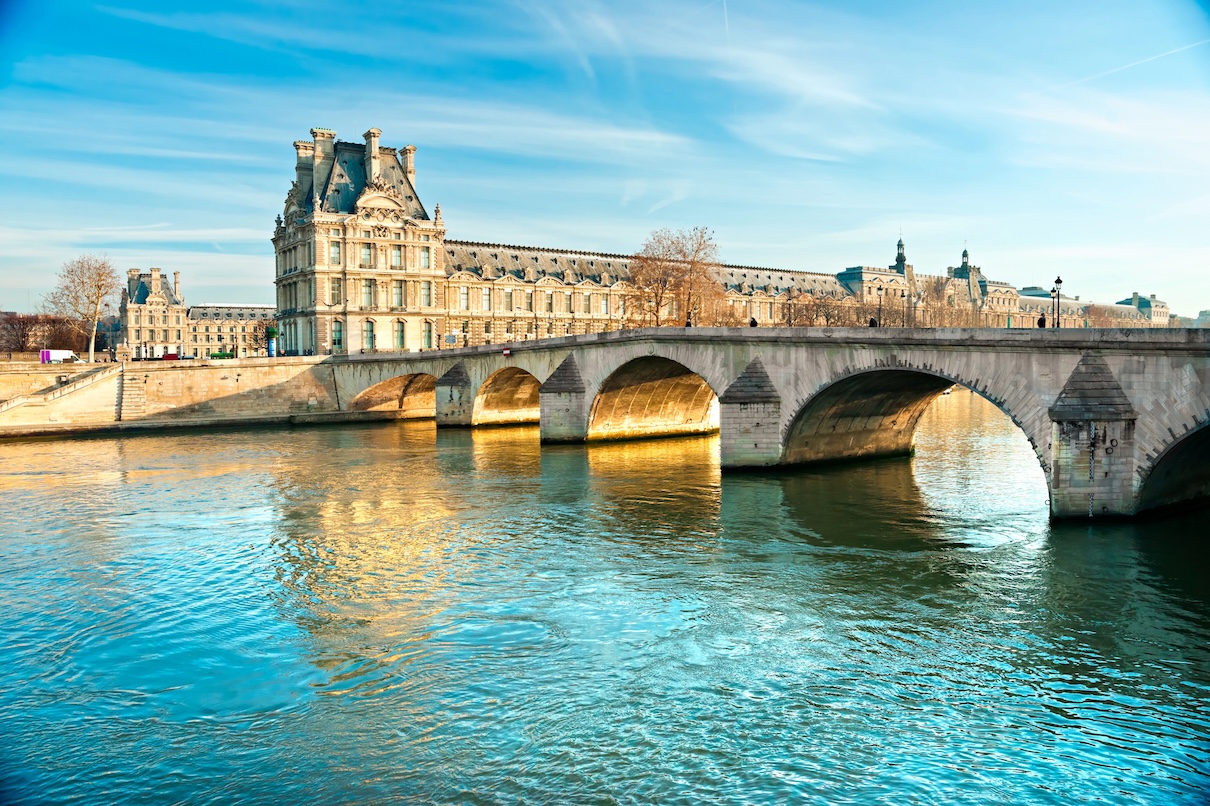
La fréquentation touristique du Grand Paris a légèrement progressé en juillet 2026 - Depositphotos.com, masterlu

MSC Croisières


Parisian tourism registered a slight improvement in July 2026.

According to the latest barometer from Paris je t’aime – Office de tourisme, foreign air arrivals reached 1.2 million for the month, i.e. a rise of 0.7% year-on-year.

In the same period, overnight tourism in the Grand Paris rose by 1.8%, with a rise of 2.9% for French visitors and a 1.6% increase for foreign clientele.

Hotel activity also follows this trend. The occupancy rate of Parisian establishments stood at 85.1% in July, up 1.4% compared with July 2025.

Overall, since the start of the year, the number of tourists registered in the Grand Paris has increased by 1.9% compared with the same period in 2025.


Des marchés internationaux aux évolutions contrastées

The dynamics remain different depending on the markets. Several foreign clientele strengthened their presence in the capital in July. This is notably the case for the United States (+2.3%), China (+7%), and Mexico (+13.9%).

Conversely, some source markets recorded a drop in demand. Arrivals of Italian tourists fell by 7.1%, Canadians by 3.9% and Spaniards by 4.5%.

This contrasting evolution is also seen at a geographic level. The central districts as well as the east and south of Paris registered hotel occupancy increases of over 3%.

The 13th, 14th and 15th arrondissements notably benefited from the Esports World Cup, with an average occupancy rate up by 3.2%.

Conversely, western Paris experienced a decline of 2.6% compared with July 2025.


A rentrée driven by major events

After a month of August traditionally calmer, Paris should resume sustained activity starting in September.

The autumn events calendar looks particularly dense, with several concerts, trade shows, conferences and international gatherings.

The month will begin notably with PLK’s concert at the Stade de France on September 5, followed by IPEM at the Palais des Congrès, from September 8 to 10. Several Céline Dion dates are also scheduled during the month.

The visit of the Pope, with a visit and a mass planned around September 25, should also support hotel demand. Paris je t’aime estimates at this stage that this event could generate 5.9 percentage points of hotel occupancy.

The end of the month will be particularly busy with SILMO, then Batimat from September 28 to October 1 at Porte de Versailles. The September 29, the event’s impact is estimated at +8.7 percentage points of hotel occupancy.

Despite this schedule, hotel bookings for September do not yet fully reflect this momentum. The projected occupancy rate remains at a slight decline of 0.4% compared with September 2025. Air bookings, however, appear better oriented, with an expected rise of 1.2% for the month.


October better oriented

The outlook is more favorable for October. The projected hotel occupancy rate currently shows a 2.6% year-on-year rise.

Several major events are expected to help sustain activity, including the SIAL at Villepinte, several large congresses, Paris Games Week, and the NFL game scheduled at the Stade de France on October 25.

The end of the year should also benefit from a dense events calendar. Several peak attendance periods are anticipated in October, notably around Batimat, the Journées Francophones de Radiologie (JFR), Produrable, Gazelec and several Céline Dion concerts.

Late November and early December, other major professional events are expected to take over, with notably the ADF, Journées de Dermatologie (JDP), All4Pack, the Nautic Show, Pollutec or the Horse Grand Prix.


Des perspectives encourageantes, mais un environnement toujours contrasté

In the medium term, Paris je t’aime considers that the outlook remains favorable, even though performances are expected to continue varying strongly across markets. At present, the tourism office estimates that the number of tourists for the entire year 2026 should be very slightly below that recorded in 2025.

The first indicators for 2027 are nevertheless encouraging. Forecast air bookings for the first half show positive changes on several strategic markets, notably the United States, China, Brazil, Japan, India and South Korea.

For the three upcoming months, the reservation data recorded as of August 10 from ForwardKeys/Amadeus nonetheless show a strong disparity between markets.

The expected air arrivals from September to November are rising particularly for Saudi Arabia (+23.1%), Mexico (+18.7%), Brazil (+14.9%), Japan (+9.3%) and Canada (+3.8%).

Conversely, bookings are down for the United States (-7.3%), Italy (-17.5%), Spain (-14.5%), Australia (-13.6%) and South Korea (-33.1%).

The Paris destination will also have to contend with evolving travel behaviors, marked by greater attention to value for money, shorter European stays, a search for proximity and rising expectations regarding sustainable tourism.
Wildfires: €30 Million in Loans and €2 Million to Boost Tourism in Landes-Gironde


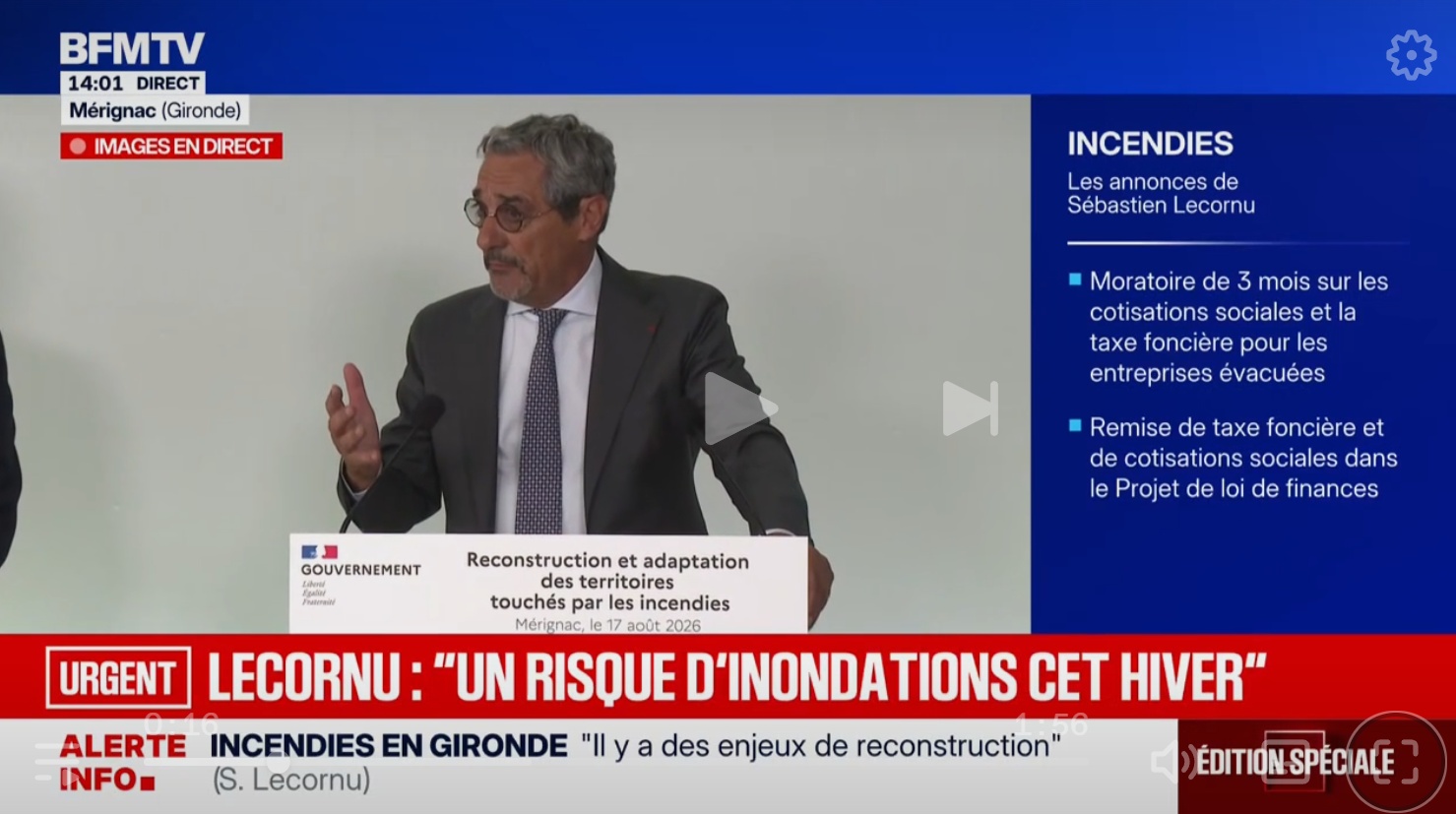
Incendies : 30 M€ de prêts et 2 M€ pour relancer le tourisme dans les Landes-Gironde - Capture écran

MSC Croisières


Following the wildfires that have severely affected Landes and Gironde, the government and tourism players are mobilizing to restore the attractiveness of the territories and support the professionals affected.

While visiting Nouvelle-Aquitaine, Serge Papin, the Minister Delegate for Tourism, announced several measures aimed at assisting reconstruction and, above all, reviving tourism in the areas hit by the fires.

Among the main measures announced is the creation of a guarantee fund capable of mobilizing up to 30 million euros in loans to support the affected economic actors.

The government also plans a communication plan named “Destination Landes-Gironde,” endowed with 2 million euros. This campaign should help bring back both French and international visitors and support tourist attendance in the two departments.

A dedicated fund is also set to assist the actors impacted in the Bordeaux metropolitan area.


“The resilience of Landes and Gironde is an absolute priority”

Adam Oubuih, directeur général d’Atout France a souligné dans un post LinkedIn : « The resilience of Landes and Gironde is an absolute priority ».

Present alongside Serge Papin and the local actors, Adam Oubouih met with professionals and representatives of the mobilized territories.

From the first days of the fires, the agency indicates having mobilized its international network to disseminate reliable and reassuring information to travelers, the media and professionals.

This communication has been carried out notably in connection with embassies and local partners, with the goal: to prevent images of the fires from leading to a distorted perception of the situation across the entire destination.

« Under the impetus of the Nouvelle-Aquitaine Region, the Regional Tourism Committee of Nouvelle-Aquitaine, and all the actors of the territory, an exceptional mobilization has been launched. Atout France today supports and amplifies it, notably by steering the international rollout of the ‘Destination Landes-Gironde’ campaign, in close cooperation with the Region and the Regional Tourism Committee » adds the communiqué.

European Heritage Days 2026: Discover Paris Museums in a New Way


Les musées de la Ville de Paris ouvrent leurs portes gratuitement les 19 et 20 septembre 2026 - Depositphotos.com, D.serra1

MSC Croisières


The City of Paris Museums will participate in the 43rd European Heritage Days, on Saturday, September 19 and Sunday, September 20, 2026.

On this occasion, the institutions will offer the public a program that is free of charge, structured around the two national themes: the Bicentennial of Photography and Heritage at Risk: Revive, Resist, Reimagine.

Over two days, visitors will rediscover the collections and the buildings of Parisian museums through formats specifically designed for the event.

The program also aims to highlight conservation professions, the know-how related to heritage, and new forms of mediation.


La photographie à l’honneur

In the framework of the bicentennial of photography, several institutions will offer sessions devoted to the history and techniques of photography.

At the Museum of the Liberation of Paris – General Leclerc – Jean Moulin, an urban trail will allow visitors to follow in the steps of Robert Capa and revisit sites associated with his famous photographs of the Liberation of Paris.

A meeting with Thomas Consani, an artist-printer at Picto, a historic laboratory of Robert Capa, will also allow discovery of the techniques and know-how linked to analog photography.

At the Zadkine Museum, visitors will be able to experiment with the cyanotype, an ancient photographic process, notably by creating a cyan herbarium or by printing a sculpture preserved in the collections.


Le patrimoine face aux nouveaux usages

The second theme of this edition, dedicated to heritage at risk, will be addressed notably through experiences aimed at renewing the relationship between the public and the collections.

The Cernuschi Museum will partner with the company Aika to present “Like a Wheel Within a Wheel“, an immersive virtual reality experience. This proposal intends to offer a contemporary reading of the works and heritage narratives. A meeting with curator Martina Köppel-Yang and the Aika team will allow dialogue on the issues of this approach.

At the Petit Palais, a giant scavenger hunt will invite participants to solve puzzles related to threats facing the museum and its works. An opportunity to discover, in a playful way, the behind-the-scenes of conservation and the various professions that contribute to preserving the collections.

The European Heritage Days will also be an occasion for families to discover the collections through hands-on engagement.

At the Zadkine Museum, workshops and interactive tours will notably allow exploring some emblematic works, such as The Bird with the Golden Plumage or The Head with Lead Eyes. The Bourdelle Museum will, in turn, offer activities around modeling, drawing, and working with materials.

At the Museum of the Liberation of Paris, children will be able to make their own diorama dedicated to the Liberation of Paris, guided by a lecturer. Family-friendly guided tours will also enable a playful revisit of the Liberation events and the Rol-Tanguy mission.


Musique, littérature et arts vivants au musée

The program will also bring the collections into dialogue with music, literature, and live performing arts.

At the Bourdelle Museum, the company Les Folies du temps will perform Beethoven’s Serenade Op. 8, while musical tours will offer another reading of Antoine Bourdelle’s works. At the Cognacq-Jay Museum, cellist Zoé Saubat will bring to life pieces by Bach and Marin Marais in the museum’s courtyard.

The Maison de Balzac will host several meetings around La Comédie humaine. Historian Judith Lyon-Caen will address the political dimension of Balzac’s work, while historian Jean-Claude Caron will explore the role of smells and perfumes in the writer’s universe.

At the Musée d’Art Moderne de Paris, artist Pascal Beugré Tellier will present Parlons masculin, a performance in dialogue with Kerry James Marshall’s work.

The Musée de la Vie romantique will host, for its part, students from the Conservatoire à rayonnement régional de Paris – Ida Rubinstein for a program devoted to Chopin, Brahms, Wagner, and Liszt, as well as a performance by the company Les Dramaticules around European and world heritage tales.


Architecture, conservation et savoir-faire

Visitors will also have access to proposals focused on the architecture of museums, their collections, and the crafts that contribute to their preservation.

All of the European Heritage Days programming in the City of Paris museums will be freely accessible on 19 and 20 September 2026, subject to the rules of each establishment.

Practical information and schedules are available on Paris Musées and on the sites of the various museums.


Wildfires: Tourism Drives Recovery in Landes and Gironde


Après les incendies qui ont fortement perturbé la saison touristique dans les Landes et en Gironde, les professionnels constatent une reprise progressive - Depositphotos.com @fouroaks

MSC Croisières


The tourist season had started off well in the Landes and Gironde.

The fires in July and August abruptly reversed the trend, triggering evacuations, temporary closures and, above all, a wave of cancellations that far exceeded the areas directly affected.

The shortfall in revenue for the two departments is currently estimated at 60 million euros, according to initial estimates. In Gironde, tourism accounts for around 3.8 billion euros in annual economic impact and 40,000 jobs.

By August 20, the situation had however improved. “The season is not over“, reminds Christelle Chassagne, president of ADN Tourisme and of the Regional Tourism Committee of Nouvelle-Aquitaine. After dropping to 30-40 % at the start of August, attendance rose to between 60 and 80 % the following week.

It nonetheless remains 10 % below last year’s level for the same period.


Un impact qui dépasse les zones directement touchée

The main issue for professionals now is that the image of the fires continues to weigh on areas that were not affected.

“It’s the ‘oil slick’ effect“, notes Nicolas Dayot, president of the National Federation of Outdoor Hotel Industry (FNHPA).

Out of caution or due to a lack of knowledge about local geography, some vacationers have lumped together all of Landes and Gironde into risk zones. Campgrounds that were spared have thus suffered a last-minute bookings freeze. Some foreign tourists even canceled stays in Dordogne for fear of smoke.

In the campsites directly affected by evacuations, the impact is even greater. With the exception of one establishment that suffered heavy damage and three others that experienced light destruction, losses are mainly tied to operations.

The FNHPA reports numerous cancellations and few postponements. The majority of vacationers who canceled their stays turned to other coastal destinations, from Charente-Maritime to Brittany via the Mediterranean.

For campsites, end-August occupancy rates remain highly variable, from 40 to 90 % depending on the establishment. Gironde appears more fragile than Landes and September remains uncertain, particularly for foreign clientele and off-season regulars.


L’hôtellerie-restauration également en première ligne

Hotels, restaurants, cafes and nightlife venues have also suffered the consequences of this drop in attendance. By the end of July, the UMIH had alerted the government to the economic consequences of the fires and called for emergency measures for the professionals.

The organization was specifically requesting better coverage of operating losses by insurers, cash-flow solutions and broader access to partial activity (partial unemployment).

UMIH Gironde and UMIH Landes also launched a campaign titled “Do Not Abandon Us!”, intended to remind that establishments remain open and that the territories remain accessible.

The professional association also took part in talks with the government on emergency measures, stressing one point: beyond the directly damaged establishments, many professionals are experiencing a drop in activity due to cancellations and the perception of risk.


Atout France veut désormais convertir la confiance en réservations

To address this situation, the State, the Nouvelle-Aquitaine Region, the CRT and Atout France have strengthened the “Destination Landes-Gironde” program, endowed with 2 M€.

The first step was to reassure visitors and to restore precise information about the areas actually affected. “We needed to provide precise information, concrete details on the exact situation, which part of the territory was affected, which tourist sites were affected, and which were not as well“, explains Christian Mantei, president of Atout France.

Now, the agency wants to move to a second phase: bringing back tourists and, above all, encouraging bookings. “The goal is conversion and support for reservations“, sums up Christian Mantei. The campaign relies notably on social networks, testimonials from vacationers, influencers and co-marketing operations with booking platforms. Several European markets are targeted as a priority, notably the Germany, the Netherlands, Belgium and Spain, as well as the United Kingdom, Switzerland and the United States.

The early signs are encouraging: Atout France notes a positive shift in media tone on the main international markets during the week of August 15.


Un plan de 2 M€ et un fonds de garantie de 30 M€

Communication aside, this is only part of the response. The government has also announced a guarantee fund capable of mobilizing 30 M€ in loans to support affected businesses. For Nicolas Dayot, these measures are “positive and essential“, but they must be simple enough to allow professionals to access liquidity quickly.

The FNHPA also calls for the fund to take into account indirect economic damage, notably cancellations linked to the fear generated by the fires, and not only material damages.

This issue aligns with the requests made by UMIH, which has been calling for measures to sustain businesses facing operating losses even as their costs continue to accrue since the crisis began.

The communications plan also relies on a strong public-private leverage effect. Atout France indicates it has mobilized around €900,000 excluding tax, while several private partners including SNCF Connect, Voyages Privé, Expedia, Booking and Airbnb have joined the scheme.


Dragon Ball Theme Park Could Be Built in Val-d’Oise


Un parc Dragon Ball pourrait voir le jour dans le Val-d’Oise - DepositPhotos.com/PHOTOLOGY1971

MSC Croisières


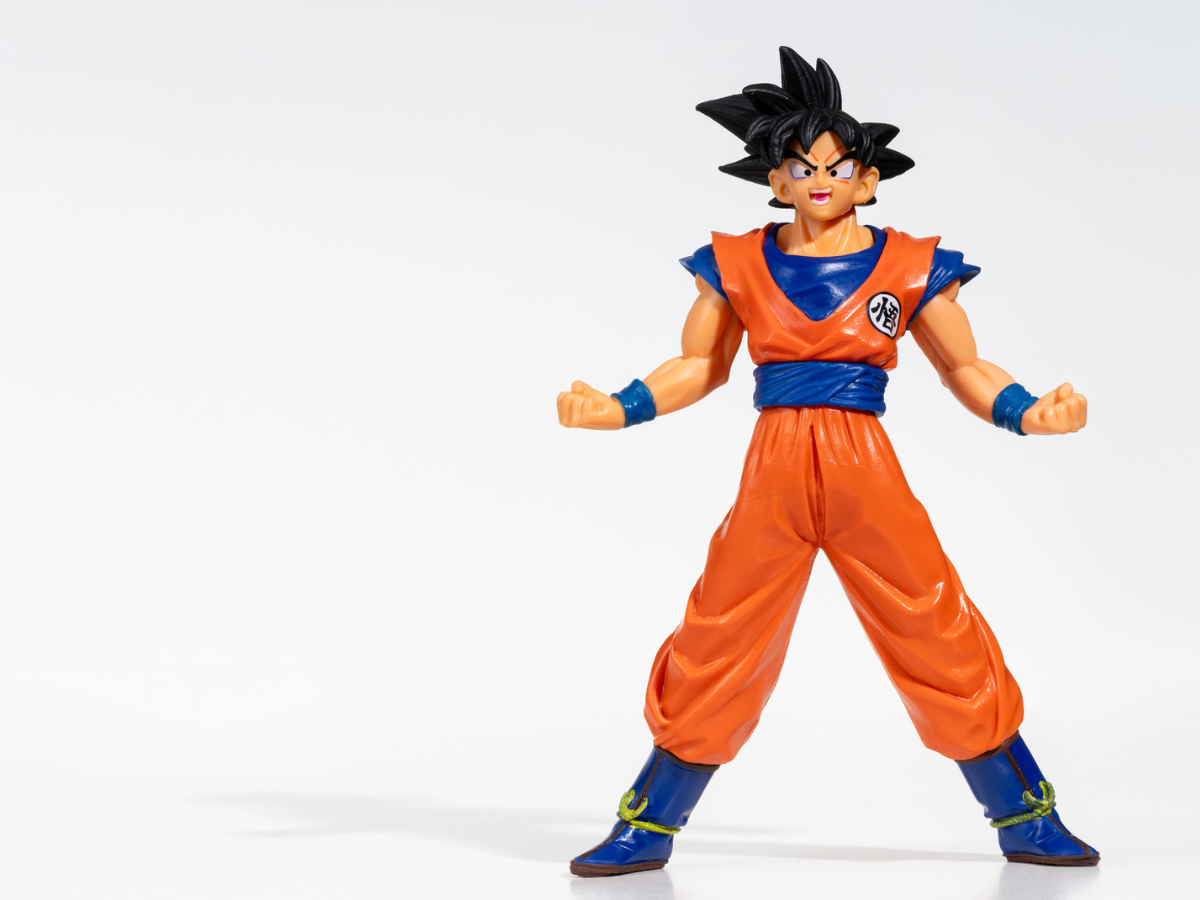
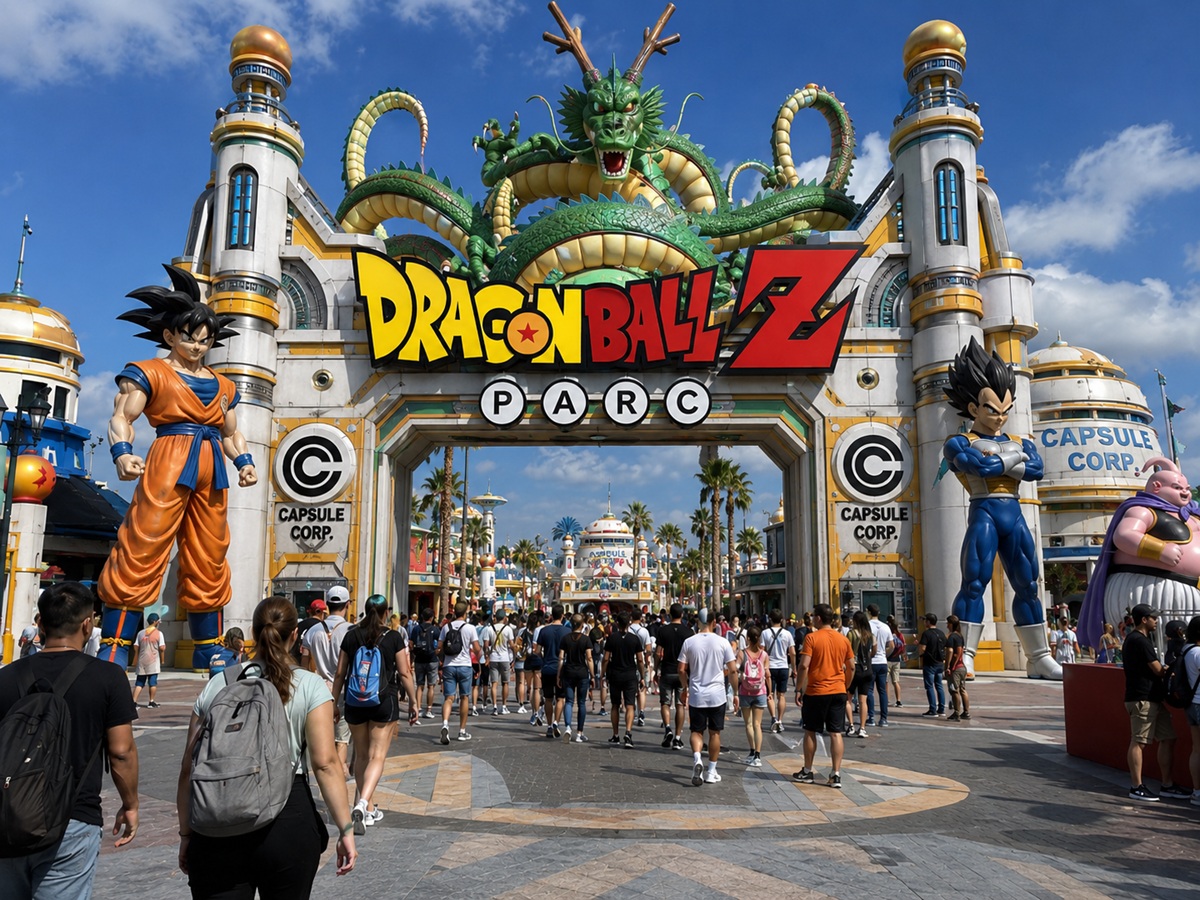
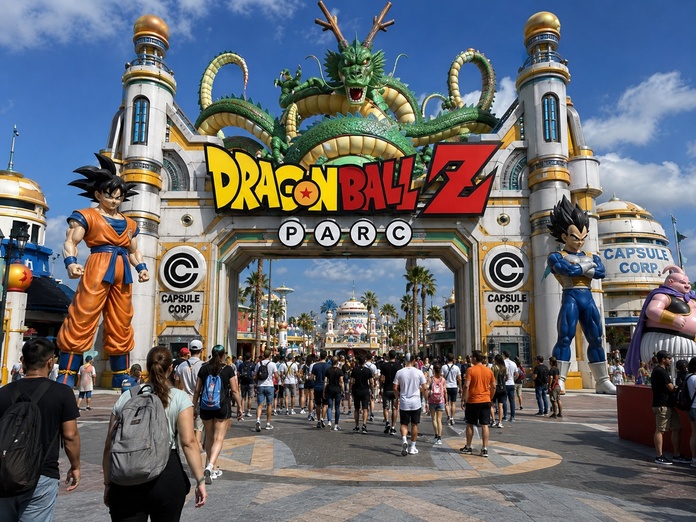
A Dragon Ball theme park in Val d’Oise soon?

According to 20 Minutes, the Dragon Ball park project has been under study for several months around the former Mirapolis site, in Courdimanche, in Val-d’Oise.

The Île-de-France Region has been working on this file for about 18 months, while discussions are ongoing with Qiddiya Investment Company, a subsidiary of the Saudi sovereign wealth fund Public Investment Fund (PIF).

TF1 Info reports that Valérie Pécresse confirmed on Monday, August 24 the existence of this project and indicated that the Region was now awaiting a possible signature. The president mentions a project that could be « of the scale of Disney ».


Dragon Ball Park: a project not yet official

The site of the former Mirapolis amusement park, closed in 1991, could thus regain a role in tourism and leisure. The proposed project would be devoted to the world of the Dragon Ball manga, but several elements still need to be clarified, notably its timeline, its financing, and the modalities of its realization.

According to TF1 Info, no definitive signature had yet been announced as of August 24. The project must in particular be discussed within the framework of exchanges between the French and Saudi authorities.

The Region is meanwhile working on the conditions that would allow hosting a tourist facility of this magnitude. The question of the site’s accessibility is among the issues identified around the former Mirapolis.

Three New Parks in France: Tourism Boom or Ecological Conflict? The Debate


L'annonce des 3 nouveaux parcs "acte de décès de la France comme 1ère destination mondiale du tourisme durable" selon Rémy Knafou - Visuel généré par l'IA

MSC Croisières


In recent years, and despite the success of Disneyland Paris, which has finally become profitable, France seemed to be losing ground in the appeal of theme parks.

Spain was equipping itself with a Puy du Fou, Germany was attracting a new Parc Astérix, while London rode the visibility of its Harry Potter park by announcing the creation of an Universal Studios by 2031.

Then Emmanuel Macron received Mohammed bin Salman, known as MBS, this Monday, August 24, 2026.

The President of the Republic did not linger on arms contracts, preferring to unveil the signing of a “framework agreement” that validates Saudi Arabia’s investment of six billion euros in France, for the construction of three theme parks… in Île-de-France.

“If we are still the world’s leading tourist destination, it’s thanks to Disneyland Paris, otherwise that would no longer be the case.

Strengthening this power is extremely smart. It is all the more so because we are well positioned geographically, Paris is the only major European metropolis and we have a large portion of mobility infrastructure.

This will shine a new light on Paris, and that’s very good
“, remains optimistic Jean Viard, author of the book “The Book of Holidays… And What They Say About Us.”


“What would the headlines have been, if they had decided to invest in Spain ?”

And moreover, in Emmanuel Macron’s own words, cited by Libération, we are living a moment “without precedent, unlike anything since Disneyland Paris“.

On the other hand, a senior civil servant with a deep knowledge of tourism tempers the president’s enthusiasm a bit.

“Between the political announcement, with the 6 billion euros and the three parks, and what will actually happen, there could be a gap. The projects will be refined; it is a long process.

After that, we are still dealing with dimensions that are at least spectacular.

I understand investors, because profitability, image and prestige are in Paris, but this will concentrate tourism in a large region, Île-de-France, even if it radiates to Hauts-de-France“, says he.

According to this very knowledgeable industry insider, the first whispers began circulating at the top about a year ago.

So this announcement would not be smoke and mirrors, but a real project.

Moreover, Saudi Arabia is investing in France, but our country will continue to participate in the Kingdom’s development.

Alongside the discussions between the two leaders, the French Agency for the Development of AlUla (AFALULA), chaired by Jean-Yves Le Drian, saw its contract extended to 2035 to continue building this new world destination. Soft power would thus be bilateral.

“I do not want to minimize the French government’s action in the ongoing search for investors, but this file is essentially led and pushed by the Saudis.

The Saudis have identified France as a priority country to invest in tourism and everything around culture, soft power, etc.

Contrary to what is said, France remains very attractive to investors.

Imagine what our discussion would have been like, and what the headlines would have been if they had decided to invest in Spain? It is still a positive point that they are considering investing here rather than elsewhere
“, continues this person, who preferred to remain anonymous.


“The death certificate of France as the world’s leading destination for sustainable tourism”

Despite these endorsements, some voices rise against this still somewhat unclear project.

With the exception of the Dragon Ball Z park, which is expected to rise on the site of the ephemeral Mirapolis, closed only four years after its opening in 1991, nothing has leaked about the themes of the other sites.

“I believe more that this is a coup, taking advantage of an opportunity, rather than a proper policy. In any case, I see neither vision nor coherence, but only a willingness to do what can be done in the context we find ourselves in.

On the one hand, we do not really have a tourism policy, if the words have any meaning; on the other hand, everything happens as if climate warming did not exist.

This is a decision that could have been justified in the 20th century]i”, laments Rémy Knafou, geographer and author of the book “Hypertourism, Tourism Tested by Its Excess”.

This announcement naturally raises questions about its funding by a state not really respecting human rights overall, nor freedom of the press.

To read: Emmanuel Macron: “Become the first sustainable destination by 2030”

Moreover, this project runs counter to French aspirations, reaffirmed by Serge Papin, to make France the world’s leading sustainable destination. An accolade whose measurement remains unknown, even as our country seeks ever more international travelers.

“Thus, this is the official death certificate of the declared will to make France the world’s leading destination for sustainable tourism, because there are contradictions that cannot be hoped to overcome.

While I can understand that, given the budgetary situation we are in, one is not picky about the available solutions.

But then, we must stop banging on about sustainable tourism and admit that tourism is, for the State, merely a tool to rebalance the balance of payments and a crutch to compensate for macroeconomic policy mistakes“, denounces him.


“As soon as there are grand projects, everyone says they should not be done”, according to Jean Viard

These remarks align with those of Jean Pinard and many other players in institutional tourism.

For reminder, last year the Paris Île-de-France destination drew nearly 50 million visitors, including 23 million international visitors, out of the 102 million welcomed in France.

“On the subject of financing these parks and given the very limited means of the French State, it would be better to put them into hospitals, schools, research, thus into the essential missions of the State.

It must be clear, we would have dreamed of a structural project for our regions.

There exists, moreover, a point in favor of this investment: building on the Mirapolis site, which collapsed 35 years ago.

It is fallow. There is a need to awaken this place, which could be structuring for Val-d’Oise and northern Paris, but also for Hauts-de-France, I insist“”, this senior official asserts positively.

For Jean Viard, even more enthusiastic, it is important to celebrate these announcements.

Already, at the Aix-en-Provence Economic Meetings, the sociologist had drawn the audience’s attention, notably the many political leaders present, to the indispensable reinchantment of our future, in order to make it desirable and to give hope to the younger generations.

While the media regularly discuss a possible war with Russia, a global economic crisis, France’s decline or even AI that could replace many jobs, this announcement appears as a breath of fresh air.

“The great danger in France is that whenever there are grand projects, everyone says not to do them, for various reasons. The project will create many jobs, it will reuse a site that collapsed, this is sustainable tourism development.

We cannot live without pleasure, and a society lives around these moments of pleasure. Without that, it collapses. After that, we can try to ensure they have less environmental impact, or at least different kinds of impacts.

Then the previous big park is none other than Euro Disney, which, with modern technology, valorizes European tales of the 18th and 19th centuries. With Dragon Ball Z, we are in modernity, with a newer theme.

These are places of the future


“Competition with Disney and Astérix is a sensitive point”

The stubborn Gaul is also the first to praise amusement parks, whether in the Île-de-France region or beyond.

Are we moving toward a standardized tourism industry?

“The center of social bonding has shifted from work to leisure time. So, in a century, we have invented a whole range of activities, such as amusement parks. What draws people to these places is a complete product, family-friendly, that speaks to both parents and children. You can sleep there and eat there.

Moreover, these are safe places; that’s what is sold, a bit like holiday villages.

This will also help increase tourist revenues. The problem in France is that we have not managed to create activity around tourism. Americans have very few tourists, but it brings in twice as much money as ours.

We have not managed to modernize our facilities since the creation of ski and seaside resorts. We must shake all this up, even if it means with foreign capital“, analyzes Jean Viard.

Moreover, for the sociologist, this type of investment should also help bring cultures closer, offer greater openness to Saudi Arabia and, who knows, one day fight climate change, because it will be everyone’s business.

While we await that miracle, the construction of three new parks, in the direct orbit of Disneyland Paris and Parc Astérix, raises questions for Dominique Hummel, former president of Futuroscope.

“The question of competition with Disney and Astérix is one of the sensitive points.

The project is evidently aimed at several million annual visitors. Certainly, the chosen positioning will likely target new audiences, grow the global market, and boost the attractiveness of the Île-de-France area.

Parks operate in an offer-driven economy! But there will also be cannibalization. And among the success factors, accessibility finally matters“, concludes the former executive of the Compagnie des Alpes.


France: Mountains Draw Tourists in Search of Cooler Weather


La montagne française affiche un taux d’occupation de 65,8 % durant l’été 2026.    DepositPhotos.com/Elenarts

MSC Croisières


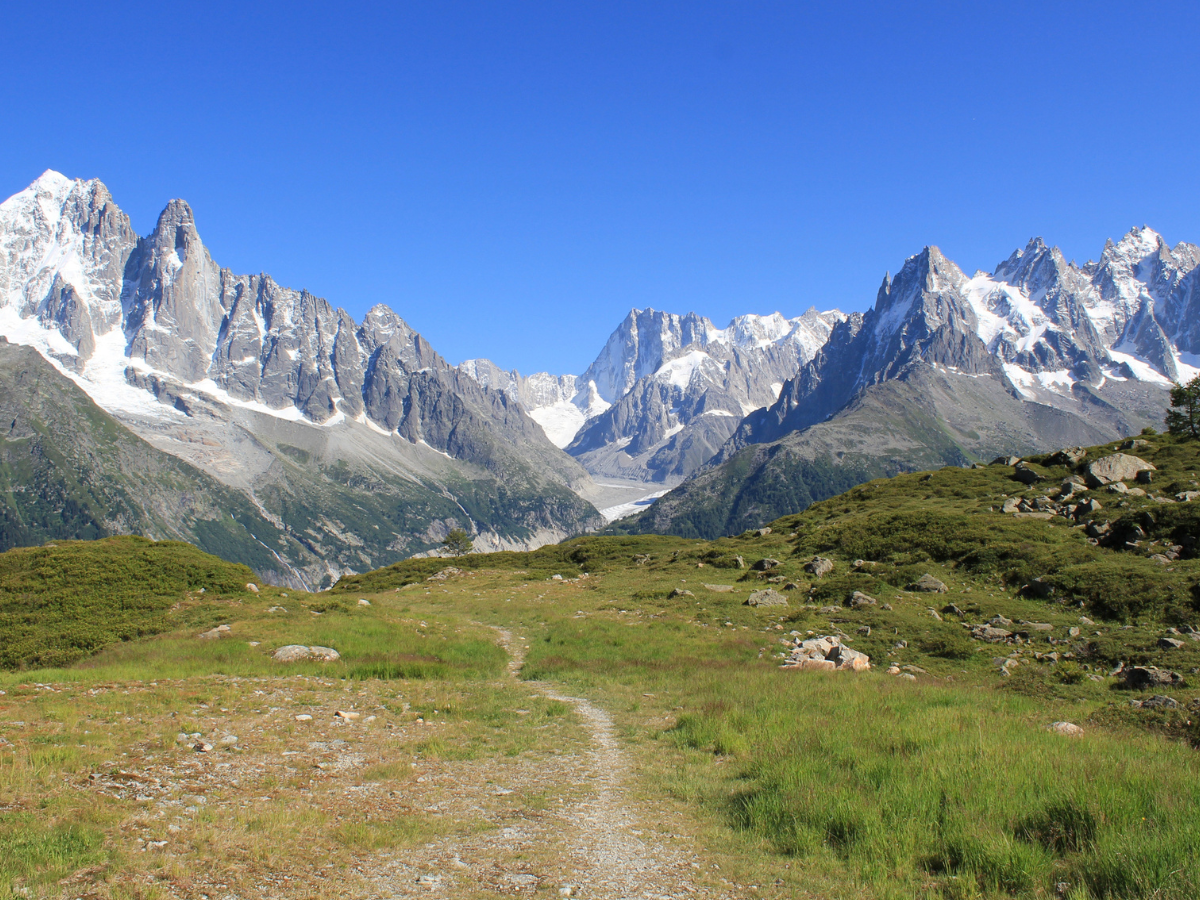
According to the National Association of Mountain Resort Mayors (ANMSM), the French mountains recorded an occupancy rate of 65.8% for the summer season of 2026, a rise of 2.5 percentage points compared to summer 2025 and 5 percentage points compared to 2024.

The dynamics pertain especially to the two main months of the season, with 63.3% occupancy in July, up 3.6%, and 72% in August, up 1.1%.

The peak attendance was reached during the week of August 8, with an occupancy rate of 80.7%.


“The mountains are becoming a major tourist destination” according to Serge Papin

Beyond heat episodes, the ANMSM highlights the diversification of the resorts’ offerings, spanning sports, cultural and family activities, as well as hosting major events, such as stages of the Tour de France, festivals or competitions.

Holiday villages show a 3.3-point increase to 68.4%, while real estate agencies reach 50.6%, i.e. +3.5 points. The tourist residences, at 74.1%, and the hotels, at 67.9%, remain more stable.

In terms of mountain ranges, the Pyrenees register the strongest growth, with 69.8% occupancy, i.e. +4%. The Northern Alps reach 64.6%, up 2.3%, and the Southern Alps 66.8%, up 1.2%.

The French clientele accounts for 81.72% of holidaymakers. International visitors account for 18.28%, with the Dutch leading at 26%, ahead of the Belgians at 25%, and the British at 13%.

These figures complement those announced by Serge Papin.

The Minister of Commerce and Tourism was a guest on TF1, on Tuesday, August 25. He stated that France should “have a good season“, at least as good as, or better than, 2025.

“The mountains are becoming a major tourist destination“, he asserted, revealing that attendance there rose by 12% in July and 16% in August.

Tourism in France: Heatwaves, Foreign Tourists, and Purchasing Power


Didier Arino sur le bilan de l'été du tourisme en France : "Sans le relais des clientèles étrangères, la situation aurait été très mauvaise. Au final, franchement, nous sommes dans le haut de la fourchette de ce que nous avions envisagé dans nos simulations" - Photo Protourisme

MSC Croisières


TourMaG – We had spoken before the summer season, the economic context and the war in Ukraine suggested a difficult summer. On the eve of the return to school, what is tourism in France really like?

Didier Arino : If we look at the broad aggregates, the good news this year is that there were more foreigners visiting France, especially distant markets: Americans, Canadians, and Mexicans. Not more Brazilians, by the way, and I’m not sure why, nor Indians.

However, we welcomed more Koreans and Japanese. We also saw more Europeans: more Germans, Swiss, Dutch, and Belgians. For the British, I can’t give a clear read, as responses are quite mixed. They opted for destinations closer to home, along the Opal Coast, in Normandy… whereas in the South they were fewer.

An increased presence of Europeans and distant foreigners is good news for French tourism. There were also some French people who had planned to travel abroad but ended up staying in France. They contributed positively to French tourism this summer: we estimate them at roughly 700,000 to 800,000. This shows up in the drop in departures from travel agencies, even though agencies don’t represent the majority of travelers. There were also fewer French people traveling abroad, including those who organized trips themselves.

These French travelers helped cushion, to some extent, the drop in vacation departure intentions.


“The heatwave gave a boost to last-minute bookings”

TourMaG – Weather was at the center of headlines, with the heatwaves in particular. What role did it play in French decision-making?

Didier Arino : The heatwave actually had a boosting effect, contrary to what one might assume. It notably stimulated last-minute bookings, from people who hadn’t planned to depart and decided to go later. This concerns especially those with fewer constraints related to school holidays or peak periods, and who could no longer stand staying in cities.

This last-minute clientele was beneficial. It fed the coast, of course, but it also helped recover some of the delays seen in destinations like the Massif Central and accelerated mountain bookings.

We thus observed a good spread of flows across different space types, though there were clear losers: dry, waterless destinations that suffered during the heatwaves. Rural France, hot arid countryside, the results are more worrisome.

Destinations where cycling or nature activities in plains are popular took a hit, particularly in July. Canoe rental, houseboats, the itinerant cycling sector, and outdoor visiting sites all suffered substantially.

The heatwave and tighter purchasing power also impacted dining: roughly 60% of restaurateurs reported a downturn. This translated into stores that didn’t perform well and activity providers that faced difficulties.

TourMaG – Paris was particularly hit by the heatwave this summer; did this affect attendance?

Didier Arino : Regarding urban tourism, Paris is a special case because the capital relies heavily on international clientele. Paris fared relatively well.


Nouvelle-Aquitaine and Occitanie: two major regions with a lot of weight that are lagging

TourMaG – Did vacationers flee the South as some say because of this heatwave?

Didier Arino : On the Côte d’Azur, Nice fared very well, with a strong rise in foreign clientele. Marseille also performed very well in terms of bookings. When I hear that people fled the South, I react! No, they did not flee the South; they fled the heatwave.

In the South, there are also areas like the Pyrenees. To my knowledge, the Pyrenees are in the South, and they recorded very good bookings compared to previous years and to the average.

Of course, the coastal stations of the Pyrénées-Orientales and especially the interior territories were impacted. Occitanie was affected, as was Hérault. But some resorts held up well, such as La Grande-Motte, for example.

Two large regions with substantial weight are lagging: Nouvelle-Aquitaine and Occitanie. And when Normandy rises by 5%, that isn’t enough to offset the declines recorded in Nouvelle-Aquitaine and Occitanie, which weigh more heavily. I don’t yet know what the final figures will look like.

TourMaG – If we look at accommodation categories, is the overall picture uniform?

Didier Arino : In terms of overnight stays, they are down in the rental sector. Why? Because these are customers who ended up traveling less. The drop in overnight stays stems from people whose purchasing power is constrained: when people travel shorter durations and there are fewer travelers, it rarely translates into more nights.

For camping, it will be roughly stable, especially thanks to foreign visitors. This assessment isn’t final yet since September remains, but we should be moving toward a fairly stable trend, perhaps with fewer French and more foreigners. As for consumption, campsites saw higher demand for bare pitches rather than mobil homes.

Hotels, on the other hand, performed fairly well, boosted by growing foreign clientele, but also because a portion of French people who did not travel abroad chose hotels. Those with greater purchasing power are more likely to stay in hotels.

Finally, the situation is more varied for some holiday villages and certain tourist residences. It depends on the establishment, but we aren’t seeing a dramatic surge either.

To summarize, tourist accommodation will have a decent summer, even better than feared: the number of overnight stays is expected to fall around -2% in July-August, which isn’t dramatic. We’ve managed to limit the damage.

With a slightly smaller audience, it could indeed have been a catastrophe. Without the support of foreign clientele, the situation would have been very bad. In the end, frankly, we are at the high end of what we had anticipated in our simulations. We are at the maximum of what could be imagined, even if it is not thriving for sure.


“The sociology of tourism inevitably evolves things”

TourMaG – And what about the mountains, which seem to have stood out, with travelers seeking coolness…

Didier Arino : Since the Covid period, mountains are on the rise again, and that’s a good thing. You can see it by visiting mountain resorts. But it depends on which mountains we’re talking about. Mountains with lakes, places that offer more freshness, have indeed performed well. It has been a good season for the mountains, which also benefited from an uptick in foreign attendance.

Regarding the quest for freshness, it’s important to recall that summer vacationers primarily seek sun, warmth—not extreme heat—and water.

When it rains, vacationers don’t think: “Fantastic, it’s cool and it’s raining!” That’s a construct of some journalists!

TourMaG – Is traveler behavior evolving?

Didier Arino : The sociology of tourism inevitably reshapes things. We are seeing fewer families and more seniors. About half of vacationers today are over 50. Retirees, for instance, keep their grandchildren and can travel at times other than July and August.

The peak season concerns only the 15 days of August when companies are closed. But in July, vacationers know they can easily find space and pay less. This year, due to purchasing power constraints, there was a kind of cat-and-mouse game, a yo-yo effect: I book, I cancel, I find a good deal, or I fear bad weather…


Auvergne-Rhône-Alpes: Mountains and International Partners Back Summer 2026


La montagne et les clientèles étrangères soutiennent l’activité touristique en Auvergne-Rhône-Alpes durant l’été 2026.   DepositPhotos.com/florentmartin

MSC Croisières


The tourist activity in Auvergne-Rhône-Alpes generally held up this summer, with 56 % of professionals who estimate attendance stable or rising compared with 2025.

The regional clientele has notably progressed, representing 39 % of attendance, while foreign markets remain a pillar of activity.

Professionals nevertheless note spending trade-offs, visitors prioritizing accommodation more than activities and dining.


La montagne profite de l’effet fraîcheur

The mountains confirm their attractiveness, with 65 % of station professionals satisfied with the season.

The image of the destination as a “refuge” in the face of heat waves has notably been cited by 56 % of them as a motor for activity.

The nature-based activities remain highly favored: hiking and walking lead the way (56 %), ahead of cycling (37 %) and water-related activities (36 %).

Demand for **more sustainable mobility** is also rising, notably for charging stations (+9 points).


Les clientèles étrangères restent dynamiques

The international clientele accounts for 26 % of attendance and helps sustain activity. Professionals notably observe a rise in Swiss and German clientele, while long-haul markets, including the United States and Canada, are also progressing.

In the face of budget constraints, 65 % of professionals have kept their prices and 16 % have reduced them. Last-minute bookings now represent 30 % of summer activity for accommodations.

For the rentrée, professionals remain cautious but relatively confident: 61 % anticipate attendance stable or rising in September, while 55 % share this view for the Toussaint holidays.

Airbnb: French Prefer English Channel Coasts and Mountains This Summer


Villers-sur-Mer arrive en tête des destinations françaises enregistrant les plus fortes progressions de recherches sur Airbnb cet été.  Depositphotos.com/nupix

MSC Croisières


The French have prioritized nearby destinations this summer.

According to Airbnb, searches were notably concentrated on the coastal towns of the Manche, with five destinations among those showing the strongest increases: Villers-sur-Mer (+45 %), Cherbourg-en-Cotentin (+34 %), Saint-Valery-sur-Somme (+31 %), Le Crotoy (+30 %) and Le Tréport (+25 %).


The Northern Coastline Appeals

The ranking is led by Villers-sur-Mer, ahead of Collioure (+39 %) and Saint-Hilaire-de-Riez (+36 %). Benodet (+35 %) and Cherbourg-en-Cotentin round out the top of the table, while Perros-Guirec (+29 %) and Noirmoutier-en-l’Île (+26 %) also feature among the most searched destinations.

This rise in northern coastal destinations comes during a summer marked by several heatwaves. Airbnb highlights the appeal of these territories for their natural spaces and a climate perceived as milder.


The Mountains Continue to Grow in Popularity

Rural areas account for 64% of bookings made in France on Airbnb. The mountain region is also gaining traction: the volume of searches for Le Bourg-d’Oisans has notably more than doubled. Huez, Les Gets, Chambon-sur-Lac and Samoëns are also among the mountain destinations favored by users.

Another takeaway: the French prefer relatively close destinations, with stays averaging less than 350 km from home. For Clément Eulry, director of Airbnb France, this shift reflects a desire to explore a broader palette of destinations beyond the main tourist hubs.