

The Pioneer Forum 2026, designed by Travel Insight, Travel Evasion, and ESCAET, with the support of the Egyptian Ministry of Tourism and Antiquities and local teams, will undoubtedly remain a rewarding professional experience.
Bringing together more than 130 leaders from the French tourism sector in a country as fascinating as it is intricate was a true challenge.
Hotels, ships, guides, conferences, networking, logistics, and more—all contributed to making that week an exceptional experience.
Yet sometimes, it is precisely the most beautiful experiences that move us.
Not because they are flawless. Because they compel us to see things differently.
Bringing together more than 130 leaders from the French tourism sector in a country as fascinating as it is intricate was a true challenge.
Hotels, ships, guides, conferences, networking, logistics, and more—all contributed to making that week an exceptional experience.
Yet sometimes, it is precisely the most beautiful experiences that move us.
Not because they are flawless. Because they compel us to see things differently.
Leaving a memory… or a distortion?
 I remember a suspended moment. I was swimming alone in the Nile, protected by a benevolent pioneer.
I had moved away from the shore. The noise faded away gradually. Before me, the river resumed its silent majesty. Behind me, life carried on.
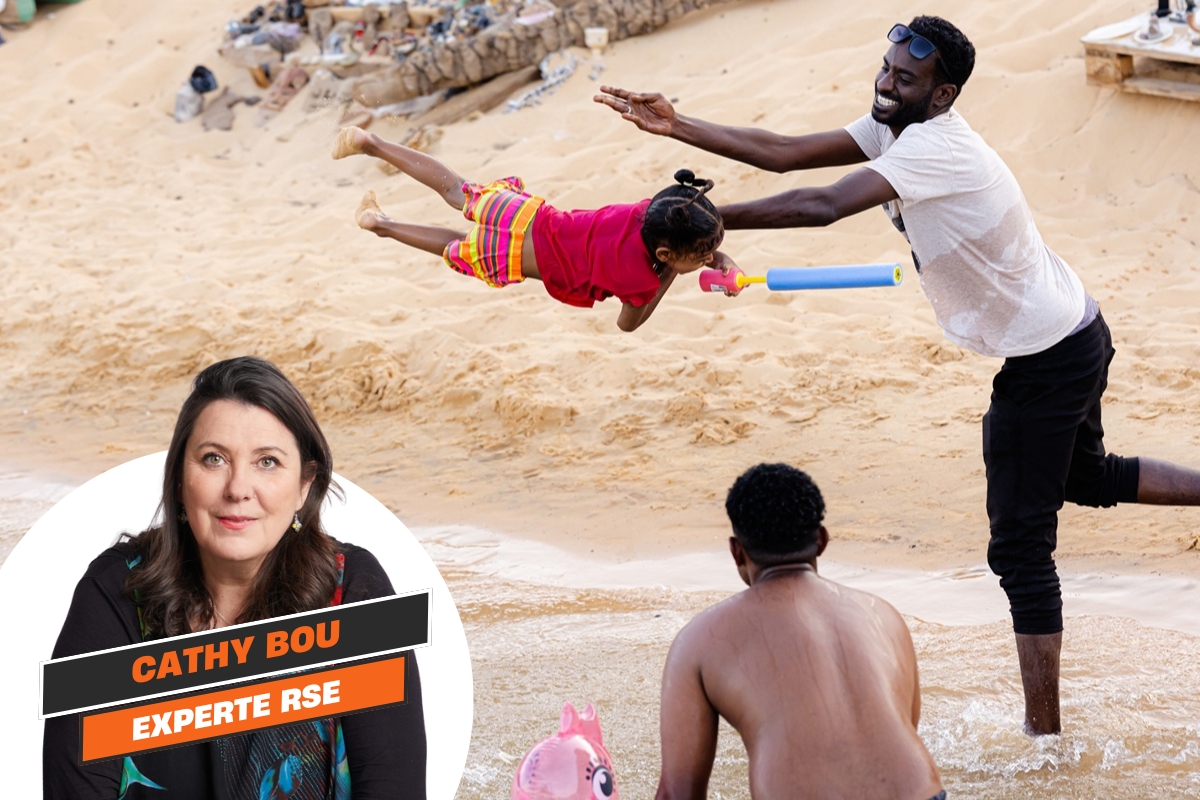
Nubian families were enjoying that summer day. Pioneers laughed with inflatable rings and plastic water pistols. Three participants chose to explore the desert on camelback. Others preferred to climb the dunes on foot, simply to see what lay beyond the horizon.
As we left, the toys were left for the children. In the moment, everything seemed generous.
Then a question surfaced.
Were we leaving a memory… or a distortion?
Incorporating life into decision-making
A few hours later, another scene fed this reflection.
During the White Evening, everyone received a string of lights. One was handed to me. I declined it. I offered no explanation. I did not need to.
The look on the person offering it, as well as that of my neighbor, told me the message had landed. Later, back on the boat, some people hung their garlands above the Nile. One of them fell into the river.
A simple garland. One more drop.
I then asked myself: at what moment does a “fairy drop” become the drop too many?
That was when I felt misaligned. Not with the organizers. With myself. Because I understood that my work is no longer merely about supporting CSR approaches.
My work is to bring living beings into the room where decisions are made.
During the White Evening, everyone received a string of lights. One was handed to me. I declined it. I offered no explanation. I did not need to.
The look on the person offering it, as well as that of my neighbor, told me the message had landed. Later, back on the boat, some people hung their garlands above the Nile. One of them fell into the river.
A simple garland. One more drop.
I then asked myself: at what moment does a “fairy drop” become the drop too many?
That was when I felt misaligned. Not with the organizers. With myself. Because I understood that my work is no longer merely about supporting CSR approaches.
My work is to bring living beings into the room where decisions are made.
A sum of small gestures that prompt reflection
Throughout the journey, I paid attention to the details.
An air conditioner blasting at 17°C in a corridor wide open to the outdoors while the thermometer hovered near 40°C. Not only a needless energy expense, but above all a health risk for people constantly shifting from one thermal shock to another.
Partially consumed water bottles and discarded empties. Tote bags distributed but rarely used for local purchases.
Camel-back excursions offered almost instinctively to live a child’s dream, even as animal-welfare concerns become central for a new generation of travelers, a nightmare for adults.
Taken individually, none of these details seems grave. Together, they tell a story. They reveal our way of deciding.
An air conditioner blasting at 17°C in a corridor wide open to the outdoors while the thermometer hovered near 40°C. Not only a needless energy expense, but above all a health risk for people constantly shifting from one thermal shock to another.
Partially consumed water bottles and discarded empties. Tote bags distributed but rarely used for local purchases.
Camel-back excursions offered almost instinctively to live a child’s dream, even as animal-welfare concerns become central for a new generation of travelers, a nightmare for adults.
Taken individually, none of these details seems grave. Together, they tell a story. They reveal our way of deciding.
A single question to transform a decision
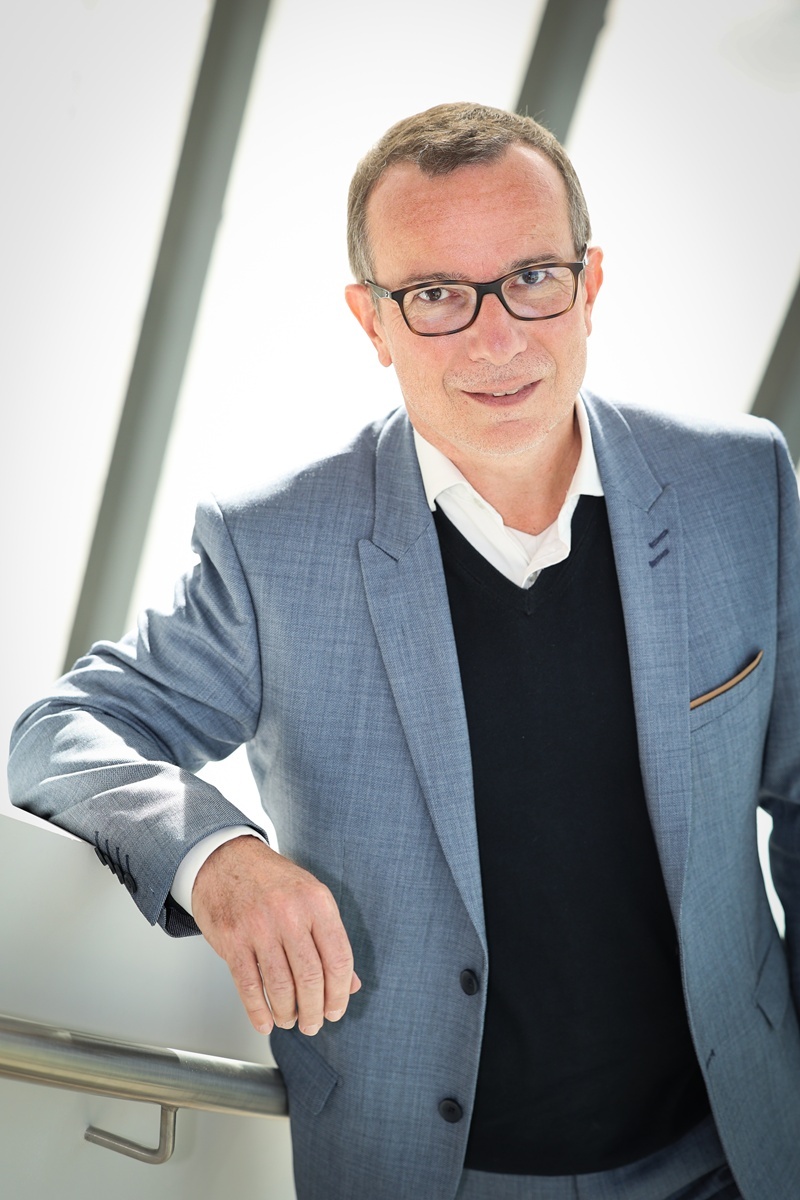
About Cathy Bou

Cathy Bou’s career is that of a professional who grew up alongside tourism.
She joined Thomas Cook as an intern at a travel agency in Arcachon, where she built a rich and evolving career for almost twenty-five years.
From travel agent to head of customer relations in the Île-de-France region, she explored the industry in all its facets: distribution, customer relations, managing sensitive situations, leadership, change management, and the early challenges of sustainable development.
Driven by a thirst to learn and to share, she decided in 2015 to reinvent herself and earned a Master in Management of Corporate Social Responsibility (CSR) at CNAM. This training marked a decisive turning point: applying her tourism expertise to sustainable transformation.
She subsequently founded Agapè, a consulting firm focused on responsible strategy. Since then, she has guided companies, travel agencies, tour operators, event organizers, and health sector players in building models that balance economic performance, environmental responsibility, and social impact.
Her path has led her to speak at major international events such as COP21, the G7 in Biarritz, the BIG expo by Bpifrance, and the IUCN World Conservation Congress, as well as to work with public institutions, large corporations, and leading organizations, including the Curie Institute.
Nothing in her background predestined her to this trajectory. It is precisely this practitioner’s viewpoint, forged by on-the-ground experience as much as strategic reflection, that now informs her analyses.
Through her columns in TourMaG, she advocates a conviction: the tourism of tomorrow will be built by reconciling the health of businesses, the health of people, and the health of living beings.
She joined Thomas Cook as an intern at a travel agency in Arcachon, where she built a rich and evolving career for almost twenty-five years.
From travel agent to head of customer relations in the Île-de-France region, she explored the industry in all its facets: distribution, customer relations, managing sensitive situations, leadership, change management, and the early challenges of sustainable development.
Driven by a thirst to learn and to share, she decided in 2015 to reinvent herself and earned a Master in Management of Corporate Social Responsibility (CSR) at CNAM. This training marked a decisive turning point: applying her tourism expertise to sustainable transformation.
She subsequently founded Agapè, a consulting firm focused on responsible strategy. Since then, she has guided companies, travel agencies, tour operators, event organizers, and health sector players in building models that balance economic performance, environmental responsibility, and social impact.
Her path has led her to speak at major international events such as COP21, the G7 in Biarritz, the BIG expo by Bpifrance, and the IUCN World Conservation Congress, as well as to work with public institutions, large corporations, and leading organizations, including the Curie Institute.
Nothing in her background predestined her to this trajectory. It is precisely this practitioner’s viewpoint, forged by on-the-ground experience as much as strategic reflection, that now informs her analyses.
Through her columns in TourMaG, she advocates a conviction: the tourism of tomorrow will be built by reconciling the health of businesses, the health of people, and the health of living beings.
About Agapè
Agapè is a consulting firm specializing in responsible strategy that supports organizations in their transformation, certification, environmental assessment, and capability-building initiatives.
The firm primarily operates in the realms of tourism, events, and health, with a strong belief: responsible performance arises from balancing economic, human, environmental, and governance dimensions.
It also rests on leaders’ ability to understand complexity, make informed decisions, and act with consistency.
Through its advisory, audit, training missions and the development of digital solutions, Agapè helps organizations turn their responsible commitments into real drivers of performance, resilience, and the preservation of living beings.
More than a consulting firm, Agapè develops an ecosystem of methods, tools, and training designed to accompany decision-makers in the transitions shaping the world of tomorrow.
The firm primarily operates in the realms of tourism, events, and health, with a strong belief: responsible performance arises from balancing economic, human, environmental, and governance dimensions.
It also rests on leaders’ ability to understand complexity, make informed decisions, and act with consistency.
Through its advisory, audit, training missions and the development of digital solutions, Agapè helps organizations turn their responsible commitments into real drivers of performance, resilience, and the preservation of living beings.
More than a consulting firm, Agapè develops an ecosystem of methods, tools, and training designed to accompany decision-makers in the transitions shaping the world of tomorrow.