Are Extreme Travel Experiences the New Social Media Trend?

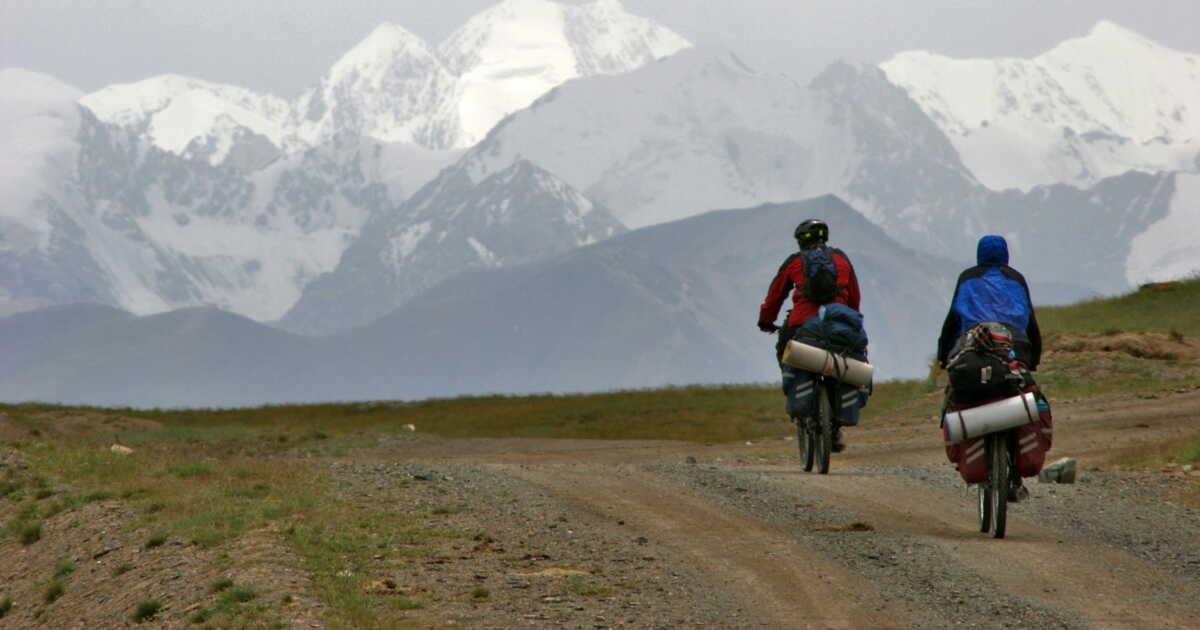
Crossing Iran by bike, hitchhiking across South America, or linking Russia and Portugal by running… Social networks are now filled with content creators sharing their extraordinary travel projects. Among them is Ian Andersen, an American who crossed the Iranian border by bicycle as part of a 16,000-kilometer journey from Portugal to Japan. In June 2025, the young man shares videos of his crossing in a country that the United States does not recommend traveling to.

On June 13, Israeli strikes against Iranian sites upended his itinerary. The cyclist found himself alone, his guide no longer able to guarantee his safety, and he eventually left the country via Azerbaijan with the help of an assistance program. “I knew the risks and I still went,” he told the New York Times, which looked at the dangers of the popularization of these extreme travelers.

@ridewithian

Huge thanks to my friend @lavenam for helping me get an Azerbaijani visa—and to the U.S. Embassy in Baku for the emergency green light to enter the country. I’m out, and truly grateful for all your prayers, messages, and support. It’s an honor to have you following this journey and caring about my wellbeing out here in the Middle East. The most harrowing part of the day was the exit interviews with Iranian officials at the border. No footage of that (for obvious reasons) but I’ll write more about it soon on Substack if you’re curious. And finally, to my Iranian guide Reza—there’s no one I’d rather have had by my side. I’m out—but the conflict is just beginning. I’ll be keeping normal Iranians and Israelis in my thoughts. Especially the younger generation of Iran, who keep paying the price for decisions made by their fathers and grandfathers. There’s a phrase in Persian that roughly means: “the forgotten generation.” That feels true. The journey continues soon. Thank you again. -Ian Fast facts: Total distance: ~10,000 miles (16,000 km) Key gear: stove, tent, patch kit, cigs Today’s distance ridden: 0 miles (0 km) Total distance ridden: 4,328 miles (6,980 km) Currently in: Astara, Azerbaijan

♬ original sound – Ian Andersen – Ian Andersen

Bold travelers despite warnings from their governments

For safety experts, these expeditions pose dangers that go beyond adventure sports. In some countries, travelers also expose themselves to risks of arbitrary arrest, surveillance, searches of their electronic devices, or espionage charges. Medical evacuation, when possible, can cost hundreds of thousands of euros. For certain parts of the world, the United States even goes so far as to advise travelers to provide a DNA sample, or even to draft a will.

Yet these warnings do not seem to deter some travelers questioned by our American counterparts. Some argue that official advisories reflect primarily a government approach to safety and that simply respecting the laws and the locals is enough to limit risks. They also stress that they obtained the necessary visas before departure.

A travel trend that glosses over reality

Authorities, however, remind that a positive testimonial on social media never guarantees safety. “Alert levels reflect real cases. We work with the families of people arbitrarily detained. It can break lives”, remarks a spokesperson for the U.S. State Department. The main issue lies not only in the adventure itself, but in the image it projects on social media. According to neuroscientist Jay Van Bavel, internet users eventually identify with the creator.

They then feel that this type of journey seems more accessible than it really is. American authorities thus remind that travel advisories are based on real situations and not on hypothetical scenarios. They warn against the lure of trusting accounts from content creators claiming that “everything went smoothly”, while their services sometimes have very limited means to intervene in countries rated at the maximum alert level.


IFTM: Launch of ‘Escales Littéraires’, the First Travel Bookstore

IFTM : lancement des "Escales Littéraires", la première librairie du voyage

CroisiEurope


For its grand edition in 2026, the leading professional trade show IFTM adds a new cultural event: Les Escales Littéraires.

Installed on a stand of about forty square meters, fully scenographed, this new attraction hub will bring together the best of travel-related publishing, tourism, fiction, and human adventure.

Born from the desire to celebrate writing in all its forms within the travel sector, the bookstore Les Escales Littéraires is structured around a partnership with Hachette Tourisme and a selection of authors divided into two main categories.

1) The tourism industry author professionals: whether self-published, published on demand, or by independent publishing houses, these familiar faces in the sector reveal their technical works, their essays or their fiction.

2) The flagship authors from Hachette Tourisme (influencers, stars, journalists…) : the minds behind the must-have guides will be present to decode new destinations and the finest travel experiences.

Bien plus qu’un simple espace de dédicaces, le stand des Escales Littéraires sera un véritable lieu d’échanges et de rencontres.

Throughout the three days, an integrated stage area will host the selected authors who will present and sign their works.

The schedule of these interventions will be relayed through the IFTM’s official communication channels and in the professional press.


ARE YOU AN AUTHOR? SUBMIT YOUR APPLICATION

If you are a tourism professional and an author of technical or fiction works and wish to participate in “Les Escales Littéraires,” please send your letter of intent to Jean da Luz-Figueiredo, writer and host of Les Escales Littéraires.

Please include your contact details, a note about your works, and indicate the book(s) you authored, as well as their publication dates.

Contact : [email protected]

Tel. 06 60 71 35 75


How to Prevent Travel Fatigue at the Start of Your Vacation

Holidays are often associated with rest and recovery. Yet many travelers feel more fatigued upon arriving at their destination than before departure. This widely shared impression contrasts with the very aim of a trip meant to recharge the batteries. Sleep specialists have studied this phenomenon and explain why vacations do not always translate into immediate recovery. Indeed, holidays are supposed to allow recuperation, but they often begin in the worst possible conditions for the body…

A study conducted with 1,000 Britons reveals that 76% of them believe that travel disrupts their sleep. More than two in five acknowledge that fatigue affects at least their first day of vacation, while nearly 14% say they lose the first two days of their stay due to exhaustion. And even though the figures from this study were collected in the United Kingdom, the sleep mechanisms highlighted concern travelers just as much among French holidaymakers.

Holidays that begin with a sleep debt

According to data analyzed by Simba, a company specializing in sleep technologies, nearly 18% of Britons have already booked or plan to travel abroad this summer, meaning more than 23 million adults potentially affected by travel-related fatigue. For Lisa Artis, Deputy Chief Executive of The Sleep Charity, Simba’s partner, several factors accumulate even before arriving at the destination.

“The ‘holiday sleep hangover’ has become the hidden physical and mental cost of modern travel. Sleep disruptions usually start well before unpacking the suitcase and can continue long after you’ve unboxed your things”, she explains in a statement relayed by the Daily Mail. The expert notes that many travelers already depart with a sleep deficit. More than a quarter of respondents (26.1%) report sleeping less well than usual the night before departure, while 22.1% sleep three hours or fewer.

Nevertheless, 19.2% still book very early morning or late-night flights, while 17.6% land at their destination completely exhausted. Lisa Artis also warns against a common mistake before departure. “If you wake up at 3 a.m. to reach the airport after a restless night, you are asking your body to function with less recovery than usual. This sleep debt can follow you during the first days of your trip”, she explains. And she adds: “It can be tempting to try to optimize the night before departure by going to bed very early. But trying to fall asleep earlier by force can make falling asleep even harder. You end up checking the clock and feeling even more awake”.

These moments that prolong fatigue

Sleep deprivation does not end once you are on the plane. The study shows that 29.9% of respondents have trouble sleeping during the flight, especially when seats offer little legroom. Lisa Artis recommends preferring a window seat, ideally over the wings, where turbulence is generally less noticeable, while avoiding seats near bathrooms or galleys. Airport habits can also amplify the phenomenon. Nearly one traveler in five (19.4%) consumes alcohol before or during the journey.

The expert notes that “the higher the level of alcohol, the more dehydrating its effect”. She also points out that “spirits such as vodka, gin, rum or whiskey contain a much higher alcohol concentration than beverages like beer or wine. They can therefore contribute more to dehydration when consumed in large quantities”. To minimize this effect, she advises alternating alcoholic drinks with water throughout the journey.

Arrival at destination does not necessarily erase this fatigue. More than one Briton indeed reports rarely sleeping well on the first night in the hotel, particularly due to an unfamiliar environment. To ease adaptation, Lisa Artis recommends bringing a pillowcase from home, avoiding long afternoon naps, and quickly exposing oneself to natural light.

Finally, coming back from vacation can also be taxing… More than a quarter of participants (27.5%) report feeling the effects of this fatigue for at least two days after their return, while 18.3% say they are more exhausted during their first week back at work than before their departure. As Lisa Artis reminds us, “the goal isn’t perfection. It is about giving your body the best possible conditions to recover. Holidays should leave you rested, not make you feel you need another week to get over it”.

Carrefour Travel


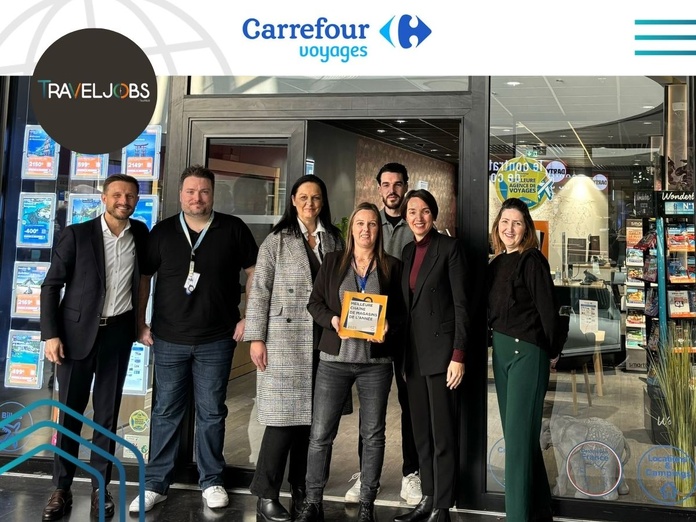
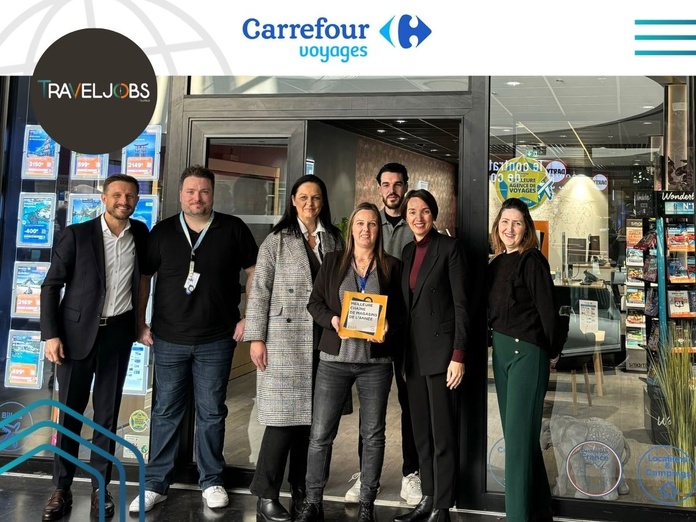
CARREFOUR VOYAGES

CroisiEurope


INORMATION GÉNÉRALES

Agences : Créteil, Carré-Sénart, Toulouse…

Langue : Français

Collaborateurs : > 1000

APPLY


VACANCIES

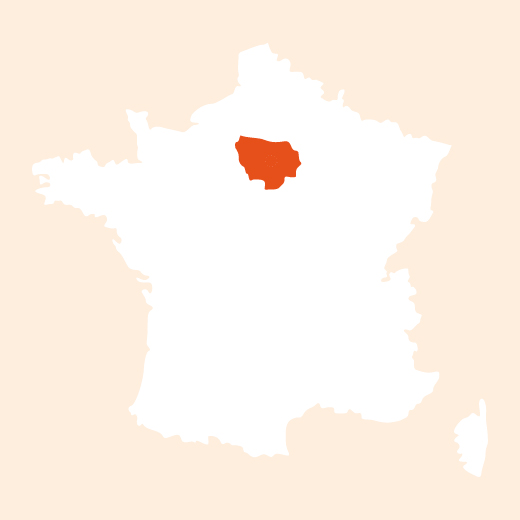
Paris – Île de France

Carte Paris - Ile de France

Voyage Advisor
• Permanent contract – Massy Hyper (91)
• Fixed-term contract – Massy (91)
Agency Manager
• Permanent contract – Noisy-le-Grand (93)
HR Officer
• Apprenticeship – Massy/Evry (91)

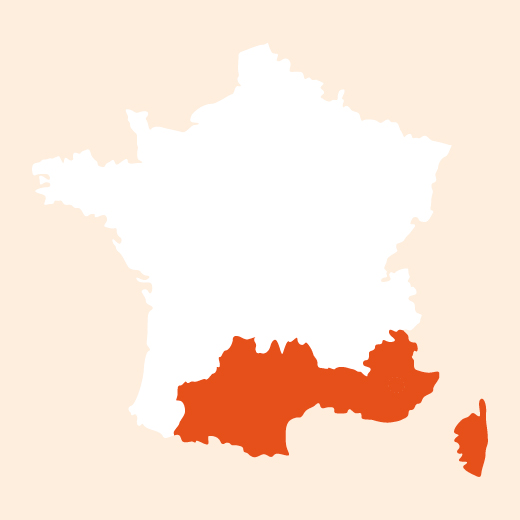
Grand Sud

Carte Grand Sud

Voyage Advisor
• Fixed-term contract – Antibes (06)
• Permanent contract – Toulouse Purpan (31)
Agency Manager
• Permanent contract – Antibes (06)

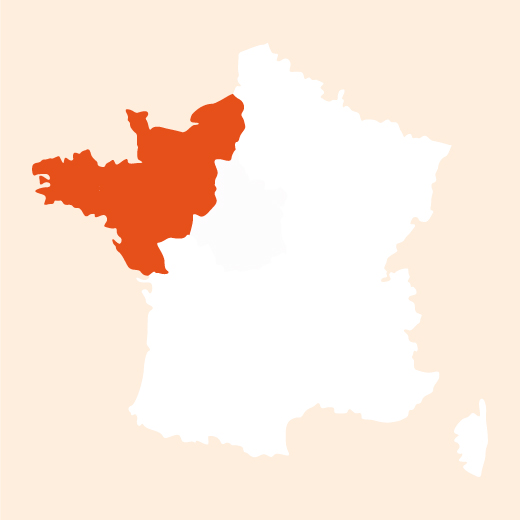
Grand Ouest

Carte Grand Ouest

Voyage Advisor
• Fixed-term contract – Vannes (56)
• Permanent contract – Nantes Beaulieu (44)

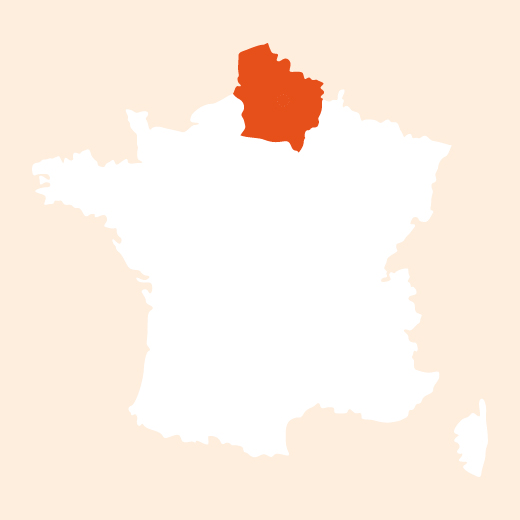
Nord

Carte Nord

Voyage Advisor
• Permanent contract – Chalon en Champagne (51)
• Permanent contract – Mont Saint Aignan (76)
• Permanent contract – St Brice (77)
• Fixed-term contract – Barentin (76)

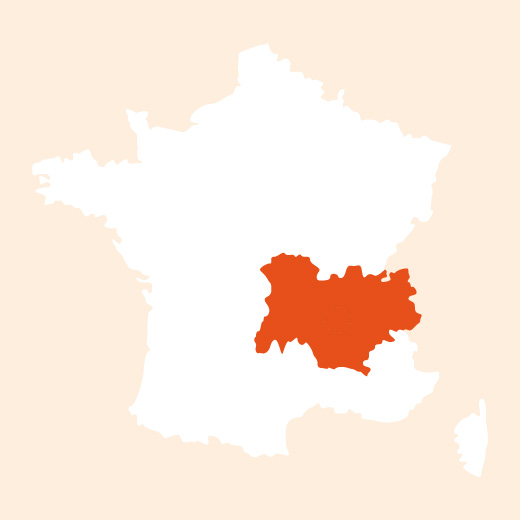
Auvergne Rhône-Alpes

Carte Auvergne Rhône-Alpes

Voyage Advisor
• Fixed-term contract – Vénissieux (69)


PRÉSENTATION DE L’ENTREPRISE

Carrefour Voyages, a subsidiary of the Carrefour group, is a major player in tourism in France.


With a network of more than 90 physical agencies and a dynamic online platform, we offer our clients a wide range of travel products and services: holidays, flights, hotels, cruises, tours… Our goal? Make travel accessible to everyone by offering competitive and customized options.

Carrefour Voyages is more than just a travel agency.

It is a passionate team, a network of experts, and a dynamic company at the heart of the tourism sector.

By joining our teams, you will help create unforgettable experiences for our clients.

We all share the same passion for travel and we love to pass this passion on to our clients.


THE BENEFITS OF WORKING WITH US

Picto

A rewarding career: You will have the opportunity to advise and guide our clients in realizing their travel dreams.

Picto

Team spirit: We work together in a collaborative and sharing mindset to achieve our common goals.

Picto

Innovation: We continually evolve and stay attuned to the latest industry trends to offer our clients the best solutions.

Picto

The passion for travel: We all share the same love for travel and enjoy passing this enthusiasm on to our clients.


CARREFOUR VOYAGES

POLITIQUE RSE

• Customer at the heart of our concerns: We strive to offer our clients tailor-made journeys and unique experiences.

• Team spirit: We work together in a collaborative and sharing mindset to achieve our common goals.

• Innovation: We are constantly evolving and stay ahead of the latest sector trends to provide our clients with the best solutions.

• The passion for travel: We all share the same passion for travel and love to pass this passion on to our clients.


COMPANY VIDEOS


Are you passionate about travel, have a sense of customer service, and want to join a dynamic company?

APPLY

Do not hesitate to view our job openings on our careers site.

https://voyages.carrefour.fr/accueil/recrutement-carriere

Recruitment in Travel Agencies: A Market Still Under Pressure


Au sein des réseaux de distribution, les difficultés de recrutement persistent. Essentiellement sur les postes d’agent de voyages et commercial groupes.@depositphotos/rawpixel

CroisiEurope


« Our recruitment needs are recurring, primarily for sales advisors, due to a natural turnover inherent to tourism », explains a HR manager within a network of distribution agencies.

This difficulty is amplified in certain geographic areas that are less attractive. « In some sectors, notably in the East, we receive very few applications », confirms Aurélie Hébrard, administrative HR assistant within the Salaün group.

The lack of experienced profiles sometimes significantly lengthens recruitment timelines.


Attractiveness of the profession, volatile youth and inadequate training

Beyond the simple lack of candidates, agencies face a deeper issue: the attractiveness of the job. Young generations struggle to envision themselves in a sedentary role at an agency.

“Today’s youth have trouble wanting to stay eight hours a day behind a desk. They need space and mobility”, observes Aurélie Hébrard.

Another major hurdle is the mismatch between initial training and field realities. The Tourism BTS, often cited, is considered too general and not sufficiently professionalizing.
“Young people discover the profession only once on the job and some abandon during the probationary period, because they did not expect a job that complex,” testifies Céline Gleizes, HR manager of the Eden Tour network. Today, we have to teach them everything, even after a BTS, a bachelor’s degree or a master’s.
The lack of understanding of the profession remains strong: demanding customer relations, mastery of destinations, administrative constraints and commercial skills form a package often underestimated by candidates.


Training, diversifying channels and elevating the professions

In response to these findings, companies are implementing multiple strategies to attract and secure recruitment.

« We have implemented a welcome pack with specific bonuses for positions open for more than six months in tight zones », explains the HR manager of a large network. The brand also relies on specialized job boards such as TourMaG to obtain more targeted applications.

The brand also invests in visibility of the professions: presentations in schools, job dating, career videos featuring employees and a referral program, convinced that « employees are the best ambassadors ».

For its part, Eden Tour has chosen internal training, despite the time investment that this entails. « It takes between six months and a year to be fully operational, depending on profiles », notes Céline Gleizes. The network also favors professional training, such as those from Selectour Academy, deemed closer to the needs of agencies.

In a market that remains tight, tourism players share a common conviction: recruitment will rely as much on adapting training as on a better valuation of a demanding profession, often idealized but still too little known.


Caroline Lelievre Published by Caroline Lelievre Journalist – TourMaG.com
See all articles by Caroline Lelievre

  • picto Twitter
  • picto Linkedin
  • picto email
Add TourMaG to your Google News feed Google Actualités icône

Recruitment: Top 6 In-Demand Careers in Travel Agencies and Tour Operators


Recrutement : découvrez le Top 5 des métiers les plus porteurs chez les agences et tour-opérateurs ! - Depositphotos.com fentonroma143@gmail.com

CroisiEurope


Despite a clear rebound since the pandemic, the travel operators sector has not yet returned to the recruitment volumes seen in 2019.

Valérie Dufour, Head of TravelJobs, the Employment section of TourMaG, notes that the number of job offers remains significantly below the pre-COVID years.

“This is explained by a deep restructuring of the agencies’ business models, the integration of digital technology, and a structural decline of certain traditional roles that took longer to regain their pre-crisis weight,” she explains.

The international and political context in France has also influenced recruitment.


“The difficulty of recruiting for operational roles has never been as high as today”

Even though the overall volume of offers has declined, the challenge of filling operational roles has never been greater, notes Valérie Dufour. The market faces an imbalance between numerous positions to fill—travel advisors, ticketing clerks, agency managers—and a small pool of qualified CVs.

“Recruiters highlight a lack of specific technical skills, notably proficiency with reservation tools (GDS/Amadeus), as well as a need for general culture and advisory ability.” emphasizes the head of TourMaG’s Employment section.

The recruitment bottleneck is also cultural. Current candidates prioritize quality of life and flexibility. Teleworking, which has fully integrated into organizations with the COVID-19 pandemic, has become an almost systematic demand for support and ticketing roles. Finally, work-life balance is a consideration for many applicants.

“To attract talent, companies must now offer upskilling plans and a hybrid organization. However, this evolution complicates recruitment for large traditional agencies, which sometimes struggle to adapt their roles and hours” summarizes Valérie Dufour.

She adds that firms are seeking increasingly specific skills: “The personalization of travel and tailor-made experiences are skyrocketing, as is the management of ever more complex situations (visas, multi-segment itineraries), becoming growth drivers for tour operators, which requires more precise competencies from staff.”

Other sectors are buoyant. Group travel operators, for example, are seeing strong activity and hiring. In this context, technicians and group travel sales professionals are in demand.

Another significant impact on job profiles is the rise of travel recommendations and content on social networks such as Instagram or TikTok, which is shifting customer expectations. “Some influencers are even becoming advocates—this forces agencies/tour operators to rethink their marketing approach to stay attractive. They are seeking employees who also possess these skills.” adds the employment expert.


Top 6 in-demand roles in 2025-2026

In this context of transformation, certain profiles remain highly sought after:

Travel Advisor: The pivot of distribution, indispensable for creating tailor-made trips.

Travel Product Manager: A profile sought by tour operators to design differentiated offers (ecotourism, adventure, niche).

Luxury / Premium Specialist: A growing segment that requires highly specialized client expertise.

Digital & Marketing Expert: To respond to the increasing influence of social networks (TikTok, Instagram) in the purchasing process.

Ticketing Clerk, Transport Manager and Back-office: Technical roles essential to the operational reliability of agencies.

Sales and Group Travel Technician: The salesperson is responsible for developing and selling tailor-made trips for groups (associations, companies, local authorities…). The group travel technician designs, organizes, and coordinates trips for groups (associations, schools, businesses…).


TravelJobs 2026: new tools to smooth the market


Valérie Dufour responsable de TravelJobs

Facing these recruitment challenges, matchmaking services are evolving on TourMaG. TravelJobs will roll out in 2026 customized sourcing services for recruiters, going beyond simple job postings diffusion.

This approach includes targeted headhunting by geographic area and activation of alumni networks and professional associations. The objective is clear: provide visibility to candidates on sometimes unpublished opportunities while ensuring employers access to qualified and immediately operational profiles.

Learn more :

Email : [email protected]

Phone : +33 6 99 07 16 66

Dry Skin, Bloating, and Blocked Ears: What Air Travel Does to Your Body

You may be about to board a plane for vacation. If this isn’t your first flight, you know that flying at several kilometers of altitude has direct effects on our bodies. And it usually starts as soon as takeoff. When the plane climbs, you may already have felt a strong pressure in your ears, or the sensation that they are blocked. This is a direct consequence of rapid changes in altitude and air pressure.

In an article published in The Conversation, Adam Taylor, a professor of anatomy at Lancaster University, explains: “As cabin pressure falls, the volume of oxygen available also decreases.” Instead of the usual 21% of oxygen in normal air, the body has only about 15%. This drives you to breathe more and your heart to beat faster. These are factors to monitor in patients with heart or lung conditions, but perfectly harmless for others. However, these changes in pressure and air also affect the intestines.

Is airplane food really bad, or is it our bodies trapping us?

“As the plane gains altitude, cabin air pressure changes and all the air that was in the intestines expands. This is what causes bloating and discomfort”, explains Dr. Megan Rossi in Boots. This actually operates on the same principle as the air in the ears. But while swallowing saliva or chewing a gum can relieve the sensation in the auditory tubes, the intestines have more difficulty recovering. The doctor recommends not eating too much in the lead-up to the flight to avoid this sensation.

If you eat during the flight, however, you may find the food bland. It isn’t necessarily because what you’re served isn’t seasoned or well cooked; it’s your taste buds that are being deceived. The cabin air is very dry and it reduces the ability of the taste buds to function properly, says Dr. Roger Henderson to the Daily Mail. Sweet tastes are particularly affected.

Our bodies run short on moisture in the air

It is also because of the lack of humidity in the cabin that our skin often becomes very dry on the plane. So don’t hesitate to apply moisturizing cream before and after the trip. It’s also best to drink plenty of water and avoid alcohol.

Avoiding alcoholic beverages will also help reduce the risk of fainting on board. About a third of in-flight medical emergencies involve a passenger fainting. Don’t panic if it happens to you: the cabin crew is trained to handle such situations and symptoms typically disappear by landing!

Want to share your view on climate change in France? Enter the L’Oeil du climat photo contest!

DiscoverEU: Win 5,000 Interrail Passes to Travel Europe at Age 18


Les jeunes Français de 18 ans peuvent tenter leur chance pour remporter un Pass Interrail - Depositphotos.com @denrud

IFTM prenez RDV avec TourMaG


Good news for young travelers: the DiscoverEU program is reopening its applications. Starting this Wednesday April 8 at 12:00, French citizens born between July 1, 2007 and June 30, 2008 can apply via the European Youth Portal.

At stake: an Interrail Pass allowing free train travel across Europe for 30 days.

Winners will be able to use this travel entitlement between July 1, 2026 and September 30, 2027.

In total, 5,000 French youngsters will be drawn to benefit from this scheme, funded by the European Commission and operated in France by the Agence du Service Civique.


A program to encourage youth mobility

Launched within the Erasmus+ framework, DiscoverEU aims to strengthen the sense of European belonging among young people, while making travel more accessible.

In addition to transport, beneficiaries receive a European Youth Card granting access to numerous discounts: cultural activities, local transport, accommodations, and meals.

Applicants must complete an online quiz and may travel alone or in a group, selecting up to four friends.

For Nadia Bellaoui, president of the Agence du Service Civique, the objective is clear: “to enable young people, regardless of their background, to travel freely and for free for a month“.

A goal shared by the beneficiaries. Illyana, 19, who left in 2025, recalls it as a formative experience: traveling alone allowed her to unwind, learn to improvise, and meet numerous people.


Applications open until April 22

Applications are open until 22 April 2026 at 12:00 (Brussels time). Interested youths should visit the European Youth Portal to submit their application.


Amelia Brille Published by Amelia Brille TourMaG.com Editor
See all articles by Amelia Brille

  • picto Linkedin
  • picto email
Add TourMaG to your Google News feed Google Actualités icône  

Alma Mundi Accelerates Diversification into B2B and Luxury Travel


Alma Mundi accélère sa diversification entre B2B et voyages premium - Photo Alma Mundi

IFTM prenez RDV avec TourMaG


From the outset, Alma Mundi positioned itself on different experiences.

Its historical specialty remains Finland, and notably Lapland, with thematic stays in GIR.

« I am half Finnish; I was keen to open up to this culture », explains Tanja Duhamel, founder of Alma Mundi.

These trips, organized for about a decade with philosopher Frédéric Lenoir, are today the most in-demand. In 2025, they accounted for nearly half of the agency’s clients, i.e. 300 out of 700 clients of the tour operator.

But Alma Mundi is not limited to this destination. The agency also offers wellness stays with a distinctive approach. « You don’t just come to relax; you come to learn how to take care of yourself », summarizes its founder. Participants discover simple practices that can be reproduced at home, such as breathing or self-massage.

The offering also includes seminars open to the general public, on varied themes such as astrology, pet bereavement or an annual meeting with a a medium. « The idea is to cultivate an open mind », explains Tanja Duhamel.

The thematic cruises and a few longer journeys—always centered on a theme—complete the collection. In total, the agency organizes between 15 and 20 stays per year, with roughly 700 clients and a turnover near 1.7 million euros.


The kerosene shortage, a shadow over the outlook

Like many players in tourism, Alma Mundi must adapt to an unstable environment. The war in the Middle East, for example, has so far only a limited impact. « We are not positioned in those areas », states the leader.

However, other issues worry her more, such as rising fuel costs and tensions in air transport.

Another challenge: customer behavior has changed. « They book either very early or very late », she notes. This complicates planning and requires constant adaptation.

The sale of trips in France is also under discussion. Today, only one trip is offered, around chestnuts in Ardèche, in partnership with the Rustica store. « It isn’t easy to find a viable economic model in France », acknowledges Tanja Duhamel, in particular because high prices deter some clients.

In this context, networking becomes essential. Tanja Duhamel has joined Les Entreprises du Voyage and Femmes du Tourisme. « It’s important to exchange and support each other in the sector », she explains.


Several Development Avenues

For the coming years, Alma Mundi aims to develop a B2B activity by offering its seminars to companies. « The objective is to create experiences that are useful for teams, around well-being and personal development », explains Tanja Duhamel.

A second axis concerns B2B2C, with the establishment of partnerships with travel agencies to distribute its themed stays. The tour operator plans to enter the outreach phase as soon as the new season begins.

Finland remains a priority. After Lapland in winter and autumn, Alma Mundi aims to offer new stays in spring and summer, particularly in the southern part of the country.

Finally, the agency is positioning itself in higher-end travel. It intends to offer every year a “trip of a lifetime”. « The idea is to go to destinations that everyone dreams of, but in guided conditions, with a strong theme that makes sense for the participants. The first Polynesian experience was successful, with stays marketed from 13,000 euros per person. »

Frédéric Lenoir will be part of the journey. « We will address his preferred themes, while also delving into Māori culture and the wisdom of Indigenous peoples. »

Despite market uncertainties, Alma Mundi continues its growth by staying true to its positioning: offering different, more personal, and meaningful travel.


Caroline Lelievre Publié par Caroline Lelievre Journaliste – TourMaG.com
Voir tous les articles de Caroline Lelievre

  • picto Twitter
  • picto Linkedin
  • picto email
Ajoutez TourMaG à votre flux Google Actualités Google Actualités icône

AtlasProtect.io Launches Geopolitical and Legal Monitoring Platform for Travel Agencies


AtlasProtect.io lance une plateforme de veille géopolitique et juridique pour les voyagistes - Photo AtlasProtect.io

CroisiEurope


In an international context marked by growing instability, geopolitical crises, rapid regulatory changes, and climate-related uncertainties, Chloé Rezlan, co-founder of the law firm Adeona Avocat·e·s, launched AtlasProtect.io in collaboration with Stanislas Lucien: a platform presented as the first geopolitics SaaS solution specifically designed for travel operators.


“In general, tourism law often acts reactively, only after a crisis has occurred. AtlasProtect.io’s ambition is precisely to reverse this logic by providing anticipatory tools.


Our mission is to give back control to travel professionals by turning uncertainty into decision intelligence. We do not sell data; we provide the clarity and confidence needed to plan, sell, and operate with complete peace of mind,”
explains Chloé Rezlan.

AtlasProtect.io thus aims to centralize and automate advanced legal, analytical, and security capabilities.


The platform targets a wide range of players

The platform targets a broad spectrum of actors: travel agencies, tour operators, Travel Management Companies (TMCs) and event organisers (MICE).

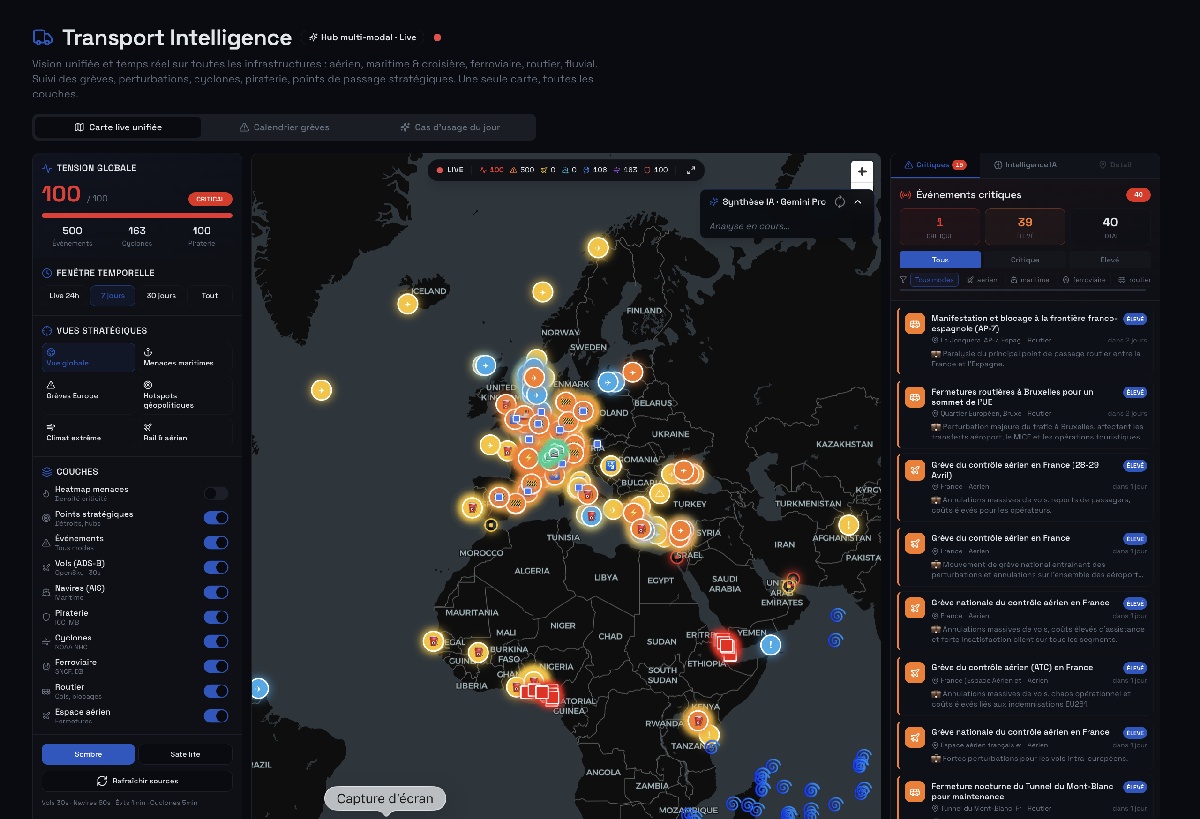
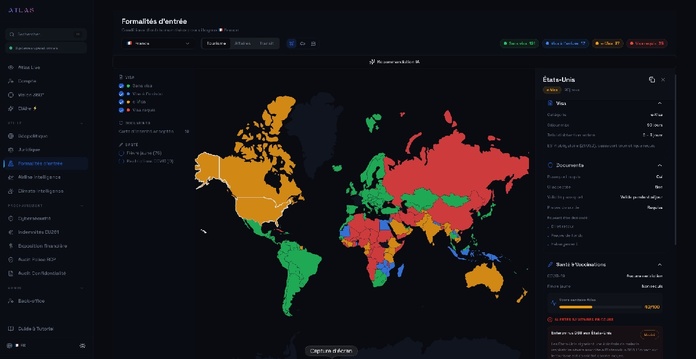
The solution is structured around a command center, named Atlas Live, which offers a real-time view of the situation across 195 countries.

To do this, the solution relies on more than 10,000 sources, “monitored 24/7”.

Concretely, the solution tracks all kinds of events: airport closures, social movements or natural disasters, and enables visualization of risk zones at a fine scale (neighborhoods, ongoing protests) while integrating entry formalities constraints or health protocols.

“Everything is done to ensure the data is as reliable as possible“, insists Stanislas Lucien.


Eight modules to anticipate crises and a legal AI assistant


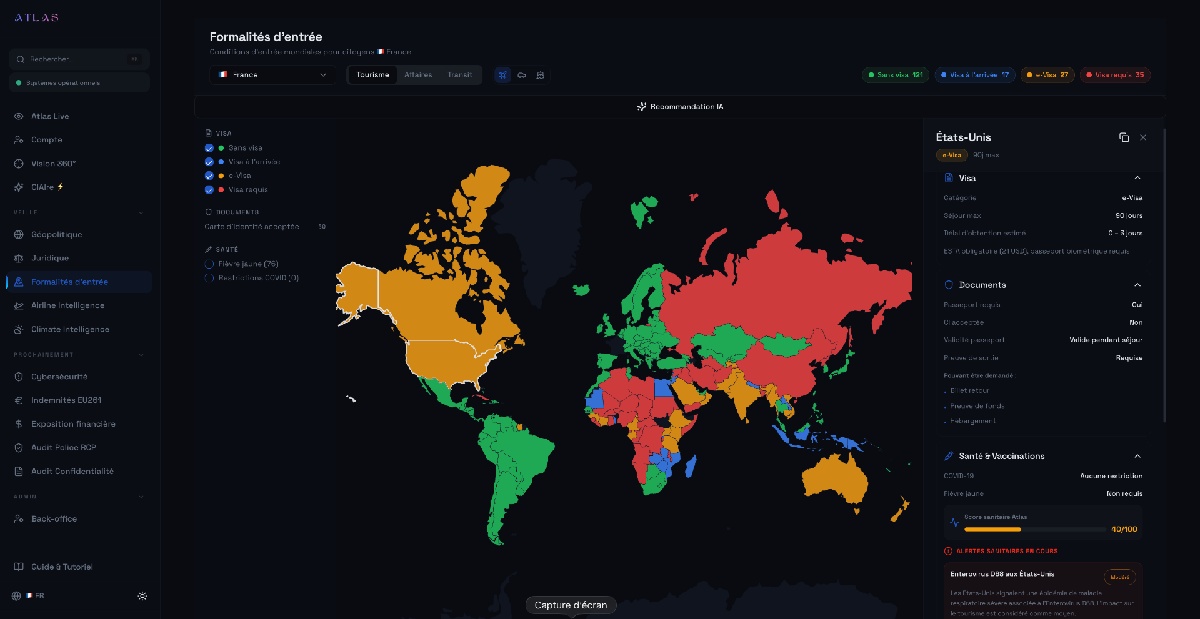
La plateforme intègre également un module dédié aux formalités d’entrée, avec des informations actualisées sur les exigences de visas, passeports, conditions sanitaires ou encore réglementations douanières selon les destinations et les nationalités des voyageurs. - Photo AtlasProtect.io

AtlasProtect.io is thus organized into eight modules.

Alongside the Global Tourism Risk Index, which allows scoring 195 countries based on dozens of criteria (security, political stability, health, climate…), users will notably access geopolitical monitoring and legal watch.

The platform also integrates a module dedicated to entry formalities, with up-to-date information on visa and passport requirements, health conditions, and customs regulations depending on destinations and travelers’ nationalities.

Another facet is devoted to tracking transport disruptions. The solution aggregates data on delays, cancellations or incidents affecting airlines, but also some rail or maritime networks.

Professionals can also benefit from an AI assistant named Claire, designed to answer the most frequent questions, especially regarding cancellations, exceptional circumstances, or information and advisory obligations. “This AI agent was created from my legal analyses and interpretation of various jurisprudences,” explains Chloé Rezlan, who ensures the reliability of her tool.

A module also enables climate risk analysis, with monitoring of extreme weather events and certain phenomena likely to impact tourism operations.

Alongside these tools, contract analysis and a review of the terms and conditions are also offered to identify risky clauses, liability gaps, or potential regulatory non-compliances.


The platform also offers traveler geolocation features through a dedicated mobile app, in a “duty of care” framework, allowing operators to track travelers who have activated the service and to send real-time alerts if an event occurs nearby.

This initiative comes amid growing regulatory pressure on travel distributors and producers, as several recent court decisions have underscored strengthened obligations to inform, advise, and remain vigilant for professionals in the sector.

An introductory price of 199 euros excluding VAT per month, with no long-term commitment.