

Meliá, Kenya, World Cup: This Week’s Must-Read Tourism News [ABO]


La revue de presse internationale de la semaine - Depositphotos.com, serezniy

CroisiEurope


In the weekly press review for the week of July 20, 2026:

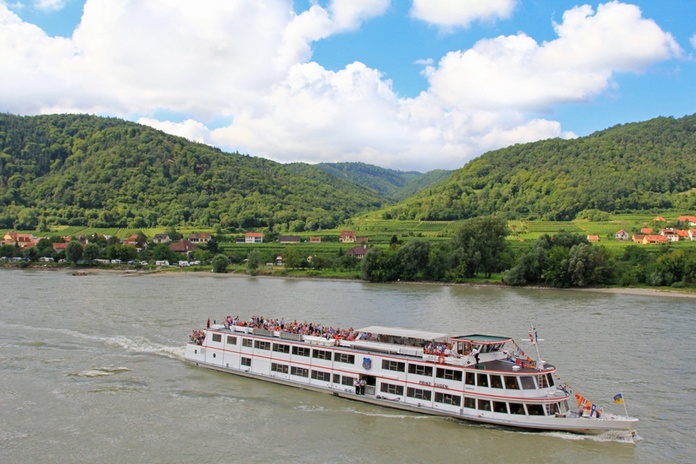
River cruises: low waters in Europe force companies to adapt

Cuba: Meliá withdraws permanently from the island

World Cup 2026: a mixed tourism outlook for North America

The United States reopen the way for commercial flights to Lebanon

The EU seeks to tighten the ownership rules for airlines

Kenya aims for 5 million international tourists per year

Tourism: Saudi Arabia and Morocco at the forefront of the global rebound

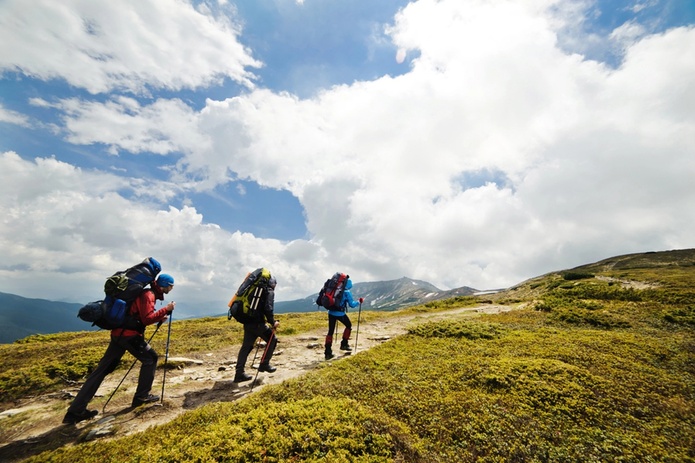
The “Wolf Trail” connects six European countries over nearly 3,500 km

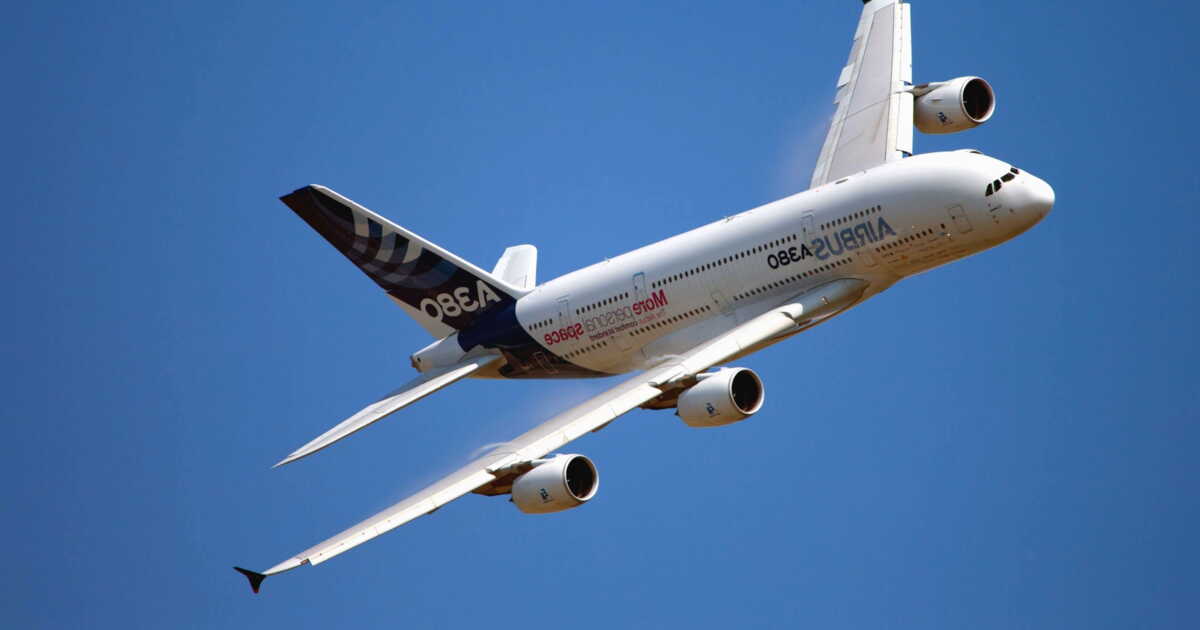
Odd: an airplane for sale… for the price of two coffees!


Croisières fluviales : les basses eaux en Europe obligent les compagnies à s’adapter
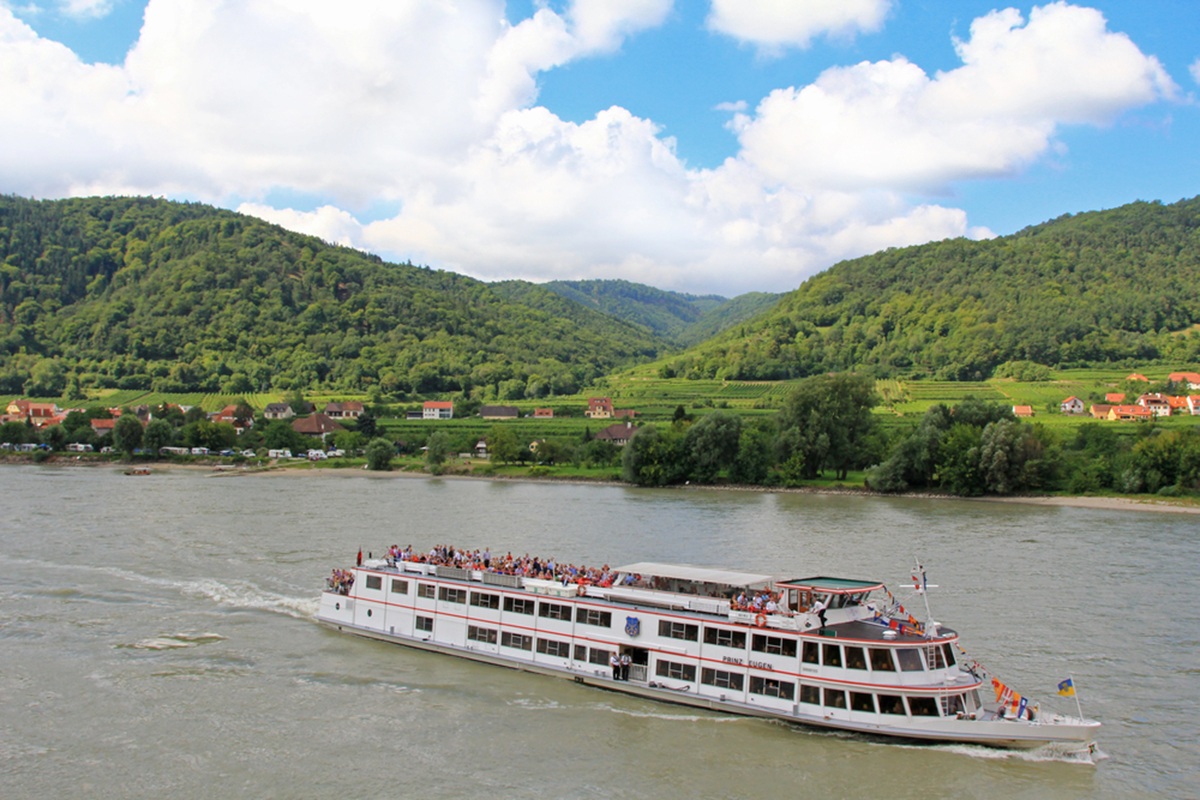

La baisse du niveau du Danube et du Rhin, conséquence de la sécheresse et des fortes chaleurs qui touchent l’Europe, perturbent les croisières fluviales - Depositphotos.com, sasimoto

The drought and heatwaves affecting Europe are driving down the water levels of the Danube and Rhine, disrupting certain river cruises.

Rather than canceling their trips, several operators (AmaWaterways, Scenic, Tauck, Viking, Riviera Travel) are prioritizing alternative solutions: ship exchanges, changes to embarkation ports, coach transfers or itinerary adjustments.

Thanks to these measures and daily monitoring of navigational conditions, disruptions remain limited and operators strive to maintain the travelers’ experience.

More to read on travelweekly.com


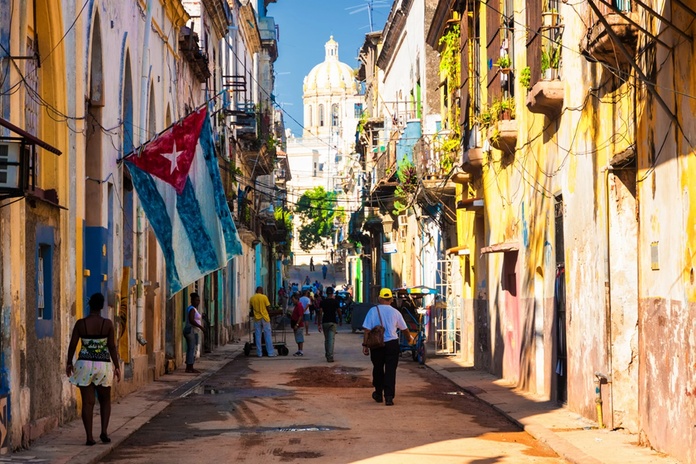
Cuba : Meliá se retire définitivement de l’île
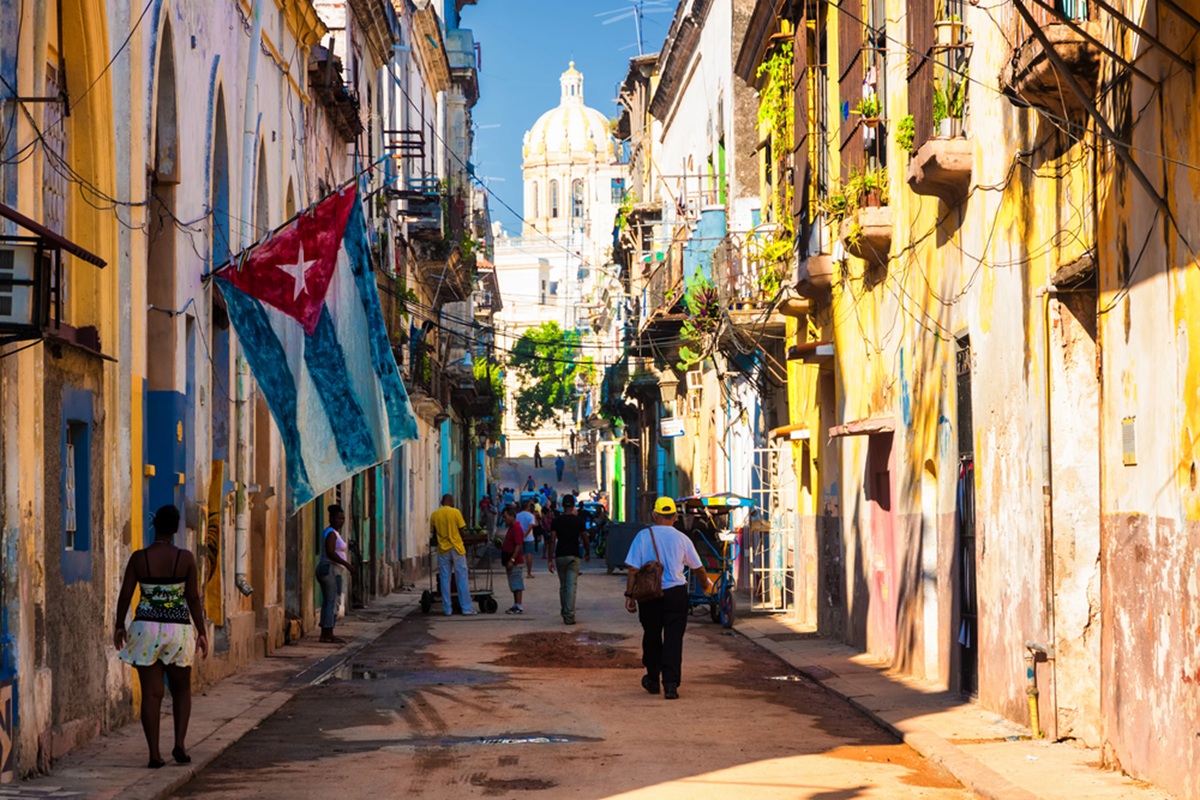

Le groupe hôtelier espagnol Meliá a annoncé mettre fin à l’ensemble de ses activités à Cuba à partir du vendredi 24 juillet 2026 - Depositphotos.com, kmiragaya

Meliá Hotels International mettra fin, le 24 juillet, à l’ensemble de ses activités de gestion hôtelière à Cuba.

Le groupe espagnol invoque un environnement devenu intenable sur les plans opérationnel, juridique, économique et financier.

Cette décision intervient dans un contexte de durcissement des sanctions américaines visant le secteur touristique cubain et alors que la destination traverse une crise profonde, marquée par une chute de près de 56% des arrivées internationales sur les quatre premiers mois de 2026.

Meliá promet d’assurer une transition progressive afin de limiter les conséquences pour ses salariés, ses clients et ses partenaires.

Une info hosteltur.com


Mondial 2026 : un bilan touristique contrasté pour l’Amérique du Nord


Bilan touristique contrasté pour la Coupe du Monde de football 2026 en Amérique du Nord - Depositphotos.com, kashesn

If the 2026 World Cup allowed hotels and short-term rentals in host cities to raise their rates, the tourism fallout is more limited than expected.

American airlines did not see a significant uptick in activity and the number of international visitors remained below expectations.

After eight years of preparation and substantial investments, the tournament therefore yields a mixed result: local benefits for lodging, but a more modest impact on the broader travel industry.

An article to read on skift.com


L’UE veut renforcer les règles de propriété des compagnies aériennes


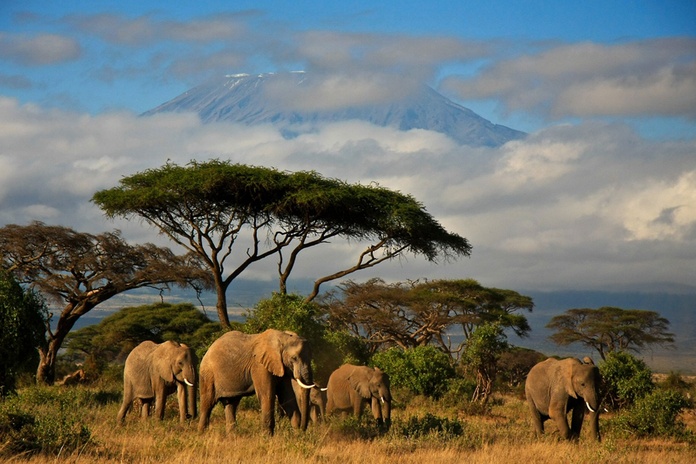
Le Kenya vise 5 millions de touristes internationaux par an
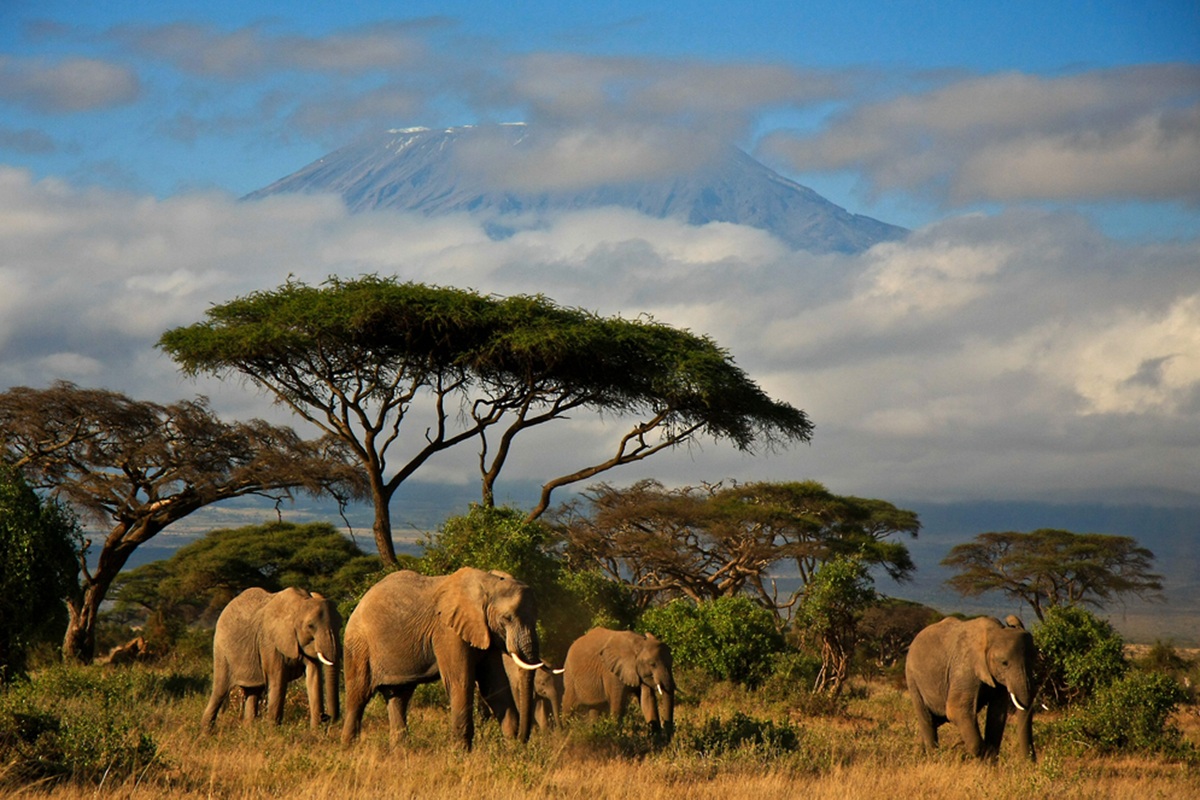

Le Kenya ambitionne d’accueillir quasiment le double de visiteurs internationaux par an, en passant de 2,7 à 5 millions de visiteurs internationaux - Depositphotos.com, dmussman

The Kenya aims to almost double its tourist traffic, rising from 2.7 to 5 million international visitors per year.

The government is counting on tourism to increase foreign exchange earnings, create jobs and support local SMEs.

According to authorities, each visitor spends on average $3,000 and generates about ten jobs, making tourism one of the main drivers of the country’s economic development strategy.

Read on traveldailynews.com


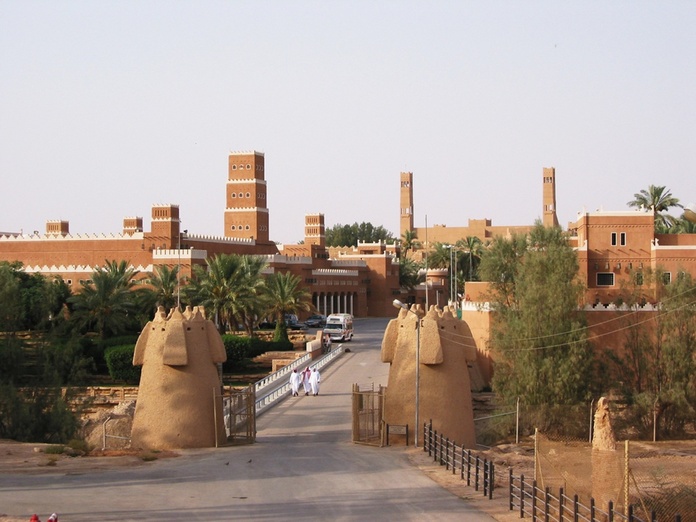
Tourisme : l’Arabie saoudite et le Maroc en tête du rebond mondial
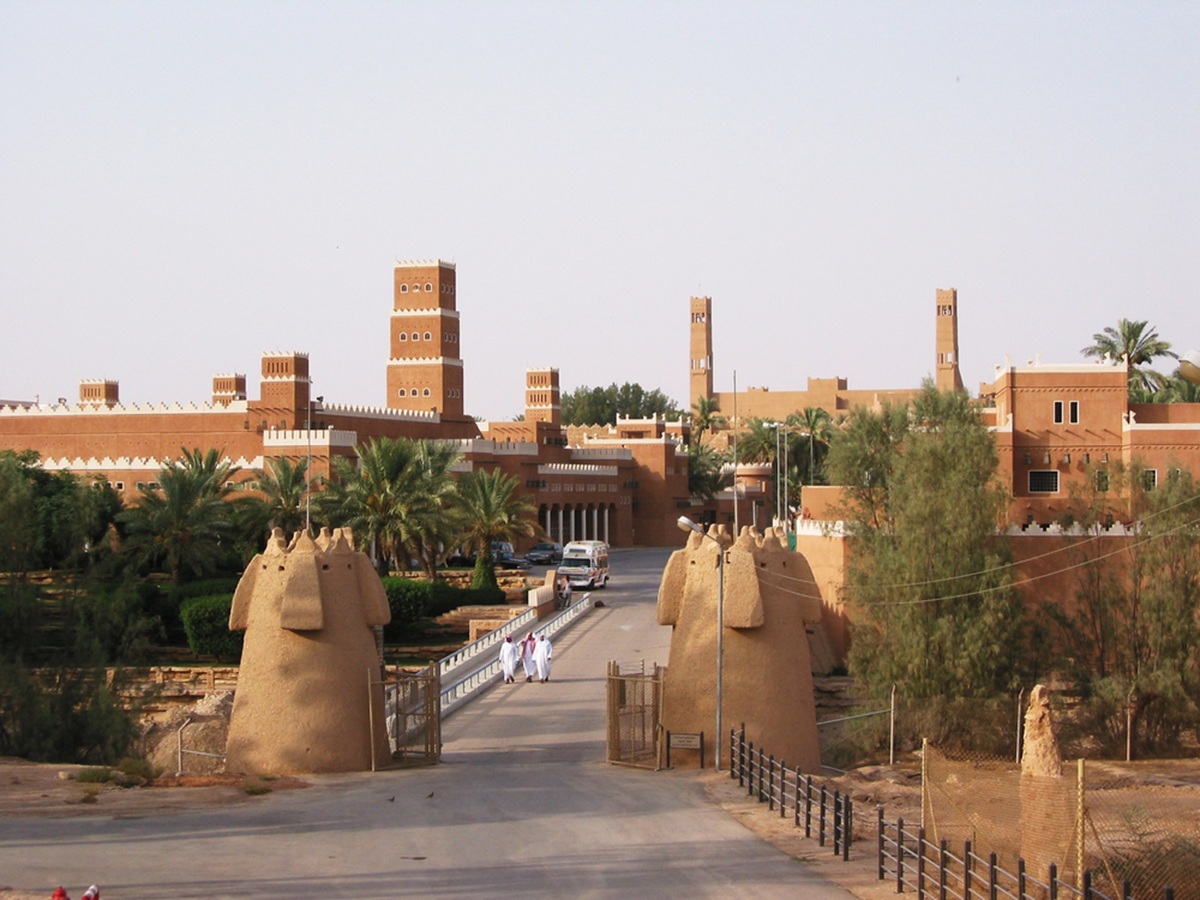

L’Arabie saoudite affiche la plus forte progression des arrivées internationales entre 2019 et 2025 (+67%), devant le Maroc (+53%) et l'Égypte (+47%) - Depositphotos.com, happyalex

According to an analysis by Visual Capitalist based on OECD data, Saudi Arabia shows the strongest growth in international arrivals between 2019 and 2025 (+67%), ahead of Morocco (+53%) and Egypt (+47%).

In Europe, Norway signs the best rebound (+28%), while the Portugal, the Spain and the France also exceed pre-pandemic levels.

Conversely, several destinations remain lagging, notably Israel (-71%), Ireland (-32%), the United States (-14%) and Italy (-5%).

Source : euronews.com


Le « Wolf Trail » relie six pays européens sur près de 3 500 km
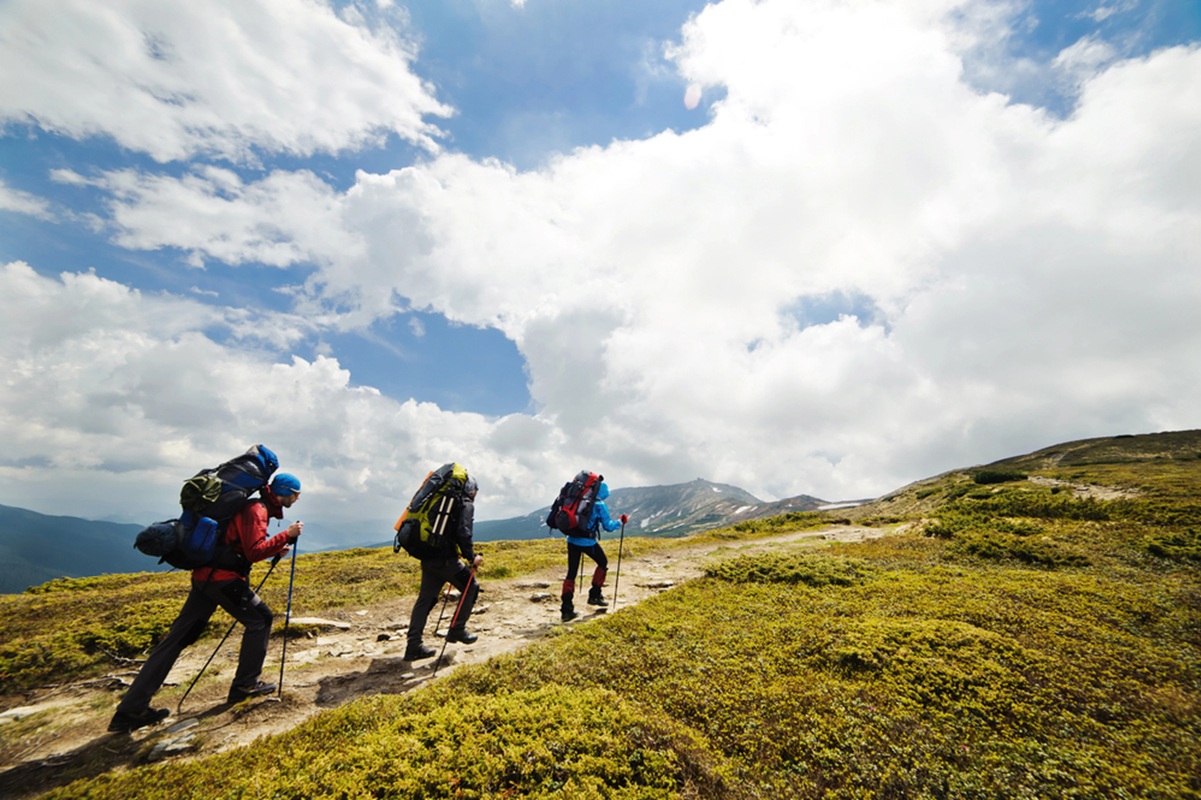

Le Wolf Trail, un parcours de 3 493 km reliant la Pologne à l'Italie via l'Allemagne, l'Autriche, la Suisse et la Slovénie - Depositphotos.com, Artish

Long-distance hikers have a new route: the Wolf Trail, a 3,493 km journey linking Poland to Italy via Germany, Austria, Switzerland and Slovenia.

Imagined by Jack Wolfskin from existing trails, this route requires between four and six months of walking and is aimed at experienced hikers.

Accessible free of charge, it is recommended between April and September and represents an estimated budget of 8,000 to 12,000 euros for a full crossing.

A lire sur lefigaro.fr


Insolite : un avion à vendre… pour le prix de deux cafés !

Avis aux collectionneurs : l’aéroport de Séville met aux enchères un ancien Piper PA-23 Apache abandonné depuis au moins 2018, avec une mise à prix de… 10 euros.

Avant de rêver à un vol à petit prix, mieux vaut savoir que l’appareil, officiellement déclaré abandonné après plusieurs années sans nouvelles de son propriétaire, est en trop mauvais état pour reprendre les airs.

Une occasion originale d’acquérir un morceau d’histoire aéronautique… à défaut d’un moyen de transport.

A retrouver sur euronews.com
Côte d’Azur Tourism Pays Tribute to Denis Zanon


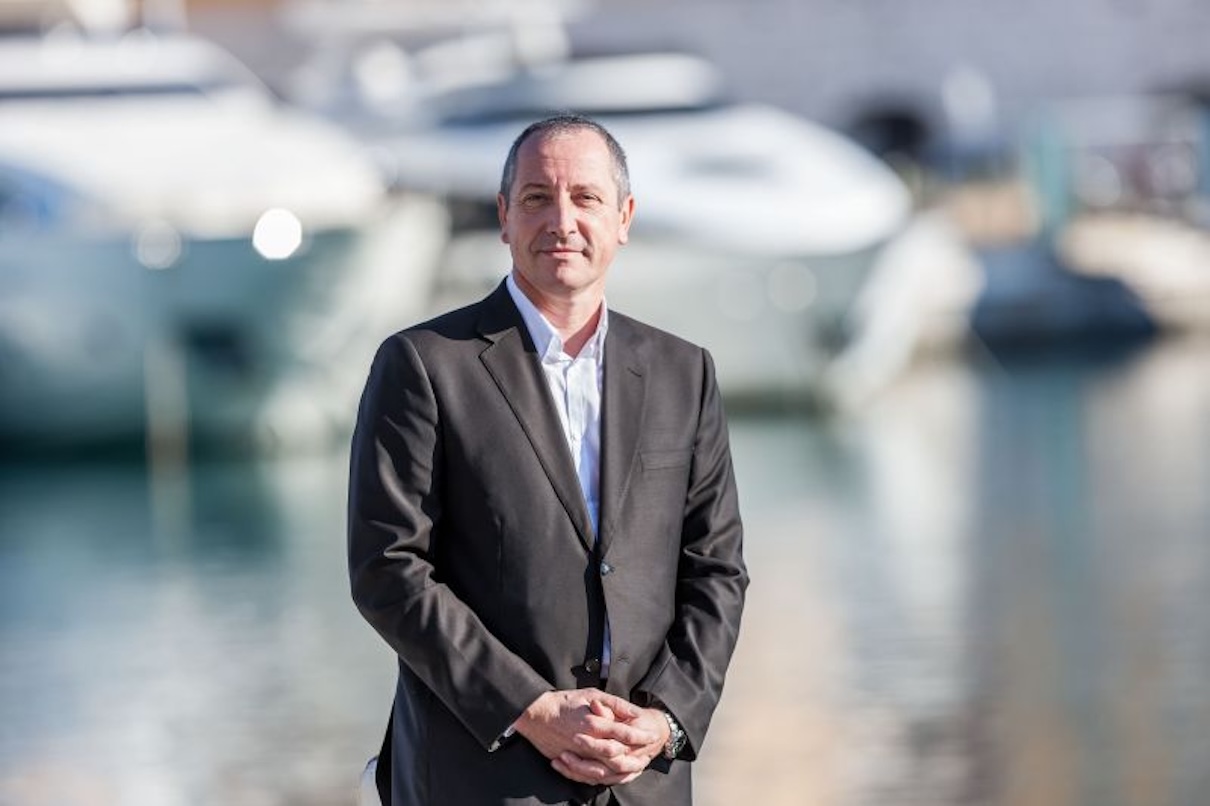
Denis Zanon a dirigé l’office de tourisme niçois pendant 14 ans - Photo : Office de Tourisme Explore Nice Côte d'Azur

CroisiEurope


It is with great sadness that we learned of the passing of Denis Zanon, former chief executive of the Nice Côte d’Azur Metropolitan Tourism Office, following an announcement from the Explore Nice Côte d’Azur Tourism Office.

Denis Zanon led successively the Nice Tourism and Convention Office, then the Nice Côte d’Azur Metropolitan Tourism Office.

Arrived in 2008, he held leadership roles within the institution for 14 years.

During this period, he notably contributed to the development and promotion of the Nice Côte d’Azur destination, as well as to the strengthening of cooperation with public and private actors of the territory.


He Had Been President of the Pays de Grasse Tourism Office for Three Years

After leaving the Nice Côte d’Azur Tourism Office, Denis Zanon continued his activity in the tourism sector.

He had been president of the Pays de Grasse Tourism Office for three years.

In this role, he applied his experience to the development and prominence of the grassois territory.

His passing has triggered numerous reactions in the Alpes-Maritimes, notably among elected officials and tourism professionals.


The Nice Carnival in Ningbo as a Highlight

Among the standout events of his tenure in Nice was notably the organization of the Nice Carnival in Ningbo, China, in 2018. This initiative was part of actions undertaken to develop the international visibility of the destination.

In its tribute, the Explore Nice Côte d’Azur Tourism Office emphasizes Denis Zanon’s commitment to the tourism sector as well as his ability to unite the teams and the destination’s stakeholders.

Denis Del Rio, president, Jean-Sébastien Martinez, general manager, and all the teams of the Explore Nice Côte d’Azur Tourism Office extend their condolences to his wife Brigitte, to his son Marius, and to his relatives and to the professionals who worked alongside him.


Amelia Brille Published by Amelia Brille TourMaG.com Editor
View all articles by Amelia Brille

  • picto Linkedin
  • picto email
Add TourMaG to your Google News feed Google News icon  

How Destination Canada’s AI Boosts Tourism Attractiveness


Kananaskis, Alberta © Destination Canada

CroisiEurope


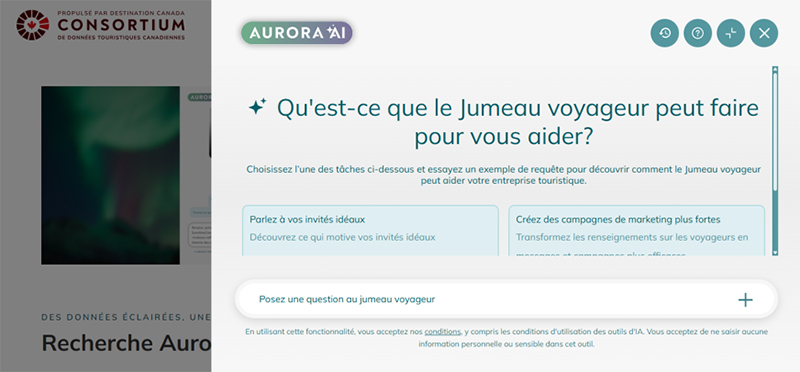
With Aurora AI and its Traveller Twin, Destination Canada makes access to tourism data easier and helps professionals better understand their audiences, test their projects, and steer their business decisions more quickly. Canada is simplifying access to its data through Aurora AI.

In tourism, data is a powerful driver of performance. Yet for tour operators, online agencies, destinations, or activity providers, extracting value from it can still demand significant time and resources.

With Aurora AI, Destination Canada aims to make this knowledge more easily accessible and directly usable. This AI ecosystem enables tourism professionals to query reliable data in natural language and rapidly obtain insights that inform their decisions.

The objective is concrete: reduce the time spent on research and analysis, better target travelers, and mitigate risks before investing in a new product or a marketing campaign.

Tourism data accessible in seconds

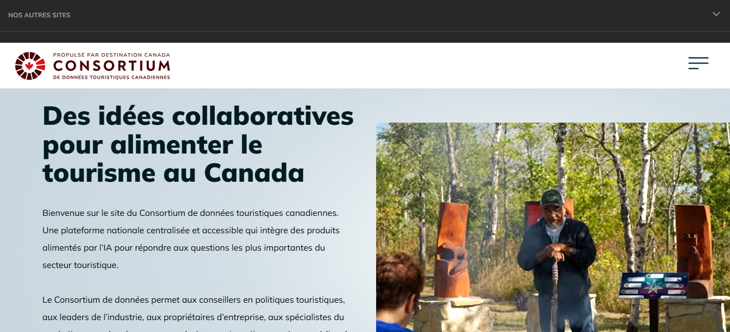
Fruit of Canada’s tourism know-how, Aurora AI rests on an unmatched understanding of travel information at global and national scales. Built by Destination Canada, Aurora AI is a knowledge network that uses Gemini Enterprise and is fueled by the Canadian Tourism Data Consortium. This consortium provides validated research, reliable data sets, and insights from Destination Canada’s partners, ensuring credibility and relevance. It was launched in 2024 and won the Best Use of Artificial Intelligence for Nonprofit or Non-commercial Purposes at the 2024 DataIQ AI Awards.

Launched in November 2025, Aurora AI combines natural language querying, predictive models, traveler simulation tools, and AI agents in an integrated system that learns, adapts, and responds.


Le Jumeau Voyageur © Destination Canada

The Traveller Twin to test a project before launch

Among the features offered, the Traveller Twin lets you simulate how different traveler profiles would react. It builds on the segmentation program of the Canadian Tourism Data Consortium, created from research conducted with real travelers in Destination Canada’s ten major markets, including France.

“Its French version, launched in May 2026 at Rendez-vous Canada, can notably assist tour operators and reservation platforms marketing the destination.” explains Cyrielle Bon, CEO of Destination Canada in France

A professional can, for example, propose a stay idea, a new product, an advertising message, or a campaign concept. The Traveller Twin then helps identify the most receptive audiences, better understand their expectations, and anticipate their reactions.

The tool can also be used to refine a sales pitch or support a recommendation with structured traveler insights. The aim is to adjust a project upstream, before mobilizing production budgets or media buying.

A tool in service of return on investment

By easing the research, targeting, and testing stages, Aurora AI can help improve the effectiveness of marketing investments. It isn’t about predicting consumer behavior with certainty, but about providing extra data to make more informed decisions.

For tourism companies, the potential benefits show up in several ways: shorter analysis time, more precisely targeted campaigns, products more aligned with travelers’ expectations, and resources focused on the most promising opportunities.

This deeper understanding of audiences also serves as a differentiator. In a sector where travelers increasingly seek highly personalized offerings, the ability to quickly tailor products and messages can become a real competitive edge.

Commercial results already observed

Several Canadian tourism companies have already used the Traveller Twin to evolve their offerings.

Brett Soberg, co-founder and captain of Eagle Wing Whale Watching explains: “We leaned on the tool to identify new interests among our visitors and to explore experiences that complement our usual excursions.” By expanding their portfolio, they doubled the number of their specialized tours.

At Bay of Fundy Adventures, founder Jordan Jamison also used Aurora AI: it helped them identify refined globetrotters as the segment with the strongest potential to book guided experiences and stay in the region. They shifted their strategy from promoting individual activities to promoting a destination conducive to immersive experiences. This new approach was accompanied by a 200% rise in bookings compared with the previous year.

These results illustrate how a better understanding of traveler expectations can translate into product evolution and improved business performance.


Consortium de Données Touristiques canadiennes © Destination Canada


A technological expertise serving the industry

Participate in the development of Aurora AI

Aurora AI is developing new agents and continuously innovating to meet the evolving needs of the tourism sector. We want to hear your feedback on your experiences with Aurora AI.

Please send your questions, comments, and ideas to the Data Consortium team by writing your feedback here.


Creation of the First Barometer for Independent Tourism Professionals


Les indépendants peuvent répondre au questionnaire qui alimentera le baromètredes… indépendants du tourisme - Depositphotos

CroisiEurope


There are still blind spots in sector barometers.

That of Entreprises du Voyage, based on Orchestra data, omits sales of tailor-made trips made with inbound operators or built by stacking services.

These gaps are gradually being filled, for example thanks to data provided by Civitatis.

To reflect the industry more accurately, Travel Force, in partnership with IFTM, launches the first Barometer of tourism independents.

Independents are everywhere in tourism, but nowhere in the figures.

We talk about them, we work with them, but no one had ever really listened to them on a national scale. This barometer finally gives them a statistical presence and the more responses there are, the more their voice will be heard
“, announces Olivier Charmes, president of the consulting and operational reinforcement agency.


Barometer of tourism independents: questionnaire open until end of July

To carry out this barometer, a questionnaire has been posted online.

It consists of several questions and takes between five and six minutes. It aims to establish an unprecedented snapshot of the market for tourism independents in 2025, based on practices, revenues and existing models, and then to reveal the real on-the-ground issues.

To participate in the barometer, click here.

Independent tourism professionals can respond until July 31, 2026, for an activity analysis covering January 1 to December 31, 2025.

After that, the responses will be analyzed and anonymized. No ranking will be established, but an overview of these players will be drawn.

The consolidated results of the study will be available at the IFTM trade show, during a conference on September 17 at 2:30 PM, in room Agora.

The overarching theme of this edition of IFTM is to reveal the value created by travel, and independents contribute a crucial, often invisible, portion of that value in daily life. Welcoming the presentation of this first barometer was an obvious step: it provides the entire industry with data that were missing to understand these professionals and to work with them,” Marie Allantaz, editorial director and strategic management at IFTM.

Among independents, we find consultants, travel planners, trainers, content creators, guides, business introducers, journalists, outsourced salespeople, industry experts…

Jobs, Wages and Tourism Attractiveness: Where Does Tourism Stand After COVID-19?


Emploi, salaires, attractivité : où en est le tourisme depuis le Covid ? - Photo ASIA

CroisiEurope


TourMaG.com – How is the employment market in tourism performing today?

Julien Beaufreton : The situation has clearly improved since the end of Covid. Hiring hasn’t become easy, but there are more candidates available. The market is more fluid than it was during the two years that followed the health crisis.

TourMaG.com – How do you explain this evolution?

Julien Beaufreton :
It should be noted that there was a significant wage inflation between 2019 and the end of the Covid period, largely linked to the rise in the minimum wage.

In 2018-2019, the gross monthly minimum wage was around 1,500 euros. It is now around 1,820 euros. Employers have integrated this inflation into mid- to long-term planning, which has notably manifested as upward adjustments to the minimum wage scales within the sector.

Furthermore, the post-Covid recruitment difficulties were also explained by the fact that many people were still in long-term unemployment, with no immediate pressure to return to work.


Still more progress to be made on gender equality

TourMaG.com – À votre arrivée à la tête de la CPPNI, vous aviez identifié trois priorités : l’ajustement des salaires minimums, l’égalité femmes-hommes et l’attractivité des métiers du tourisme. Où en êtes-vous aujourd’hui ?

Julien Beaufreton :
On gender equality, we are still in a phase of reflection at the branch level. The main difficulty lies in accessing consolidated data. Companies have their own indicators, but aggregating them at the branch level is challenging.

We know, nonetheless, that tourism is a highly feminized sector, with about 75 % women. The challenge is therefore to promote their access to leadership positions, because imbalances persist, even if they are difficult to quantify precisely.

The question of pay equality also remains a priority area.

TourMaG.com – And regarding the attractiveness of tourism jobs ?

Julien Beaufreton : We participate in the Tourism Careers Week, but this scheme mainly concerns inbound tourism: hotels, amusement parks, outdoor hospitality.

In tour-operating and travel agencies, i.e., outbound tourism, recruitment difficulties are generally less pronounced.


Reopening of the Annual Mandatory Negotiations (NAO)

TourMaG.com – Quels seront vos principaux dossiers pour 2026 ?

Julien Beaufreton :
We are opening the 2026 NAOs, which mainly focus on branch-level compensation: the hierarchical minimum wages, but also ancillary elements such as the seniority bonus, teleworking, or other peripheral benefits.

The NAOs occur every two years in our branch. We are currently in the first phase, that of listening to representative employee organizations. The goal is to move forward quickly and maintain constructive social dialogue.

TourMaG.com – What assessment do you make of your first year at the head of the commission?

Julien Beaufreton :
The exchanges have been generally calm and constructive. In 2025, we held six CPPNI meetings, with a co-construction approach: shared diagnosis, listening to stakeholders, and seeking common solutions.

We have specifically worked on aligning the national collective agreement with regulations, on the implementation and monitoring of the new health and provident mutual, as well as on a branch-wide agreement relating to caregivers.

This agreement aims to support employees who care for a sick relative or someone nearing the end of life. It is particularly relevant in a branch with many seniors and a majority of women, who are statistically more likely to be affected by these situations. We hope for a signature in the first half of 2026.

TourMaG.com – Is the rejuvenation of employees and entrepreneurs also a challenge for the branch?

Julien Beaufreton :
Yes, clearly. Many workers will retire in the next five to ten years, raising questions about the transmission of skills.

These challenges are, however, very company-specific. Large organizations can implement tutoring or bridging programs, which is much more complex for small agencies.

At the branch level, it is therefore difficult to set frameworks that apply to all company sizes.

See also : Young, female and on a permanent contract: the typical profile of tourism employees (Infographic)


Caroline Lelievre Publié par Caroline Lelievre Journaliste – TourMaG.com
Voir tous les articles de Caroline Lelievre

  • picto Twitter
  • picto Linkedin
  • picto email
Ajoutez TourMaG à votre flux Google Actualités Google Actualités icône

OPCO Mobilités Takes On AI and the Tourism BTS


« Le marché du travail reste volatil, et les financements se raréfient. Maintenir une dynamique d’apprentissage et d’innovation est indispensable pour sécuriser l’avenir de la branche », affirme Isabelle Maimbourg, directrice générale de l’OPCO Mobilités. @opco mobilités

CroisiEurope


TourMaG – In 2023, you launched with the Voyages Enterprises (EDV) a national support plan for travel operators. Where do you stand today?

Isabelle Maimbourg : The first plan, carried out in 2023-2024, focused on CSR, ecological and energy transition.

The new plan, for 2025-2026, concentrates on artificial intelligence (AI).

In 2025, we published a white paper on AI, and this year we completed by unveiling a social panorama of companies.

Read also: Young, female and on permanent contracts: the portrait of tourism workers (Infographic)

From February 2026, we will roll out AI training actions, notably aimed at agencies and tour guides, via our M-Campus tool. A broader support with consultants will be carried out regionally. It will begin in the Grand Est.

TourMaG – What are the expectations of tourism companies regarding AI?

Isabelle Maimbourg :
Companies have varied profiles; some are highly engaged but sometimes disappointed by AI promises, others hesitate but end up getting involved, especially to improve customer relations.

We are testing AI platforms such as a Travel Companion, which offers clients an interactive travel journal, enabling photo sharing and comments, while facilitating travel management for agencies.

We supported funding for the pedagogical experimentation phase.

In the future, we could accompany training actions.

Subsequently, the Voyages Enterprises chose to rely on Cediv as a laboratory, to launch AI-related actions and facilitate access to a complete solution for travel agencies.

Read also: EDV, CEDIV: the AI chatbot dedicated to agencies will be launched in November!


The Redesign of BTS Tourism Under Study

TourMaG – Does AI have an impact on recruitment and attractiveness in tourism?

Isabelle Maimbourg : Absolutely. Innovation draws a younger audience and represents an additional lever for recruitment.

Since 2022, we have rolled out substantial promotion of the professions, notably with a media campaign in 2025 in three waves.

We have increased activities promoting tourism careers at the events we participate in: activities, quizzes, geography contests…

Our apprenticeship and training officers visit middle schools and high schools to promote all mobility professions.

Another important outcome is the creation of the mobility network of CFAs, i.e., 130 CFAs across France and its overseas territories.

TourMaG.com – What do you propose during Tourism Careers Week?

Isabelle Maimbourg :
For Tourism Careers Week, this year again we have invested truly and in a coordinated manner with all companies, CFAs and training organizations.

We will run daily actions across all territories, coordinated with the Voyages Enterprises and Seto.

TourMaG: What are the results in terms of recruitment in the sector?

Isabelle Maimbourg :
In 2025, it was harder to find employers than candidates.

Entry-level roles in the profession, such as travel agent, remain in tension because the audience is young and frequently changes direction. Nevertheless, the 2025 agency performance was solid and broadly positive.

We are also working on aligning the BTS Tourism, professional titles, and the real needs of companies.

Since early 2026, we are attempting to set up tailored training, integrable into apprenticeships, work-study, or professionalization contracts.


A Market Still Volatile

TourMaG – What are your priorities for 2026?

Isabelle Maimbourg :
Two major items: support for AI and the alignment of training offerings with the needs of businesses.

Concurrently, we continue our usual missions: securing funding, supporting career paths, and maintaining recruitment and training to prevent a skills shortage.

TourMaG – Can you remind us of your main mechanisms?

Isabelle Maimbourg :
We have four main mechanisms via the skills operator: apprenticeship through professionalization contracts and traditional apprenticeships, followed by the skills development plan for companies with fewer than 50 employees.

Conventional contributions are, in tourism, little used.

Finally, voluntary contributions by companies allow co-financing of training paths.

We have secured a European Social Fund (FSE) of €7.5 million to cover 50% of the cost of the training paths. We currently have a little under €1.6 million remaining until March-April 2026.

The skills development plan, meanwhile, amounts to about €40 million for all companies, not only agencies.

TourMaG – One final word on concrete projects and actions?

Isabelle Maimbourg :
It is crucial for agencies to continue investing in recruitment and training.

The job market remains volatile, and funding is dwindling. Maintaining a momentum of learning and innovation is essential to secure the future of the sector.

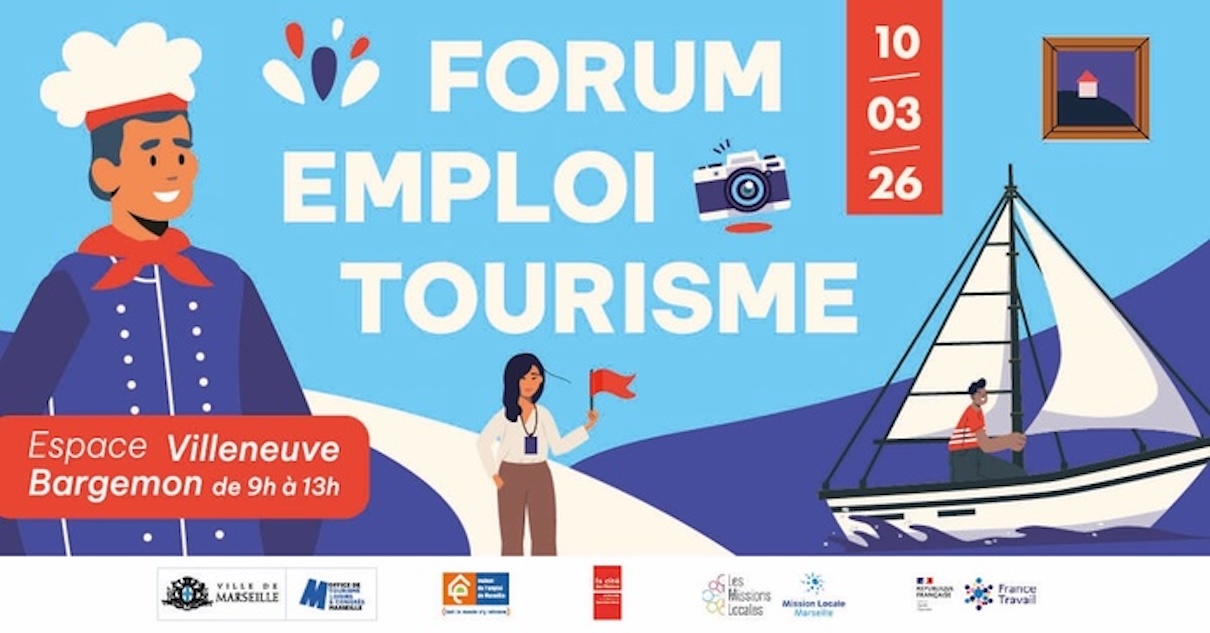
Marseille Tourism Jobs Forum Returns March 10, 2026


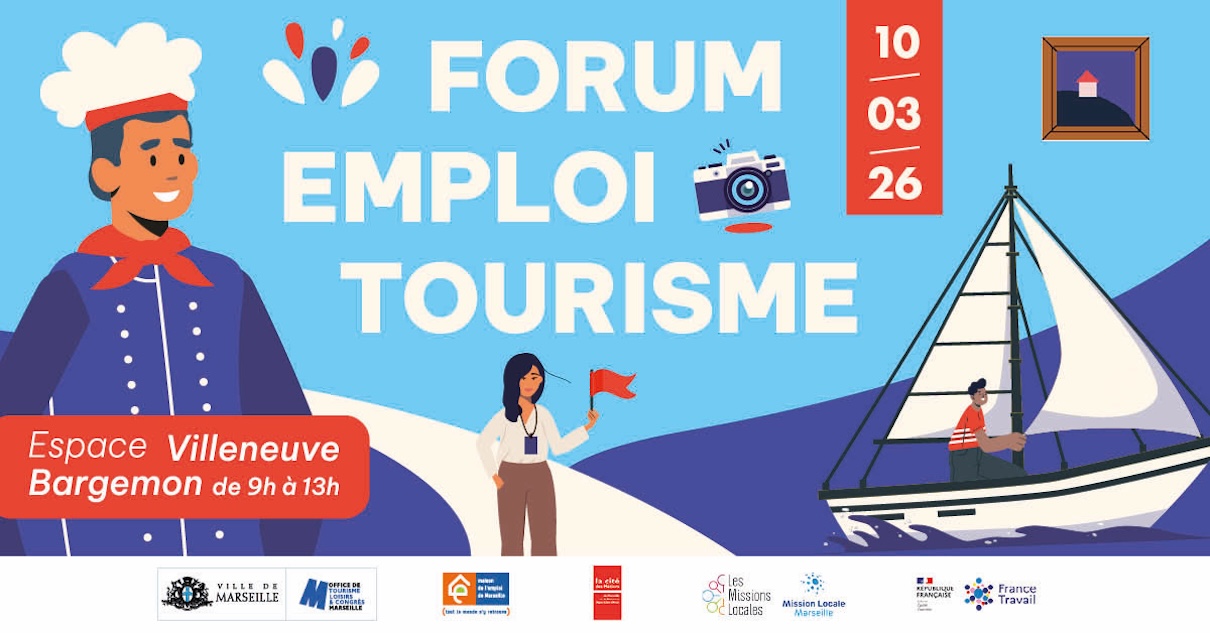
Marseille organise la 4e édition de son Forum Emploi Tourisme - Illustration : Ville de Marseille

CroisiEurope


Marseille s’apprête à accueillir la 4e édition du Forum Emploi Tourisme qui se tiendra le mardi 10 mars 2026 à l’Espace Villeneuve-Bargemon.

Organisé par l’Office de Tourisme, des Loisirs et des Congrès et la Ville de Marseille, l’événement est entièrement gratuit, tant pour les professionnels que pour les candidats.

Avec plus de 23 600 emplois directs (source : AGAM), le tourisme constitue l’un des piliers économiques de la Cité phocéenne.

La perspective d’un été 2026 soutenu accentue les besoins en personnel, notamment dans l’hôtellerie-restauration et les activités de loisirs.

Fort du succès des précédentes éditions, le forum entend faciliter la mise en relation directe entre recruteurs et candidats, sans prise de rendez-vous préalable.

L’événement est co-porté par plusieurs acteurs majeurs de l’emploi à Marseille, la Maison de l’Emploi de Marseille, la Cité des Métiers, la Mission Locale de Marseille et France Travail.


A broad range of professions

Des centaines de postes seront proposés. En hôtellerie, les recruteurs recherchent notamment des gouvernants d’étages, réceptionnistes ou bagagistes.

Côté restauration, les besoins concernent des cuisiniers, commis, serveurs, barmans, chefs de rang et plongeurs.

Enfin, dans le champ des activités touristiques, les offres couvrent des fonctions variées telles que guide de kayak, chargé d’accueil pour la location de vélos électriques, guide-conducteur de Tuk Tuk, agent d’accueil en boutique ou encore moniteur de voile.

L’Office de Tourisme sera également présent , avec une quinzaine de postes saisonniers de conseillers en séjour “Hors les Murs”, chargés d’informer les visiteurs dans les lieux emblématiques de la destination durant l’été.

De son côté, la Ville de Marseille proposera une cinquantaine de postes dans des secteurs variés.

Les offres sont ouvertes avec ou sans expérience. Les candidats seront orientés vers les opportunités les plus adaptées à leur profil et à leurs compétences.


Amelia Brille Published by Amelia Brille Staff writer at TourMaG.com
See all articles by Amelia Brille

  • picto Linkedin
  • picto email
Add TourMaG to your Google News feed Google Actualités icône  

Marseille Employment and Tourism Forum: Over 330 Job Offers (Video)


La quatrième édition du Forum emploi et tourisme de Marseille a réuni recruteurs et candidats - Illustration : Ville de Marseille

CroisiEurope


Tourism in Marseille is thriving, and recruitment needs are steady“, a souligné Stéphane Boumendil, responsable de l’organisation du Forum emploi et tourisme à l’Office de tourisme, des loisirs et des congrès de Marseille.

Cette quatrième édition, organisée en co-production avec la ville de Marseille et en partenariat avec des organismes de l’emploi tels que la mission locale, France Travail, la Maison de l’Emploi, ou encore l’UMI, EPIS et l’école La Deuxième Chance, s’est déroulée le 10 mars 2026.

Comme chaque année, l’événement a attiré de nombreux candidats et recruteurs.


Un rendez-vous pour tous les profils

Le forum a accueilli des centaines de candidats, certains orientés par les organismes de l’emploi, d’autres venus spontanément après avoir entendu parler de l’événement dans les médias.

Les employeurs, au nombre de 25 cette année, proposaient plus de 330 offres d’emploi, en progression par rapport aux éditions précédentes.

Pourquoi le tourisme ? “Le tourisme grandit depuis plusieurs années à Marseille et figure aujourd’hui parmi les quatre à cinq secteurs les plus importants en termes d’emploi dans la ville“, a expliqué Stéphane Boumendil.

Les besoins concernent aussi bien les postes en CDI que les CDD et les alternances, notamment pour répondre aux besoins de la saison estivale.

Nous sommes là pour accueillir, orienter et aider les candidats dans leur parcours, en espérant que le maximum d’entre eux puissent trouver un emploi aujourd’hui“, a conclu Stéphane Boumendi.


Amelia Brille Publié par Amelia Brille Rédactrice TourMaG.com
Voir tous les articles d’Amélia Brille

  • picto Linkedin
  • picto email
Ajoutez TourMaG à votre flux Google Actualités Google Actualités icône  

Countries With the Biggest Tourism Growth Since 2019: The Surprising Ranking

The rebound of global tourism is not benefiting all countries equally. Between 2019 and 2025, some destinations have recorded a dramatic rise in international visitor arrivals, while others continue to struggle to return to their pre-crisis levels from the COVID-19 health emergency. New OECD data, compiled by the Visual Capitalist data-visualization platform, highlight the big winners… and the “laggards” of this rebound.

The Middle East, North Africa and South America Lead the Recovery

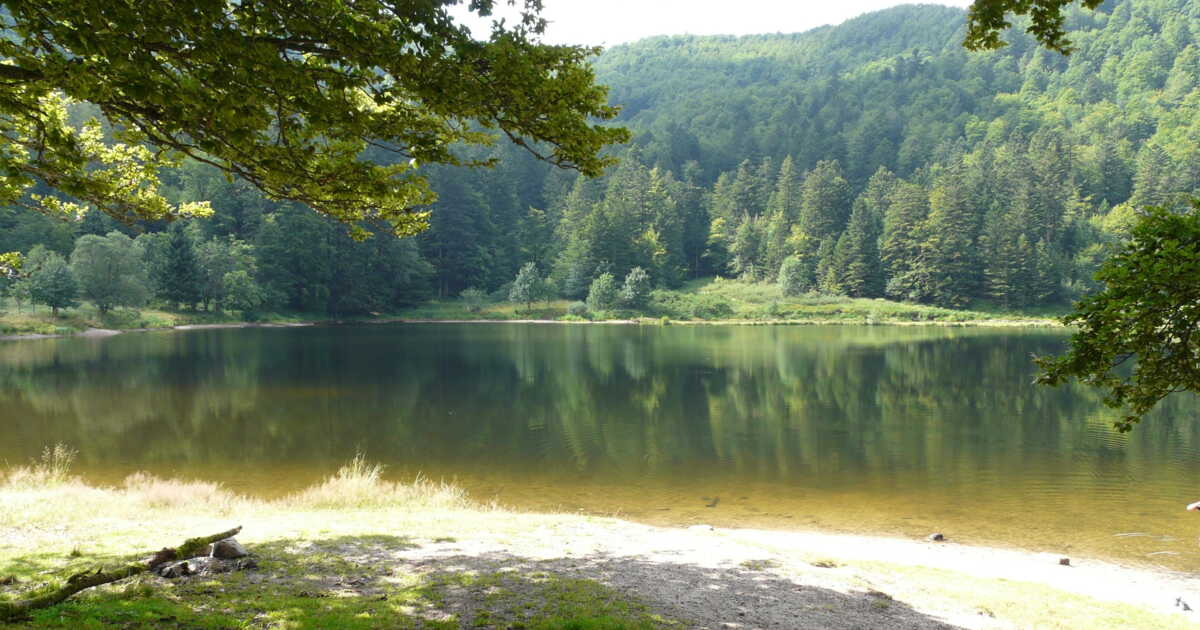
Why Is the Vosges Tourism Boom Starting to Harm Nature?

“The massif is gradually being transformed into an amusement park!” On the summits of the Vosges, the influx of tourists worries environmental NGOs and threatens in places the quiet of protected wildlife, even if their visits are also a boon for the region. On this Sunday at the end of July, atop the Markstein massif swept by a cool wind, Dominique Humbert-Beretti points to the object of her ire: the large rail-mounted toboggan installed at more than 1,200 metres altitude.

This kind of equipment robs the Vosges of their naturalness, of their biodiversity and of their beauty, simply put, according to the head of the SOS Massif des Vosges association. Especially since the end of the Covid pandemic, the region has seen a rush of vacationers seeking nature destinations, mainly from the Grand Est, Île-de-France and Hauts-de-France, as well as from Germany, Belgium and the Netherlands.

Mass Tourism: Iconic Sites Under Pressure

“We host more than four million overnight stays each year, and when you add family or friends visiting, we approach ten million overnight stays; it’s a major lever at the economic level,” stressed last June the president of the Vosges Department Council, François Vannson. Tourism revenue represents nearly one billion euros. “In these times, one does not spit it out.”

But success has its downsides, when the famous Route des Crêtes is overwhelmed by sports cars, motorcycles, or lined with long queues of motor homes, and sites struggle to channel the flow of visitors. As for the Tendon waterfalls, which attract 120,000 to 130,000 visitors per year, i.e. almost twice as many as before Covid, the mayor Gérard Clément assures. Since 2024, the tourist offices have removed this site from their brochures to curb the influx.

When you are part of the instagrammable sites, that means you have little control, notes the mayor of the Hautes-Vosges commune of about 500 inhabitants. Besides the parking near the waterfall, he cites damage from foot traffic on the trails and by crowding. A visitation that is further amplified “by periods of intense heat”, when city-dwellers from Strasbourg, Colmar or Mulhouse come to breathe for the weekend.

Animals, collateral damage?

Wildlife also suffers. Not far away, in front of the Housseramont state forest, Louis-Michel Nageleisen speaks of a “continuous disturbance” of fauna. The culprits? “Blueberry and mushroom pickers, trail runners, or guides leading mountain excursions”, who do not always respect quiet zones for owls, lynx and other great capercaillies, laments the vice-president of the NGO Oiseaux-Nature.

The award-winning documentary “Le chant des forêts” by Vincent Munier, an ode to the Vosges’ wild nature, has also inspired image-hunting vocations, he tells AFP. These goings and comings can hinder the reproduction of species, in spring for birds, then in autumn for the deer, he warns.

New Solutions to Limit Tourism’s Impact

With the lack of snow linked to climate warming, ski resorts are turning to summer facilities – sleds, mountain-bike trails, or other group activities. The sector must develop a “quality tourism,” aimed at families, analyzes the president of the departmental council.

“We have a lot of people in the summer, it’s normal and fortunately because it’s what also keeps the territory alive,” notes Blandine Jonard, deputy director of the Gérardmer tourism office. And thanks to visitor counters installed since 2022 at the sites favored, the office can advise tourists in real time and offer an alternative when the place they aim for is saturated, she points out.

At Tendon’s little waterfall, things are going to change: from 2027, visitors will be able to park only in parking areas outside the site, from which they can reach it after a short hike. No more “two or three selfies or photos, then back into the car, and off”, says the mayor. All that is sought is “a somewhat gentler tourism, a bit more discovery, a quieter experience.”