Irish Tourism Webinar: Outdoor Activities in Ireland – May 12, 2022


Thematic : Outdoor activities in Ireland

Date : May 12, 2022

Time : 11:00 AM


Webinar Description

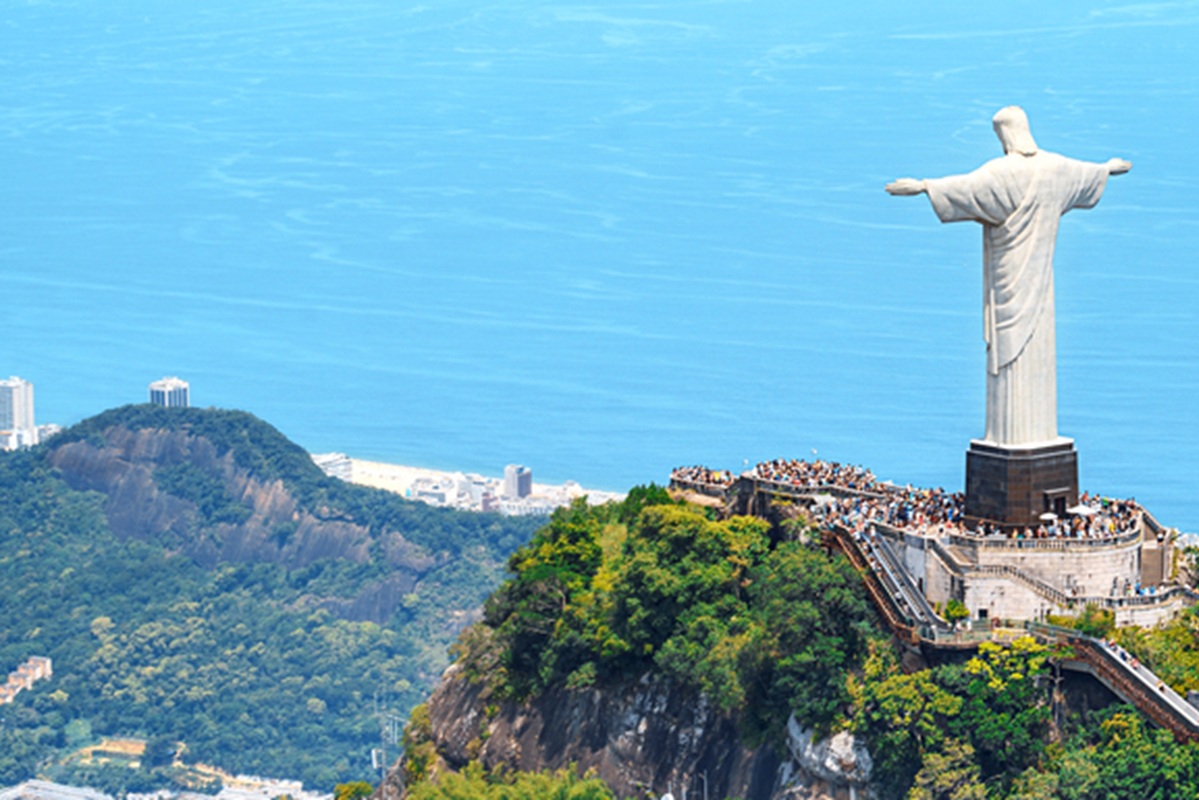
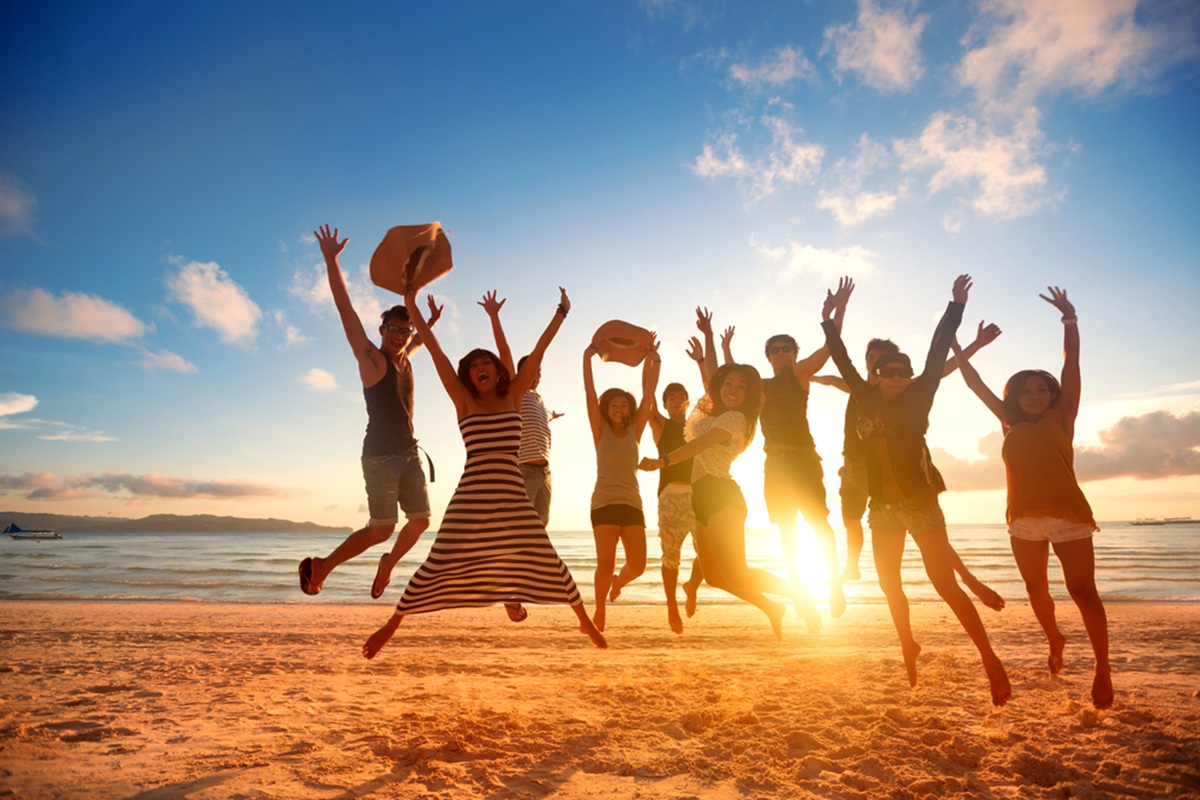
Vacations in Ireland can be very active. Hiking trails, mountains, rivers, and of course the ocean: all playgrounds for discovering the Emerald Isle.

During this session, two receptive agencies will introduce you to outdoor activities in Ireland: cycling along the Greenways to connect the most beautiful historic sites of Ireland’s Ancient Lands, learning to surf on the beaches of the Wild Atlantic Way, taking a boat ride on the River Shannon in the Heart of Ireland, or exploring the Giant’s Causeway in Northern Ireland. Dublin Bay is recognized as a UNESCO Biosphere; why not embark to discover it?

The speakers will also be happy to answer your questions during a Q&A segment at the end of the session.


Other sessions

The Ireland Family Tour

Watch the replay

Responsible Travel in Ireland

Watch the replay

Luxury offerings on the Island of Ireland

Watch the replay


Our other tools for tourism professionals

We provide travel agencies with all the tools needed to animate sales at agencies, such as brochures, totems, and posters, as well as website content with banners, videos, and photos.

✔ Training courses

✔ Online brochures

✔ Toolbox for our current campaign


Who we are

Tourism Ireland is the official promotional body for the island of Ireland overseas. The team in France includes a department dedicated to tourism professionals to support them in marketing the destination through the organization of trainings and familiarisation trips, while also prioritizing meetings with professionals from the island of Ireland.

Irish Tourism Webinar – Luxury Offer in Ireland – May 19, 2022


Theme: The Luxury Offering in Ireland

Date: May 19, 2022

Time: 11:00


Webinar Description

The upscale offering in Ireland is renowned and diverse: 5-star accommodations, castles, boutique hotels—there is something to suit every preference. Exclusive activities, private tours, and spa and wellness options complete the experience for a unique and authentic stay. The warmth and quality of Irish hospitality leave an enduring memory.

Two inbound tour operators will present their itineraries, their best programs, and premium activities to offer your clients.

The speakers will also be delighted to answer your questions in a Q&A session at the end of the session.


Other sessions

The Ireland Family Tour

Watch the replay

Responsible Travel in Ireland

Watch the replay

Outdoor Activities in Ireland

Watch the replay


Our other tools for tourism professionals

We provide travel agencies with all the tools necessary to boost in-store sales, such as brochures, displays (totems) and posters, as well as the management of a website with banners, videos and photos.

✔ Training

✔ Online brochures

✔ Toolkit for our current campaign


Who we are

Irish Tourism is the official promotional body for the island of Ireland abroad. The team in France includes a department dedicated to tourism professionals to support them in marketing the destination through organizing trainings and edutours, as well as by prioritizing meetings with tourism professionals from the island of Ireland.

Irish Tourism Webinar: Slow Tourism in Northern Ireland – November 30, 2023


Theme : Slow Tourism in Northern Ireland

Date : November 30, 2023

Time : 10:00 – 10:45

→ Learn all about Slow Tourism in Northern Ireland


Webinar Description

Ireland, green by nature, offers numerous opportunities for responsible travel, and the Northern Ireland region certainly has a substantial share. From orchard strolls to traditional cuisine based on local ingredients, your clients can discover a sustainable Northern Ireland, a champion of slow tourism. Regional experts will present three unforgettable sustainable experiences in the locality:

Nikki Elliott, of Walk It Off NI, will virtually guide you through one of her hikes in the Belfast countryside.

Tracey Jeffreys, of Tracey’s Farmhouse Kitchen, will talk about her intimate cooking sessions where visitors craft their own versions of Northern Ireland’s most iconic dishes.

Finally, Donna Fox invites you to explore the famous orchards of her hometown, Armagh, as part of one of her environmentally friendly Northern Ireland tours that highlight local history and traditions.

→ Learn all about Slow Tourism in Northern Ireland


Upcoming Sessions

The Irish Tourism Authority will host themed webinars every two months throughout 2024 to provide you with the most relevant information and to inspire your upcoming itineraries in Ireland.

Sign up for the Irish Tourism’s monthly newsletter to receive the details.


Our Other Tools for Tourism Professionals

✔ Online brochure


Who We Are

Irish Tourism is the island’s official tourism office, the organization responsible for promoting the island abroad as a leading travel destination. The Paris-based team is at your disposal to answer your questions and support you in your efforts—please feel free to reach out to them.

Nick Adams, Trump’s Tourism Ambassador, Responds to Criticism of the United States [ABO]


Nick Adams, le Monsieur Tourisme de Trump ce 2 juin à Paris. Photos C.Hardin

CroisiEurope


Here in France, Nick Adams isn’t widely known yet, having been personally appointed by President Trump to the role of American presidential envoy for tourism, with the mission of strengthening the United States’ appeal to international visitors.

Born in Australia where he got involved in politics at a young age, he eventually settled in the United States in 2012 and became an American citizen in 2021.

Very Republican in his public statements, one can read in a document published by the U.S. Department of State, the equivalent of the foreign affairs ministry, that: “For more than ten years, he has appeared as a commentator on television and radio, in the United States and internationally, on topics such as conflict resolution and international relations. His work promoting American exceptionalism has earned him recognition from several governors across the country…”

Nick Adams has set himself the objective of attracting 100 million visitors per year to the United States by 2030, particularly in light of major international events that the country will soon host, such as the FIFA World Cup, the Rugby World Cup and the Olympic Games.

With the observation that in 2025, the United States is the only country among 184 economies to see its tourism revenues decline, and at a time when budgets to promote the country are being slashed, the mission is somewhat challenging.

Yet the man is enthusiastic, jovial, and possesses that sales savvy aimed at bringing in and re-attracting as many visitors as possible to the United States. On the terrace of the Cheval Blanc hotel in Paris, which earned its Palace designation this Tuesday, Nick Adams answered our questions.


99.9 % of tourists traveling to the United States will not have their social media checked

TourMaG – It’s an undeniable fact that in 2025, demand for travel from Europe to the United States has fallen. This results from three factors: a sense that crossing the border is harder, the cost of living in the United States, but also — let’s be honest — a poor image of the American administration and President Trump. One of the leaders of a major French travel association recently stated:

We cannot say that Trump is the best ambassador for tourism to the United States. ” What is your response to these three points?

Nick Adams : Regarding the drop in demand, what we generally believe is that many people who had planned to come in 2025 realized that 2026 would be a far more interesting year in America, with the 250th anniversary, Independence Day celebrations, the FIFA World Cup and so many other events.

For us, the good news is that the data we have shows there are nearly 93,000 flights planned between Europe and the United States between June and October this year. That is a 3% increase in the number of flights from June to October 2025, which means there are more than a million additional seats to the United States.

Moreover, the World Travel & Tourism Council has forecast a 2.1% rise in tourism’s contribution to the U.S. GDP and a 12% increase in American jobs in the tourism sector.

Finally, the World Travel & Tourism Council has also forecast a 5% rise in the number of visitors to the United States in 2026. All the data I receive show an upward trend and that people are choosing to return to America.

Now, on the other points, I acknowledge there is this perception among people. However, I am here, in my role, to tell people the truth, the reality.

You spoke about the cost of living. Prices are rising; that is the reality, but it is everywhere, and I sincerely believe that America still offers good value for money.

Second, you mentioned rumors about scrubbing social media profiles of visitors, and I want to clarify this: 99.9% of tourists traveling to the United States will not have their social media checked. That is not true. It was never done. It has never happened.

I checked with the Department of Homeland Security, and they told me that the number of people whose social media have been checked since the start of the Trump administration is no different from the number under the Biden administration, nor under Trump’s first term, nor under Obama.

The figures are identical. Nothing has changed. It’s a false story that was manufactured and spread by people who do not like America, who do not like the president, and who want to damage the American economy and the American tourism industry.

And I’ll add something else for TourMaG readers: if you really want to understand what tourism in the United States is, go talk to your friends, neighbors, colleagues who have returned, and ask them. I guarantee that every person you ask will tell you they had a good time, and that’s all.

About the criticisms of the President: if there is anyone who truly understands the travel and tourism industry, it’s President Trump. Before leading this country, he built hotels, resorts. He is someone who knows what a problem at a hotel reception at 3 a.m. looks like, the issues of a bus trip with tight schedules… He has lived in this industry.

Additionally, your colleagues in the United States—the American travel industry, the Brand USA association—have, for decades, asked many presidents to create an American Minister of Tourism. “Please, create someone who represents us, who can be a spokesperson.”

That has never happened. But who made it happen? Donald Trump. That should give you an indication of why I think he is good for tourism and travel.

As for me, I have loved tourism and travel my entire life. It’s about exploration, discovery, personal growth, gastronomy, learning, meeting people, visiting relatives who live in another country, and reconnecting with friends you met in college.

And then, if you worry about going to a country depending on who is Prime Minister or President, or on government policy, in my view, that isn’t a good idea. The country doesn’t change.


“We are ready for the World Cup”

TourMaG – The World Cup is the major event in the coming weeks. Are you ready?

Nick Adams : Absolutely. Ready to go. We’re looking forward to it and it will be a great success.

There will be 78 matches in the United States that we have planned and prepared for a long time. We will also maintain the highest possible level of security.

TourMaG – Will you host Iran?

Nick Adams : Iran will be based in Mexico. We will welcome people from around the world. We are very, very, very excited and very optimistic about the World Cup results.


Brand USA, a valid partner

TourMaG – A question about “Brand USA.” You work with them. I’ve read that you value their work, yet their budget has been cut. They have gone from $100 million to $20 million. Do you want them to regain their previous budget?

Nick Adams : I am not involved in that and I do not have any power on this matter. What I can say is that they are still very active. They have just launched two very nice campaigns. They are a legitimate partner. I enjoy working with Brand USA.

There are a lot of people in the federal government who work with tourism: the White House, the State Department, the Interior Department, the Department of Transportation, the Department of Homeland Security, the Department of Commerce, the NTTO (National Travel and Tourism Office). These are all incredible allies.

I couldn’t do the work I do without their support and help. But I think the best news for Brand USA, for the NTTO, hoteliers, airlines and all tourism operators, is that my role has been created.


China: Year of the Fire Horse Boosts Tourism Numbers [ABO]


Les autorités chinoises anticipent un record de 9,5 milliards de trajets passagers sur la période de 40 jours entourant les festivités du Nouvel An - DepositPhotos.com, yuliang11

CroisiEurope


As the chunyun period, the annual peak for travel tied to the Chinese New Year, has just begun in 2026, domestic tourism is experiencing the most spectacular yearly surge.

Rush to trains, to planes, to highways… The nine days of holidays granted to Chinese workers represent a golden opportunity to pack bags, hit the road, and visit family. And they indicate staggering crowds in transit hubs and at the legendary tourist sites.

Already, Chinese authorities are forecasting a record of 9.5 billion passenger trips over the 40-day period surrounding the festivities, up from 9.02 billion last year.

This speaks to the health of a sector that the government is keen to support in order to offset its tepid economic performance.

Also read: Young Chinese rediscover their traditions


Many foreign visitors

But resident populations are not the only ones elbowing their way through crowds and queuing for hours in shops.
From abroad, many visitors choose to come to China to experience the Spring Festival. Among them, the diaspora remains eager to return home.

Also read our series dedicated to diasporas
In the crowded streets of many cities, there are tastings of local specialties, traditional performances, festive customs, markets, popular parades, lit lanterns, etc. Immersion in a millennial culture is both vibrant and warm and guarantees a change of scenery. “It is also an ideal way to start the New Year,” newspapers claim.

For another proof of this momentum: according to data from the travel platform Qunar, the number of domestic flights booked during the New Year holidays by travelers with non-Chinese passports rose by nearly 30% year over year.


Korea, Singapore, Russia…

According to the head of public affairs at the travel platform Ctrip, Malaysia, the Republic of Korea, Singapore, Japan and Russia are among the main origins of visitors.

It should be noted that visa exemption policies covering 76 countries are playing a decisive role in this rebound: bookings from Russia alone soared by 471%, while trips by Korean tourists rose by 95% during the Spring Festival period.


Starting February 17, 2026, the Middle Kingdom has decided to extend its visa-exemption policy to ordinary passport holders from Canada and the United Kingdom. A measure set to last through the end of 2026.


The Chinese outbound market is rebounding


A major bottleneck

This two-way flow of travel to and from China, one of the defining features of the 2026 Chinese New Year, should not obscure that people from other nationalities are also traveling, notably Vietnamese, Thai, and Singaporean travelers who are pouring into neighboring destinations of the Middle Kingdom and creating traffic jams all around the region, and a novelty: scattering into the mountains as well.


Snow, the White Gold, to attract both domestic and international tourists

Important and forward-looking: the development of mountain tourism is spectacular.

For populations in Southeast Asia, now is the ideal moment to come to China and breathe the mountain air, enjoying leisure activities such as hiking and taking in exceptional panoramas.

Among them, Sichuan emerges as the most popular destination for travelers from Singapore, Malaysia, but also Indonesia, Thailand and even Australia where winters are increasingly warm.

For example, the newspaper China Daily notes the success of the “Dagu Glacier scenic area,” which drew nearly 140,000 visitors. According to border crossing data, one and a half million travelers crossed the border on December 2, 2025, a 48% increase.

In Harbin, one of the world’s largest ice and snow parks, during the 2024-2025 season, 90 million visitors were welcomed, including many Russians, Japanese and Koreans—about 20,000 per day. A record celebrated with international awards and explained by new direct air links and the opening of new facilities and activities.

In any case, the city claims revenues around $22 billion USD! A performance reflected in the growing enthusiasm for skiing. Had the Chinese leader promised to put 400 million people on the pistes?


A five-year strategy

If the Chinese press attaches so much importance to these movements, according to a leading researcher at the Tongcheng Institute of Research, this dynamic can be explained by several factors, including the rising value of the Chinese passport, the proliferation of visa-exemption agreements, and the improvement of international air connections from numerous Chinese cities.

He also notes that Chinese culture is generating increasing interest among young people abroad. “The Chinese New Year, as the most important traditional festival, naturally attracts those who want to experience an authentic encounter at the heart of Chinese culture,” he explains.

Meanwhile, the tourism minister recalls that 2026 marks the starting point of a five-year tourism development plan designed to raise the offer to international standards. Sources www.xinhuanet.com

Finally, remember that after a 2025 year guided by the Wooden Snake, 2026 is the Year of the Fire Horse—a remarkable convergence that occurs only once every 60 years!


Josette Sicsic - DR

Josette Sicsic, journalist, consultant, lecturer, has been observing the shifts of the world for more than 25 years to analyze their impact on the tourism sector.

After developing Touriscopie for over two decades, she remains at the frontline of current events, decoding the present to forecast the future. On the site www.tourmag.com, in the Futuroscopy section, she publishes several times a week forward-looking and analytical articles.

Contact: 06 14 47 99 04

Email: [email protected]

Urban Tourism: The Herculean Efforts of Elected Officials [ABO]


Les murs peints du 14 éme arrondissement à Paris, consacrés à Jacques Demy - Photo JS

CroisiEurope


Le maire du treizième arrondissement à Paris ne cache pas ses ambitions. Son arrondissement déjà largement touristique avec une foultitude d’hôtels, brasseries, lieux culturels… doit continuer à attirer des touristes. Comment ?

Pour atteindre ses objectifs, le maire a choisi de positionner son arrondissement sur le street-art.

Moins élitiste, très créatif, le développement de cette forme d’art constitue l’un des moyens de séduire sur un mode interactif un public de jeunes et des artistes souhaitant démontrer leurs talents.

Synonyme de tourisme urbain, la diversité et la qualité culturelles ne sont pourtant que l’un des chantiers auxquels doit s’atteler une ville aux ambitions touristiques affirmées. Pour exister aujourd’hui, celles-ci doivent en effet plus que jamais investir, innover, communiquer, étonner, se renouveler…


Tourism with a Heavy Footprint

With hundreds of millions of individuals of all nationalities on its books, it is true that urban tourism remains an unrivaled historical practice in the spectrum of tourist activities.

It may be challenged by the growth of urbanization, population, and the ups and downs of the economy, but which leisure tourists would deprive themselves of a heritage visit, a shopping day, a show, and an exceptional nighttime activity? And which business traveler would resist the lure of a fine meal, a museum outing, or a drink at a nightlife bar?

Who else would resist the temptation of using city airport and rail facilities that allow these places to be reached quickly and dwell there for very short, particularly immersive and culturally enriching stays?

As core components of leisure tourism, all these activities have been promoted and developed over centuries of history during which the city asserted many other strengths: those generated by medical research, the university, politics, justice, science, commerce…

Crossroads and international or regional showcases, they have become so indispensable that some are tempted by this new craze called demarketization. They try to make themselves “a little” forgetful by tourists who are too numerous.

These famous “over-tourists” often caricatured and vilified by a poorly informed or outright misinformed public, who are most often not so numerous outside peak periods.


Destinations in urban areas account for 75% of global tourism. The major cities themselves account for half of that share. In France, urban tourism captures 42% of business overnight stays, i.e. in 2024, a rise of +5.5%, and 64% of the French hotel capacity (in number of rooms), including 25% for Paris and the Île-de-France region.

Sources : Atout France


Investments in “Sustainable” Strategies

But beware, none of the great and mid-sized universally known cities waited for tourist windfall with arms folded. To stay in the race, strategy and investment were necessary.

A task all the more difficult as the city must satisfy two publics who do not share the same expectations. Building a convention center is equivalent to also making this facility a venue for performances.

Renovating a monument or a museum should allow local residents to frequent it without pushing through crowds. Implementing a public transport service must first address the needs of locals, etc.

All of it within a sustainably preserved environment. An imperative that all cities have now incorporated and seek to respect by implementing, with more or less shared methods: greening, soft mobilities, management of road traffic, development of pedestrian zones, accessibility for all (notably the disabled), a balanced climate policy, and the use of eco-friendly materials for buildings (including tourist facilities), all equally eco-responsible… At the head of these exemplary cities: Copenhagen, Oslo, Barcelona, Amsterdam, Berlin…

In France, according to the GDS Index, these cities are Lyon, Bordeaux, Grenoble, Paris, Strasbourg, Nantes… A number of cities that, trailblazers on the subject, have all proposed programs including the development of their environmental actions.


The Intelligence of Cities


The Ten Most Visited Cities by International Tourism

This ranking relies mainly on data published by Euromonitor International, through its Top 100 City Destinations Index 2025, today the global reference for measuring international city tourism traffic. It is obviously influenced by current events but remains representative of the volumes that cities face.

1. Bangkok, Thailand – 30.3 million visitors

2. Hong Kong – 23.2 million

3. London, United Kingdom – 22.7 million

4. Macau – 20.4 million

5. Istanbul, Turkey – 19.7 million

6. Dubai, United Arab Emirates – 19.5 million

7. Mecca, Saudi Arabia – 18.7 million

8. Antalya, Turkey – 18.6 million

9. Paris, France – 18.3 million


Balancing the Needs of Local and Visiting Populations

Finally, the new orthodoxy (for over a decade now) is to reconcile the interests and practices of tourist populations and resident populations. A colossal task that all players in territorial tourism have taken up, without possessing foolproof recipes or the means to implement them.

Indeed, for a long time, the appearance of the “Greeters” has enabled tourists to visit a territory in a personalized way. Competing with a few other associations, this movement has been a success.

Another welcome practice, easing contact with locals, is the exploration of a neighborhood around a specific theme: cinema, song, Art Nouveau, industrial art, “street art,” chocolate shops, locally brewed beers…

This inexhaustible and innovative way of bringing places to life is all the more successful because it involves resident populations traditionally distant from tourists. Welcoming school groups in exchange programs is another tool not to neglect, as well as all sports or cultural associative exchanges.

Dances, balls, “ephemeral beaches,” open-air cinema and other street animations and festivals are also excellent means of letting two kinds of audiences coexist. Marathons, rallies, night walks, on foot or by bike, also meet the playful, festive, and participatory demands of urbanites and their visitors…

In short: to be perfect, the “urban comedy” must indeed be human first and foremost. And tourism must be the link enabling two worlds to live together in peace. A digital link, yes, but also and above all: a human link!

And let us stop describing the tourist as a “over-tourist” just to ease the mood.


Josette Sicsic - DR

Journalist, consultant, lecturer, Josette Sicsic has been observing the shifts in the world for over 25 years to analyze their consequences for the tourism sector.

After developing the Touriscopie journal for more than 20 years, she continues to be on the front line of current events where she decodes the present to forecast the future. On the site www.tourmag.com, Futuroscopie section, she publishes several times a week forward-looking and analytical articles.

Contact: 06 14 47 99 04

Email: [email protected]

Local Tourism: How to Attract Customers Within 100 Kilometers


Tourisme local : comment attirer les clients à moins de 100 km ? - Depositphotos.com Studiostock

CroisiEurope


Before selling travel, one must first establish its brand in the local landscape. For Fatima Faivre, regional director of Ready to Go, the priority remains physical visibility.

« The first reflexes will be communication: 4×3 signs, communication supports in the surroundings to highlight this new agency, » she explains.

The regional director explains adapting the communication radius to the territory: « In some areas, we communicate within a 10 to 20 km radius. In cities that draw several valleys, that can go up to 30 km. »


The same logic applies to Pierre Doucet, who bets on regular, multichannel communication to anchor his agencies locally.

« We run radio campaigns, bus-stop advertising, and we participate in all the trade fairs in the towns where we have shops, » he details.

For the head of the Terre D’Ailleurs network, the stakes are simple: staying visible so as not to be forgotten.

« Today, creating a travel agency is a very risky move. Customers will only come to you if they need you. You have to offer something relevant », recalls the founder who opened his Blois agency in January 2020 before having to close it during the Covid period.


The social networks: building closeness before the visit

Social networks have become essential for creating a relationship with locals before they even push open the agency door.

At Ready to Go, teams notably work on teaser videos before an opening.

« The team starts communicating about a great new thing coming to the city, in order to grab the shoppers’ attention and make them want to come see us, » explains Fatima Faivre.

Contests are also part of the tools used to create engagement.

« For a trip purchased, customers can take part in a game that will allow them to win their trip », cites the regional director of the Ready to Go network.

For Léa Joulia, founder of the online Naïa Journey agency, social networks and digital tools remain essential to tell a brand identity.

« Social networks, the website, or the newsletter are indispensable to present offers and tell the travel universe », says Léa Joulia, who is very active on Instagram.

But one must still choose the right channels. Pierre Doucet reminds that the strategy depends above all on the target clientele: « Our 60-year-old clients are on Facebook . We need to be where our customers are. »

The head of the network also uses YouTube to work on local notoriety.


Events to foster local connections

Event marketing remains a powerful lever to attract locals into a physical agency and create a tangible travel experience.

Jessica Sorin, for example, organized her agency’s inauguration on May 14 around a Polynesian immersion in her concept store Maison Manaventura.

Read also: Maison Manaventura: from Tahiti to Vendée, Jessica Sorin paves her way

Pierre Doucet, for his part, continues to rely on local trade fairs and exhibitions.

« Trade fairs are my hallmark for 30 years. It takes presence, but they create ties and a network », he explains.

To refresh the experience, the professional multiplies activities: virtual reality headsets, scratch games, or immediate discounts.

« Today, people want to win something. Even a small discount can build a relationship and trigger a booking. »

At Ready to Go, games and rewards also help to drive foot traffic to the agency.

« For example, you can reward clients who booked the most significant file. It can be valuable goodies, like a bottle of rum, a quality suitcase… or even plane tickets for a future trip. People who win talk about it to others, and that’s wonderful as well, » confirms Fatima Faivre.

Some formats, however, are losing steam. Pierre Doucet believes that traditional client evenings no longer suffice. « If it’s just offering a drink and giving a presentation, that’s no longer enough. People come if they have a real reason to come », notes the Terre d’Ailleurs founder.


Word of mouth, still king

Despite the rise of the digital world, all the professionals interviewed agree on one point: nothing replaces local recommendations.

« The network, the network, the network: network culture is essential, » sums up Pierre Doucet.

Based in Châteauroux for 30 years, he relies on daily presence in local life. « People have been seeing me around the local landscape for 30 years. This presence builds trust », he confirms.

The same sentiment for Léa Joulia, especially on experiential travel: « Word of mouth remains incredibly strong for this type of trip where the human experience matters a lot. »

The founder adds: « A satisfied traveler is your best advertisement. »

In the end, attracting clients within a 100 km radius relies less on a miracle recipe than on steady visibility, proximity, and human connection.

As Pierre Doucet summarizes: « We must stay true to ourselves, keep our values, and make sure people feel the need to come to us. »


Find all articles in our series “Very Special Agent – The Practical Guide for the Pro” by clicking this link.

Tourism: After a Difficult May, Operators Turn to the Government for Support [ABO]


Laurent Abitbol : "Nous sommes plongés dans une crise psychologique" - Depositphotos @yellow_man

CroisiEurope


The months come and go, closely resembling one another for the tourism sector, or nearly so.

After turning red in March, the situation hardly improved in April and seems to continue its downward slide in May. Indicators are not favorable for a large portion of the industry, and even players who seemed to be navigating fairly well are starting to struggle.

It must be said that the month just ending was not particularly favorable for travel agencies.

There were many long weekends this year and, to be honest, there weren’t many bookings in travel agencies.

After that, it should be noted that we now work on a 12-month basis rather than four months. July and August no longer really count as peak season in distribution.

The worry is there, always, but as long as the financial year isn’t over, no one can draw conclusions. We risk a strong rebound in June, because travel remains an imperative for the French,
” explains, optimistically, Richard Vainopoulos.

In terms of departures, Tourcom will post a slight -2% compared to May 2025. It’s a not-too-bad outcome.

And while the network head concedes that there wasn’t much of a crowd in the agencies and that the training helped keep the staff busy, the profession appears, at least in part, to gaze with concern at a backorder that isn’t taking off and jeopardizes, or even erases outright, the head start gained at the beginning of the year.


Laurent Abitbol: “We are in the midst of a psychological crisis”

On Laurent Abitbol’s side, the slowdown in activity intensified again in May.

The situation is even worse in May than in April. We are seeing a sales trend around -25%.

Unfortunately, there is no improvement. I am not worried because we are resilient, but it must not last too long.

We are in a real psychological crisis.


This war and its impacts don’t encourage consumption, due to the news and the rise in fuel prices. So imagine travel, it’s double trouble… people don’t want to leave,
explains the head of the Marietton group.

Last week, the businessman explained observing a 24% drop in orders between March and May. A drop that nearly erases all the gains recorded by Selectour agencies since the start of the year.

And the situation does not seem much better elsewhere. Because when the leader of French distribution grimaces, usually the industry isn’t in a better position, with one exception…

The month of May is always complicated, it looks to be worse than 2025.

After that, we have a cushion compared to the rest of France, because our companies are often on the border with Germany or Luxembourg. The impact is therefore smaller.


We have clients who work in these countries, with higher salaries. Moreover, we also work with tour operators such as Luxair, which decided not to implement a fuel surcharge, but also with German and Belgian players.


To tell you the truth, Fensch Voyages has been at -6% since March. It’s a bit the trend in the Grand Est, we are far from the figures of our peers,


“I think the summer is dead unfortunately”

A little further north, Abou Fall, owner of three franchised TUI agencies, also slightly stands out from the market.

It’s not catastrophic, but the momentum isn’t great either.

I still have one agency growing and two others in the red. There is, of course, a bit of worry, because the decline has been steady since March at my points of sale in negative territory.

At the end of February, we were +12% ahead for my group and, to date, we have moved into the negative,
he tempers, having previously served as France sales director for the TUI network of franchised agencies before opening his own agencies.

And here closes the rather optimistic parenthetical of this article. For the other messages sent and calls made have yielded responses that contrast with these last two testimonies.

“One boss explains that the figures of the next EDV barometer should be very poorly oriented compared with April, already unfavourable. Another major executive tells us that his numbers are very bad, while a third estimates that this crisis is even worse than the Covid one.”

The anxiety is palpable, without giving in to panic.

There is growing concern within the profession.

For us, we had quickly taken precautions, so we are limiting the damage. But, like everyone, we would like this not to last too long.

Personally, and I hope to be mistaken, I think the summer is dead unfortunately. Unless there is a rapid improvement in the situation, but at this moment there are too many threats weighing on consumers,
” estimates Grégory Monna, director of travel activities at Chauchard Évasion – Voyages Triangle.

This assessment is shared by other leaders, with a few nuances, except for Laurent Abitbol.


“Beaucoup d’acteurs sont en difficulté” et “l’activité partielle est refusée”… par l’État
Enfin, with one caveat, the Lyonnais believes that unblocking the Hormuz Strait might unlock everything.

Leisure is in crisis, fortunately groups and business travel are holding up. As long as the strait remains closed and the war continues, it will be difficult to restart the engine.

We must wait for this to pass. We keep the back straight, it’s a long process.


We keep the teams occupied with training and other initiatives. For the moment, I am not overly worried about the profession. However, this could hurt the industry if it lasts over time.

And to restart activity, I oppose price cuts. Do not slash prices, nor advertise with such promotions, because that sends a bad message to customers. Then, we simply cannot sell at a loss,
” argues the chair of the board of Selectour.

The solution lies in Donald Trump’s hands.

And while the American president seems to no longer know how to disentangle himself from this conflict, the Soccer World Cup is approaching rapidly. There is no doubt that a war between two participants in this very World Cup would be poorly viewed by the world press and could spoil the festivities.
Will this timing be favorable to a lasting peace between the United States and Iran? The days to come will tell us.

In the meantime, as sales begin to recover, professionals knock on the State’s door, which does not seem more concerned about the situation of travel agents.

From what I hear in the sector, many players are in difficulty and some are extremely worried.

And we are among them, because with such a May, we will not be able to cover the salaries of our employees. We are in a deep anxiety crisis, fueled by media coverage. There was the conflict in the Middle East, then the spike in oil prices, the fear of a kerosene shortage, the hantavirus on the cruise ship… and now, we are facing a heatwave.

Regarding partial unemployment, which is becoming a major topic of discussion, requests are refused within the industry, with only a few rare exceptions“, laments a business owner who preferred to remain anonymous.


Should We Hire Talent From Outside the Tourism Industry? [ABO]


Faut-il recruter des profils hors tourisme ? - Depositphotos.com studiostock

CroisiEurope


Profiles from retail, education, events, or tech… the gateways to tourism are multiplying. An evolution first driven by shortages.

“We sometimes recruit profiles from outside tourism when we can’t find anyone.”, summarizes Céline Gleizes, HR manager at Eden Tour.

Valérie Dufour, head of the employment section at TourMaG, notes, however, that recruiters remain attached to specialized training: “I still have a majority of recruitment staff in travel agencies who favor tourism training among candidates, with the BTS Tourism minimum and experienced professionals for tailor-made trips.”

But she also observes “a small revolution” in HR practices within the sector. The Covid crisis deeply weakened tourism attractiveness. Demanding hours, salaries sometimes deemed insufficient, high operational pressure: many professionals left the sector without necessarily returning.

“Tourism companies do not hire from outside out of sheer resignation, analyses Valérie Dufour. They must respond to an historic talent shortage, but also to a profound transformation of professions.”

Tourism has become digital, client expectations have evolved, and the sought-after skills are now sometimes found outside the sector.

Yet this openness does not mean that “everyone can do tourism”. “Many candidates think that organizing their own vacations is enough, notes Céline Gleizes. But when they discover the complexity of agency work, some realize it isn’t for them.

Valérie Dufour recalls that some jobs remain highly technical. “Knowledge of destinations, insurance, air tariff pricing or tools like Amadeus cannot be improvised.” she emphasizes.


Travel as a Common DNA

At Prêt à Partir, Fatima Faivre fully embraces recruiting atypical profiles, with one essential condition: « The person must have a traveler’s profile. Be passionate about travel. »

For the regional director, the decisive criterion isn’t so much the diploma as the travel culture.

« A person outside tourism who has never traveled is very difficult. On the other hand, seasoned travelers know what they are talking about. »

Some tour operators specializing in tailor-made travel now prefer to train enthusiasts rather than recruit only travel technicians.

Valérie Dufour cites notably the example of Voyageurs du Monde, which has taken a bold gamble: « It is easier to learn the technique of selling trips to someone who knows a country by heart than to learn the passion for a destination to a tourism technician. »

The group thus hires former expatriates, journalists, historians or avid travelers before training them in professional tools and sector rules.

At Flash Voyages, Ghislaine Homond recounts hiring a former Russian primary schoolteacher. « I rely a lot on intuition. In two weeks, I saw that she had potential, » she recalls.

Seven years later, this employee is still with the company.


Soft Skills Have Become Priorities

What recruiters look for today goes far beyond mastering a GDS or fare strategies.

“What interests me is character, insists Fatima Faivre. Whether she can do B2B or not isn’t important. She’ll learn it very quickly with us.”

The most sought-after qualities now are adaptability, listening, stress management, and a sense of service.

Valérie Dufour even speaks of a shift in HR priorities: “In a sector where technique is learned more and more quickly, behavioural skills make the difference.”

She emphasizes the importance of emotional intelligence, the ability to handle the unexpected, and the “spirit of hospitality.” “That natural generosity, that ‘care,’ is probably the most difficult skill to teach.”

At Eden Tour, the primary criterion being sought remains often commercial.

“When the candidate does not come from tourism, we primarily look for a good seller.”

The rise of generative artificial intelligence is accelerating this evolution.

“The travel advisor becomes an augmented profile, AI handles part of the repetitive tasks, but the human added value becomes central: listening, personalization, the ability to reassure and to narrate the journey.”

According to her, the job is evolving toward a role of “trusted expert” rather than a simple reservation agent.


Find all articles in our series “Very Special Agent – The Practical Guide for the Pro” by clicking this link.


Experienced Profiles Are Not Always the Easiest to Integrate


Caroline Lelievre Published by Caroline Lelievre Journalist – TourMaG.com
See all articles by Caroline Lelievre

  • picto Twitter
  • picto Linkedin
  • picto email
Ajoutez TourMaG à votre flux Google Actualités Google Actualités icône

Tourism in the Face of Climate Change: Adapt or Endure? [ABO]


Tourisme : des destinations best sellers seront invivables... - crédit photo : visuel généré à l'aide de l'IA

CroisiEurope


In 2014, to raise awareness about climate change, TF1 attempted a projection exercise during a weather bulletin.

We are August 17, 2050. France is smothered under an oppressive sun, barely veiled.

“Tomorrow morning, temperatures will already be very high, notably in Paris, Perpignan or Nice, with 26 degrees. In the afternoon, we will reach or exceed 40°C: 41 in Strasbourg, 40 in the capital, 42 in Lyon and up to 43 degrees forecast in Nîmes,” announced Evelyne Dhéliat, during a weather bulletin aired after the evening news.

Science fiction? Not at all. Just twelve years earlier, one could see that there was no need to project so far. These temperatures, which used to belong to forecasting, have become reality, even before summer has begun.

As economist Maxime Combes notes, Evelyne Dhéliat made three errors in her forecasts: no, Brittany and the Cotentin will not be spared; no, you won’t have to wait until August to burn on the spot; and no, you shouldn’t wait until 2050 either.

Indeed, by the end of 2026, France is already beating records one after another. It had already reached 37.8 °C at La Couronne in Charente, 37.4 °C in Perpignan and 37.6 °C in Narbonne.

While travel agencies struggle, France burns. And some still prefer to avert their eyes, when they don’t choose to laugh.


Tourism: Best-Selling Destinations Will Become Unlivable…

On his side, Daniel Riolo, a journalist whose humor is increasingly lacking, urged the French to stop “whining“, while asserting “it’s hot, enough already!

A few hours later, in a classroom in Soustons, in the Landes, the thermometer surged and reached 53 degrees.

We are at the end of May, the students are suffocating, but all it will take is to slip on a T-shirt and open the windows. Seriously? Two very bad pieces of advice in such a situation.

Let us be clear: our industry cannot avoid a reflection on its future, even as crises follow one another, whether for travel agencies or for institutional actors.

To read: Greenhouse gas emissions: tourism must (quickly) act or die?

Because if we do nothing, an entire swath of destinations marketed by distribution, but also countries heavily dependent on tourism, will become unvisitable during the summer period.

If we do nothing, the South and the Mediterranean basin will be regions comparable to the desert of Africa. In short, this region will no longer be attractive for summer vacations. The sand will be so hot that no one will be able to walk there.

Tourists will not want to stay in their hotel room all day, when there are other places to go out.

If we do nothing, I am not optimistic for this region
“, explained a few years ago Wouter Vanneuville, climate adaptation expert at the European Environment Agency.

The clock is ticking. And even if adaptation in Europe is very costly, doing nothing will cost more, economically and in human terms.


… infrastructures will become obsolete

This episode of historical precocity reminds us that destinations are not the only things that are not adapted: our infrastructures are not in a better position.

Last week, SNCF had no choice but to cancel trains.

The carrier explained that this decision was necessary due to the risk of air conditioning failures, because equipment is too old and not robust enough to withstand extreme temperatures.

At the last EDV conference, Jean Castex, the former prime minister, underscored the urgency of the situation.

I often say that climate-skeptics would be stunned by the evolution observed in just 15 years if they visited the SNCF.

This impact is now considerable. The consequences are not limited to more pronounced climatic phenomena.


We are particularly witnessing a rise in forest fires. Yet, our lines traverse numerous wooded areas, which can have a very significant impact on rail traffic.

There is also a disruption of wildlife and a sharp increase in trees falling onto the network. In ten years, they have multiplied by fourteen“, confided the CEO of SNCF.

The carrier also keeps a close watch on problems with catenaries, power supply, or the overheating of rails. When it is 37 °C, the temperature of the rail can reach 55 °C. At that level, it can warp.

In 2025 already, the new Nantes station had to be closed due to the heat. It has again made headlines last week.

Air travel will not be spared either.


Tourism is not the climate’s arch-enemy, but it must question itself!

In 2017, the city of Phoenix, United States, turned into a true furnace. The thermometer exceeded 50 degrees.

The hotter the air, the less dense it is. Therefore, one must reach a higher takeoff speed. The length of the runway can be a determining factor in achieving that speed. In Phoenix, with this heat wave, air density made takeoffs impossible“, explained Clément Mallet, project manager for mobility and adaptation at Carbone 4, in a previous article.

Global warming will also intensify turbulence.

According to a study by researchers at the University of Reading, these phenomena are becoming more frequent due to warmer air. Today, on a Paris–New York flight, passengers experience an average of 10 minutes of turbulence.

By 2050, that will be more like 20 to 30 minutes.

Here are as many examples as there are to show that our industry is not ready to face this phenomenon that we, humanity, have created. And we have not even spoken about rising sea levels or the dwindling of snow in the mountains… nor about the regulatory risk that could be imposed on companies…

Good news, we still have our fate in our own hands.

And contrary to what a recently posted LinkedIn message by a captain suggested, it is clear that taxing French aviation will not change everything. But it is not either by shifting blame onto others or by minimizing one’s own impact on global warming that we will advance the debate.

With such reasoning, we could have allowed people to keep smoking in restaurants, bars or cafes. After all, one cigarette cannot hurt anyone. Likewise, it would be easier to avoid picking up after Fido’s poop or to refrain from throwing a bottle in the trash…

Of course, it is the sum of individual behaviors that is at stake. Only a broad, global awareness will keep our old Earth breathable.

So no, we should not stop traveling, nor flying. But we must all, collectively, adopt a reasoned behavior, so that this industry remains the powerful lever of emancipation and inclusion, whether in 2050 or beyond.