
360 Surf Travel Aims to Ride the B2B Wave


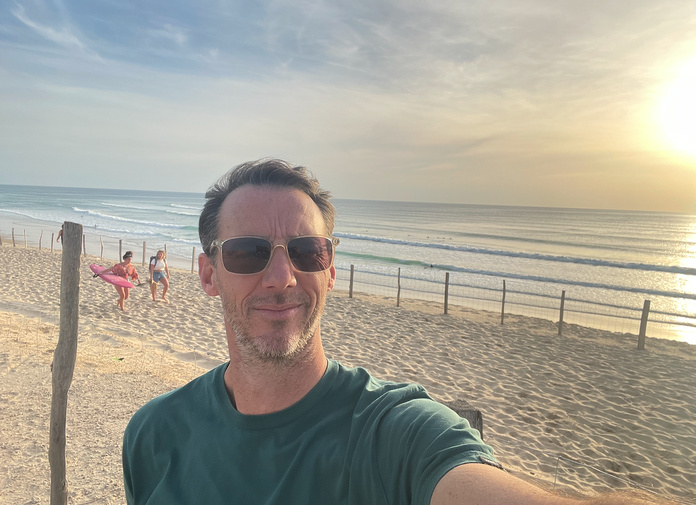
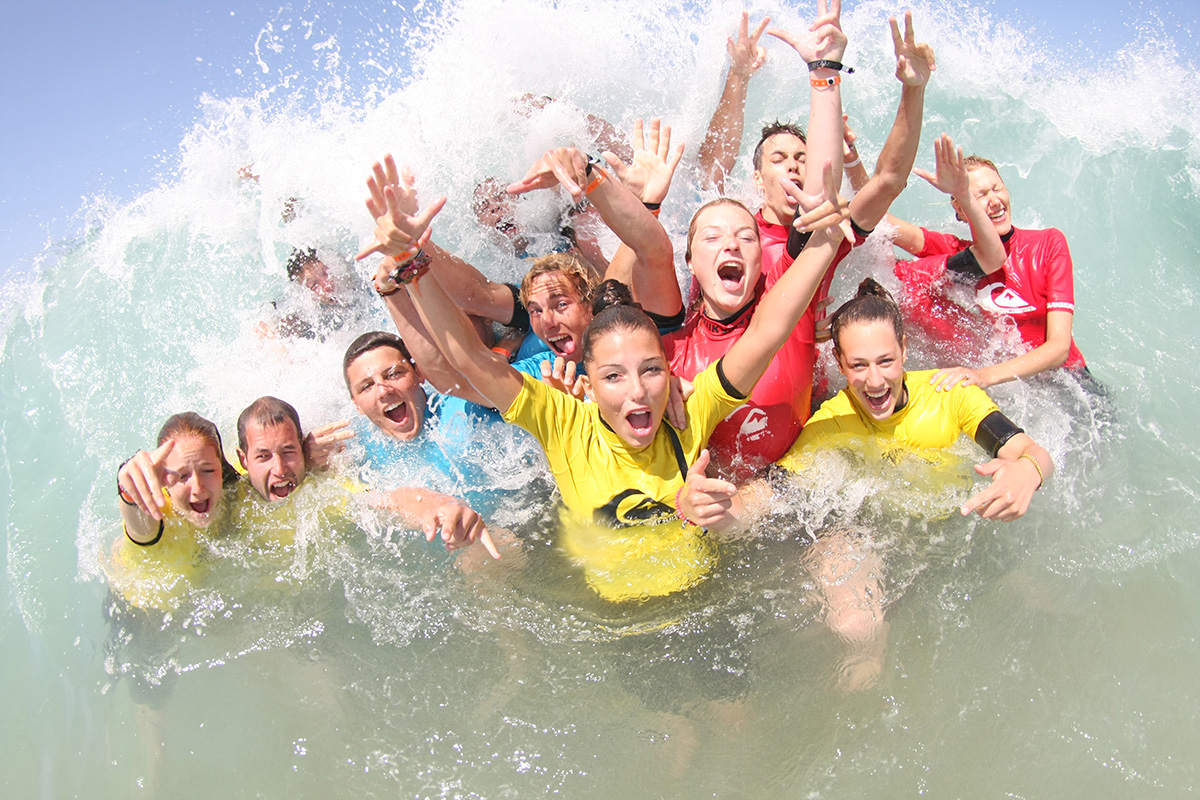
L’agence 360° Surf Travel, basée en Guadeloupe, propose des séjours sur mesure autour du surf, du kite ou de la plongée. @360 surf travel

Costa Rica


For more than ten years, Matthieu Ruty has nurtured 360 Surf Travel in defiance of traditional tourism models. Created in 2013 after a around-the-world trip with his wife, the agency specializing in surf stays built itself without a network, without a physical storefront, and almost exclusively in B2C.

Today, the leader aims to open a new chapter.

« Up to now, we worked very little with other agencies. But I sincerely believe we can offer them something on two- or three-week projects around surfing, kiteboarding or diving », he explains, with bold emphasis preserved.

This willingness to get closer to distribution is not unrelated to his recent presence at several professional events, notably the IFTM and more recently the Ditex. « I come mainly to understand how the sector works, meet the players and see where we can position ourselves », he notes.


360 Surf Travel: a niche expertise to share

A former agency director in the temporary work sector, Matthieu Ruty is not from the tourism world. A trait he embraces openly.

« Two years ago, I didn’t even know that agency networks existed. Today, I’m discovering an extremely dynamic universe with many players and many opportunities. »

Yet his company has carved out a niche. What started with four destinations now offers more than 120 surf destinations, 80 kite spots and just launched a diving-focused offering. Each segment now has its own dedicated site.

The year 2025 marked a turning point, with nearly 800 stays sold and revenue of €600,000.

« We were a small artisanal outfit. Today, one starts to think we can become a recognized player in our sector », declares Matthieu Ruty.


Understand Before Growing
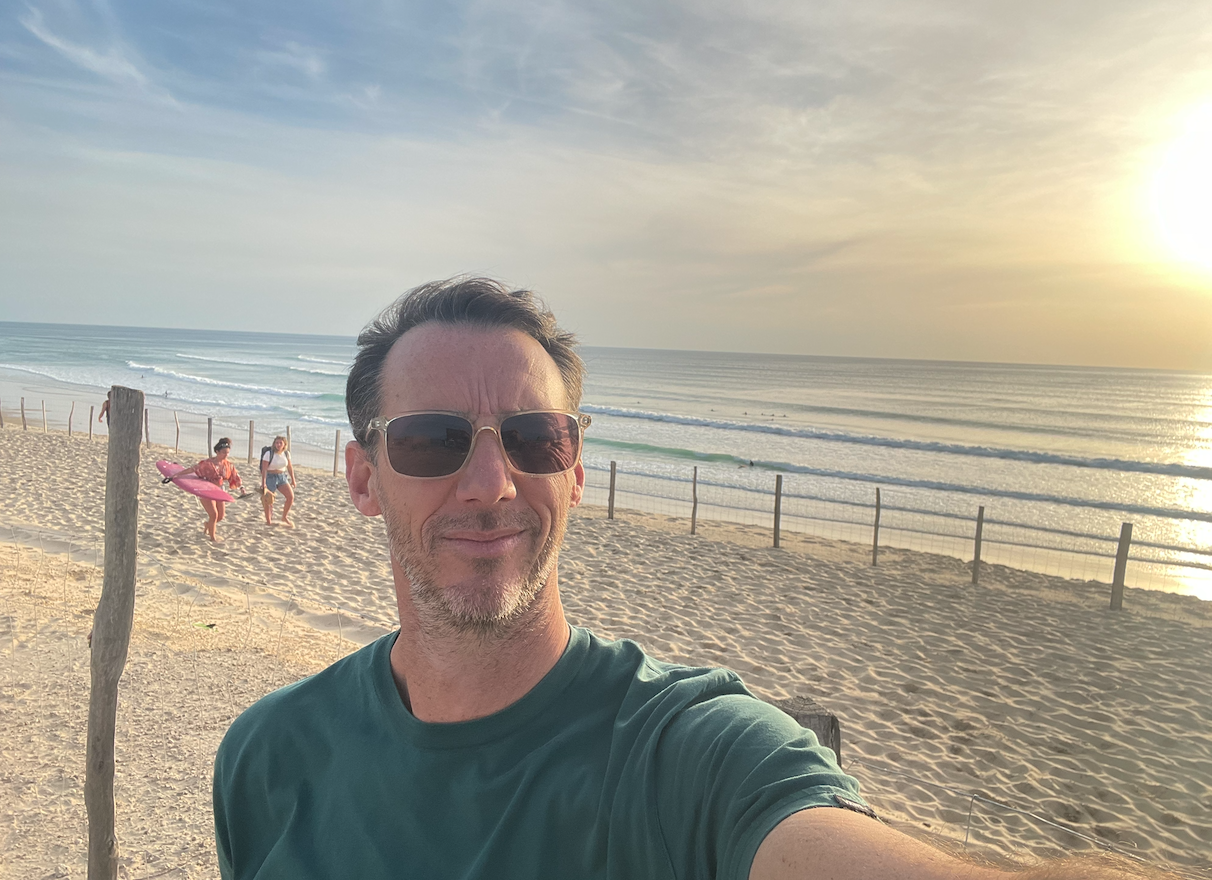

Matthieu Ruty a co-fondé 360° Surf Travel, agence de voyage spécialisée dans les séjours surf et sports de glisse, en 2013, avec son épouse. @360 surf travel

For the moment, the leader advances with caution. Approached by several networks, he does not want to rush the steps.

« If I join a network, it’s to bring something. I’m still in a phase where I’m learning the sector’s codes, » says the CEO of 360 Surf Travel.

The same approach applies to a potential fundraising round. The topic exists, but remains under consideration.

« If one day we really accelerate, it will be to strengthen the teams, expand production and structure the B2B further. »

Find here our dossier dedicated to networks


Goal: one million euros in revenue

Parallel to this, 360 Surf Travel continues its ascent upmarket. The agency progressively reduces the most “backpacker” products to better serve a more mature clientele seeking comfort and personalized experiences.

A member of the ATR (Act for Responsible Tourism), 360 Surf Travel also states that it is strengthening its environmental and social requirements in partner selection.

Despite a geopolitical context that has weighed heavily on bookings in recent months, Matthieu Ruty remains confident: « People always need to travel. They may wait longer to book, but the desire to travel remains.”

In the medium term, the clearly stated ambition is: to surpass one million euros in revenue within three years.


Caroline Lelievre Publié par Caroline Lelievre Journaliste – TourMaG.com
Voir tous les articles de Caroline Lelievre

  • picto Twitter
  • picto Linkedin
  • picto email
Ajoutez TourMaG à votre flux Google Actualités Google Actualités icône

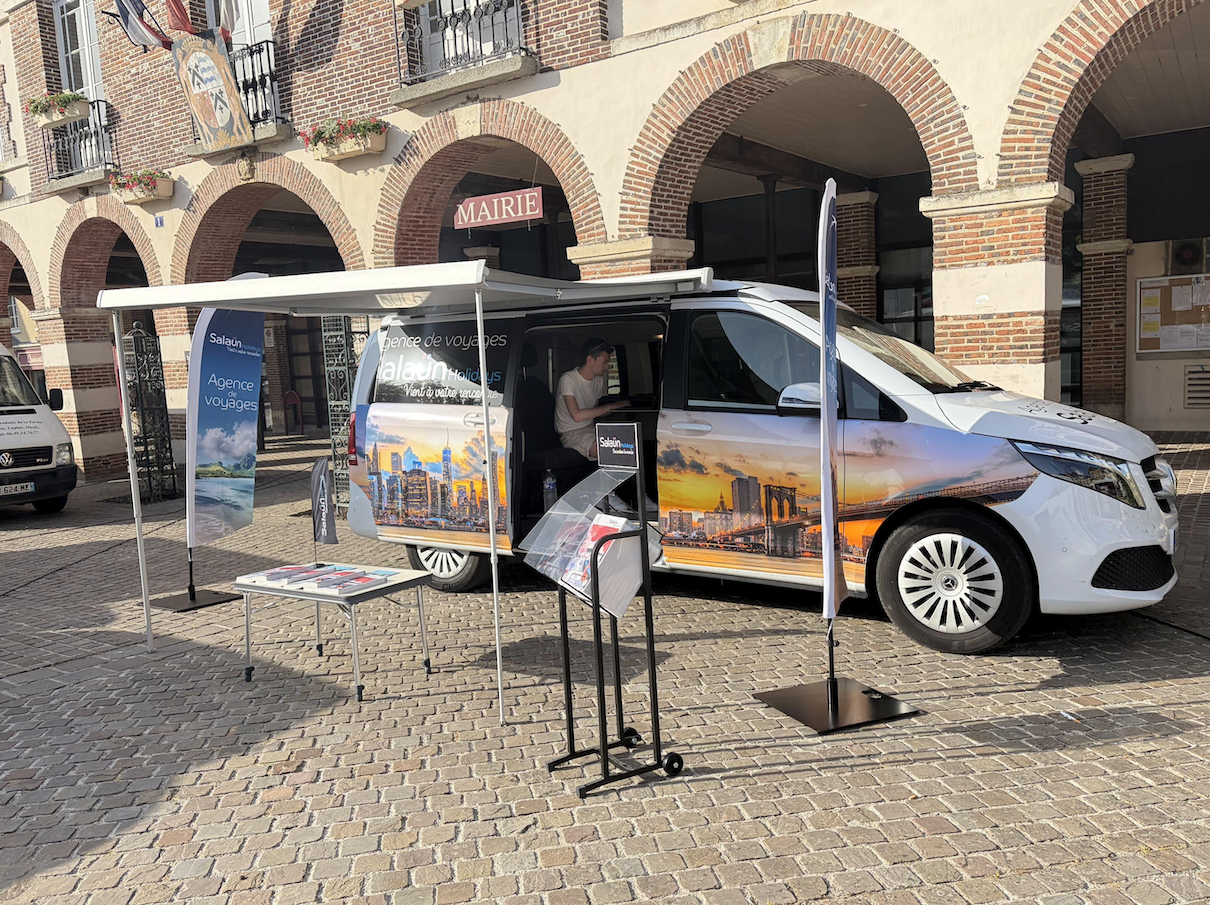
Salaün Holidays Tests a Mobile Travel Agency in Markets


Salaün Holidays teste une agence de voyages mobile sur les marchés - Photo : Salaün Holidays

Costa Rica


What if your next trip was planned between buying a few vegetables and picking up a local cheese?

C’est le pari de Salaün Holidays avec son opération estivale “Your travel agency comes to meet you”.

À bord d’un Mercedes Marco Polo habillé aux couleurs de l’enseigne, deux conseillers commerciaux installent ponctuellement leur bureau sur les marchés de communes de la Sarthe et de l’Orne.

Pour Franck Autret, directeur général du réseau d’agences de voyages Salaün Holidays, cette initiative répond à une réflexion plus large sur l’évolution de la distribution.

“Nous sommes à la fois tour-opérateur, agent de voyages, mais aussi transporteur. Dans nos réflexions pour développer notre activité, cette idée a émergé : pourquoi ne pas créer une agence qui va directement à la rencontre des clients ?”

L’entreprise disposait déjà d’un van, qu’elle a transformé en agence mobile. Deux conseillers, habituellement en poste en agence, se sont portés volontaires pour participer à cette première expérimentation.

L’objectif est simple : recréer un contact de proximité avec une clientèle qui ne dispose pas toujours d’une agence de voyages à quelques kilomètres de chez elle, tout en suscitant des projets de vacances dans un cadre plus spontané.


A start slowed by the heatwave

The tour, however, began under unusual conditions. The first stops coincided with the heatwave that hit France in late June.

“We started in the middle of a heatwave, which obviously didn’t help. On the first day, there weren’t many people at the market with nearly 40 °C“, acknowledges Franck Autret.

The following days proved more encouraging. “We had more contacts with traders than visitors at first, but also several inquiries and quotes. I wouldn’t say we are making sales every day, but this first test is quite interesting. The concept arouses curiosity and the initial feedback is positive.”

According to the group, the stops at Longny-les-Villages and Bellême notably allowed measuring public interest, both from exhibitors and residents.


An experiment that could be extended

This first tour will continue until July 17, 2026 on several markets in Sarthe and Orne.

At its end, Salaün Holidays will draw an initial assessment before deciding on the next steps.

If the idea of an itinerant agency year-round does not seem on the agenda, the concept could return in the autumn in another region. “If we find the experience to be conclusive, we could renew the operation in the autumn on another territory. In the long term, it’s a concept that could be sustained, or even developed“, says Franck Autret.


Next steps of the tour

• Thursday, July 2 : Saint-Calais

• Friday, July 3 : Malicorne-sur-Sarthe

• Tuesday, July 7 : Bonnétable

• Wednesday, July 8 : Longny-les-Villages

• Thursday, July 9 : Saint-Calais

• Friday, July 10 : Malicorne-sur-Sarthe

• Wednesday, July 15 : Longny-les-Villages

• Thursday, July 16 : Saint-Calais

• Friday, July 17 : Malicorne-sur-Sarthe


Amelia Brille Written by Amelia Brille TourMaG.com Editor

See all articles by Amélia Brille

  • picto Linkedin
  • picto email
Add TourMaG to your Google News feed Google Actualités icône

Just Travel: Making Travel Accessible for People with Disabilities

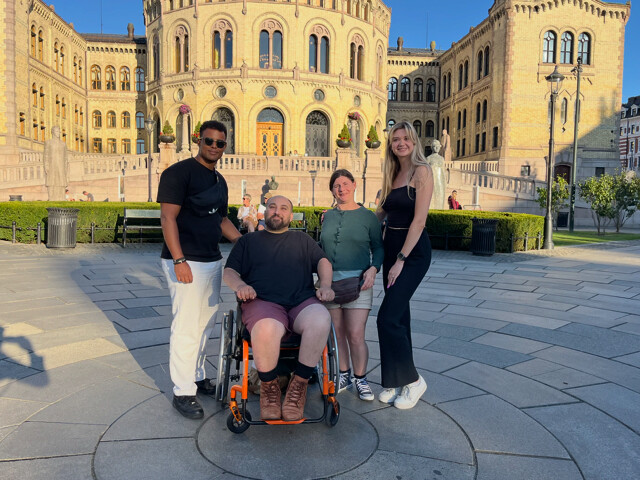
Just Travel : Le pari de rendre le monde accessible à tous, Stéphane Amado et Julie Smith, photo de Just Travel

Costa Rica


TourMaG – Could you introduce yourselves and explain what Just Travel is?

Stéphane Amado: The idea for Just Travel was born from a personal event. My brother had a serious accident on Réunion. Following his stay in intensive care, he found himself living with a disability and asked me to take him on vacation.

Accompanying him and allowing him to escape really marked me, and I looked for a way to turn it into my profession.

Julie Smith: Together with Stéphane, we met about six years ago. I initially completed a degree in communication and marketing, then we joined forces to pursue a Master’s in a business school focused on tourism, specifically to design this travel-agency project.

TourMaG – You have a travel agency that helps people with disabilities travel. Could you explain how it works?

Stéphane Amado: We are a specialized agency for people with motor disabilities, even if we’re not closed to other types of disability in the future.

Our highlight is to offer human support during the stay: if a traveler does not have a companion to accompany them, we send a professional companion (such as a specialized educator).

We manage everything from A to Z: accommodations, transport, accompaniment and help with activities of daily living (meals, moving around, etc.). For the first year, we are focusing on these guided stays, but we will also offer at some point stays without accompaniment, “turnkey” ones.


Behind the Scenes of Its Creation

TourMaG – What were the triggers and the journey to officially launch this agency?

Julie Smith : We had the theoretical concept in mind, but we weren’t sure how to structure it. The real turning point happened during our studies and thanks to our entry into an incubator for social-impact businesses.

We were supported by a program that helps young entrepreneurs who aim to move the needle and transform the social environment.

In studying the market, we realized there was a real equality gap. Many people with major motor disabilities crave travel but encounter enormous logistical barriers. The on-site contacts we made confirmed there was a crucial need for a structure like ours.

TourMaG – What were your main financial or logistical challenges when launching?

Stéphane Amado: The main obstacle to creating a travel agency is obtaining the mandatory financial guarantee. When you’re starting out with little equity, it’s nearly impossible: traditional organizations like the APST sometimes require guarantees of 100,000 or 200,000 euros.

Fortunately, we were supported by UNAT (National Union of Tourism Associations) through their financial-guarantee mechanism for social economy and solidarity structures. We were among the first dossiers of this kind to be accepted, and without that, the project could never have become a reality.


Motor Disability: Filling a Gap in the Tourism Market


Stéphane Amado et Julie Smith, photo de Just Travel

Tour-MaG – Why focus mainly on motor disability rather than mental or psychological disability?

Julie Smith : The current market for adapted travel agencies (notably those with specific approvals like VAO – Organized Adapted Vacations) already covers mental disability fairly well.

However, there is a glaring lack of structured offers for motor disability, brain injury or polytrauma.

Moreover, in our past experiences in the mental-disability sector, we noticed that departures on holidays often corresponded to “respite” stays organized by institutions, without the person always having expressed a deep travel preference.

At Just Travel, we target an audience that takes an active approach and has a genuine “thirst” to discover the world.


No Declarations, 100% On-the-Ground

TourMaG – How do you manage the complexity of arranging a trip and the restrictions of each traveler?

Julie Smith : This is the most complex aspect of our work: every person and every disability is entirely unique. Even if we create standard stays in our catalog, we must systematically rethink and tailor everything according to the exact restrictions and medical needs of the person.

You literally have to put yourself in their shoes to anticipate the slightest obstacle.

If someone needs daily nursing care (for example, one to two visits per day for specific care), our accompanying person can coordinate the intervention of a private nurse on the vacation site.

Conversely, if the pathology requires a medical presence or heavy care 6 to 7 times a day, the organization becomes much more complex and requires substantial sanitary logistics in advance.

TourMaG – How do you concretely verify the accessibility of a destination?

Julie Smith : We never rely on mere statements from a website or a hotellerie saying “yes, yes, it’s accessible at my place.”

There are too many surprises. Our methodology is based on strict upstream verification: we contact providers directly and, as far as possible, we go to visit and test the places ourselves.

There are a multitude of micro-details to check. For example, the type of battery in an electric wheelchair: some airlines categorically refuse certain battery models (lithium, etc.).

It is experience that lets us know exactly which questions to ask airlines and accommodations. And if a hitch occurs on-site despite everything, the presence of our accompanying person helps cover the lack of accessibility and find an immediate solution.


Tourism, Finally Accessible?

TourMaG – Which destinations are the most accessible today, and where is there still the most work to be done?

Stéphane Amado : The most accessible are those involving sea or river cruises. It’s a wonderful product for motor disability. You stay on the boat; accessibility is designed from the outset, elevators are wide, and moving around is easy, even with large electric wheelchairs.

Likewise, some natural spaces are making incredible efforts: I think of certain Regional Natural Parks or protected areas that, despite challenging terrain, have set up specific, flat and smooth routes for people with reduced mobility. Transportation there is also often well thought out.

Conversely, in historically wealthy countries with aging infrastructures, such as Egypt, visiting narrow tombs, descending into crypts or moving around ancient archaeological sites in a wheelchair can be impossible by conventional means.

However, we believe that with goodwill and hands, one can always adapt the trip. That is why we stress the presence of an accompanying person.

If a person in a wheelchair wants to attend a concert or visit a site and official PMR tickets are sold out, the presence of a solid companion allows them to purchase a regular ticket and manage the human logistics so that the person can enjoy the event like everyone else.

TourMaG – Is the tourism sector moving positively toward greater inclusion?

Just Travel : Yes, accessibility is becoming more of a focal point, sometimes even driven by marketing interests from traditional providers, but it is moving the needle.

Travel players are recognizing that it’s a real market. Yet there is still a huge amount of logistical and on-the-ground training work to do.

It’s no longer just a fashionable topic; there is genuine involvement from many sector players (transit networks, hoteliers) who offer partnerships or competitive rates to help us develop the agency. This is very encouraging for the future.

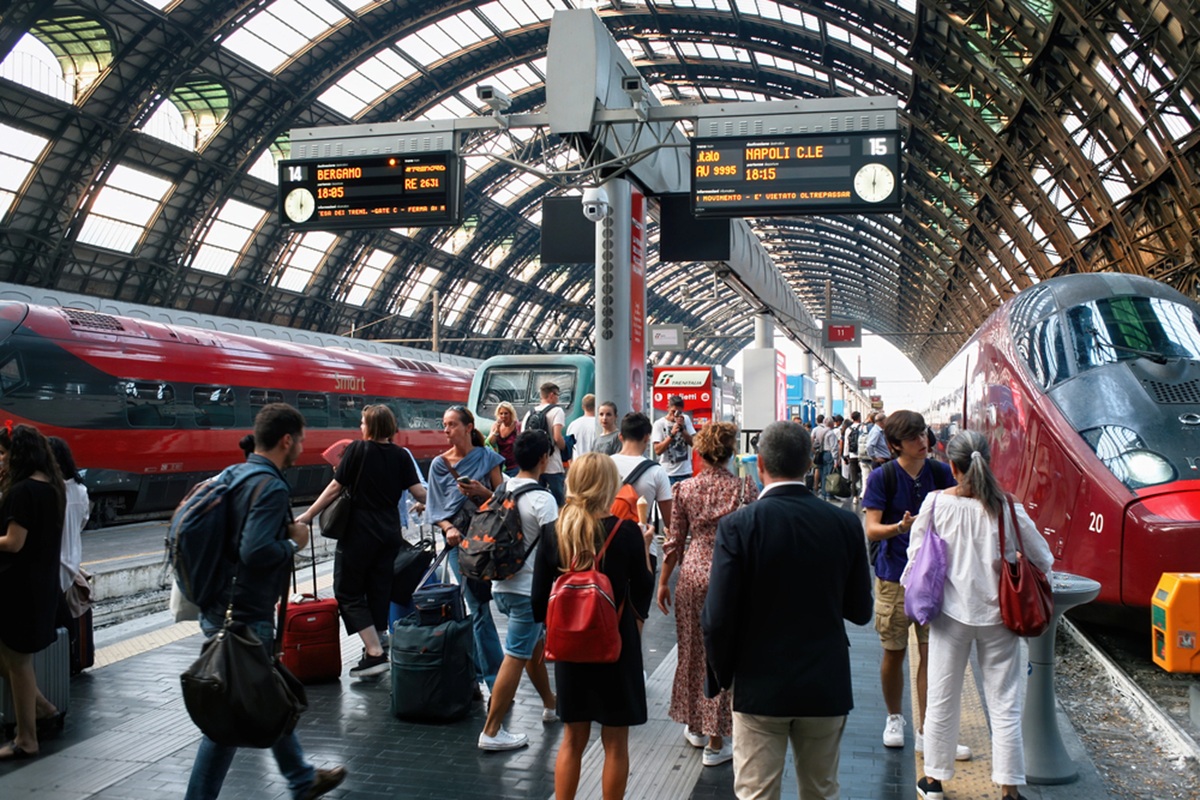
Travel Agencies: Is Train Travel Easier to Sell Than Plane Tickets?


Si les ventes de billets de train progressent en agences, il reste encore de nombreux freins à son développement - Depositphotos.com, frimufilms

Costa Rica


Rail travel is gaining ground, especially for trips within France.

At Déclic Evasion, rail stays rose by 16% between 2024 and 2025. « This evolution is explained by the increase in stays in France since the health crisis, the reduction of certain domestic air links and the development of alternatives such as Ouigo », explains Olivier Bernard.

The arrival of Trenitalia on Paris-Marseille has also helped to energize certain routes.

At Versailles Voyages, Myriam Tord also notes a progression, even though the train started from a long way off. « We progressed because we were almost starting from zero. The train wasn’t really something that was offered before. »

For her, the turning point comes from personal experience: after completing the Trans-Canada journey between Toronto and Vancouver, she discovered the train as a genuine travel experience.

At Quartier Libre, the assessment is more mixed. The tour operator has been offering since 2025 a train option to Scotland, but it accounts for about 10% of sales on that destination. « It’s a nice calling card, but it remains limited in volume », says Stéphane Dossetto.


What are the arguments for selling train travel?

The primary argument is the experience. For Myriam Tord, train travel should not be presented solely as an alternative to air travel: « It is a different way to travel. »

The train lets passengers take their time, enjoy the scenery and discover a destination in a different way. It is particularly well suited to Canada, Scotland, Switzerland, or Italy.

Professionals also highlight the comfort: arriving in the city center, no baggage constraints, and less waiting before departure — the train offers a different kind of simplicity.

For Olivier Bernard, the train is also appealing for leisure groups. The conditions offered by SNCF on Inoui trains provide greater flexibility for CSE clients, especially regarding registrations and cancellations.

The ecological argument remains present, but it is not always enough. Stéphane Dossetto believes that practicality should also be addressed: « We talk a lot about carbon footprint, but we forget about comfort. »


What are the barriers?

The first obstacle remains the rail offering. Olivier Bernard specifically points to the weakness of province-to-province links. “From Marseille, the availability of direct TGV services remains insufficient.”

For international destinations, connections also complicate sales. Stéphane Dossetto cites the example of Scotland: from Paris, the journey is possible, but from some regions in France, the accumulation of changes makes flying more attractive.

Price also remains a topic. On certain destinations, particularly in the face of low-cost carriers, air travel preserves an advantage.

Customer habits are another brake. Many still appreciate the comfort of a coach trip where they have nothing to manage. « Customers love the cocoon of the coach: they drop their luggage and don’t have to deal with anything », explains Stéphane Dossetto.

Finally, the management of disruptions worries agencies. « If a train is canceled, you have to find another solution: another train, a hotel, a new arrangement. After-sales service is more complicated », remarks Myriam Tord.


What about the tools?

Professionals deem rail tools still inadequately adapted.

For Myriam Tord, the problem also relates to knowledge: « For air travel, we go to Amadeus and it’s quite simple. For trains, you have to know the providers. »

Solutions exist, such as Rail Europe or Resaneo, but they remain little known to agents.

In the group market, expectations are even higher. Olivier Bernard particularly regrets the late opening of sales and the absence of a functional Ouigo group tool.

He also believes it is necessary to improve features: management of traveler typologies, changes in headcount, or seat selection.

Beyond digital tools, human support remains essential. For Déclic Evasion, having a dedicated BtoB contact at Inoui is a real asset during group sales and in case of unforeseen events.


How can train sales be improved?

For the professionals surveyed, the priority is to better promote the product.

« It has to be tested », says Myriam Tord. According to her, an agent who has traveled by train will be more capable of conveying the experience to the client.

Training is therefore an important lever, as is a shift in the way rail travel is sold. The train should not be presented solely as an ecological solution, but as a new travel experience.

It is also necessary to facilitate marketing: better visibility of availability, tools more suited to agencies, and a clearer offer.

Finally, remuneration remains an issue. Olivier Bernard recalls that rail travel retains a commission-based system, unlike air travel, but he believes current levels are insufficient.

The train is thus making progress in agency catalogs, but it has not yet become a sales reflex. To gain ground against aviation, it will need to continue improving its tools and, above all, its ability to appeal beyond the environmental argument.


Travel & Cruise Summit Marseille: A New Meeting for Tourism Leaders (Video)


Le futur du travel, de la croisière et de la relation client à l'ère de l'IA, au cœur des débats du « Travel & Cruise Summit Marseille » - Photo : NP

Costa Rica


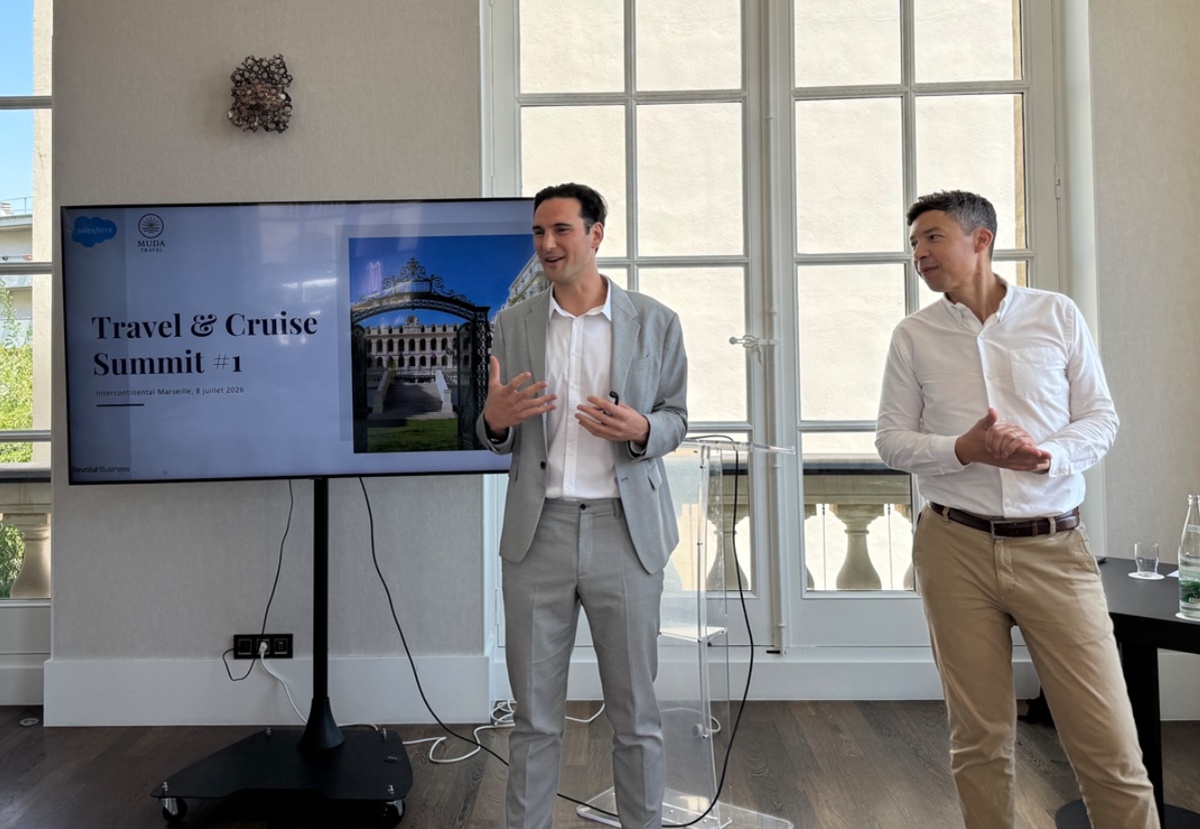
It was in the setting of the InterContinental Marseille Hôtel Dieu that the young consulting firm MUDA Travel Consulting — celebrating its first anniversary at the start of July — brought together clients, partners and prospects for an intimate gathering on July 8.

About thirty travel executives, mostly from the luxury travel and cruise sectors, gathered for an afternoon of reflection and exchange, in a relaxed, convivial atmosphere.

Named “Travel & Cruise Summit Marseille”, this event — supported by Salesforce, Revolut Business and TourMaG — was the occasion for the co-founders, Medih Fatihi and Thomas Verdier Fuentes, to better showcase the full scope of their capabilities. MUDA brings together around twenty independent consultants with varied profiles: engineers, HR specialists, customer-relations experts, etc. — but also to highlight the projects of the clients they accompany. The partners, among others, include former Ponant executives, giving them a solid expertise in the worlds of luxury and cruising.

In the room, several Ponant executives had traveled to attend, but also well-known figures from the maritime world such as Hervé Bellaïche (Catlante Catamarans), Clément Mousset (ex-Orient Express Silenseas), and other luxury names such as Véronique Leiber (Peplum).


AI at the Heart of the Discussions

If the setting, facing the Old Port on a very sunny day, helped elevate the gathering, the content and the quality of the exchanges laid the first stone of this new “club” of leaders.

On the program then, the future of cruising and the customer relationship in the AI era.

Far from another AI conference, the format was meant to be interactive, led by Medih Fatihi and Thomas Verdier Fuentes, but also by their partner Salesforce, which joined to discuss the challenges of customer relations in hospitality in the AI era.

The speakers notably stressed that travelers, especially the younger generations, now expect ever more personalized experiences and immediate responses, whatever the channel used.

In this context, AI is expected to automate low-value tasks, while the teams focus on advisory, customer relations and the creation of differentiating experiences.

Another issue highlighted: the evolution of Internet search and visibility. Professionals emphasized the importance of “GEO” (Generative Engine Optimization), which consists of making travel offers visible and usable by conversational AIs like ChatGPT or Claude.

Incomplete or outdated data can now penalize a brand directly in the responses generated by these new tools.


Gen Z, a Clientele Not to Be Neglected

Equally enriching was the discussion about the future of luxury cruising, and more broadly the experience sought by high-net-worth clients. “Behaviors are changing, and notably Gen Z, who is much more oriented toward experience than possessions. A few years ago, one sign of wealth was a second home; today it’s more about going to live different experiences,” introduced Medih Fatihi.

A boon for the travel sector, provided one knows how to attract these clients.

The speakers cited in particular the Ritz-Carlton, Four Seasons, Orient Express or Aman groups to emphasize that the clientele of these hotels is not necessarily the same as the one found aboard their ships.

Read about this: Luxury cruises: the high end sets sail!

“There is a marketing and distribution challenge” for shipowners, added Medih Fatihi, who, to stand out, must offer more intimate, lesser-known destinations and increasingly refined onshore experiences.

“Wealthy people turn to experiences to feel things, while in a more and more connected world they feel increasingly disconnected,” emphasized Alina Oenning, who has been working for several months to launch a new yachting company.

Without being able to reveal many details about her project at the moment, the leader nonetheless shared her feedback and questions about Gen Z. “Nothing excites them anymore, neither a Dior purchase nor a luxury car,” she said, noting that while experience is sought by her clients, the ‘purpose’ is also an integral part of the equation.

In other words: what’s the point of consuming a luxury product if there is no purpose, or rather meaning?

For her, this purpose can be expressed, for example, by inviting cruisers to participate in scientific research that can be conducted aboard expedition ships.

A way to foster open-mindedness, gatherings, exchanges and to feel involved within a club. What better way to build loyalty? MUDA’s teams would hardly disagree…

Clermont-Ferrand Sets Sail with the 2026 Travel Journal Rendezvous


Travel brings at least two pleasures: the pleasure of doing it and the pleasure of telling about it.

Everyone, in their own way, chooses according to their tastes, possibilities, and talents if they have any.

Some write, others prefer stills or cinema, but the majority are content to chatter away at happy hour or after a meal.

There is also another, less common, category that favors charcoal, pencil, brush, or marker that draw on Canson paper. These are carnetists.

If the word is unknown, or nearly so, to dictionaries and spelling checkers, it takes on full meaning in Clermont-Ferrand in mid‑November. Since the turn of the century, it is in the Auvergne capital that the International Travel Sketchbook Rendezvous takes place.

It brings together about 120 carnetists who present and comment on their drawings to more than 15,000 visitors expected in 2026.


Clermont by the Sea


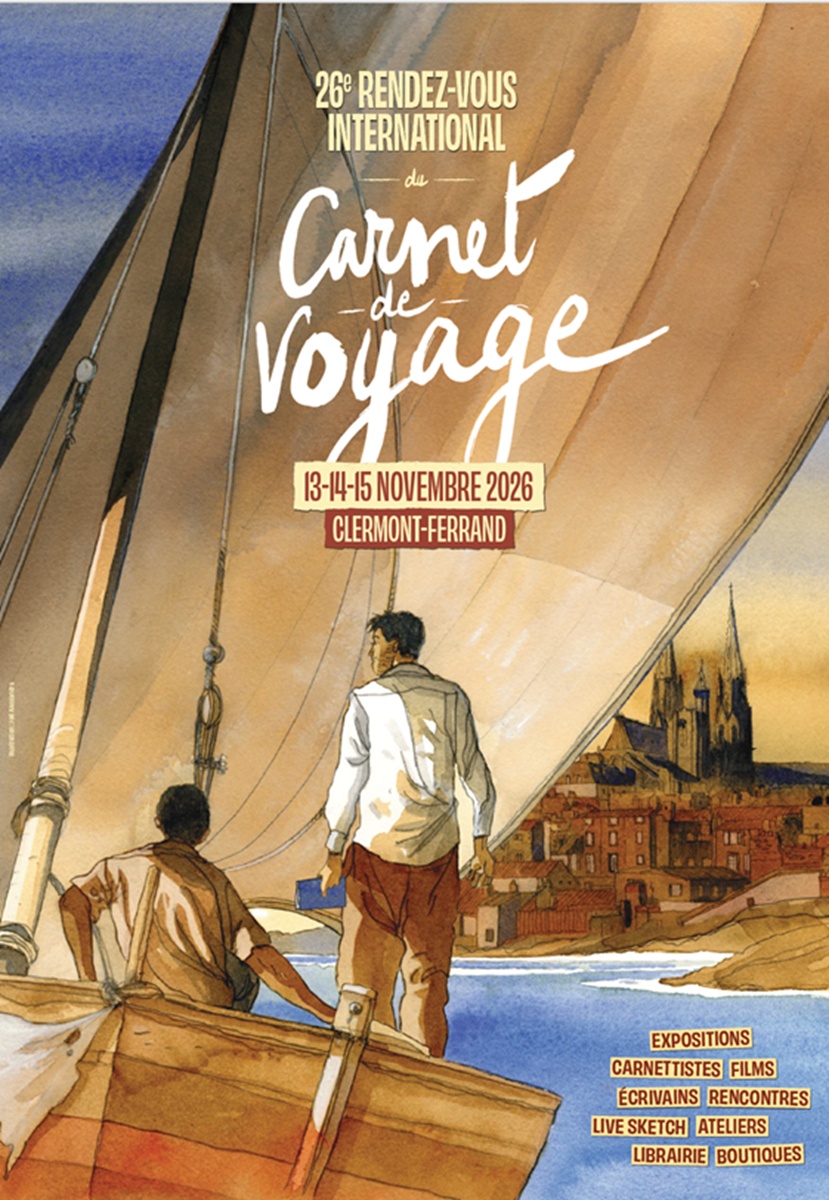
L'affiche 2026 du Rendez-vous international du Carnet de voyage - Illustration : Joël Alessandra

The organizers have unveiled the poster. It is the work of a comic book author, Joël Alessandra, himself a carnetist.

He has turned the Auvergne capital into a seaside city. “Clermont-Ferrand has no sea – and that is precisely the starting point of this poster,” the author notes.

From his boat, the carnetist approaches the city by an impossible path: a sea crossing toward an inland volcanic city. This unlikely image embodies the very essence of carnet practice—the ability to reinvent reality, to bring forth the unexpected from the familiar (…) Clermont, with its ochre roofs and the black spires of its cathedral, appears as a dreamed‑of stopover, an inner port that every carnetist joins in their own way. »

All that remains is to wish the Travel Sketchbook a smooth voyage and a lovely port of call for thousands of cruise passengers!

Also read : Travel Sketchbook Rendezvous Clermont-Ferrand: the 2025 winners are…


Business Travel: Fewer Trips, Yet Greater Strategic Stakes Than Ever


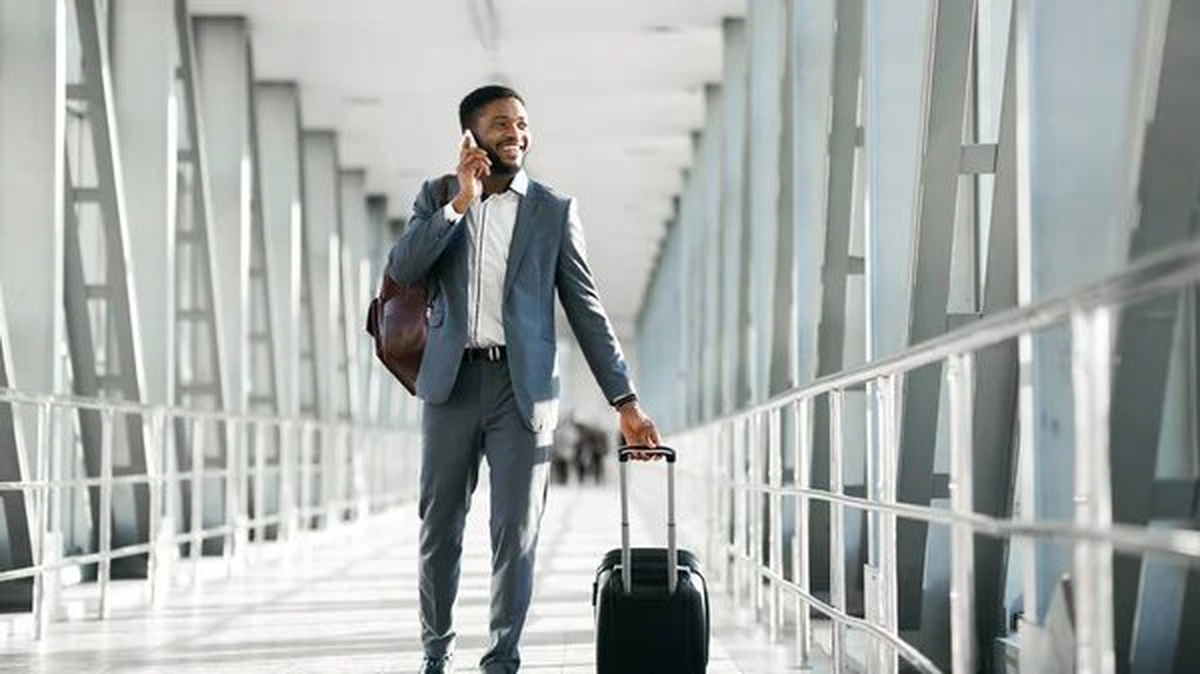
Voyage d'affaires : moins de déplacements, mais des enjeux plus stratégiques que jamais - Depositphotos.com, Milkos

Costa Rica


À l’heure où le travail hybride a profondément rebattu les cartes des déplacements professionnels, le voyage d’affaires résiste et se réinvente.

Selon le rapport mondial de FCM Consulting, le taux d’occupation des hôtels dans les principaux marchés d’affaires a ainsi atteint 73,7% au niveau mondial en 2025, en hausse de 1,3 point par rapport à l’année précédente.

Dans plusieurs destinations, la progression est encore plus marquée : Sydney affiche 81,5% (+4 points), Singapour 79,2% (+2 points), tandis que Tokyo (82,9%) et Londres (82%) s’imposent parmi les marchés les plus actifs.

Au milieu de ce paysage en plein essor, la France se détache et devient la championne mondiale du tourisme d’affaires entrant, avec une hausse de 53% des visites professionnelles internationales en un an, soit 11,6 millions de voyageurs supplémentaires.

Cette reprise reflète un changement structurel des pratiques. Le travail hybride n’a pas mis au fin aux déplacements professionnels, mais il a contribué à les recentrer sur l’essentiel : relation client, développement commercial, gestion de projets, événements.

Les réunions internes de routine, autrefois grandes pourvoyeuses de voyages, ont fortement diminué. Les entreprises privilégient désormais les voyages liés à la relation client, au développement commercial, à la gestion de projets ou aux événements professionnels.

Résultat : 77% des entreprises estiment désormais que les réunions en présentiel restent essentielles à l’atteinte de leurs objectifs.


Des programmes hôteliers à repenser de fond en comble

If demand is picking up again, hotel programs for companies, however, have not always kept pace.

According to FCM Consulting, many have evolved through successive adjustments without a comprehensive rethink of their overall operating model: suppliers changed, policies tweaked, yet the overarching architecture remained largely intact.

The report illustrates its point with the case of a large international group whose program was completely revamped. Following an audit of spend and booking practices, 545 hotels were contracted under a global tender, expanding the program’s coverage to 80%.

At stake are €5 million in savings versus market rates, and an additional potential reduction of €2.4 million identified.

The report also highlights an underutilized lever: hotel loyalty programs. Complimentary breakfast, lounge access, upgrades—these benefits can enhance the traveler experience without incurring extra costs for the company, and promote adherence to the travel policy.

“The resistance linked to loyalty status is often underestimated during a program change“, notes Rachel Newns, Global Hotel Practice Lead at FCM Consulting. “If not addressed early enough, it can undermine procurement decisions that are otherwise well founded.”

To read: FCM Consulting launches an index to measure the value of business travel

Business Travel: GolfDay Invites Professionals on August 25


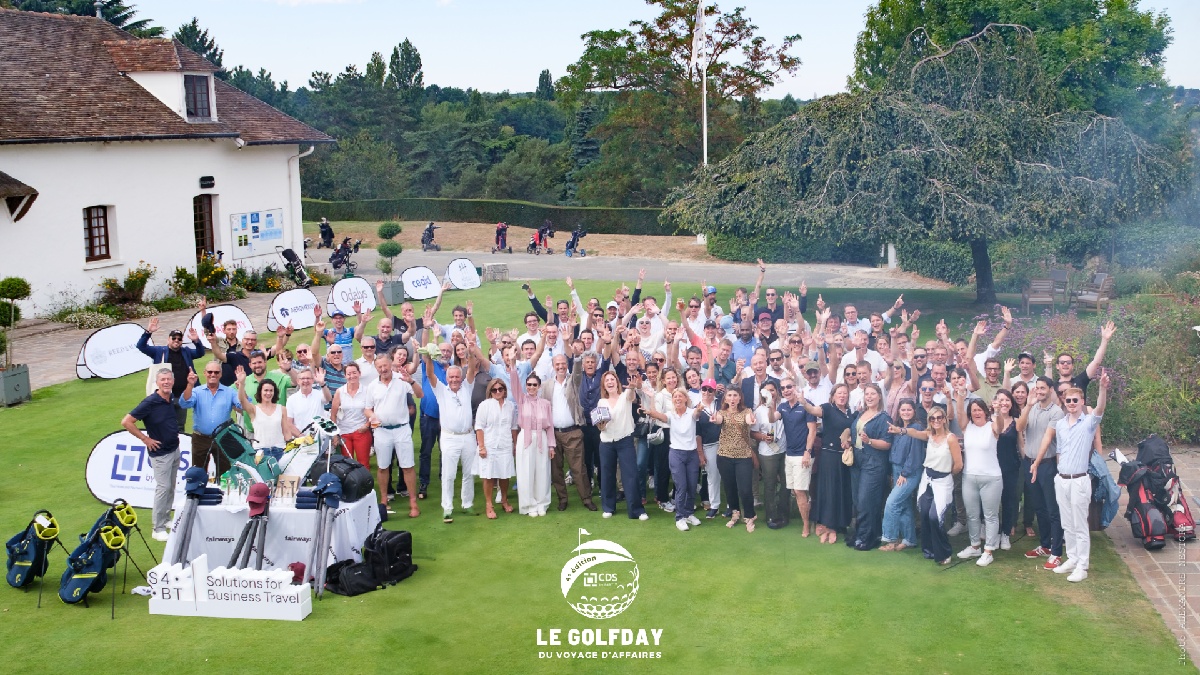
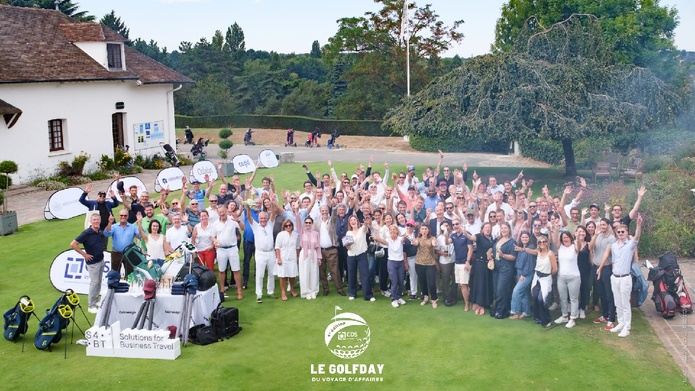
Le GolfDay du voyage d'affaires se tiendra au Golf de Fourqueux le 25 août 2026 - Photo S4BT

Costa Rica


The fourth edition of GolfDay for business travel will be held on August 25, 2026 at the Fourqueux Golf Club. Organized by S4BT – Solutions for Business Travel, the event will bring together players in business travel for a day that blends sporting competition, an introduction to golf, and professional networking.

According to the organizers, this new edition already attracts strong interest, with many registrations recorded several weeks before the event. Registrations remain open subject to availability.

The goal of GolfDay is to foster exchanges in an informal setting, prior to the resumption of activity.


The program will begin at 7:45 a.m. with a welcome coffee, before the competition kicks off at 9:00 a.m. Participants wishing to explore the discipline can take part in an initiation supervised by professionals starting at 11:30 a.m.

All guests will then reconvene around a networking lunch at 2:00 p.m., followed by the prize-giving.

The competition is open to industry professionals holding a valid FFGolf license. Non-golfers can participate in the initiation before joining the other participants for the networking sessions and the closing ceremony.

“GolfDay has become a true gathering moment for the players in business travel. It is an opportunity to meet differently, to take the time to exchange before the back-to-school rush, to create new connections and to share a convivial moment before the resumption. The enthusiasm for this fourth edition is already on track.

We are looking forward to welcoming you on August 25, 2026 on the Fourqueux greens to experience together a wonderful day, blending business, good humor… and, of course, a few fine swings!”
, says Rebecca Xerri, Global Chief Marketing Officer of S4BT.

Perk Launches the First MCP Connector to Unify Travel, Expenses, and Invoices


Perk lance le premier connecteur MCP pour unifier voyages, Depositphotos.com Photo by dream4fx

Costa Rica


The company positions itself as the leading player in its category to integrate invoice reconciliation and event management via the MCP protocol.

This announcement comes amid a period of rapid growth for the startup, which recently raised more than one billion euros in funding and whose presidency is held by the French Jean-Christophe Taunay-Bucalo.

For him, automating repetitive tasks constitutes a major productivity lever for businesses: “AI must restore to employees the power to do what they love most: their vocation, their mission. The MCP connector from Perk is another way to achieve that. If you remove the work that was never the real job, there remains room for growth and for the people who truly count.”

Thanks to this open standard protocol, users can now formulate simple queries such as “Which Q2 invoices are unpaid?” or “Show me all flight lines for our cost center in Boston” to obtain structured answers and download supporting documents in PDF. The tool also integrates Perk Events management, enabling tracking of registrations, venues, and upcoming seminar sessions.


A Response to the Demand for Automating Enterprise Workflows

The protocol integration addresses a shift in how businesses operate. According to an internal survey conducted in June 2026 among 420 organizations, nearly a quarter (23%) already configure or connect AI solutions to their existing systems, with business travel at the forefront of processes professionals want to automate.

Nikita Miller, Chief Product Officer at Perk, emphasizes the operational simplification brought by this update: “Every team in a company touches travel and expense data, but most still spend their time rummaging through reports and switching platforms to find simple answers. It is this invisible work that this MCP connector eliminates, meeting teams in the tools they already use.”

The data consultation service will be operational from launch. The technical roadmap foresees, during the summer of 2026, the introduction of writing capabilities that will allow directly making travel reservations, submitting expense reports, uploading receipts, and managing approval and modification flows from compatible AI assistants.

Travel for Less: Outdated Tips That Could Cost You Money

Traveling without blowing your budget doesn’t necessarily mean systematically choosing the cheapest option. Some tips widely shared on the Internet no longer have much effect, while other strategies can genuinely reduce the bill. The destination, dates, transportation, and meals offer several ways to save, provided you know where to look. Travel experts reveal strategies that can truly make a difference, without sacrificing all comfort on your vacation.

Leverage Flexibility to Lower Travel Costs

To pay less, the first instinct is often to choose a destination and then search for the best fare to get there. Yet, proceeding in the reverse order can be much more advantageous. Jesse Neugarten, founder and CEO of Dollar Flight Club, considers that flexibility regarding the destination is the most effective way to bring down the bill. “Being flexible about where you’re going is by far the biggest lever”, he told Travel + Leisure. Rather than sticking to a single city, it can be worthwhile to compare several destinations and keep the one that offers the most attractive tickets.

This method is particularly useful for travelers who haven’t fixed their itinerary yet. Flight comparators allow you to visualize fares to several destinations and spot gaps sometimes considerable. It can also be worthwhile to compare nearby “secondary” airports, even if that means driving, bus, or train for tens of kilometers.

The timing of the trip constitutes another important lever. The most convenient departure and return days are also often the most sought after. Shifting your stay by a day or two can then be enough to obtain better rates. “Everyone is trying to maximize their vacation days today”, explains Travel + Leisure’s Jimmy Yoon, head of analytics at Point.me. So, being flexible about the days you depart remains worthwhile. A person who can travel outside the most popular dates thus has an extra advantage when booking.

This flexibility is also useful for travelers who use points or miles. Availability with these programs is limited, so booking well in advance generally allows for a wider choice. Conversely, people with very flexible schedules can sometimes take advantage of last-minute openings, especially during the week preceding departure.

Ditch Outdated Tips and Watch Small Expenses

Not all online recommendations deserve to be followed, however. Clearing your cookies or using a private browsing window before searching for a plane ticket does not lower the price. Jesse Neugarten is categorical: “Clearing your cookies and booking in private browsing does nothing, and it has never really helped.” Even the famous recommendation to buy your ticket on Tuesday afternoon is no longer considered a reliable rule. It would be tied to an era when airlines posted promotions themselves in a way very different from today.

On-site, savings can also come from expenses you might not think about when planning your trip. Chauffeur-driven car journeys, for example, can quickly add to the bill. Jimmy Yoon recommends prioritizing public transport, especially in European and Asian cities where networks are often well developed, fast, and affordable.

He also suggests comparing several platforms before booking a tour or activity. The same experience can be offered at different prices across sites, with occasional promotions likely to further reduce the bill. Travelers who have credit cards offering rewards programs can also check if some offers provide an extra discount.

Food, finally, is a category where it’s easy to modulate spending. Rather than multiplying expensive restaurants, it’s better to identify the meals for which an extra expense is truly worth it. A lunch at a fine dining establishment can notably let you discover its cuisine for a price lower than that of dinner. For other meals, local markets and food halls offer another way to sample a destination’s specialties without dedicating a large portion of the budget to every meal.

And cheaper isn’t always the most economical. A flight ticket of 59 euros can become far less attractive after adding a bag and choosing a seat. “Once you add a bag and seat selection to a 59-euro ticket, you often exceed the price of a standard economy ticket with a traditional airline”, notes Jesse Neugarten. In some cases, a slightly higher fare can therefore avoid a cascade of surcharges and offer more flexibility. A logic summarized by Jimmy Yoon: “It all depends on knowing where it’s worth splurging to keep the trip comfortable, rather than trying to cut costs everywhere”.