
Business Travel: Under-35s Travel More Than Older Adults


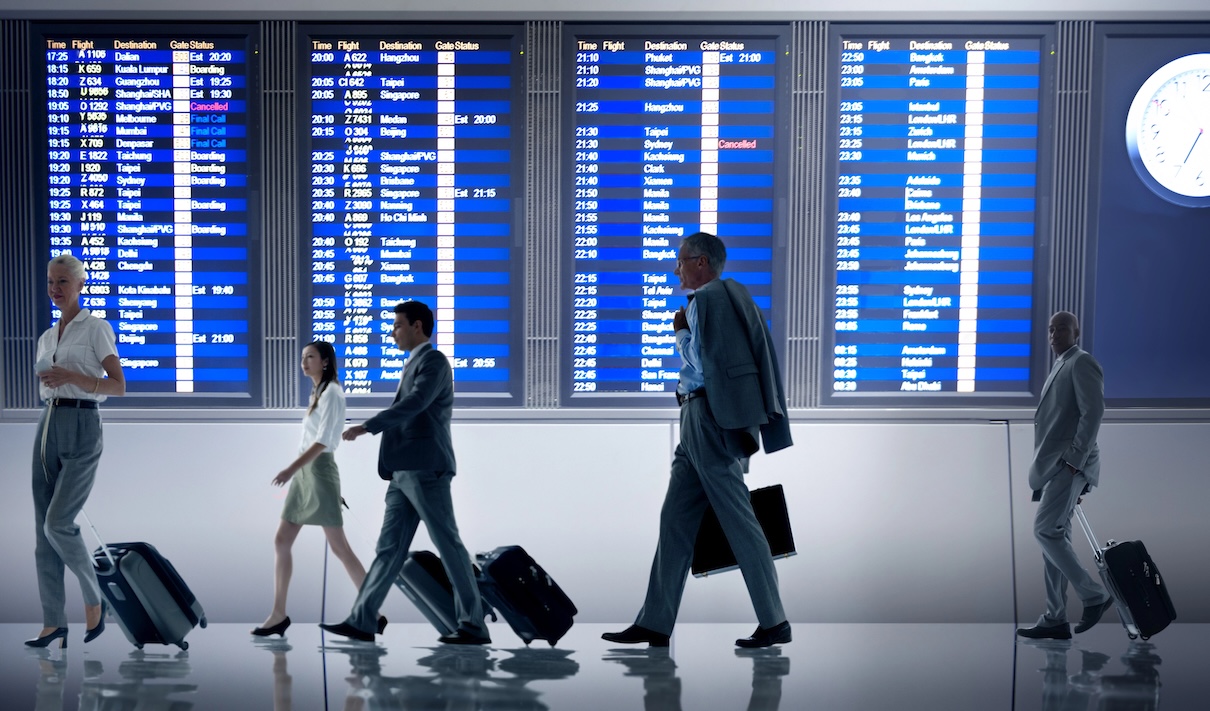
Les jeunes actifs redonnent une place centrale aux voyages d’affaires - Depositphotos.com, Rawpixel

Costa Rica


Business travel still has plenty of life left.

According to a study conducted by CSA for Navan, published on July 15, 2026, 71% of French workers consider business trips to be an important, or even essential, part of their professional life.

Over the past twelve months, 51% of those surveyed travelled for work, whether regularly or occasionally.

But behind this average lie strong generational differences.

The under-35s are notably more likely to travel for professional reasons: 64% of them say they did so in the past year, compared with only 38% of workers aged 50 and older.

Contrary to some common beliefs, the most connected generation is not the one least attached to physical exchanges. On the contrary, 86% of those under 35 believe that business travel helps strengthen working relationships and corporate culture. A figure that drops to 64% among professionals aged 50 and over.

Trade shows are the primary reason for travel for the entire group of respondents, cited by 44% of them. Team events, like seminars, come next with 38% of responses.

This perception also translates into future prospects. Only 25% of under-35s anticipate a decrease in business travel in the coming years, compared with 37% of workers aged 50 and over.


The “bleisure” trend more deeply rooted among under-35s

Another notable difference between generations is how they extend business trips with personal activities.

Among those who travel for their job, 65% of under-35s report having already combined business travel with leisure by lengthening their stay, often or occasionally. This practice affects only 24% of travelers aged 50 and over.

The desire is strong among young professionals who have not yet had the chance to do so. 77% of under-35s say they would be ready to take advantage of such an opportunity if it presents itself.

The choice of accommodation also reflects evolving practices. While hotels remain the preferred option, particularly for 45% of business travelers, alternatives are gaining ground among the younger minds.

18% of those under 35 thus state a preference for renting a local lodging via an online platform for a multi-day stay, compared with 14% on average among all professionals.


The train favored by older professionals

The choice of transport mode reveals, however, an unexpected result.

With comparable duration and cost, the train is more preferred by professionals aged 50 and above: 60% choose it, compared to 52% of those under 35.

This difference does not mean that younger professionals are less sensitive to efficiency or environmental impact. They place more importance on the possibility of working during the trip. 39% of them cite this argument to justify their transport choice, versus 28% among those 50 and older.

Time management before a flight also illustrates different behaviors. 14% of those under 35 report arriving less than an hour before their plane departs, versus 7% of professionals aged 50 and older.

When organizing a business trip, professionals weigh up gains in time, comfort and flexibility.

Overall, 52% of travelers prefer saving time, even at the expense of comfort. Conversely, 40% prefer traveling in better conditions, even if it lengthens the journey.

The under-35s stand out for their pursuit of flexibility. Refundable and adaptable tickets are an important criterion for 46% of them, vs 39% of professionals aged 50 and over.

For the latter group, time savings remain the main criterion, cited by 55% of respondents. This priority is even more pronounced among managers, at 60%.


Frustrations differ by generation

The organization of business travel remains generally well managed by professionals. 68% feel it does not present major difficulties. However, 22% still view the process as complex and consider administrative tasks a constraint.

Technological tools seem to help simplify these tasks: 75% of professionals polled feel they make organizing their travels easier, either in part or in full, a figure that rises to 82% among frequent travelers.

However, sources of frustration vary by age. Among those under 35, managing expense reports and receipts is the main difficulty, cited by 41% of them.

Internal processes are also more frequently pointed out: 33% encounter difficulties related to waiting for managerial approval, compared to 28% among those 50 and older. Booking changes are also more often mentioned by younger professionals, at 33% versus 22% for their elders.

For professionals aged 50 and over, travel-related unforeseen events constitute the primary source of frustration. Delays and cancellations are thus cited by 44% of them.


Amelia Brille Published by Amelia Brille TourMaG.com Editor
View all articles by Amelia Brille

  • picto Linkedin
  • picto email
Add TourMaG to your Google News feed Google Actualités icône  

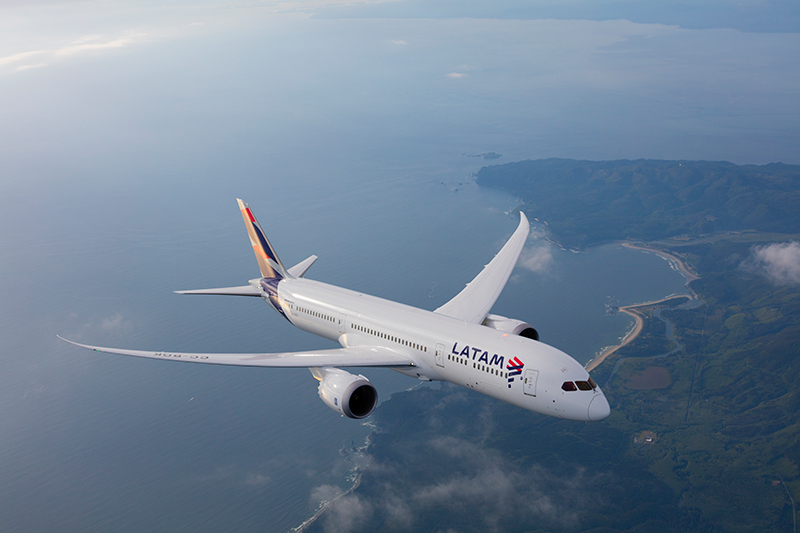
LATAM Airlines: Global Sales Support Excellence for Travel Professionals


© LATAM Airlines

Costa Rica


To accompany its distribution partners, the company relies on a highly specialized structure: the Global Sales Support (Global Sales Support – GSS) team. This tailor-made service is entirely dedicated to assisting travel agencies across all segments (leisure, business, online) as well as companies affiliated with the LATAM Corporate program, thereby ensuring efficient and borderless commercial connectivity.


A Multilingual Infrastructure and International Expertise

One of LATAM Airlines’ Global Sales Support’s major strengths lies in its international dimension and its ability to adapt culturally. The GSS team handles an impressive annual volume of more than 1.5 million requests worldwide. To offer a smooth and personable experience, the service is structured to respond in six key languages: French, Spanish, English, Portuguese, German, and Italian.

For Europe, and especially for the French market, service hours are perfectly aligned with the rhythms of local agencies. French-language support is available Monday through Friday, from 9:00 to 17:00, ensuring optimal responsiveness during business hours. Beyond these time slots or for absolute operational emergencies, the global channels take over to guarantee business continuity on a global scale.


360° Support: The Pillars of LATAM Airlines Support

The GSS service offering has been segmented to address with precision each type of issue encountered by travel agents. It revolves around four major areas of intervention :

1. Operational and Technical Support. This pillar forms the core of daily assistance. GSS advisors accompany agents through complex technical steps such as fare calculation (public or private fares), ticket reissuance procedures, and the association of electronic EMD documents for ancillary services, notably seat selection and baggage. Additionally, this unit handles requests for special services essential for passenger comfort, such as Unaccompanied Minor assistance (UMNR), or the carriage of pets in cabin (PETC) and in the hold (AVIH).

2. NDC Support by LATAM Airlines. In the era of digital transformation, LATAM Airlines positions itself at the technological forefront with its own NDC ecosystem. The GSS support offers specialized assistance for all requests related to issuances and redemptions via this platform. Whether it is voluntary changes or involuntary reissues following itinerary changes, the team also manages specific commercial exceptions (such as proposals to change airports for affected passengers), enabling agencies to navigate this new technological environment with ease.

3. Commercial and After-Sales Support. Profitability and administrative management of travel agencies are also central priorities for LATAM Airlines. The GSS support acts as a facilitator in resolving disputes related to Debit Memos (ADM). It is also responsible for applying commercial flexibility policies (pre-sale waivers) and discounts directly via the Latam Trade portal. Agents can request handling of refunds and the creation of user accounts in the private space.

4. Group Management. For group travel, Series and Charter Flights LATAM Airlines offers robust solutions for groups of at least 10 passengers sharing the same itinerary, whether for corporate or leisure purposes. The GSS offers two negotiation formats: ad-hoc groups, and the “AD HOC Series” for off-schedule requests. For large-scale projects, the Charter service manages the entire operational chain: PNR creation, invoicing, integration of name lists, issuance of the Master Ticket, and transmission of manifests to airport authorities.


© LATAM Airlines


Des canaux de communication optimisés et des engagements de service (SLA) stricts

To minimize waiting times for professionals and ensure maximum efficiency, LATAM Airlines commits to rigorous service standards (SLA) across several fast-response communication channels:

● Phone: Via the dedicated French market line (+33 184080261), the average response time is 3 minutes, allowing you to speak directly with an advisor for case follow-up.

● Online chat: Available directly on the portal www.latamtrade.com, this channel offers real-time interaction with a specialized agent, with an average wait time of only 20 seconds, enabling immediate contact for urgent cases.

● Email: For cases requiring the submission of documents (such as [email protected]), LATAM guarantees an initial response within 8 hours and a final resolution within 48 hours.


© LATAM Airlines


LATAM Airlines : un Support Global des ventes d’Excellence pour les professionnels du voyage
Commercial Contact

Anabelle Araujo – [email protected]

Commercial Help Desk :

[email protected]

Groups Service :

[email protected]

More information on our travel agents platform: www.latamtrade.com


Breakdowns: Travel Remains Resilient as Tensions Drive Tourism [ABO]


Défaillances : le voyage résiste encore, mais les tensions gagnent le tourisme - Depositphotos.com Auteur Dwara Art

IFTM prenez RDV avec TourMaG


Altares a recensé 17 486 procédures collectives au deuxième trimestre 2026, soit une hausse de 5,4 % sur un an. Depuis le début de l’année, 37 700 entreprises ont fait défaut, près de 1 500 de plus qu’au premier semestre 2025.

Si le rythme ralentit légèrement, le niveau des défaillances demeure près de 40 % supérieur à celui observé avant la crise sanitaire.

Les très petites entreprises restent les plus exposées (+8,3 % de défauts chez les entreprises de -3 salariés), tandis que les services figurent parmi les secteurs les plus touchés.

A noter également, que les défaillances des entreprises de -3 ans progressent de 12,7%.


Le voyage continue de mieux résister

Dans ce contexte, le secteur du voyage fait figure d’exception relative.

Au deuxième trimestre, les agences de voyages enregistrent un niveau de défaillance identique à celui de l’an dernier, avec 12 procédures ouvertes. Les services de réservation et activités connexes font même légèrement mieux, passant de 10 à 8 défaillances (-20 %).

Seule ombre au tableau : les voyagistes voient le nombre de procédures passer de 1 à 6. Au total, les activités liées au voyage recensent 26 défaillances contre 23 un an auparavant.

La photographie est toutefois plus favourable lorsqu’on observe le premier semestre dans son ensemble. Les activités de voyage totalisent 54 défaillances, contre 59 sur les six premiers mois de 2025, soit un recul d’environ 8,5 %.

Pour Thierry Millon, directeur des études Altares, cette résilience s’explique aussi par la capacité d’adaptation des professionnels. « Le secteur subit malgré tout une situation qui doit l’amener à être très à l’écoute du client. Mais pour y arriver, il faut évidemment être en capacité de pouvoir résister financièrement », souligne-t-il.


L’hébergement décroche, le transport reste contrasté

Thierry Millon estime toutefois que cette résistance du secteur ne doit pas masquer les fragilités qui apparaissent dans d’autres activités touristiques. « Le tourisme présente plutôt des indicateurs de résistance sur les voyages en particulier. Mais cela ne concerne pas encore les activités de l’hébergement-restauration », observe-t-il.

En effet, tous les métiers du tourisme ne suivent pas la même trajectoire.

Altares souligne une forte dégradation de l’hébergement, avec 133 défaillances au deuxième trimestre (+41,5 %). Les hôtels sont particulièrement touchés avec 91 procédures, en hausse de 54 %, tandis que les structures d’hébergement touristique de courte durée progressent également de 50 %.

« L’hôtellerie classique souffrait déjà de la concurrence des hébergements de courte durée. Désormais, c’est à peu près tout le monde qui se retrouve dans la même situation », constate le directeur des études Altarès. Selon lui, les établissements positionnés sur le milieu de gamme sont aujourd’hui les plus exposés, tandis que les offres premium et les établissements les plus économiques résistent davantage.

Du côté du transport, la situation demeure contrastée.

Le transport routier de marchandises reste sous tension, même si les défaillances reculent légèrement (-2 %).

En revanche, les difficultés persistent dans le transport routier de voyageurs, où les défaillances restent concentrées chez les taxis. Altares rappelle que leur niveau demeure plus de deux fois supérieur à celui observé avant la crise sanitaire.


Altares · Corporate Insolvencies
Insolvencies in the Travel & Passenger Transport Sector
Safeguard, receivership and judicial liquidation filings · Q2 2026
Q2 2026
vs Q2 2025

National Context
Altares Study — Paris, July 16, 2026
Nearly 17,500 insolvencies in Q2 2026 (all sectors combined) (+5.4%)
With 17,486 open procedures, the second quarter confirms the high level of insolvencies in France. Since the start of the year, 37,700 companies have defaulted, two-thirds directly in liquidation, i.e. 1,500 more than in the first half of 2025. Difficulties hit especially very small and young firms, moderating the social impact of the rise: the number of jobs at risk falls by 9.5% year on year to 58,830 staff.
17 486
Q2 Procedures

37 700
in 6 months

58 830
jobs at risk (−9.5%)

+1 500
vs 2nd half 2025

Key Figures · Q2 2026 – Travel & Transports

Travel — All Travel Sub-sectors
26
insolvencies
▲ +13,0 % vs Q2 2025

Travel Transports
270
insolvencies
▲ +1,5 % vs Q2 2025

Combined Total
296
insolvencies
▲ +2,4 % vs Q2 2025


Focus
Travel Sector
26 insolvencies in Q2 2026

Travel Agencies
7911Z

12
= 0,0 %

vs 12 in Q2 2025 · 18 in Q2 2024

Q2 22Q2 23Q2 24Q2 25Q2 26

Tour Operators
7912Z

6
▲ +500 %

vs 1 in Q2 2025 · 8 in Q2 2024

Q2 22Q2 23Q2 24Q2 25Q2 26

Booking Services
7990Z

8
▼ −20,0 %

vs 10 in Q2 2025 · 11 in Q2 2024

Q2 22Q2 23Q2 24Q2 25Q2 26

Ensemble Voyages — Annual Insolvencies History
Travel Agencies + Tour Operators + Booking Services

96

93

97

94

72

90

103

120

104

2017
2018
2019
2020
2021
2022
2023
2024
2025

Analysis : After a peak at 120 insolvencies in 2024, the travel sector returned to 104 in 2025 (−13.3%). In Q2 2026, the trend reverses with 26 insolvencies versus 23 in Q2 2025 (+13.0%). The rise is driven by tour operators (6 versus 1 in Q2 2025), while travel agencies remain stable (12) and booking services retreat (8 vs 10, −20%).


Distribution of the 26 Travel Insolvencies · Q2 2026
Agencies 46,2 %
Tour Operators 23,1 %
Booking Services 30,8 %

Travel Agencies (12)
Tour Operators (6)
Booking Services (8)


Transports
Passenger Transport
270 insolvencies in Q2 2026

⚠
Taxis & VTC — Sector under intense strain
4932Z
254
insolvencies in Q2 2026
▲ +1,6 %

Taxis and VTC account for 94.1% of the insolvencies in the passenger transport sector. The rise has been ongoing since 2021 (305 → 859 in 2025). In Q2 2026, it cools slightly: 254 insolvencies vs 250 in Q2 2025.

319

515

571

339

305

395

470

648

859

2017
2018
2019
2020
2021
2022
2023
2024
2025

Other Transport Sub-sectors · Q2 2026

Sub-sector
Q2 2025
Q2 2026
Change

Maritime Transport
4
3
−25 %

Inland Water Transport
0
0
—

Air Transport
0
1
n.s.

Regular Road Transport
7
4
−42,9 %

Other road transport
9
11
+22,2 %


Summary
Yearly Evolution — Comparative

Travel Sector
Annual Insolvencies 2017–2025
2017
96
2018
93
2019
97
2020
94
2021
72
2022
90
2023
103
2024
120
2025
104

Passenger Transports
Annual Insolvencies 2017–2025
2017
453
2018
650
2019
669
2020
413
2021
341
2022
454
2023
543
2024
726
2025
927

Source : Altares — Corporate insolvency statistics
Safeguard, receivership and judicial liquidation filings · Q2 2026
NAF codes : 7911Z, 7912Z, 7990Z (Travel) · 5010Z, 5030Z, 5110Z, 4932Z, 4939A, 4939B (Passenger Transport)


Une économie qui manque toujours d’élan


Ce qu’il faut retenir du baromètre Altares au 2e trimestre 2026

  • 17 486 défaillances d’entreprises ont été enregistrées au 2e trimestre, soit +5,4 % sur un an. Le premier semestre totalise 37 700 procédures, un niveau toujours très élevé.

  • Les défaillances restent près de 40 % supérieures à leur niveau d’avant-Covid, malgré un ralentissement de leur progression depuis plusieurs mois.

  • Les très petites entreprises demeurent les plus fragiles : les structures de moins de trois salariés représentent 75 % des procédures et voient leurs défaillances progresser de 8,3 %.

  • Les jeunes entreprises sont particulièrement exposées : les sociétés de moins de trois ans enregistrent une hausse de 12,7 % des défaillances, majoritairement sous forme de liquidations judiciaires.

  • L’impact sur l’emploi recule : malgré la hausse des procédures, le nombre d’emplois menacés baisse de 9,5 %, à 58 830 salariés.

  • Les services aux entreprises décrochent (+13,9 %), tout comme les services aux consommateurs (+15,7 %), tandis que l’agriculture (+21 %) connaît une forte dégradation.

  • La construction résiste globalement (-0,8 %), grâce au recul des défaillances dans le gros œuvre et le second œuvre, même si la promotion immobilière reste en grande difficulté.

  • Le tourisme présente un visage contrasté : les activités de voyage restent relativement résilientes, mais l’hébergement se dégrade fortement avec une hausse de 41,5 % des défaillances, dont +54 % pour les hôtels.

  • La moitié des régions françaises repasse dans le vert, notamment la Bretagne, la Normandie, la Bourgogne-Franche-Comté, le Centre-Val de Loire, la Corse et la région Provence-Alpes-Côte d’Azur. À l’inverse, Auvergne-Rhône-Alpes enregistre une envolée des défaillances (+22,9 %).

  • Pour Altares, le reflux des défaillances n’est pas encore en vue. Avec une croissance attendue limitée à 0,7 %, une consommation atone et des coûts d’exploitation toujours élevés, le cabinet anticipe 34 000 à 35 000 nouvelles procédures collectives au second semestre 2026.

How Can Travel Keep Us Aligned? [ABO]


Lors du Forum des Pionniers 2026, sur les bords du Nil, des jouets en plastique apportés par les Pionniers ont été laissés aux enfants Nubiens. Sur le moment, tout semblait généreux. Puis une question est apparue. Étions-nous en train de laisser un souvenir… ou une distorsion ? - Photos : Jules DESPRETZ et Nicolas Demare

IFTM prenez RDV avec TourMaG


The Pioneer Forum 2026, designed by Travel Insight, Travel Evasion, and ESCAET, with the support of the Egyptian Ministry of Tourism and Antiquities and local teams, will undoubtedly remain a rewarding professional experience.

Bringing together more than 130 leaders from the French tourism sector in a country as fascinating as it is intricate was a true challenge.

Hotels, ships, guides, conferences, networking, logistics, and more—all contributed to making that week an exceptional experience.

Yet sometimes, it is precisely the most beautiful experiences that move us.

Not because they are flawless. Because they compel us to see things differently.


Leaving a memory… or a distortion?

I remember a suspended moment. I was swimming alone in the Nile, protected by a benevolent pioneer.

I had moved away from the shore. The noise faded away gradually. Before me, the river resumed its silent majesty. Behind me, life carried on.

Nubian families were enjoying that summer day. Pioneers laughed with inflatable rings and plastic water pistols. Three participants chose to explore the desert on camelback. Others preferred to climb the dunes on foot, simply to see what lay beyond the horizon.

As we left, the toys were left for the children. In the moment, everything seemed generous.

Then a question surfaced.

Were we leaving a memory… or a distortion?


Incorporating life into decision-making

A few hours later, another scene fed this reflection.

During the White Evening, everyone received a string of lights. One was handed to me. I declined it. I offered no explanation. I did not need to.

The look on the person offering it, as well as that of my neighbor, told me the message had landed. Later, back on the boat, some people hung their garlands above the Nile. One of them fell into the river.

A simple garland. One more drop.

I then asked myself: at what moment does a “fairy drop” become the drop too many?

That was when I felt misaligned. Not with the organizers. With myself. Because I understood that my work is no longer merely about supporting CSR approaches.

My work is to bring living beings into the room where decisions are made.


A sum of small gestures that prompt reflection

Throughout the journey, I paid attention to the details.

An air conditioner blasting at 17°C in a corridor wide open to the outdoors while the thermometer hovered near 40°C. Not only a needless energy expense, but above all a health risk for people constantly shifting from one thermal shock to another.

Partially consumed water bottles and discarded empties. Tote bags distributed but rarely used for local purchases.

Camel-back excursions offered almost instinctively to live a child’s dream, even as animal-welfare concerns become central for a new generation of travelers, a nightmare for adults.

Taken individually, none of these details seems grave. Together, they tell a story. They reveal our way of deciding.


A single question to transform a decision


About Cathy Bou

Cathy Bou - Photo : Nicolas Demare, Nidimages
Cathy Bou’s career is that of a professional who grew up alongside tourism.

She joined Thomas Cook as an intern at a travel agency in Arcachon, where she built a rich and evolving career for almost twenty-five years.

From travel agent to head of customer relations in the Île-de-France region, she explored the industry in all its facets: distribution, customer relations, managing sensitive situations, leadership, change management, and the early challenges of sustainable development.

Driven by a thirst to learn and to share, she decided in 2015 to reinvent herself and earned a Master in Management of Corporate Social Responsibility (CSR) at CNAM. This training marked a decisive turning point: applying her tourism expertise to sustainable transformation.

She subsequently founded Agapè, a consulting firm focused on responsible strategy. Since then, she has guided companies, travel agencies, tour operators, event organizers, and health sector players in building models that balance economic performance, environmental responsibility, and social impact.

Her path has led her to speak at major international events such as COP21, the G7 in Biarritz, the BIG expo by Bpifrance, and the IUCN World Conservation Congress, as well as to work with public institutions, large corporations, and leading organizations, including the Curie Institute.

Nothing in her background predestined her to this trajectory. It is precisely this practitioner’s viewpoint, forged by on-the-ground experience as much as strategic reflection, that now informs her analyses.

Through her columns in TourMaG, she advocates a conviction: the tourism of tomorrow will be built by reconciling the health of businesses, the health of people, and the health of living beings.


About Agapè

Agapè is a consulting firm specializing in responsible strategy that supports organizations in their transformation, certification, environmental assessment, and capability-building initiatives.

The firm primarily operates in the realms of tourism, events, and health, with a strong belief: responsible performance arises from balancing economic, human, environmental, and governance dimensions.

It also rests on leaders’ ability to understand complexity, make informed decisions, and act with consistency.

Through its advisory, audit, training missions and the development of digital solutions, Agapè helps organizations turn their responsible commitments into real drivers of performance, resilience, and the preservation of living beings.

More than a consulting firm, Agapè develops an ecosystem of methods, tools, and training designed to accompany decision-makers in the transitions shaping the world of tomorrow.

Solo Travel With Your Dog: Top Destinations for Easy Adventures

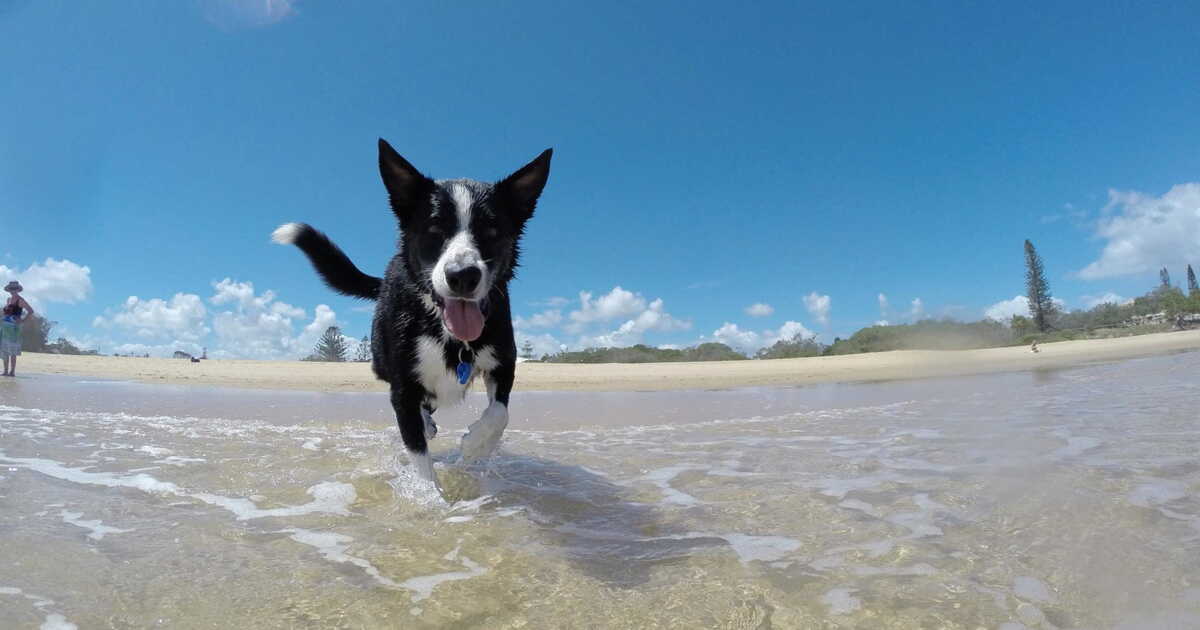
Going solo doesn’t necessarily mean traveling without company, especially when your dog is part of the journey. Some destinations make it easy to mix walks, cultural discoveries, and moments of relaxation with your animal. Others primarily offer wide open spaces, beaches, or scenic routes where a four-legged companion really matters. Here are seven ideas for destinations where traveling solo with your dog can be particularly enjoyable, according to journalist Becca Blond, who has roamed the world with her dog Poppy.

European cities where dogs easily fit in

Barcelona presents a compelling option for those who want to combine an urban stay with seaside excursions. With Antoni Gaudí’s architecture, lively neighborhoods, and the Ramblas, the Catalan capital offers numerous walking opportunities. Dogs can especially enjoy Playa de Llevant, one of the city’s beaches accessible to them. From June to September, AquaPark Canino also offers two pools, outdoor spaces, and a restaurant that welcomes owners accompanied by their animal.

Another European destination renowned for its dog-friendly hospitality is Italy, which lets you enjoy a blend of big cities, villages, and rural landscapes. In Rome as in Tuscany, dogs can accompany their owners on many outings. Vineyards, in particular, offer a chance to discover another facet of the country. Near Florence, the Il Borro estate, owned by the Ferragamo family, is among the addresses tested and approved by the expert.

Further north, Berlin stands out for its especially accommodating stance toward animals. Dogs can use public transport and are welcomed in many bars. Tempelhofer Feld, a former airport runway turned into a vast public space, also gives them more freedom. A feature that can greatly simplify organizing a stay when traveling alone and constantly balancing the needs of one’s animal.

Beaches, wide spaces, and iconic routes to change the air

For nature lovers, Alaska offers a dramatically different backdrop. From Anchorage, renting a car allows you to head north and reach the Denali National Park area. However, note that dogs are not allowed on most park trails, primarily to limit disturbances to wildlife. The nearby Denali State Park is more permissive and allows you to traverse the Curry Ridge Trail with your pet.

A change of scene awaits with Aruba in the Caribbean. The island welcomes many travelers accompanied by their dog, and several beaches are accessible to animals. In San Nicolas, Baby Beach can be suitable for dogs wary of water thanks to its shallow, calm waters. The island also offers a vibrant artistic scene through its numerous mural paintings.

In the United States, California’s Highway 1 is particularly well suited for a road trip. Between the cliffs of Big Sur, the Pacific landscapes, and stops such as Carmel or Santa Cruz, this route offers plenty of opportunities to pause and enjoy the scenery with your dog.

Finally, New Orleans presents a more urban alternative. The city features dog-friendly bars in the French Quarter and cafes with terraces where you can settle in with your animal. A way to discover the music and ambiance of the city without having to leave your companion at the hotel.
Before leaving, it is best to plan the trip carefully: food, water, a leash, medical documents, and a first-aid kit should be part of the essentials. With an itinerary tailored to you and stops checked in advance, traveling solo with your dog becomes, more than anything, another way to discover the world!

Summer 2027: Costa Reinvents Cruise Itineraries as a True Travel Experience


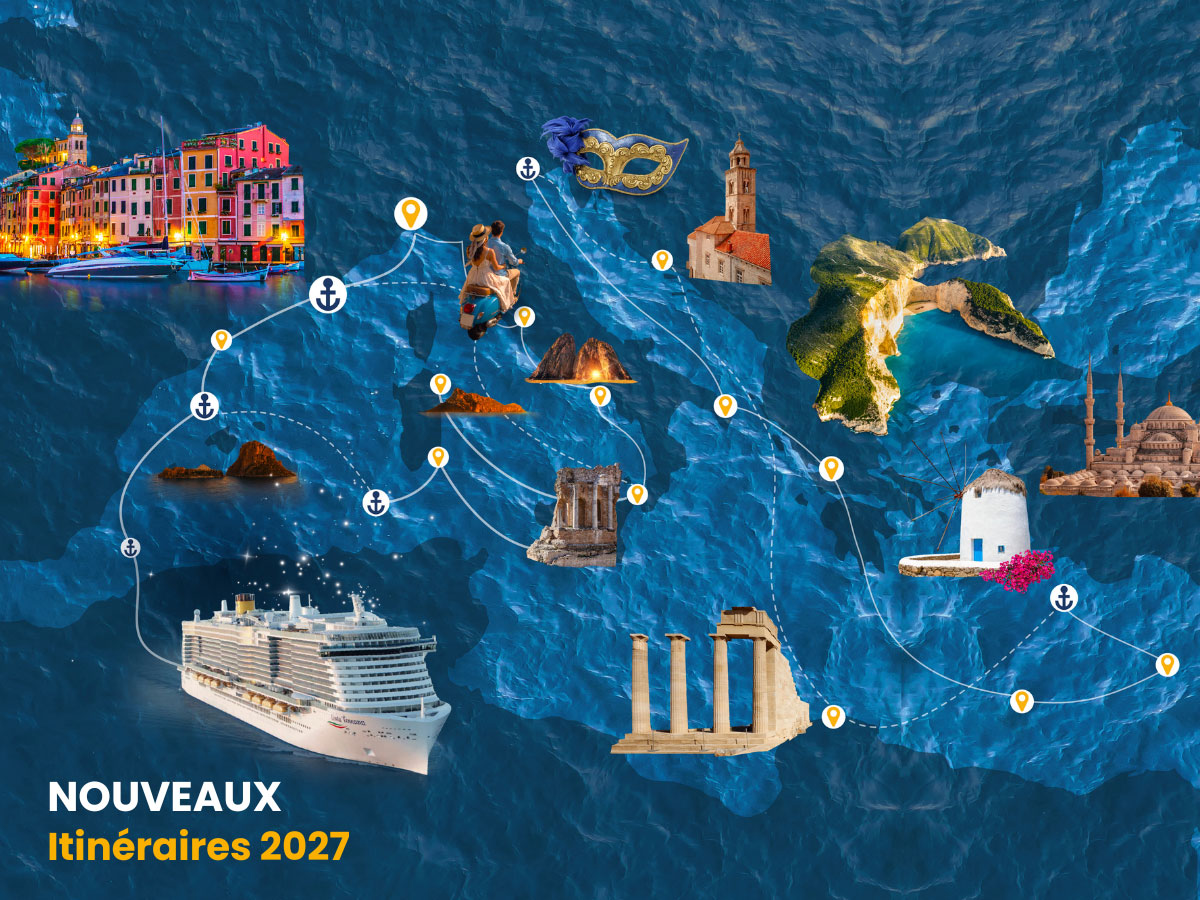
Nouveaux itinéraires été 2027 © Costa Croisières


CroisiEurope

Et si chaque itinéraire racontait désormais sa propre histoire ?

Today, travelers seek far more than a simple sequence of ports of call. They want to experience an atmosphere, discover a destination from a different angle and choose a journey that aligns with their desires, whether it be relaxation, culture, gastronomy, or discovery.

More than ever, the overall experience, both onboard and on land, has become a decisive criterion in choosing a vacation. It is in this logic that Costa is rethinking its summer 2027 programming with a new generation of itineraries built around clearly identifiable travel universes.

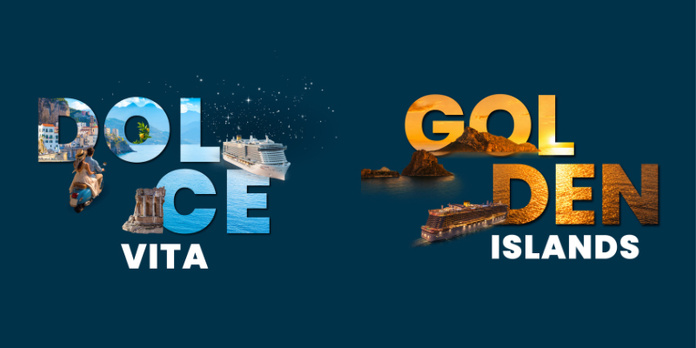
The company is gradually moving away from a purely geographical approach in favor of real travel concepts. Each itinerary now has its own identity, expressed from its name and carried by a strong emotional throughline. Thus, Dolce Vita speaks to lovers of the Mediterranean art of living, between Portofino, Taormine and the Amalfi Coast. Blue Islands highlights the finest Greek islands and their infinite shades of blue. Golden Islands takes travelers to the heart of the “Islands of Gold” in the Mediterranean, with four islands united by crystal-clear waters, vibrant atmospheres and spectacular sunrises and sunsets. Nordic Soul invites travelers to discover Northern Europe through its grand landscapes, preserved nature and Scandinavian way of life. With Adriatic & Cyclades, Costa brings together the charm of the Adriatic and the mythical magic of the Cyclades for an immersion among cultures, traditions and iconic panoramas.



Exemple de nouveaux concepts © Costa Croisières

These itineraries are only a preview of the new Summer 2027 collection. Many other itineraries await discovery, each designed to offer a different way to explore a destination and experience the cruise. Through this approach, Costa turns the itinerary into a true travel experience, giving travel agencies new selling points and a more inspiring way to present its offer.


How do these new itineraries facilitate sales in agencies?

This new approach helps agents guide clients more easily according to their desires rather than a simple list of ports of call. The choice is no longer limited to Western or Eastern Mediterranean, but to different ways of living one’s vacation: relaxation, cultural discovery, spectacular landscapes, Mediterranean ambiance, or immersion in nature.

For advisors, the messaging also evolves. It becomes possible to recommend an experience before recommending a destination. A client drawn to elegance, gastronomy, and the art of living will naturally be steered toward Dolce Vita, while a lover of islands, turquoise landscapes and seaside atmosphere will find happiness in Blue Islands.

The company also reinforces this promise with exclusive experiences on board and on land. The Sea Experiences, the Land Experiences inspired by the visited regions create a stronger link between the itinerary and the traveler’s experience, offering a seamless journey from the first to the last day of the cruise.


How to entice a former client to sail again to a destination they already know?

This is one of the major strengths of this lineup. Many travelers already know the Mediterranean’s classics or the Greek Islands. Yet, thanks to this new approach, they now have new reasons to return.

The experience evolves both on land and at sea. A client who sailed in the Mediterranean a few years ago will not simply rediscover the same itinerary: they will find a new way to live their journey. The storytelling of journeys, the Sea Experiences & Land Experiences on offer allow re-discovering familiar places from a totally new angle.

Finally, among the highlights of the Summer 2027 season, Costa also signs the return of the highly anticipated Eclipse Cruise. After the success of the 2026 edition, sold out, it will once again offer the chance to observe a total solar eclipse at sea on August 2, 2027, departing La Seyne-sur-Mer on July 27, 2027 with a return on August 7, 2027, aboard the Costa Fascinosa. A 10-day rare experience that perfectly illustrates the company’s ambition: to transform every cruise into a unique and memorable journey.


Croisière de l’éclipse – Visuel généré par IA © Costa Croisières


Where to find all the information to sell these new concepts?

To assist agencies in marketing this new offering, the Italian company has also modernized Costa Extra, its sales portal dedicated to tourism professionals.

Summer 2027 sales are now open, with all the new itineraries available for booking. Agents can find all the information they need to sell: detailed descriptions, sales arguments, visual contents and videos dedicated to each travel concept, whether Dolce Vita, Blue Islands, Golden Islands, Nordic Soul, Seaside Dream or Lights of the Mediterranean.


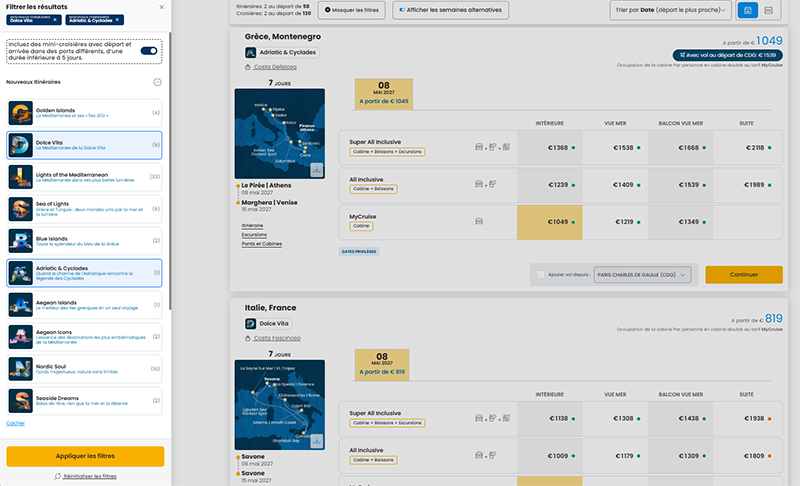
Exemple d’une page de réservation C|Extra - © Costa Croisières


Tahiti Nui Travel: Expert Romantic Getaways in French Polynesia


Intercontinental Thalasso Bora Bora   © Damien Gobron

CroisiEurope


A dream setting for lovers…

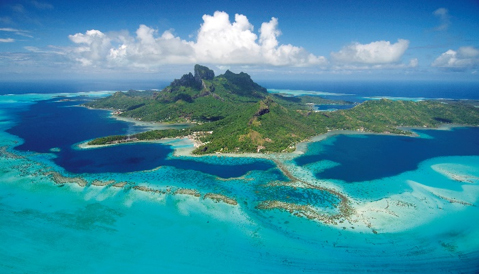
With its 118 islands spread across five archipelagos, Polynesia offers an exceptionally diverse range of atmospheres: from the understated luxury of an overwater bungalow in Bora Bora to the warm simplicity of a lagoonfront guesthouse in Huahine or Raiatea.


Each island cultivates its own charm:

  • Bora Bora, the ultimate romantic icon, for its turquoise waters, spectacular sunsets, and open-air spas.

  • Taha’a, the vanilla island, for its soft scents and secluded lagoons.

  • Rangiroa or Tikehau, for adventurous lovers seeking a remote corner of the world.

  • Moorea, with its emerald mountains and coves perfect for two-person kayak escapades…


© Philippe Bacchet – Bora Bora aérien

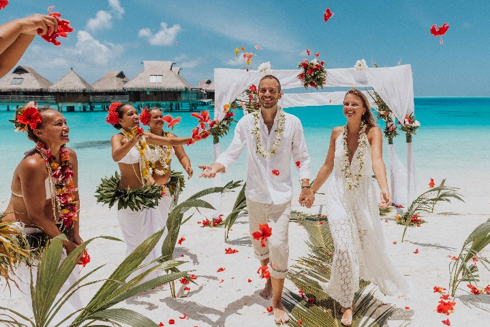
Each year, thousands of couples choose the Fenua to celebrate their union, to experience their honeymoon, to renew their vows, or simply to treat themselves to a two-person getaway. While Bora Bora remains the iconic image of romance, the islands of Moorea, Taha’a, Huahine, Raiatea, and the atolls of the Tuamotus each offer a distinct atmosphere, allowing for the creation of unique itineraries according to travelers’ desires.

But a romantic journey is not limited to a postcard landscape. It is built around thoughtful attentions, a rhythm carefully designed, and experiences that will be etched into memory. It is precisely this expertise that Tahiti Nui Travel has been bringing to the service of travel agencies and tour operators for more than six decades.


More than 60 years of expertise serving tourism professionals


Conrad Bora Bora
© Marc Gérard Photography

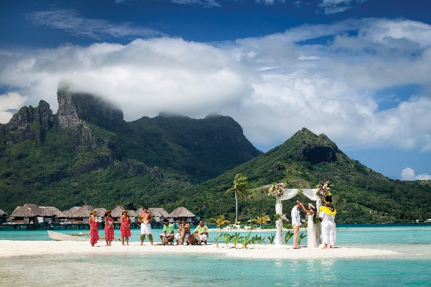
Newlyweds seeking an exceptional sojourn, a couple celebrating a wedding anniversary, a symbolic ceremony on a private beach, a vow renewal in an intimate setting, or a romantic escape off the beaten path: every project receives meticulous, bespoke attention.

The teams work closely with their partners to deliver genuine added value, far beyond a mere hotel or activity booking.

The excellence of a journey also rests on the quality of the partners who make it possible.

Over time, Tahiti Nui Travel has cultivated privileged relationships with leading hotels, charming properties, family-run pensions, and also with many local providers: guides, skippers, photographers, florists, spas, organizers of traditional ceremonies, and private chefs…

This long-standing network now enables us to offer carefully selected experiences, while also providing the flexibility essential for delivering the most personalized projects.


Memories that stand the test of time

When the sun sets… the magic begins!

Imagine a couple boarding an elegant traditional outrigger canoe as the sun slowly sinks behind Moorea’s ridges.

To the rhythm of the ukulele and guitar, the voyage carries them to a private motu where time seems to stand still. On the beach, a few lanterns, torches, and a large bonfire create an intimate atmosphere.


A trusted partner before, during, and after the journey


Four Seasons Bora Bora © D.Riddle

More than a local provider, Tahiti Nui Travel becomes a true extension of its partners’ commercial teams.

Tahiti Nui Travel brings its expertise, on-the-ground knowledge, and partner network to tourism professionals who wish to offer their clients exceptional romantic journeys in French Polynesia.

Because a honeymoon, a wedding, or an anniversary is a once-in-a-lifetime experience, every project deserves special attention and flawless organization.

For travel agencies and tour operators, choosing Tahiti Nui Travel means opting for an experienced, attentive partner capable of designing fully customized journeys and turning every request into an unforgettable experience, worthy of the dreams that French Polynesia has inspired for ages.


Contact


Tahiti Nui Travel : L'expertise au service des plus beaux voyages romantiques en Polynésie française

Created in 1965, Tahiti Nui Travel is one of the oldest inbound agencies to the destination Tahiti and Its Islands and has since become the leading inbound agency with a team of more than 100 specialists. As an inbound tour operator, Tahiti Nui Travel is the unique, ideal solution providing more than 1,000 products and services to any partner seeking to promote and sell French Polynesia on their market.

For more information, please contact us at [email protected] .

Telephone: +689 40 46 41 41

https://tahitinuitravel.com/

>> Tahiti Nui Travel in the DESTIMAG Directory


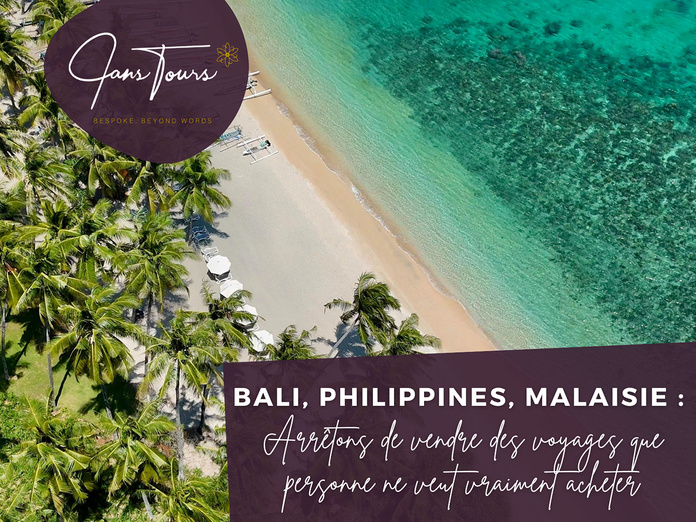
Bali, Philippines and Malaysia: Stop Selling Unwanted Travel


© Canva by Holger Raukamp from Pexels

CroisiEurope


Bali: the destination everyone already feels they’ve seen before departure

Bali has become a case study.

Everyone markets it. Everyone knows it. Everyone thinks they know it.

Before even booking a ticket, travelers have already watched hundreds of videos of Ubud, photos of the Tegalalang rice terraces, sunsets at Uluwatu, and infinity pools on Instagram.

The real challenge isn’t to introduce Bali anymore.

The challenge is to restore Bali’s ability to surprise.

Today, the main obstacle to selling isn’t price or competition. It’s the illusion of knowledge.

The client arrives with a preconstructed image of the destination. An image often idealized, sometimes distorted, but above all extremely precise.

In response to this, many offers keep piling up the same steps, the same excursions, and the same sales pitches.

Result: programs become interchangeable.

Yet Bali remains one of Asia’s richest destinations. But its value no longer lies solely in the places visited. It lies in how we reveal them to visitors.


@ Canva by Nikada from Getty Images


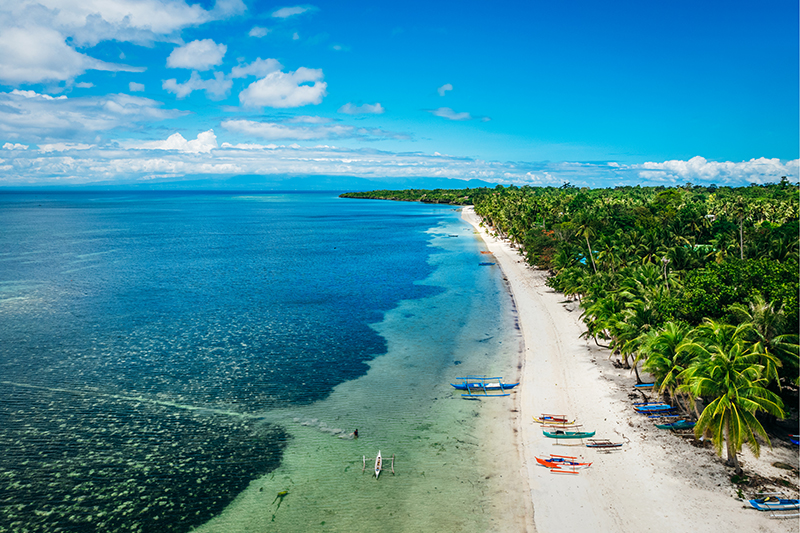
Philippines: an extraordinary product that defies standards

The Philippines probably stands as one of the greatest paradoxes in Asian tourism.

Everyone agrees on the country’s exceptional beauty. Yet it remains often harder to sell than other, less spectacular destinations.

Why?

Because we still try to fit it into marketing schemes that don’t suit it.

The Philippines is not a classic circuit.

It isn’t a destination told through a logical sequence of steps.

It is an archipelago of more than 7,000 islands where each region possesses its own identity, its own rhythm, and its own personality.

Palawan isn’t Bohol.

Bohol isn’t Siargao.

Siargao isn’t Cebu.

And it is precisely this diversity that gives the country its strength.

Travelers don’t come solely for beaches or lagoons. They come seeking a sense of perpetual discovery, exploration, and freedom.

As long as the Philippines is sold as a simple beach circuit, it will remain commercially underexploited.

The destination isn’t complicated.

It’s our way of presenting it that has become so.


@ Canva by Nikada from Getty Images


Malaysia: the most rational destination… therefore the least told

Malaysia suffers from nearly the opposite problem.

It may be the most complete destination in Southeast Asia.

It is modern.

It is accessible.

It is multicultural.

It has excellent infrastructure.

It blends modern cities, historic heritage, tropical nature, and beaches.

On paper, everything seems perfect.

And yet, it often remains in the shadows of its neighbors.

Why?

Because it generates fewer immediate fantasies.

In a world ruled by imagery, destinations that grab attention are often those that tell the simplest stories.

Bali evokes wellness.

The Philippines evokes paradise.

Malaysia, by contrast, is more subtle.

It demands more storytelling.

It demands more explanations.

It demands more staging.

Malaysia isn’t underestimated by travelers.

It is under-told by the market.


@ Canva by Coleong from Getty Images


The real topic: clients no longer buy destinations

For a long time, selling a trip meant selling a place.

Today, this model is showing its limits.

Travelers don’t buy just a destination anymore.

They buy a projection.

They buy a future emotion.

They buy a story they will want to tell when they return.

They buy a sense of freedom.

They buy a feeling of exclusivity.

They buy the impression of living something that resembles them.

And that is precisely where the current misalignment lies.

A large portion of the tourism offering continues to describe itineraries while travelers seek experiences.

We keep selling kilometers while clients want memories.

We keep selling hotels while they seek emotions.


Bali, Philippines, Malaisie : arrêtons de vendre des voyages que personne ne veut vraiment acheter

Audrey Marc

Deputy Director France

+ 33 6 70 54 20 63

+ 33 1 61 30 30 06

[email protected]

jans.tours

>> JANS TOURS in the DESTIMAG Directory


🥨Bretzel Travel: Making Bespoke Travel Sustainable


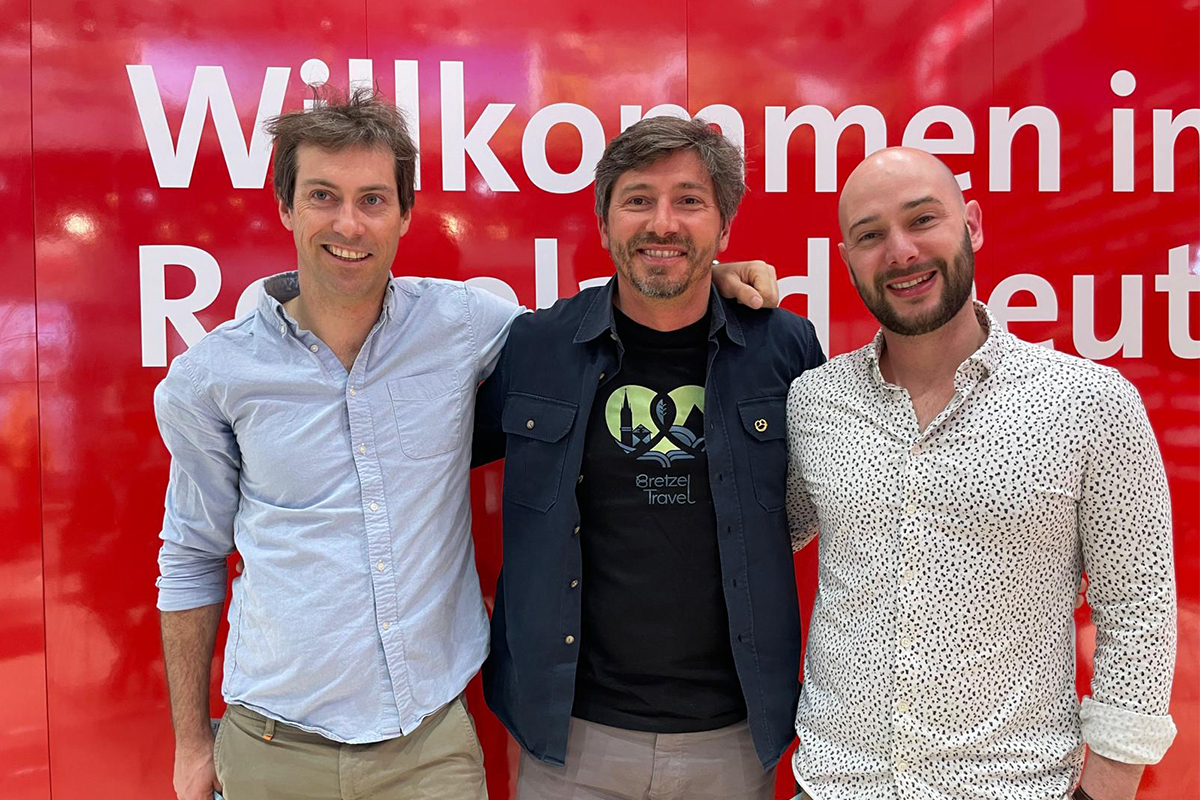
Bretzel Travel à l’ITB

CroisiEurope


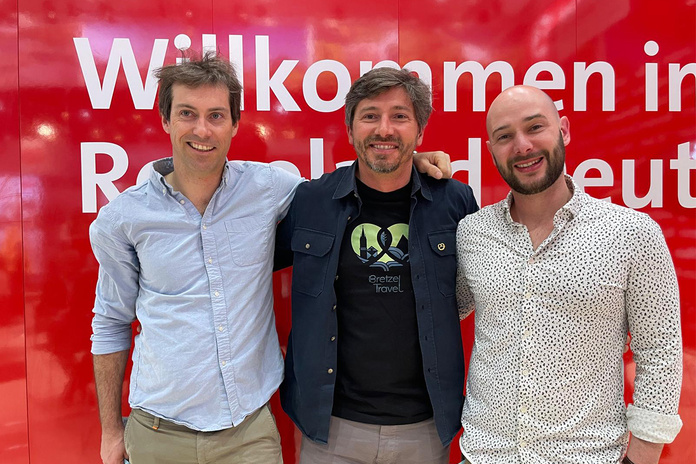
At Bretzel Travel, we have set ourselves the mission of uncovering the beauties of Germany and Austria for French travelers. It begins with a team of travel enthusiasts, culture lovers, and fans of original experiences. Naturally, they decided to share them, striving to customize each offer so that it matches the traveler who will embark. Bretzel Travel is therefore not simply about proposing itineraries; it always aims to fully take into account the needs and desires of travelers and to guide them as best as possible by drawing on its own experiences. And here comes the twist! Eco-responsibility will inevitably be part of it, as it is written as one of the company’s founding principles.


The Central Role of the Local Operator

It is with a clear awareness of its unique position that the team approaches this responsibility. Positioned at the crossroads between the traveler seeking advice and services and the destination itself (choice of providers, experiences, and places visited), we have a unique opportunity to positively influence the overall impact of travel! So why not favor options that are gentler on the environment? For example: trains are an excellent alternative to long car journeys. We leave behind the polluting and noisy jet skis, and instead head out onto the lake by kayak or sailboat. Snowshoeing, bike discovery tours, visits to local farms… The possibilities are countless!


A Mindset We Share…

… with travelers :

Bretzel Travel stresses the importance of maintaining close relationships with the people who seek its services. In this way, it is able to effectively raise awareness during the exchanges conducted throughout itinerary design. Just before the trip, Bretzel Travel will provide participants with a Traveler / Traveler’s Charter of Responsibility.

… with partners :

This starts with a careful selection of local players who share the same values and awareness of the issues, but it goes far beyond that! A checklist to ensure the maintenance of as sustainable as possible excursions is, for instance, shared with our guides. Interactions with suppliers, client agencies, and other service providers are also an opportunity to share useful advice, destination recommendations, and lesser-known services. In recent years, an effective ecosystem has taken shape, mindful of the challenges and eager to integrate them into its operating methods.


The Travelife Partnership, the Final Step Before Certification

Words are fine, deeds are better… On June 5, 2026, Bretzel Travel officially achieved the status of Travelife Partner. This means that the agency meets more than 100 criteria of professional management covering respect and protection of biodiversity and human rights, in addition to attesting to the validity of its daily practices in energy efficiency among other things. For the team, this milestone brings recognition for the path traveled and confirms that the chosen direction is the right one.


A Future Made of Initiatives

Obviously, the effort continues far beyond the certification goals. To guide travelers in their choices from the discovery phase, Bretzel Travel is working on highlighting so-called “Low Carbon” itineraries that meet a set of criteria, notably by favoring certified establishments and gentle mobility for a positive environmental impact… This badge will be accompanied by a precise measurement of the kilograms of carbon emitted per traveler as well as a contribution donated to a decarbonization organization. Bretzel Travel aims, through these internal labels, to raise awareness among its users about the impact of activities in the tourism sector.

And this is (we hope) only the beginning! The planet is warming, and so are our heads…


Inbound Tour Operator of Tomorrow: The Rise of Group Travel Strategy


© Únia Travel / Image générée par IA à titre illustratif

CroisiEurope


The group journey has not spoken its last word. It is evolving, just as travelers, agencies and the ways of discovering a destination are evolving. In a world where everything seems bookable in a few clicks, the need to travel together, to share an emotion, to discover a culture with others, and to feel accompanied remains profoundly current.

At Únia Travel, this conviction guides the vision of tomorrow’s receptive partner: a hands-on ally capable of helping agencies design travel experiences that are more personalized, more reliable and more meaningful.


Group travel answers a need that will not disappear

We sometimes hear that group travel is coming to an end, as if new generations will inevitably travel solo, organize everything online, and do without support. At Únia Travel, we do not share this view.

Group travel still has a future because it answers a profoundly human need: the need to share, to meet, to exchange and to experience something together with others. Traveling is not just about moving from one point to another. It is about creating shared memories, discovering a culture with a guided perspective, being surprised by a meeting, a tradition, a flavor or a local story that one might not have found alone.

Even future generations will crave connection. They will likely want travel that is freer, more immersive, closer to the local culture. They will want to understand more, experience deeper moments, and feel like actors in their own journey. But that does not mean the end of the group. It means the end of standardized groups.

The group journey of tomorrow will be more personalized, more flexible, and better aligned with travelers’ real profiles. For agencies, this evolution represents a real opportunity, but it also requires more guidance, more anticipation, and a precise knowledge of the terrain. This demand is especially important for French-speaking senior groups, where pace, comfort, quality of meals, travel times, and accompanying support play a crucial role in the success of the stay.


Tomorrow’s receptive partner can no longer be merely an assembler

For a long time, the role of a receptive partner could be summarized fairly simply: find the right hotels, book the restaurants, coordinate the guides, organize the visits and ensure the program runs smoothly on site.

These tasks remain essential. But today, they are no longer enough.

An agency expects more from its local partner. It needs a counterpart who understands its clientele, its commercial constraints, its deadlines, its positioning, and its objectives. A group program must not only be feasible; it must be coherent, legible, well-paced, adapted to travelers’ profiles, and attractive enough to sell.

For Únia Travel, this evolution is obvious: a receptif must do more than just organize a trip. It must help the agency sell it, secure it, and build customer loyalty. It must become the agency’s eyes and ears on the ground, anticipate constraints, and ensure that every choice serves the final experience of the group.

Receptives capable of advising, personalizing, anticipating, and securing will become even more indispensable partners for tourism professionals.


© Alena Darmel - Pexels


Personalization begins with listening

In a market where many offerings look alike, personalization becomes a genuine lever of differentiation for agencies.

At Únia Travel, this personalization starts with listening. Who are the travelers? What is their rhythm? What have they already visited? What level of comfort do they expect? Does the agency seek an accessible program, an original experience, an in-depth cultural circuit, or a proposal capable of surprising a loyal clientele?

The answer cannot be the same for everyone.

That is why Únia defends a simple idea: the product must adapt to the client, and not the other way around.

This approach requires field knowledge, proximity, and flexibility. A successful program is not necessarily the one that offers the most; it is the one that finds the right balance between discovery, comfort, pacing, pleasure, budget, and flow.

It is in this spirit of personalization and listening that Únia Travel develops more differentiated ideas, notably through the Únia Signature universe: proposals built around local flavors, celebrations, traditions, lesser-known experiences, or themes capable of giving real personality to the journey.


Technology at the service of the field, not in place of it

Talking about the tomorrow’s receptive partner also means talking about technology. But at Únia Travel, technology is not an end in itself. It only has value if it concretely improves the service provided to agencies and the smooth running of on-site operations.

This reflection particularly focuses on new tools that can facilitate exchanges with agencies, speed up certain communication steps, make proposals clearer, and simplify file tracking. The aim is to give professionals more legible, more practical, and easier-to-use supports in their own commercial work.

It also concerns how to better convey information to the various participants in a trip: internal teams, guides, drivers, local partners. A well-prepared, well-shared, and easily accessible file directly contributes to the stay’s success. In group travel, the quality of the experience depends as much on program design as on how precisely information circulates before and during the trip.

Technology should save time, streamline exchanges, organize information more effectively, and improve responsiveness. But it does not replace field knowledge, professional intuition, or human relationships.

A tool can speed up a response, but it cannot sense whether a program is too dense for a senior group, nor know whether a step is enjoyable in theory but not suited in practice. It does not replace the experience of a team that knows destinations, suppliers, the habits of French-speaking groups, and agencies’ expectations.

The modernity of tomorrow’s receptive partner will thus be hybrid: more tools, yes, but still more guidance. More speed, but without sacrificing quality. More structure, but without standardizing the travels.


Tell us about your projects: we are here to help you build them, adapt them, and succeed with them.


Le réceptif de demain : pourquoi son rôle devient plus stratégique pour les voyages de groupes

A receptive DMC agency specializing in the design and organization of tailor-made group trips, stays, and guided circuits in Andorra, Occitania, Spain and Portugal.

For your group projects, programmed itineraries, tailor-made stays, or specific requests:

[email protected]

[00376] 720 600

www.uniatravel.com

facebook instagram instagram

>> Únia Travel in the DESTIMAG Directory