
Muse, Instinct, OpenClaw…: Will Personal AI Agents Become the New Travel Agents? [ABO]


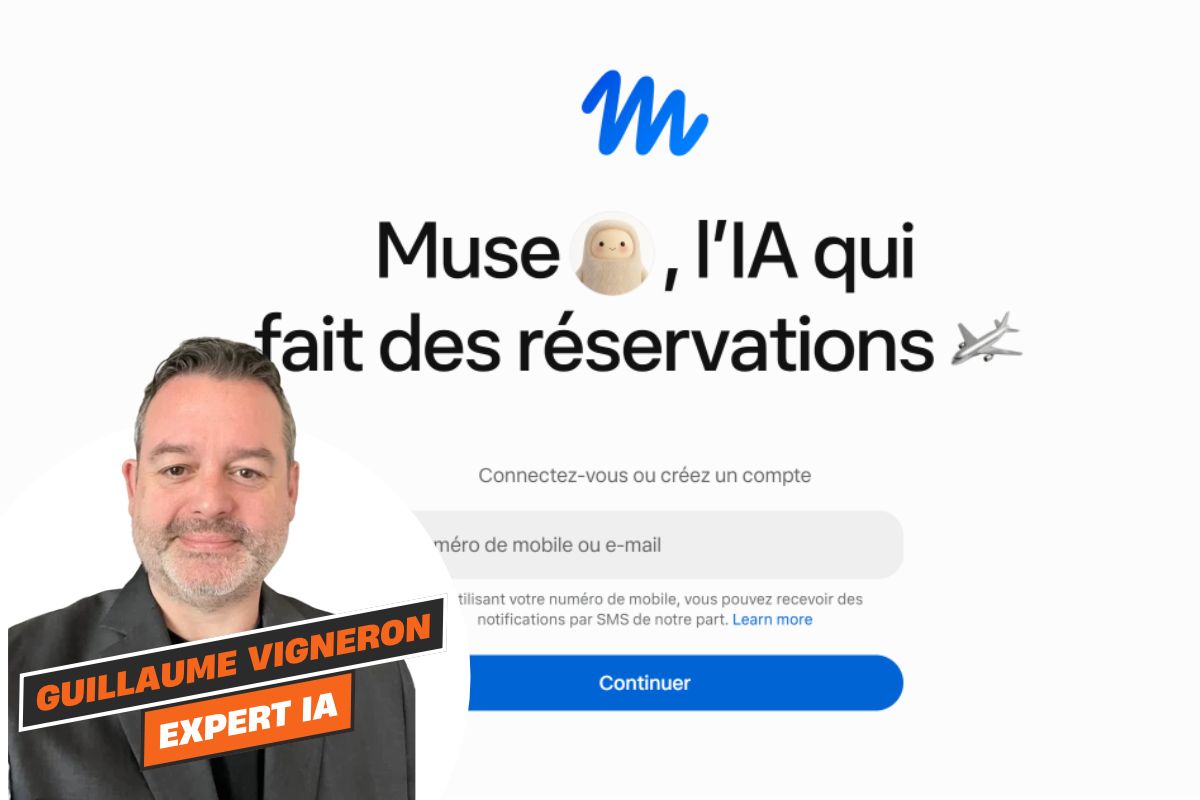
Muse, Instinct, OpenClaw... : les agents IA personnels vont-ils devenir les nouveaux agents de voyage ? - Photo Capture écran Muse

CroisiEurope


Having learned to answer our questions, artificial intelligence enters a new era, an evolution that could prove particularly favorable for tourism.

Behind the new agents such as Muse, Instinct, Hermes, or OpenClaw lies a far more important question: tomorrow, who will actually organize our trips, and above all, who will control the relationship with the traveler?

Since November 30, 2022 and the explosive launch of ChatGPT 3.5, generative AI has mainly accustomed us to chat: you ask your favorite AI a question, the model answers and can propose an itinerary for Athens, compare two destinations, or suggest a hotel.

Since the beginning of 2026, a new generation of tools, the AI agents, begins to take another step. This time—as the name suggests—they act.

This wave began at the start of the year with the release of OpenClaw on January 29, 2026, the principle of which will inspire all the other products: Hermes Agent in February, GrokBot and Instinct in August, and finally Muse from Meta in September.

In less than a year, the market has transformed around this (very real) promise: to move artificial intelligence from the status of interlocutor to that of a permanent executor.


From Simple Digital Advisor to Persistent Executor

The travel sector could become one of the best testing grounds for this new generation of AI capable of taking action online.

The reason lies in the very nature of a trip: planning four days in Copenhagen requires chaining together a considerable number of small operations such as searching for the cheapest flight, looking at hotels in the best location, knowing the exchange rate, checking museum or attraction hours, booking a good table, or tweaking the plan when weather changes.

Individually, none of these tasks is very complicated, but their accumulation — in AI terms, orchestration — is much more demanding.

This is precisely what AI agents seek to absorb.

A late-September Business Insider piece offers a fairly concrete glimpse of this evolution. Jay Eskenazi, a former UX professional at Expedia, tested several tools, including Muse, Instinct, and Grok Bot, during a three-week trip across Europe.

He no longer asked an AI merely to craft a travel program; he fed it his own notes, preferences, and constraints.

Muse could then reorganize his days by taking into account opening hours and ticket availability, and even showed signs of initiative: the agent suggested coherent geographic itineraries and could transfer them to Google Maps.

During the trip, it continued to adapt its recommendations based on newly available information. Impressive.

While it is not yet the fully autonomous travel agency promised by some marketing-driven rhetoric, the shift in usage is already visible: the user no longer necessarily looks up information before every decision but progressively delegates the search and organization to their agent.


From Information Search to Goal Definition

For about two decades, a large portion of the digital tourism economy has rested on a simple action: the traveler searches online.

They open Google, Booking, Expedia, Airbnb or Skyscanner, compare results, click, and pay. Each platform thus tries to become the starting point of this search.

The AI agent changes this logic because a traveler could simply request:

“Organize four days in Lisbon for two adults, under 1,500 euros in total, with a view of the Tagus but not too far from the Bairro Alto.”

From there, the agent could query several services, compare prices with the user’s known preferences, verify cancellation conditions, and then prepare the booking so the traveler only has to click “accept.”

The economic battle would shift as soon as the question is not only which site appears first on Google, but which offer will be selected by the AI agent.

Accenture sums up this change quite directly in a study titled “Win the AI agent, win the traveler” published in September 2026.

According to this study, tourism companies must now think about their visibility to AI agents themselves, what is called GEO for Generative Engine Optimization.

If an agent compares hotels, loyalty programs, cancellation policies, and payment methods for its user, it becomes a decisive intermediary in the decision.

Tourism SEO could thus gradually gain a second target: after the human, the machine working for them.


Travel Players Do Not Stay Idle

For several years, Expedia has been developing planning features in natural language and has stepped up the integration of its services with several AI environments in 2026. The company has notably made its inventory accessible from Muse.

Its CEO, Ariane Gorin, nevertheless believes that a single agent will probably not control the entire travel journey. She bets instead on a coexistence between multiple entry points and specialized agents.

Other players are already pushing further.

In Europe, Visa announces that it has completed real commercial transactions initiated by AI agents with participating merchants. Travel is among the sectors targeted by the development of these payment infrastructures.

eDreams ODIGEO is also working with Visa to enable identified agents to make reservations within parameters defined by the client.

The goal is precisely to distinguish an authorized agent from any automated traffic and to keep authentication mechanisms around payments.

The boundary between advisor and buyer is thus starting to become rather blurred.


Towards a Personal Traveler Agent?



Guillaume Vigneron - Photo : Super Agence SAS

Guillaume Vigneron is the founder of La Super Agence SAS, a Paris-based consulting and training firm specialized in generative AI. He assists managers and executive committees in the operational and strategic adoption of generative AI, structuring usages, governance, and transformation roadmaps.

His approach focuses on management, organizational, and performance challenges linked to integrating AI into companies. He has already trained over 1,500 professionals in the practical use of generative AI in their work.

Guillaume Vigneron also speaks as a lecturer on topics related to AI, the future of work, and organizational transformation.


How to Start a Travel Agency Legally [ABO]


1. Define your activity precisely

Agent de voyages : comment se lancer en toute légalité - Depositphotos.com studiostoks

CroisiEurope


Before diving in, it is essential to know what you want to sell and under what framework. In France, selling travel and holidays requires registration with Atout France, as well as professional liability insurance and a financial guarantee.

“Significant investments”, notes Jean-Charles Franchomme, cofounder of the Collective for the Defense of Travel Professions (CDMV).

There are solutions for professionals who do not wish to create their own agency, notably business introductions or travel design, carried out in partnership with a registered agency.

“To practice as a travel planner, you must stay within the legal framework,” reminds Jean-Charles Franchomme. He also advises to “not engage in pre-sales, on-trip support, or post-trip aftercare.” The professional should also not use affiliate links nor enter directly into contracts with receptive operators.

The term travel planner does not correspond to a precise legal status. “Travel Planner is a registered trademark of the Havas network. It is therefore not a newly invented profession. It’s simply a term that has become highly trendy,” he adds.


2. Choosing the business introducer status

A business introducer connects a potential client with an accredited travel agency. They can search for clients, gather their needs, and relay information to the agency, but they do not complete the sale of the trip.

“To operate within the business introducer framework, three conditions apply,” explains Guillaume Beurdeley, deputy secretary-general of Entreprises du Voyage. The contract must be concluded directly between the registered agency and the client. Funds must be paid to the agency, not to the introducer. Finally, the introducer must not present themselves as the seller of the trip. »

The introducer can then be compensated by the agency, according to the terms laid out in their agreement. They must not collect the trip price and then pass the funds on themselves.


3. Rely on an agency or a collective

Collectives offer another path. Mannon Philippé, a freelance travel agent and member of My Way, chose this model after completing training in tourism. “My Way provides a legal framework and tools to sell travel under compliant conditions,” she explains.

Each member can , with a logo, a brand, and a social media presence. The client remains informed about the framework within which the trip is sold. “The contract is between the client and My Way, and payments are paid directly to the organization”, she notes.

The collective also provides tools, mentorship, and a sense of community. “Members can exchange practices and help one another, especially when starting out or entering from another professional field”, explains Mannon Philippé, who coordinates this support within the collective.


4. Distinguishing the introducer from the travel designer

The role of the travel designer is broader than that of the business introducer. At Voyage Couture, Barbara Roussel works with six of them and draws a clear line between the two functions.

“The business introducer presents the client to us, passes along their brief, and then we manage the entire trip,” she explains. In this model, compensation amounts to roughly 30% of the margin.

The travel designer, by contrast, accompanies the client throughout the sale. “They will manage the sale, design the trip, communicate with the client, and prepare the enrollment form,” details Barbara Roussel. The agency retains administrative management, payments, and reservations. The travel designer’s pay generally represents 50–60% of the margin.

“The travel designer and the travel planner are largely the same thing. The difference is that they work within the legal framework of an agency.”

A contract is drawn up with each travel designer. It specifies, among other things, operating rules, approved suppliers, client ownership, and payment terms. Barbara Roussel stresses the importance of working with reliable suppliers and upholding the agency’s professional liability. “No supplier can be used without my agreement,” she notes, after encountering an issue with a provider.


6. Avoid a relationship that resembles salaried employment


7. Start gradually

Freelance work offers greater freedom, but it demands rigorous organization. “Clients may reach their advisor in the evening or on weekends. Mornings are often devoted to administrative tasks, research, and preparing files,” explains Mannon Philippé, who suggests planning in advance how you will structure your day and your income streams.

“You have to be aware that income is not immediate. It takes time to grow your client base.”

Barbara Roussel likewise advises newcomers to start gradually. “First, you need to secure yourself,” she says. Joining a collective or working with an agency allows you to test your market before considering individual registration.

It is a way to grow your activity while staying within the regulatory framework.


Find all articles in our series “Very Special Agent – The Practical Guide for the Pro” by clicking this link.

Costa Cruises 2026 Season Focuses on Close Ties with Travel Agents


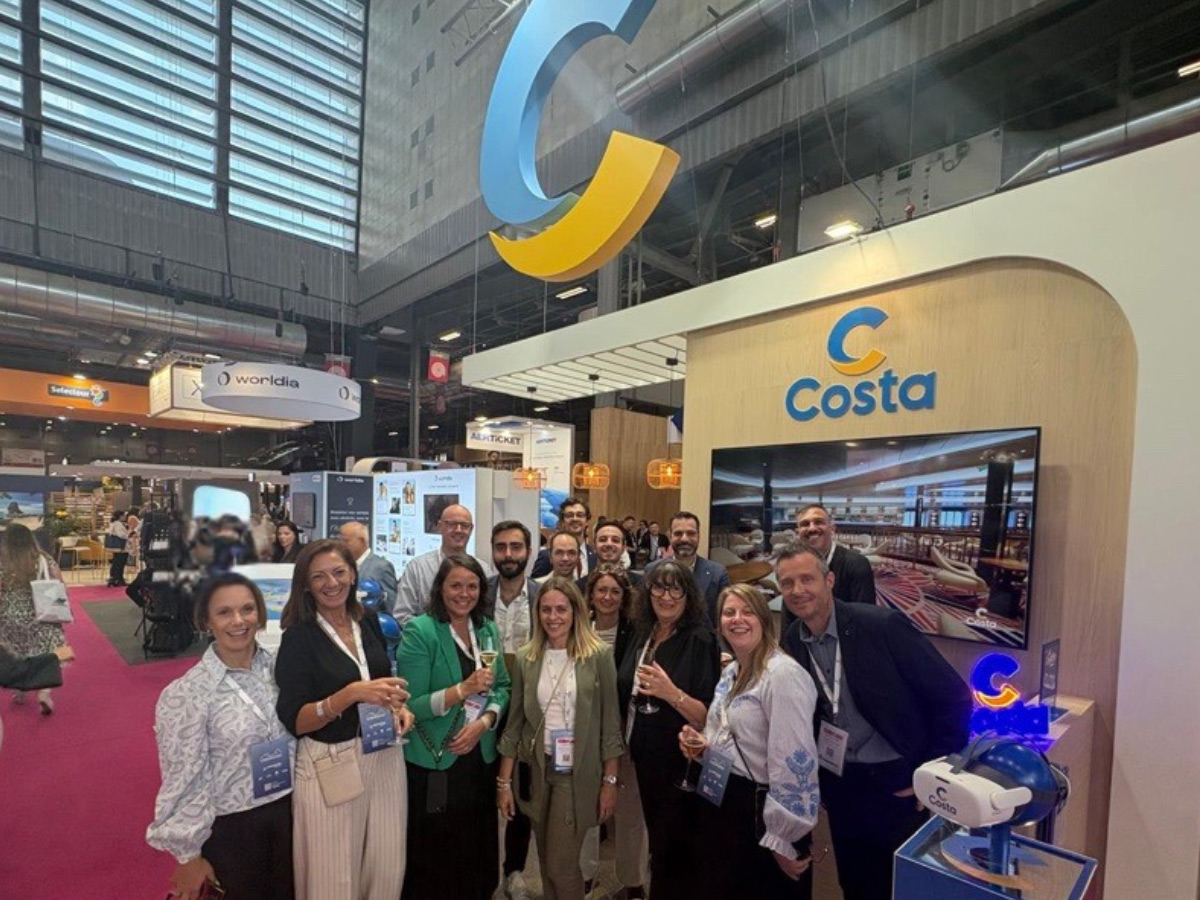
Equipe commerciale Costa Croisières France - IFTM 2026 © Costa Croisières

CroisiEurope


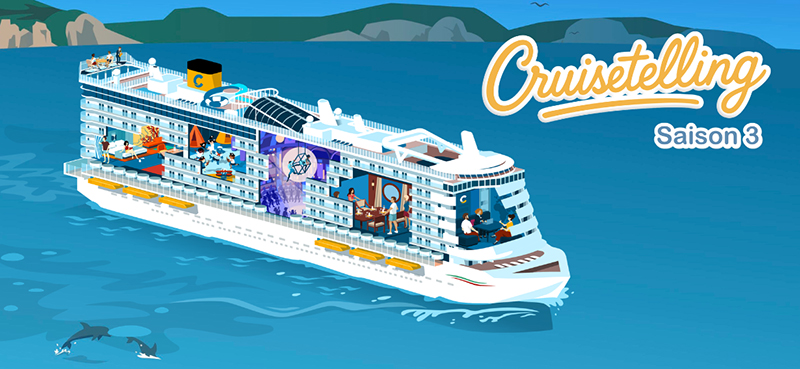
Cruisetelling Season 3: Life on Board as If You Were There

In 2026, Costa continues its commitment to training with the upcoming launch of the third season of its Cruisetelling program.

Following the success of the first two editions, this new chapter places life on board at the heart of the initiative.

Through a series of short videos, interviews, and immersive content, participants will discover the different universes that make up the onboard experience. From restaurants to entertainment, cabins, including exclusive services, excursions and premium experiences, each module will highlight the many “pluses” that make the Costa cruise stand out.

This training has been designed as a real sales aid. By providing access to concrete content easily reusable in sales discussions, Cruisetelling helps professionals answer clients’ questions, overcome buying obstacles, and highlight all the services offered on board.

Beyond product training, this third season aims to help agents bring the Costa experience to life even before the client’s departure.


Cruisetelling Saison 3 – début le 29 septembre 2026 © Costa Croisières


An IFTM 2026 marked by exchanges and conviviality


© Costa Croisières

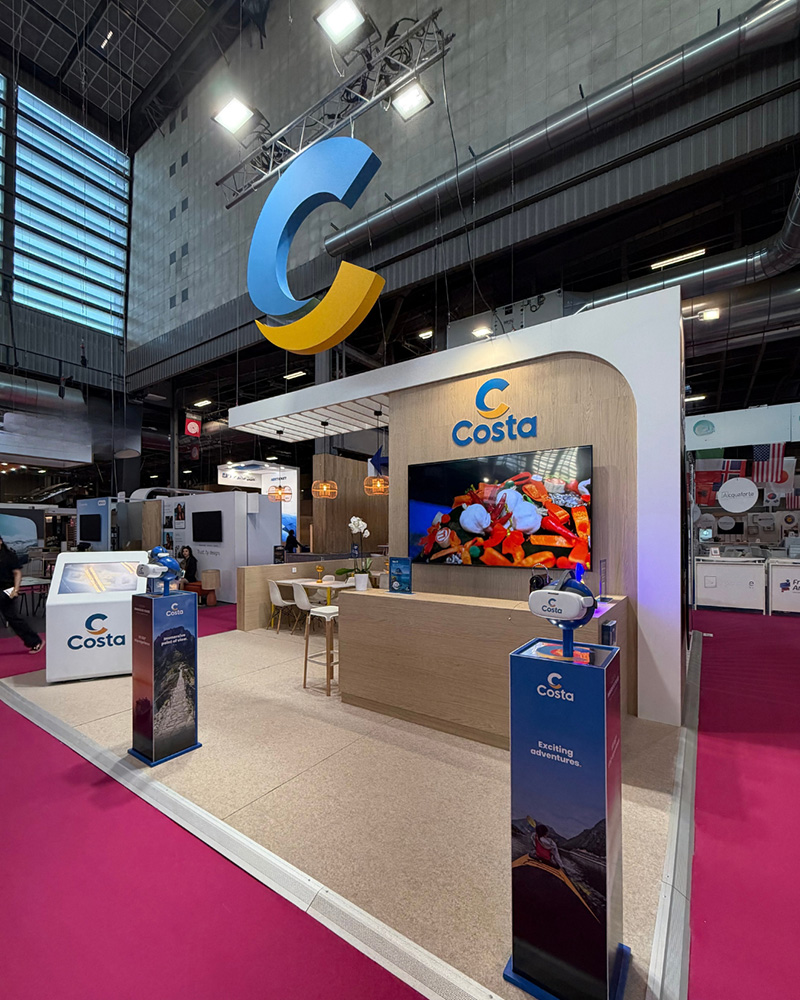
For three days, Costa Croisières invited tourism professionals to a 42 m² stand designed as a true hub for exchanges and meetings.

Product innovations, fleet news, and commercial outlooks: the French teams mobilized to welcome partners, distribution networks, and travel agencies in a convivial yet professional atmosphere.

This 2026 edition was also marked by the presence of Luigi Stefanelli, Vice-President Worldwide Sales who shared his vision of cruising and the group’s ambitions for the years ahead. A privileged opportunity for partners to meet the company’s decision-makers and engage directly with them.

Among the highlights of the show, visitors could take part in a traditional

Colazione Italian breakfast organized on the second day. Pastries, Italian-style coffee, and Transalpine specialties recreated for a morning to capture the warm atmosphere Costa is known for.

Throughout the show, numerous activities paced the stand with several gifts to win, drawing a large and engaged audience. Travel professionals could also embark virtually using virtual reality headsets, allowing them to discover the Costa experience and some of the ships’ iconic spaces as if they were on board.

The sales teams, for their part, intensified personalized appointments to best support their partners and address their development needs. True to its DNA, Costa emphasized proximity, listening, and guidance, values highly appreciated by travel agencies.


Travel agents Cup – IFTM 2026 © SAM PINTO

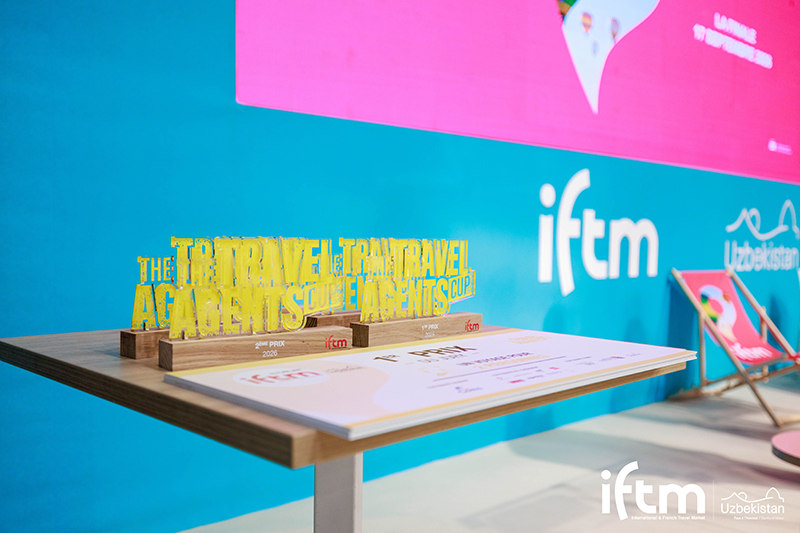
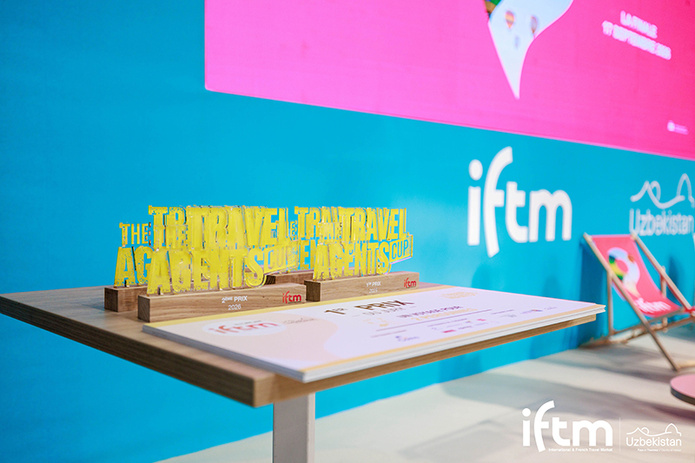
Another major moment of this edition: the Travel Agent Cup. As a Diamond partner of the event, Costa Croisières had the honor of supporting this competition that has become essential for the profession. The 2026 edition’s winner brilliantly met the challenge by delivering a compelling Costa pitch in just four minutes, demonstrating a flawless mastery of the offer and the company’s universe.

A fine illustration of the strong bond that unites Costa Croisières with travel agents, true ambassadors of the brand to their clients.


More than 700 travel agents met during the 2026 roadshows

In parallel with IFTM, Costa Croisières is also wrapping up its major 2026 roadshow tour, a series of events held across metropolitan France and the overseas departments and regions (DROM).

Bringing together more than 700 travel agents in France and the DROM, the tour embraced two strong concepts: “Noir & Or” in Paris, Nice, and the Antilles, and “Destination Wonder” at other stops, highlighting Costa Croisières’ latest releases and flagship experiences.

The objective was clear: present the company’s main novelties in an immersive way and the major business opportunities for the coming months.

As presentations progressed, travel agents could deepen their knowledge of Costa’s major 2027 novelties, including the New Year cruise in Brazil, the Free Train offer from Paris and Lyon, the Eclipse’s exceptional cruise, and direct Caribbean flights from Marseille on February 22, 2027.

More than a simple business meeting, the tour once again demonstrated Costa’s commitment to training, support, and sharing experiences with travel agents.

Through on-site events, commercial support, and innovative training tools, Costa Croisières confirms its intention to stay close to travel agents. A strategy built on a strong conviction: the success of cruising ultimately hinges on the success of its distributing partners.


$100,000 Wellness Retreats to Live Longer: The New Luxury Travel Craze

Resting on a briefcase, a mask connected to sensors promises to detect 23 biomarkers and biological indicators in just a few minutes, before delivering a program to improve health. “PNOË is a respiratory analysis device,” explains Panos Papadiamantis, the head of the company, which employs around a hundred people. “We assess, in functional terms, how well your lungs absorb oxygen, how effectively your heart pumps it, and how efficiently your cells take it up,” he adds.

The link to the worlds of tourism and hospitality may seem tenuous at first glance, and yet the company has already equipped Four Seasons hotels and has other orders in the hospitality sector. “The wellbeing and the longevity represent the new luxury. Consequently, I think wellness and hospitality will be inextricably linked in the future. I don’t believe it will be possible to sell luxury hospitality without tying it very closely to wellness,” the entrepreneur contends.

Beside the PNOË mask, there is a hyperbaric chamber with ultra-modern design, where the visitor can settle into a chic beige chair, an oxygen mask on the face, for a session under a pressure “equivalent to ten meters underwater,” explains David Gumbleton, representative for the HPO Tech brand. With the possibility to continue working, he notes, since tablets are connected inside the chamber.

The “Wellbeing and Appearance” Concern

At the end of the day, he asserts, are expected health benefits such as faster healing processes or reduced inflammation. These tools—often reserved for the medical sector or elite athletes—now find a place in luxury hotels, which can thus offer and monetize additional services.

“The hotel market used to be more about spas and the notion of indulging oneself. Today, people are seeking wellbeing. It is a market with very high growth,” analyzes David Gumbleton. And the hotel, equipped with these new technologies, becomes a destination in itself.

While the wellness sector represented last year as a whole around $2 trillion according to McKinsey, longevity has been thrust into the spotlight by American billionaire Bryan Johnson. It is attracting clientele who, for some, have shifted away from traditional luxury goods. According to a Bain & Company report, global luxury spending fell by 1 to 3% in the previous year compared with 2024. While goods suffered—especially leather goods and fashion—spending on experiences rose by 3% during that period, notably thanks to the wellness sector.

Scientific arguments are not all proven, but the movement is spreading: the Six Senses hotel group offers longevity-focused stays at certain destinations for several thousand euros per week, excluding accommodations. Four Seasons has partnered with Chi Longevity clinics, offering a genetic testing service to discover “how your body metabolizes nutrients in a unique way”.

“It is a demographic reality: the baby-boom generation is reaching retirement age”, notes Stéphane Durand, tourism specialist at the consultancy Voltere by Egis. “These are people with purchasing power, used to being major luxury consumers.” Not to mention “the concern for wellbeing and appearance. These are part of the society’s enduring trends”, he adds—provided they have the means, of course.

In Malta, entrepreneur Mark Weingard, head of the Iniala group, plans to launch in 2028 a four-week longevity program for entrepreneurs across his hotels… at a cost of $100,000. “Longevity is the buzzword right now. But many places do not implement it correctly”, he remarks.

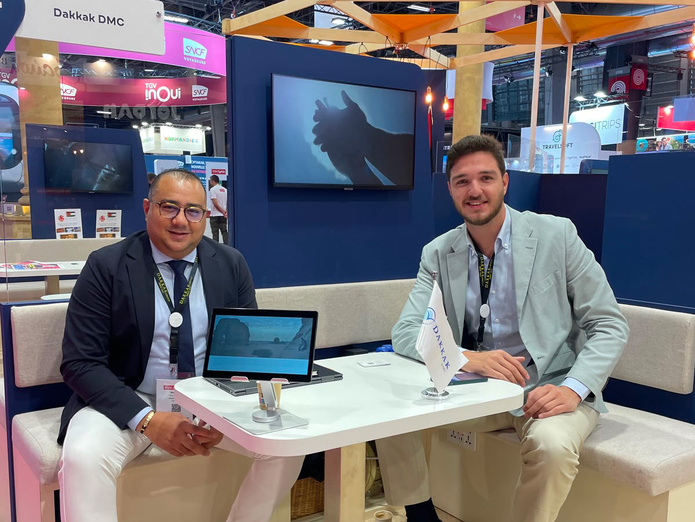
Dakkak DMC: Regional Expertise for Tailor-Made Travel in the Middle East


© Dakkak

CroisiEurope


A story built around the destination

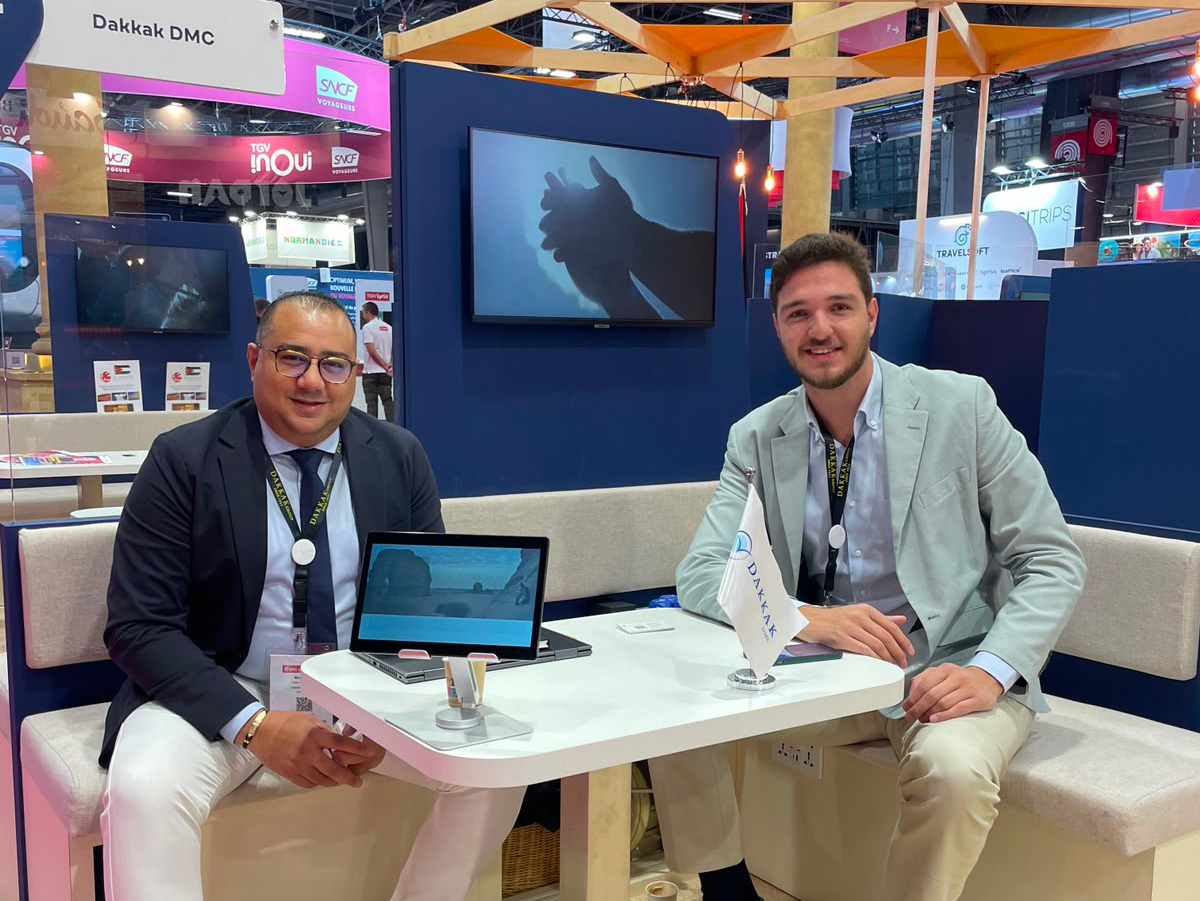
For more than seven decades, Dakkak has developed its expertise in travel to the Middle East. Born in Jordan in 1955, the group has gradually expanded in the region with a strategic presence in Amman, Dubai and Riyadh.

This local footprint today constitutes one of Dakkak DMC’s main strengths: offering tourism professionals a representative who truly understands the destinations, their specificities, their suppliers and their operational realities.

“Our goal is not merely to sell a destination, but to create an experience that truly matches the traveler’s profile and the expectations of the tour operator,” explain the Dakkak team.

This philosophy relies on close relationships with professional partners and on a willingness to build programs tailored to each market, each client and each budget.


Six destinations, one regional expertise

Dakkak currently supports its partners across six major destinations in the Middle East:

United Arab Emirates, Jordan, Saudi Arabia, Oman, Qatar and Egypt.

This coverage notably allows tour operators to build combined itineraries and offer richer trips by weaving together several cultures, landscapes and experiences within a single program.

In Dubai and the United Arab Emirates, Dakkak offers programs ranging from the destination’s must-sees to more intimate experiences: discovering old Dubai, heritage, gastronomy, the desert, private experiences, Abu Dhabi, luxury offerings, stopovers or MICE programs.

In Jordan, the group’s historical expertise enables circuits around Petra, Wadi Rum, the Dead Sea, Aqaba and the country’s various cultural and historical sites.

Saudi Arabia also represents a key development axis, with experiences around Riyadh, AlUla, Jeddah and the Kingdom’s heritage.

Oman and Qatar complete this regional offering with programs blending culture, nature, adventure, relaxation and discovery.

Finally, Egypt strengthens this presence with offerings that notably cover Cairo, the pyramids, the Grand Egyptian Museum, Luxor, Aswan, Nile cruises, private dahabiyas and tailor-made programs.


A tailored approach for tour operators

Dakkak DMC works with different market segments: FIT, groups, series, leisure, luxury and MICE.

The approach rests on creating customized programs, based on the budget, traveler profile and the partner’s commercial positioning.

Hotels, transportation, guides, excursions, restaurants, private experiences, cultural visits, desert activities or events: the Dakkak teams coordinate the various elements of the journey to offer a coherent and well-managed service.

The group also places emphasis on operational support. From the initial request to the traveler’s return, local teams remain involved in the handling of files and delivery of services.

This attention to detail is particularly important for European markets, where travelers increasingly seek authentic, personalized experiences that differ from standardized circuits.


Introducing another Middle East

Beyond the major must-sees, Dakkak also aims to highlight another way of traveling in the region.

In Dubai, this can mean discovering Emirati heritage and traditions before moving into the city’s modern neighborhoods; in Jordan, meeting locals and immersing in Bedouin culture. In Saudi Arabia, discovering heritage sites and new experiences in AlUla. In Egypt, sailing aboard a private dahabiyya rather than a classic cruise.

This pursuit of differentiating experiences forms a key pillar of Dakkak’s strategy.


A commitment to strengthening partnerships in France

After strengthening its presence with tourism professionals, Dakkak now aims to continue developing its relationships with French tour operators and travel agencies.

The group plans to focus more on FIT programs, groups, premium journeys, combined circuits, stopovers and MICE.

The objective is to build lasting collaborations with French professionals by offering them both local expertise, flexibility, responsiveness and personalized support.

“We want to be more than just a provider of land services. Our ambition is to become a true partner of tour operators, capable of understanding their markets, their clients and their constraints so that we can build competitive and differentiating products together,” notes Dakkak.


Croatia 2027: Breathe in Travel Offers a New Way to Discover Croatia


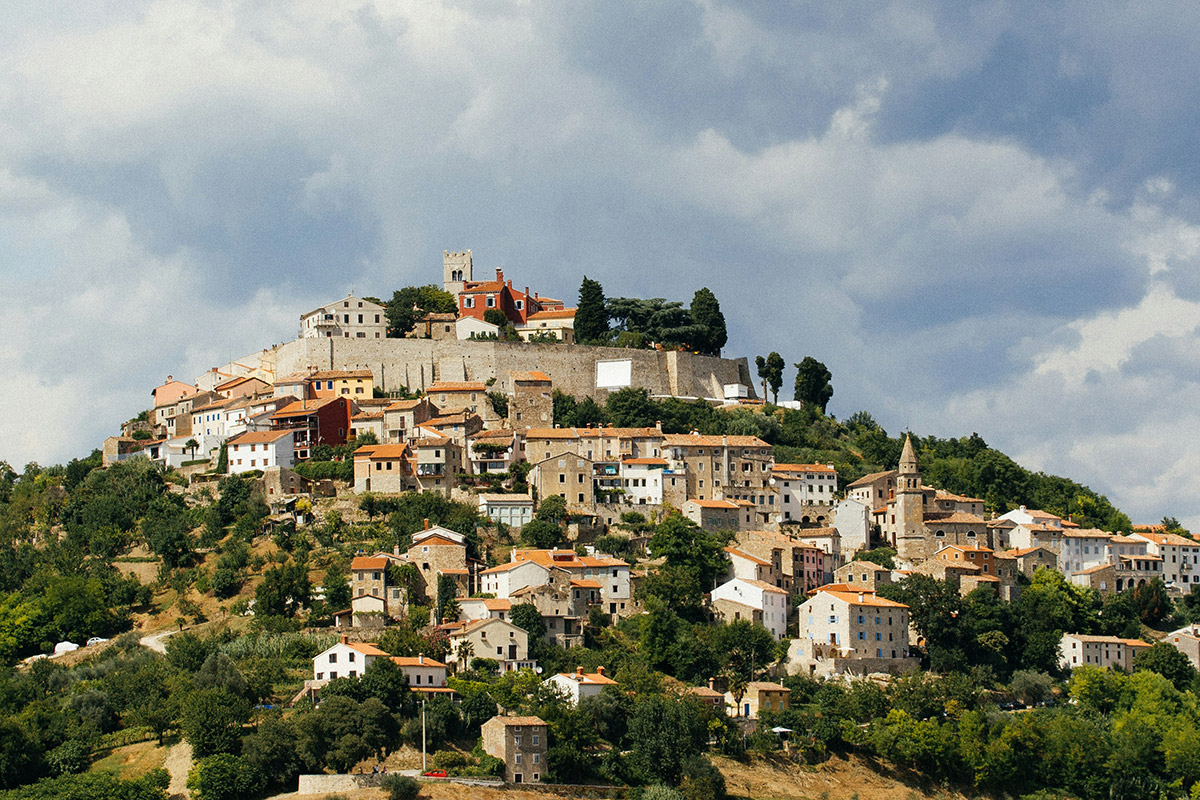
Village de Motovun © Unsplash - Elimende Inagella

CroisiEurope


Croatia is no longer a destination that needs introduction. Dubrovnik, Split, the Plitvice Lakes, and the Adriatic islands have gradually established themselves among the European tourism classics, and the country is today widely featured in programs by tour operators and travel agencies.

For Breathe in Travel, this very success calls for a new reflection on how to present the country.

For the 2027 season, the inbound operator therefore intends to go beyond a classic lineup of must-sees and offer travel professionals a Croatia that is more confidential, built around an in-depth on-the-ground knowledge.

« La Croatie est aujourd’hui proposée par énormément d’acteurs. Si nous arrivons avec exactement les mêmes hôtels, les mêmes étapes et les mêmes excursions, notre présence n’a finalement que peu d’intérêt. Nous avons donc décidé de repartir du terrain pour construire une programmation avec une véritable identité Breathe in Travel », explains Quentin Billon, cofounder of Breathe in Travel.


Moving beyond the traditional Dubrovnik – Split – Plitvice

It is not about erasing the must-see spots.

Dubrovnik, Split or Plitvice will naturally continue to have a place in certain trips. But Breathe in Travel now wishes to integrate them into more comprehensive itineraries that leave more room for regions and experiences that are even less represented in traditional programs.

Istria, the Kvarner Gulf, Opatija, the islands of Krk and Rab, and the Croatian hinterland are among the areas where the inbound operator aims to strengthen its offering.

Historic villages, small coastal towns, vineyards, gastronomy, hiking, outdoor activities, and crossings to the islands enable the creation of trips very different from the image of Croatia as solely a seaside destination.

The aim is also to slow the pace when doing so adds true value to the journey: spending several nights in one region, using a well-located base as a hub, and allowing more time for discovery rather than continuously chaining together the stops.


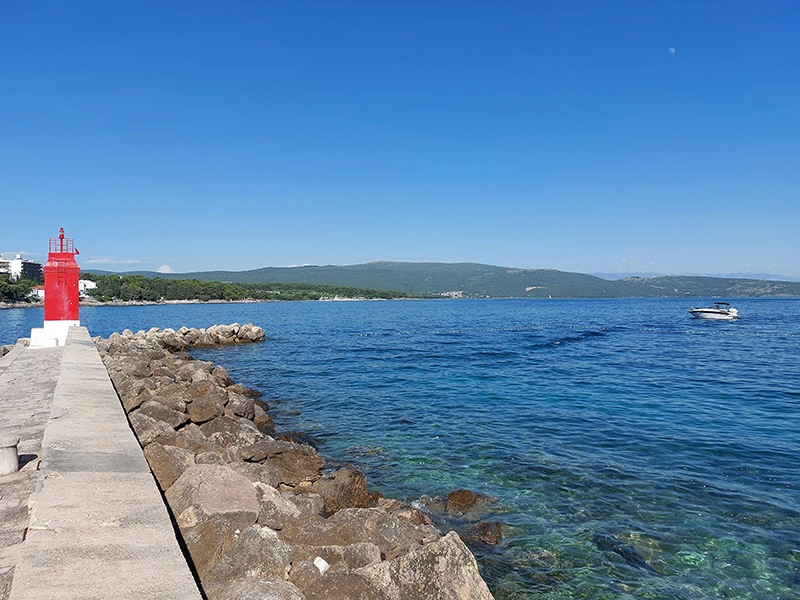
Krk © Unsplash - Kat


A program built on the ground

This new direction comes with significant on-site scouting work carried out directly in Croatia and Slovenia by the Breathe in Travel team.

Charming accommodations, small family-run properties, apartments, boutique hotels, glamping sites, or establishments located off the most traditional circuits: the team aims to multiply alternatives and select partners directly on site.

This approach is part of Breathe in Travel’s DNA, which since its inception has favored destination-driven production over mere contractualization from afar.

« Nous voulons pouvoir expliquer à une agence pourquoi nous avons choisi un hébergement, ce qu’il y a autour, quelle expérience peut être organisée dans la région et pour quel type de voyageurs nous le recommandons. Cela demande beaucoup plus de travail sur place, mais c’est précisément là que nous pouvons apporter de la valeur », confirms Quentin Billon.

This search also covers activities and experiences: local producers, gastronomy, sea excursions, outdoor activities, island discovery, and encounters that bring a more personal dimension to itineraries.


Trips that do not stop at Croatia’s borders

Another distinctive feature of this new programming lies in Breathe in Travel’s regional footprint.

The inbound operator now operates across several Balkan destinations and notably maintains a Zagreb base for its activities in Croatia, Slovenia, and Bosnia and Herzegovina.

This presence makes it possible to imagine Croatia not only as a destination in its own right but also as the starting point for combined journeys.

Croatia and Slovenia, Croatia and Bosnia and Herzegovina, Croatia and Montenegro, or longer itineraries spanning multiple Balkan countries: Breathe in Travel aims to facilitate the creation of cross-border circuits with a single point of contact.

An approach particularly appealing to travelers who have already visited Croatia and wish to return to the region from a different angle.


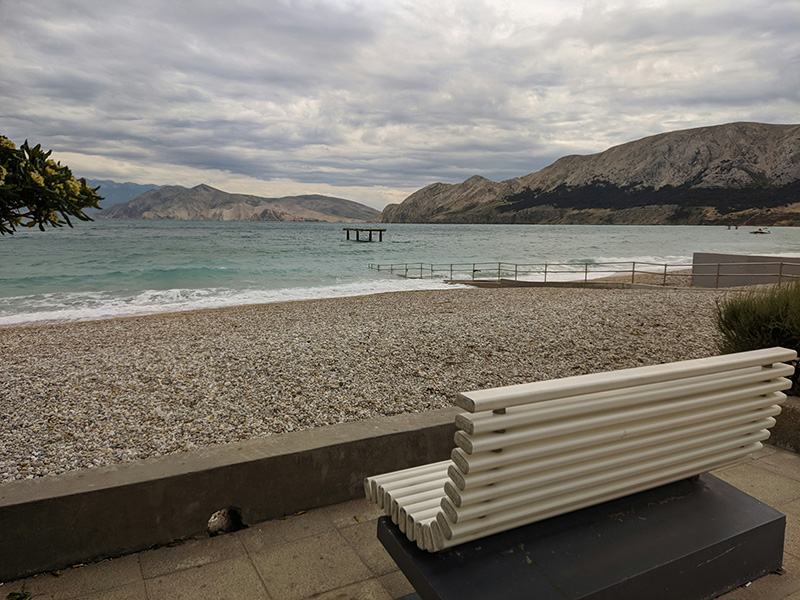
plage de Baška © Unsplash - Marko Licina


FIT, autotours, groupes et voyages sur mesure

The 2027 program will be deployed in several formats.

Self-guided tours will continue to play a major role, Croatia and Slovenia being particularly suited to this type of travel. Breathe in Travel will also develop chauffeur-driven circuits or guided tours, bespoke individual journeys, and programs designed for groups.

The inbound operator also intends to strengthen opportunities for thematic trips around gastronomy, nature, outdoor activities, and cultural discovery.

The objective remains the same: enable partner agencies to tailor the product to their clients’ profiles rather than imposing a fixed itinerary.


Discover Dominica Launches Travel Agent Training


La Discover Dominica Authority (DDA) lance une nouvelle formation en ligne consacrée à la Dominique - Crédit photo : Discover Dominica Authority

CroisiEurope


Available initially in the United States and the United Kingdom, the new online training dedicated to Dominica on the Online Travel Training platform is accessible online and at its own pace.

It presents the main tourist benefits of Dominica through seven themes: adventure, health and well-being, romance, aquatic activities, culture, events and entertainment, as well as agritourism and Kalinago culture.

The program notably highlights the main experiences offered by the destination, including tropical forests, waterfalls and rivers, volcanic landscapes, diving and marine activities, as well as cultural and community experiences.


La Dominique : ene extension prochaine à la France

À l’issue de la formation, les participants obtiennent un certificat attestant de leur réussite et de leur connaissance de la destination.

La DDA prévoit de promouvoir ce programme auprès des professionnels du voyage au Royaume-Uni, aux États-Unis et au Canada.

La formation devrait également être prochainement disponible en France et en Allemagne, afin d’élargir le réseau de conseillers formés à la commercialisation de la Dominique.

La destination est accessible notamment via la Martinique, la Guadeloupe, Saint-Martin et Antigua. Un nouvel aéroport est par ailleurs en construction, avec une ouverture annoncée pour 2027.


Amelia Brille Publié par Amelia Brille Rédactrice TourMaG.com
Voir tous les articles d’Amélia Brille

  • picto Linkedin
  • picto email
Ajoutez TourMaG à votre flux Google Actualités Google Actualités icône  

New Tanzania Travel Insurance: What to Know for a Tanzania–Zanzibar Combo


Nouvelle assurance Tanzanie : quid lors d'un combiné avec Zanzibar ? - Deposiphotos.com TravelPhotoBloggers

Aer Lingus


Since October 1, 2026, foreign travelers entering mainland Tanzania must have mandatory local travel insurance, in addition to the usual entry formalities.

This new obligation adds to the requirement already in force in Zanzibar since October 1, 2024.

A question thus arises for travelers combining a safari on the mainland with a stay in Zanzibar: should two separate insurances be taken out?


Combiné Tanzanie continentale et Zanzibar : faut-il deux assurances ?

According to the National Insurance Corporation (NIC), a single insurance is enough to cover a itinerary combining mainland Tanzania and Zanzibar. The rule depends on the first entry point into the country.

Thus, a traveler who first arrives on the mainland must take out the NIC insurance. They can then reach Zanzibar without having to purchase a second mandatory insurance.

Conversely, for an initial arrival in Zanzibar, it is the insurance of the Zanzibar Insurance Corporation (ZIC) that applies, before possibly continuing the journey on the continent.


Tarifs des assurances pour voyager en Tanzanie et Zanzibar

The two insurances are offered at a price of US$44 per person, and are valid for 90 days. They are mandatory, even for travelers who already hold travel insurance, as stated by the Ministry for Europe and Foreign Affairs in its travel advice.

Children aged 3 to 17 receive a 50% discount, and for children aged 0 to 3 the insurance is free. Group participants (starting from 10 pax) benefit from a 10% discount, according to Visas News.

Note: a visa is mandatory to travel to Tanzania. The Tanzanian authorities also require a passport validity exceeding six months from the date of arrival in Tanzania.

Alberta Through the Seasons: Tailor-Made Travel with Worldia


© Travel Alberta

Aer Lingus


Winter, the Rockies’ Prime Season

Dès les premières neiges, l’Alberta se dévoile sous son meilleur jour : de vastes cieux bleus, un soleil généreux et une neige sèche et légère. Le ski y est roi, et la province compte parmi les meilleurs domaines skiables du monde, avec l’un des plus longues saisons. Le célèbre « Big 3 » de Banff, qui réunit Sunshine Village, Lake Louise Ski Resort et Mount Norquay, côtoie des stations plus confidentielles comme Marmot Basin, à Jasper. Pour une glisse plus douce, notre journée libre au parc provincial Canmore Nordic Centre ouvre les portes de l’ancien site des épreuves nordiques des Jeux olympiques de 1988, dont les pistes de ski de fond serpentent entre forêts et sommets. Au-dessus de Banff, notre télécabine hisse les voyageurs au sommet du mont Sulphur, dans un décor digne d’une boule à neige.

Mais l’hiver albertain se vit aussi hors des pistes. On patine sur Lake Louise, transformé en hiver lorsque la surface gèle, au pied du glacier Victoria. Les traîneaux à chiens filent à travers la Kananaskis Country, tandis que le lac Abraham dévoile ses célèbres bulles de glace figées sous la surface. Plus au sud, là où les Prairies rencontrent les Rocheuses, le Thanksgiving Ranch offre une autre façon de vivre la saison blanche. Dans ce ranch en activité, on parcourt en raquettes ou à ski de fond plus de 1 200 hectares de collines enneigées, avant de retrouver les feux de bois du lodge, sa piscine intérieure chauffée et son sauna. Et quand tombe le soir, sous un ciel où dansent parfois les aurores boréales, les grands chalets ferroviaires comme le Fairmont Banff Springs, paré pour Noël dès la fin novembre, offrent la plus douce des veillées.


Spring and Autumn, the Seasons for Insiders

Between the two peak seasons, Alberta offers precious respites. In spring, the valleys turn green again and wildlife emerges from its long slumber. It is the perfect moment for our safari into the heart of Banff National Park or our wildlife discovery in Jasper National Park, where you can meet elk, bighorn sheep and bears. Parks Canada even recommends these shoulder seasons to avoid the summer crowds. It is also the return of the Rocky Mountaineer, the panoramic train we offer departing from Banff, Lake Louise or Jasper to Vancouver, extending the journey all the way to the Pacific.

Autumn, by contrast, is the most fleeting of seasons. For only a few weeks, the larches turn the Canadian Rockies to gold, while the elk’s rut echoes through Jasper. Our private hike in Jasper National Park lets you enjoy this spectacle away from the crowds, in a soft, grazing light ideal for photographers.


© Travel Alberta


Summer, Between Glaciers and Far West Spirit

Then comes the season of grand road trips. Our Calgary Loop itinerary, a 100% Alberta immersion, sails from Calgary toward Canmore and Kananaskis, then reaches Lake Louise and Moraine Lake, to be fully savored on our Banff-based excursion. The Icefields Parkway opens up afterward, one of the world’s most beautiful routes, linking Lake Louise to Jasper across roughly 230 km. Along the way, the Columbia Icefield is experienced up close through our hike on the Columbia Glacier, combined with entry to the Glacier SkyWalk, suspended high above the void.

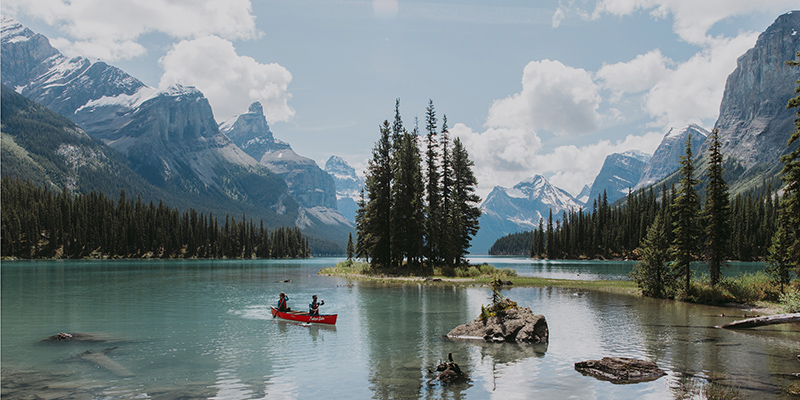
In Jasper, a UNESCO World Heritage site, our cruise on Maligne Lake glides toward Spirit Island, before the route turns toward Edmonton and Fort Edmonton Park. The return to Calgary traverses the Great Prairies, with a stop at Drumheller, the world capital of dinosaurs. For travelers in July, our free day at the Calgary Stampede lets you feel the province’s cowboy soul, with rodeos, parades and country music. All the activities mentioned can be added to the itinerary with a few clicks on the Worldia platform.

Because at Worldia, every program is fully customizable. For an extra night in Calgary, for instance, we propose Rocking R Guest Ranch, just on the city’s edge. Here you stay in cozy cabins facing the Rockies and Eagle Lake, amid horseback rides and a soak under the stars. And to extend the journey south, toward Waterton Lakes National Park discovered during our free day, the Twin Butte Silos reinvent the night on the farm. Old grain silos have become cocoons for four, set within an active ranch, facing the mountains.


A Destination to Market All Year Round

For travel agents, Alberta has all the makings of a reassuring destination. Calgary and Edmonton put the Rockies within easy reach by road, the infrastructure is excellent, and each season renews the urge to depart. On the whole of Alberta, our production teams have selected 118 hotels spread across seven booking-ready stops: Calgary, Canmore and Kananaskis, Banff, Lake Louise, Jasper, Edmonton, and Waterton Lakes National Park. Nearly forty activities are added to the mix, from the classics of the national parks to more intimate experiences. Each trip thus becomes tailor-made: the Calgary Loop can stretch into British Columbia aboard the Rocky Mountaineer or tighten around Banff and Jasper, enriched with a cruise, a glacier walk or a wildlife safari.

For Alberta is not a destination one visits only once. It is a province to discover season after season, and it begins, for those who dare, with the magic of winter.


L'Alberta au fil des saisons, sur mesure avec Worldia
Worldia

19 Rue Blanche

75009 Paris

Email : [email protected]

Website : https://corp.worldia.com/

linkedin


Amadeus Expands Hotel Offering for Leisure Travel Agencies


Amadeus a annoncé de nouvelles fonctionnalités de distribution hôtelière - Depositphotos.com @Mojahid_Mottakin

Aer Lingus


Amadeus strengthens its strategy in hotel distribution with the launch of new features aimed at leisure travel agencies.

Developed through its partnership with HyperGuest, these solutions are designed to enable professionals to access a broader hotel offering and to simplify the management of their contracts and rates.

Available via Amadeus Leisure Connect Plus, the new functionality enables agencies to manage and distribute their own private hotel agreements from the Amadeus Travel Platform.

A single connection provides access to more than 150 channel managers via APIs in real time, allowing in particular the automation of price and availability updates, the faster onboarding of new properties, and the distribution of their content across different sales channels.

Agencies thereby retain control of their private rates and can also tailor their offers with additional services: breakfast, parking, upgrade, early or late departure, kids club or even spa.


15 000 additional independent hotels

In parallel, the integration of HyperGuest enables Amadeus Value Hotels to add 15,000 independent properties from a direct source.

This expansion strengthens the net-rate offering for leisure travel agencies, with more information on properties, pricing plans, and available services.

For Amadeus, the objective is also to provide richer and more structured hotel content as the use of AI-assisted travel search grows.

Through this partnership, Amadeus aims to respond to the growing fragmentation of hotel distribution by enabling agencies to combine different sourcing within a single infrastructure.

The integration with HyperGuest should thus allow agencies to broaden their offering and simplify the management of their direct contracts, while hotels benefit from expanded access to the distribution channels of travel professionals.


Amelia Brille Published by Amelia Brille TourMaG.com Editor
See all articles by Amelia Brille

  • picto Linkedin
  • picto email
Add TourMaG to your Google News feed Google News icon