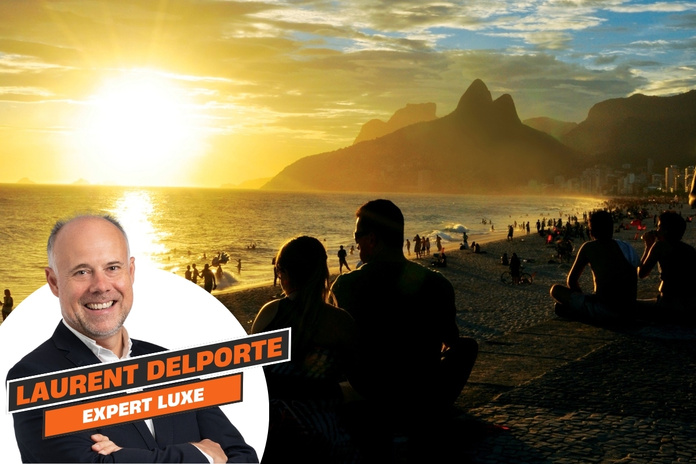

What If Kindness Is the New Luxury? Brazil’s DMC Blumar Leads by Example [ABO]


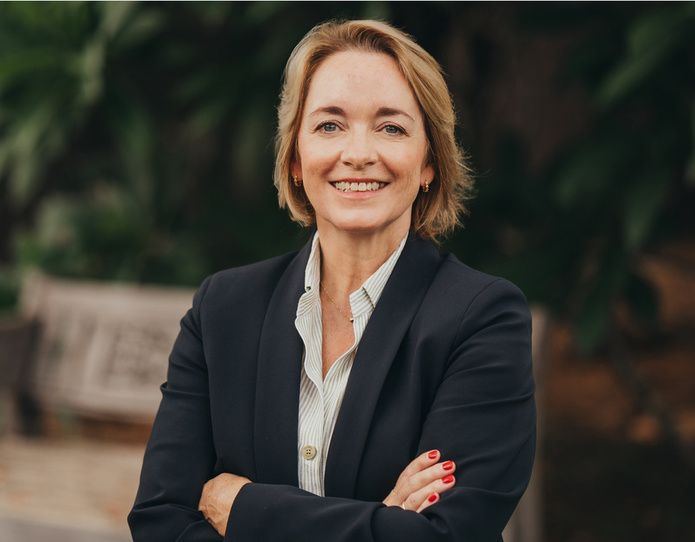
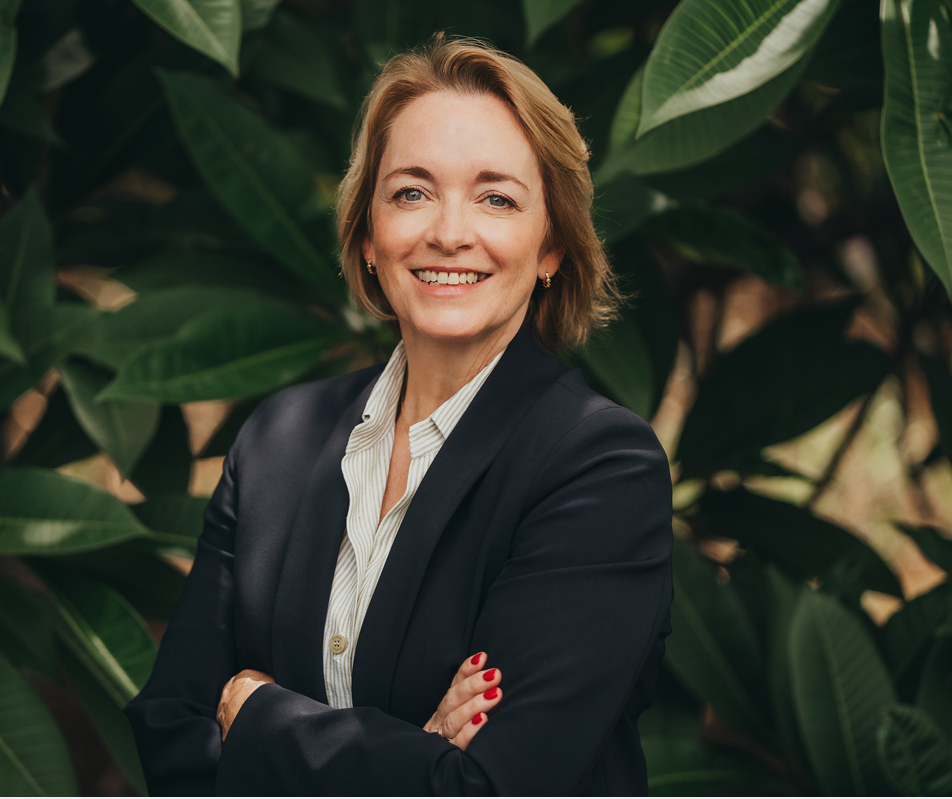
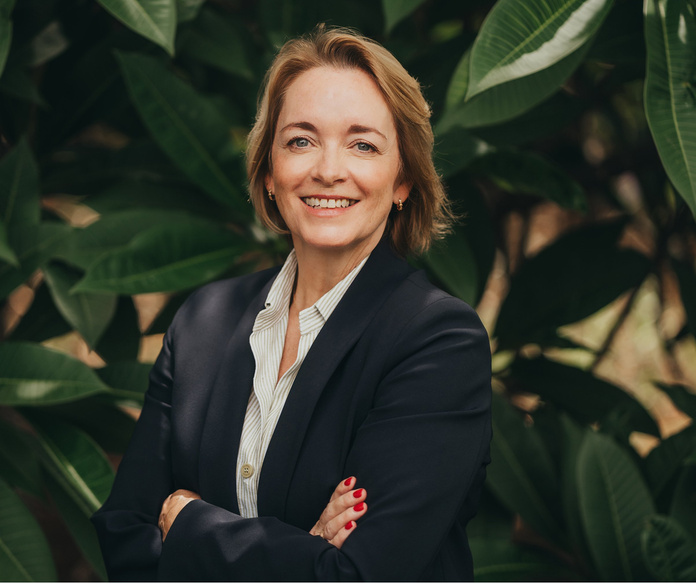
Fondée il y a plus de 40 ans, Blumar s’est progressivement imposée comme l’un des acteurs majeurs du tourisme haut de gamme au Brésil - Photo : Alexandre Macieira

CroisiEurope


Contemporary luxury is no longer defined solely by visible signs of prestige. It unfolds in the quality of the lived experience, in the precision of support, and in the ability to forge a fair relationship with a destination.

In Rio de Janeiro, this evolution takes on a particular dimension. The city does not simply host visitors: it engages, it connects, it transmits a culture of hospitality deeply rooted in its identity.

In this context, certain players play a decisive role, often behind the scenes. Their mission is to transform the richness of a destination into coherent, seamless, and memorable experiences.

Blumar sits among these benchmark operators, capable of blending international standards with a nuanced understanding of the local terrain.

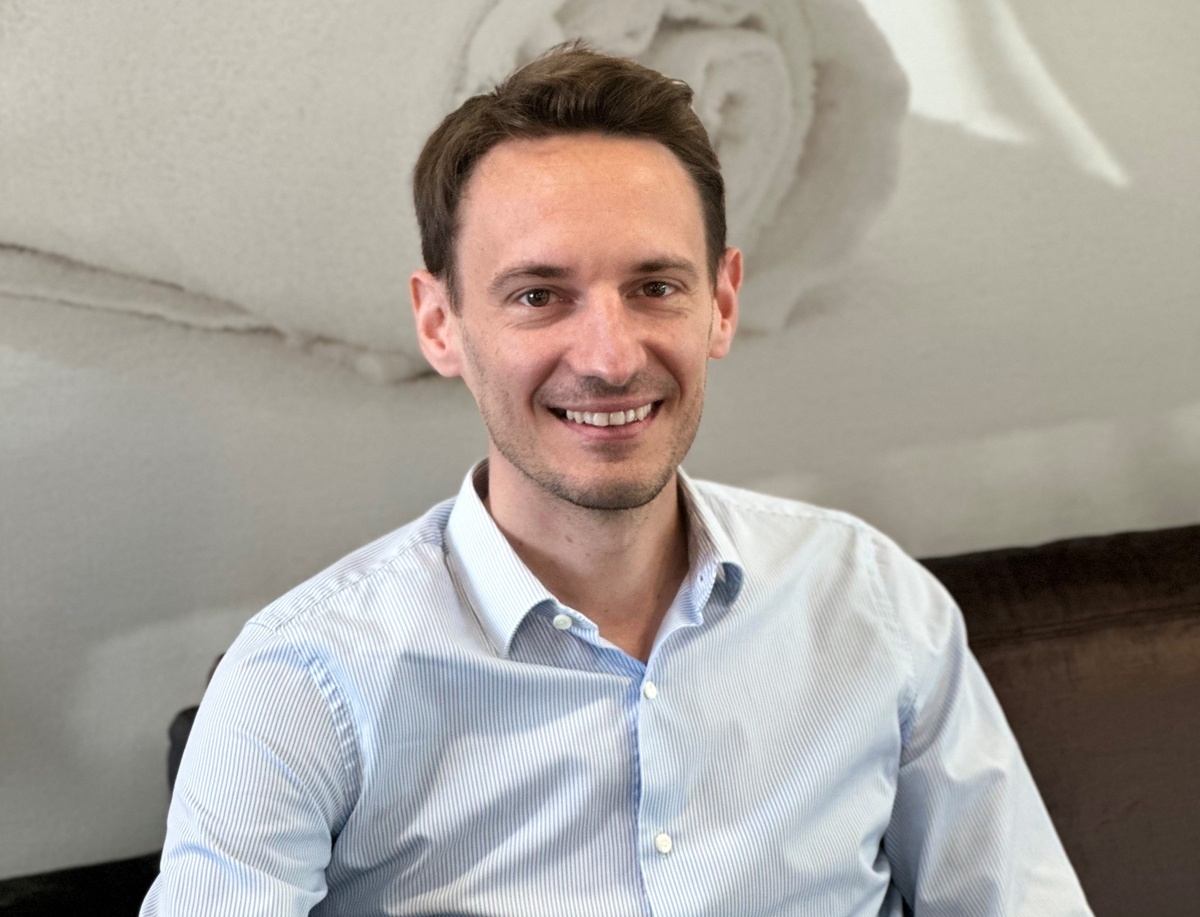
The encounter with Bruno Teixeira, Business Manager of the receptive agency in Rio de Janeiro, immediately illuminates this reality.

From the first exchanges, a quality stands out with evident clarity: genuine availability, constant attention, and a way of relating that goes beyond the professional frame. Kindness is not presented here as a pose, but as a natural disposition.

The advisory becomes a conversation, the expertise a transmission, and the welcome an experience in itself.

Also read: Brazil: generous hospitality as a lever for transforming luxury tourism


Forty Years of Expertise at the Service of a Destination

Founded more than forty years ago, Blumar has gradually established itself as one of the leading players in Brazil’s luxury tourism.

The company has built itself on an in-depth knowledge of the country, developing an approach that goes beyond mere logistical organization to give travel real meaning.

Initially focused on the destination of Búzios, a seaside resort north of Rio, Blumar expanded its scope to cover the entire Brazilian territory.

Today, the operator covers more than thirty destinations, from the Amazon to the Pantanal, from Fernando de Noronha to Ouro Preto. This national reach is a significant advantage in a country where distances, regional cultures, and operational realities require fine expertise.

This ability to grasp Brazil in its diversity rests on a strong belief: the quality of a stay depends first on the women and men who make it possible. The company relies on experienced local teams, capable of translating the expectations of international travelers while respecting the cultural specificities of each region.


An Integrated Approach to Luxury Travel

In Rio de Janeiro, Blumar collaborates with the market’s most renowned hotels.

The Belmond Copacabana Palace, a true institution inaugurated in 1923, embodies heritage and service excellence. The Fairmont Rio presents a contemporary interpretation of international hospitality, integrated into the Carioca context. The Janeiro Hotel, located in Leblon, offers an immersion in a neighborhood that has become one of the nerve centers of the city’s cultural and gastronomic life.

Also read: Rio de Janeiro: a collection of hotels that embody different cultures of luxury

lodging is, however, only one component of the experience.

Blumar has structured a global offering covering all segments of luxury tourism: individual trips, groups, incentive programs, congress and event management, and onshore services for international cruise lines, including Crystal Cruises.

This organization rests on proprietary digital infrastructure, allowing partner agencies to access availability, itineraries, and visual content directly. In a market where responsiveness and precision are essential, this tool represents a decisive operational lever.


Experience as the Heart of the Value Proposition
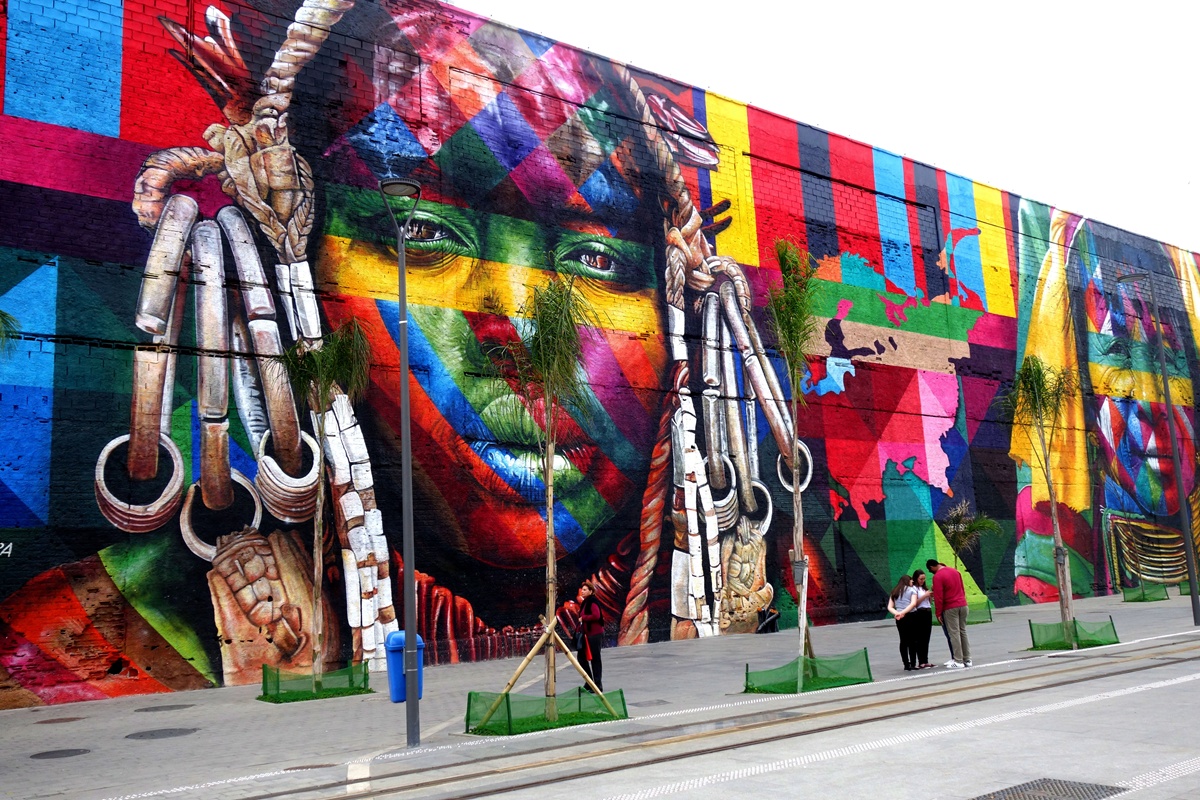

Une réalité du luxe contemporain : la valeur ne réside pas uniquement dans l’accès, mais dans la qualité de l’interprétation - Photo : Felipe Amaral

The private experiences segment occupies a central place in the expectations of high-end travelers. Blumar has developed an offering that meets this shift by prioritizing access, personalization, and cultural depth.

In Rio de Janeiro, this approach translates into experiences such as private tours of UNESCO World Heritage sites, privileged access to Christ the Redeemer via trails through Tijuca Forest, helicopter flights over Guanabara Bay, and behind-the-scenes immersions in Carnival.

These proposals fit into a narrative of exploring the territory, where each experience contributes to a deeper understanding of Brazilian culture.

As Bruno Teixeira notes, “our clients benefit from guidance by experienced local guides who know the city inside out, its neighborhoods, rhythms, and codes. It is this knowledge that transforms a good stay into a memorable experience.”

This approach highlights a fundamental truth of contemporary luxury: value lies not only in access, but in the quality of interpretation.


Responsibility and International Recognition


Kindness as the Foundation of Sustainable Hospitality

Rio de Janeiro provides a valuable lens on the evolution of contemporary luxury. The city shows that excellence rests not only on mastering standards, but on the quality of the relationships built between people.

Through players like Blumar, this reality takes a concrete form. Technical expertise, structured offerings, and knowledge of the territory lay solid foundations. But the difference is found elsewhere.

It lies in this willingness to welcome without calculation, to listen without filters, to advise with discernment. Kindness then becomes a standalone competence. It is not decreed; it is embodied.

In a sector seeking meaning and authenticity, this approach opens a clear perspective: hospitality of tomorrow will not be limited to organizing experiences. It will need to be able to create connections, transmit a culture, and leave a lasting imprint.

In Rio, this reality is evident. Blumar offers a structured reading of it. Bruno Teixeira provides a deeply human embodiment.


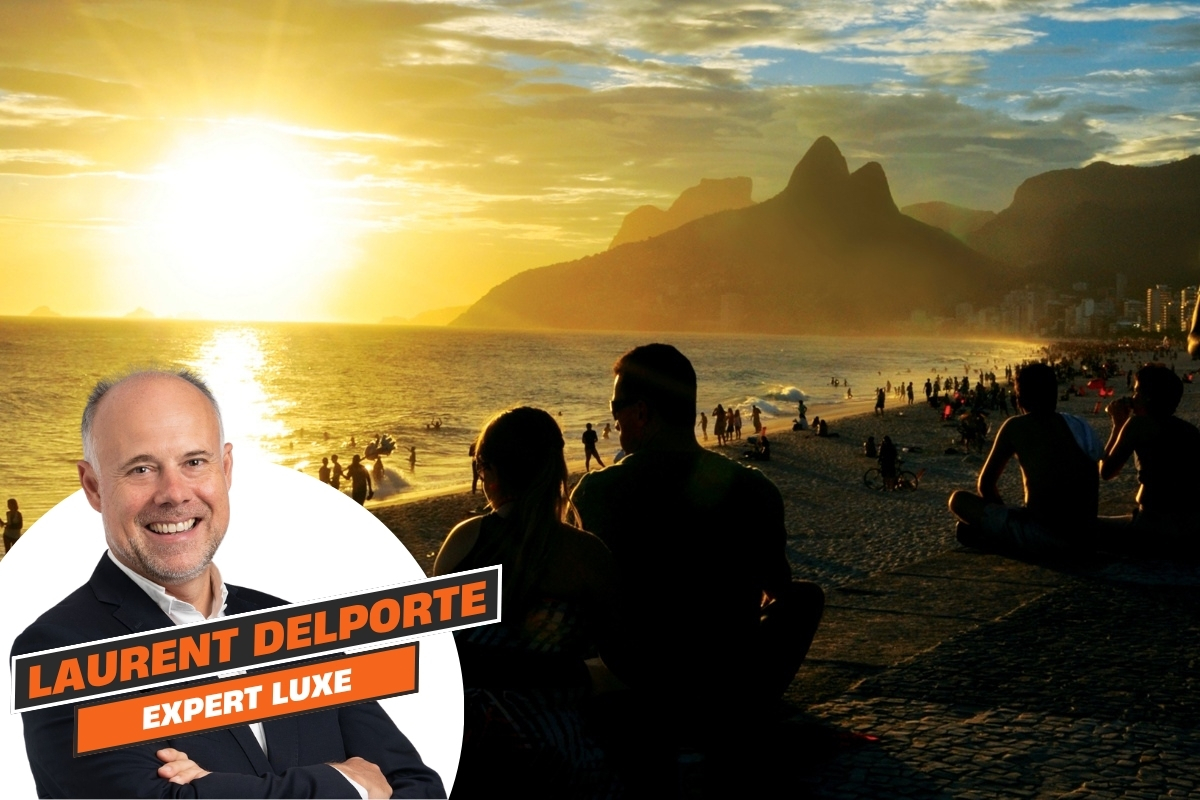
Laurent Delporte
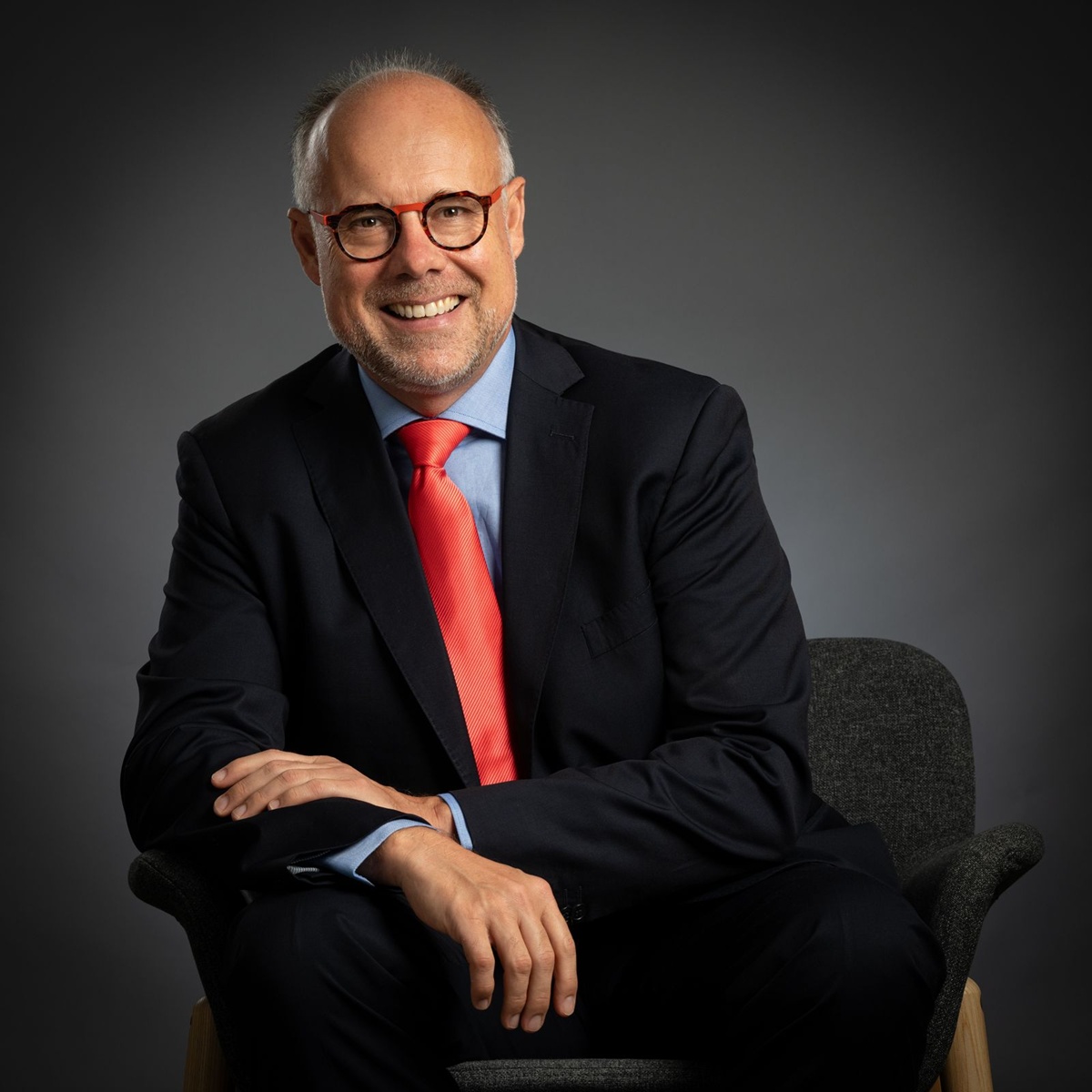

Laurent Delporte - Delporte Hospitality

Laurent Delporte is the president and founder of DELPORTE Hospitality.

After 25 years of experience in luxury hospitality, notably within the Accor group, he combines visionary thinking, an international hospitality culture, managerial and operational skills, and a network of independent experts to support decision-makers in hospitality for the benefit of their clients, staff, and partners.

As a recognized consultant in the hospitality industry, an executive coach for leaders, and a speaker in the world of hospitality, he also directs the magazine DH-Mag dedicated to trends in hospitality and speaks at major schools and trade shows (HEC, Sup de Luxe, EquipHotel, Maison & Objets…).

Moreover, Laurent Delporte ranked 8th in the international ranking of hospitality influencers in 2024 by the American magazine Global Hospitality and the International Hospitality Institute (IHI) based in the United States. He was also named among the 25 luxury-sector speakers worldwide.
How to Start a Travel Agency Legally [ABO]


1. Define your activity precisely

Agent de voyages : comment se lancer en toute légalité - Depositphotos.com studiostoks

CroisiEurope


Before diving in, it is essential to know what you want to sell and under what framework. In France, selling travel and holidays requires registration with Atout France, as well as professional liability insurance and a financial guarantee.

“Significant investments”, notes Jean-Charles Franchomme, cofounder of the Collective for the Defense of Travel Professions (CDMV).

There are solutions for professionals who do not wish to create their own agency, notably business introductions or travel design, carried out in partnership with a registered agency.

“To practice as a travel planner, you must stay within the legal framework,” reminds Jean-Charles Franchomme. He also advises to “not engage in pre-sales, on-trip support, or post-trip aftercare.” The professional should also not use affiliate links nor enter directly into contracts with receptive operators.

The term travel planner does not correspond to a precise legal status. “Travel Planner is a registered trademark of the Havas network. It is therefore not a newly invented profession. It’s simply a term that has become highly trendy,” he adds.


2. Choosing the business introducer status

A business introducer connects a potential client with an accredited travel agency. They can search for clients, gather their needs, and relay information to the agency, but they do not complete the sale of the trip.

“To operate within the business introducer framework, three conditions apply,” explains Guillaume Beurdeley, deputy secretary-general of Entreprises du Voyage. The contract must be concluded directly between the registered agency and the client. Funds must be paid to the agency, not to the introducer. Finally, the introducer must not present themselves as the seller of the trip. »

The introducer can then be compensated by the agency, according to the terms laid out in their agreement. They must not collect the trip price and then pass the funds on themselves.


3. Rely on an agency or a collective

Collectives offer another path. Mannon Philippé, a freelance travel agent and member of My Way, chose this model after completing training in tourism. “My Way provides a legal framework and tools to sell travel under compliant conditions,” she explains.

Each member can , with a logo, a brand, and a social media presence. The client remains informed about the framework within which the trip is sold. “The contract is between the client and My Way, and payments are paid directly to the organization”, she notes.

The collective also provides tools, mentorship, and a sense of community. “Members can exchange practices and help one another, especially when starting out or entering from another professional field”, explains Mannon Philippé, who coordinates this support within the collective.


4. Distinguishing the introducer from the travel designer

The role of the travel designer is broader than that of the business introducer. At Voyage Couture, Barbara Roussel works with six of them and draws a clear line between the two functions.

“The business introducer presents the client to us, passes along their brief, and then we manage the entire trip,” she explains. In this model, compensation amounts to roughly 30% of the margin.

The travel designer, by contrast, accompanies the client throughout the sale. “They will manage the sale, design the trip, communicate with the client, and prepare the enrollment form,” details Barbara Roussel. The agency retains administrative management, payments, and reservations. The travel designer’s pay generally represents 50–60% of the margin.

“The travel designer and the travel planner are largely the same thing. The difference is that they work within the legal framework of an agency.”

A contract is drawn up with each travel designer. It specifies, among other things, operating rules, approved suppliers, client ownership, and payment terms. Barbara Roussel stresses the importance of working with reliable suppliers and upholding the agency’s professional liability. “No supplier can be used without my agreement,” she notes, after encountering an issue with a provider.


6. Avoid a relationship that resembles salaried employment


7. Start gradually

Freelance work offers greater freedom, but it demands rigorous organization. “Clients may reach their advisor in the evening or on weekends. Mornings are often devoted to administrative tasks, research, and preparing files,” explains Mannon Philippé, who suggests planning in advance how you will structure your day and your income streams.

“You have to be aware that income is not immediate. It takes time to grow your client base.”

Barbara Roussel likewise advises newcomers to start gradually. “First, you need to secure yourself,” she says. Joining a collective or working with an agency allows you to test your market before considering individual registration.

It is a way to grow your activity while staying within the regulatory framework.


Find all articles in our series “Very Special Agent – The Practical Guide for the Pro” by clicking this link.

Personal Branding: People Don’t Buy a Brand, They Buy a Story [ABO]


Le personal branding, ou la fin du message universel et l’avènement du "je" dans la communication - Depositphotos modifié avec l'IA

Aer Lingus


On dit souvent que les crises ne font que servir d’accélérateurs à des tendances déjà en cours.

La Covid n’a pas bouleversé en profondeur notre mode de vie, mais elle a sciemment digitalisé davantage notre société, renforcé des usages existants et incité un plus grand nombre à franchir le pas.

C’est aussi le cas pour le personal branding.

Vous connaissez ces publications LinkedIn qui sortent chaque jour à 8 h 30, parfois irritantes avec leurs allégories qui n’ont ni queue ni tête, et qui pourtant vous informent, vous marquent ou vous agacent.

Cette façon de communiquer, centrée autour du dirigeant, n’est pas nouvelle, loin s’en faut. Elle est même née lorsque Tom Peters, expert américain du management, posa les bases bien avant la démocratisation d’Internet.

“You are a brand. You are the steward of your brand. There is no single path to success. And there isn’t one right way to create the brand called You.

Except this one: start today. Otherwise, beware“, expliquait-il alors dans un article devenu culte, The Brand Called You (ou La marque qui s’appelle Vous, en français) paru en… 1997.

Et les professionnels du tourisme s’y sont mis, mais avec du retard… ils ont attendu près de 30 ans.


Personal branding : “ce qui attire, c’est la personne derrière la marque”

For while a few top executives have clearly understood the value of embodying their own brand—such as Steve Jobs, Elon Musk, or Richard Branson, and closer to us, Michel-Édouard Leclerc or Marc Simoncini—the examples have remained scarce in our industry… until the Covid pandemic.

“During the health crisis, players in the sector wondered how to stay in touch with clients even when travel and work were not possible.

Many companies organized video conferences; leaders learned to use cameras and showed themselves. And this phenomenon isn’t limited to tourism. It occurred in the services industry as well. Covid was a real trigger.

Alongside this, there has been a long-standing trend in recent years: what attracts today’s consumer is the person behind the brand, we’re told by Catherine Mugot, a former travel agent turned communications professional and founder of the agency Adopte ma Com.

If the advent of the Internet propelled the “I” to the forefront, the pandemic democratized personal branding.

Brands were first embodied by influencers, then quickly, leaders told themselves they could become their own brand, to illuminate their company.

But this cannot be done by all means.

For Catherine Mugot, it is essential to ask why one chooses to speak out. It must not be done to follow a trend, but with a precise purpose.


On Virginie Faivet’s side, CEO of DoneAgency, there is one communication axis that works very well: personal pronouncements.


Personal branding : créer son profil de marque pour “toucher et interpeller”


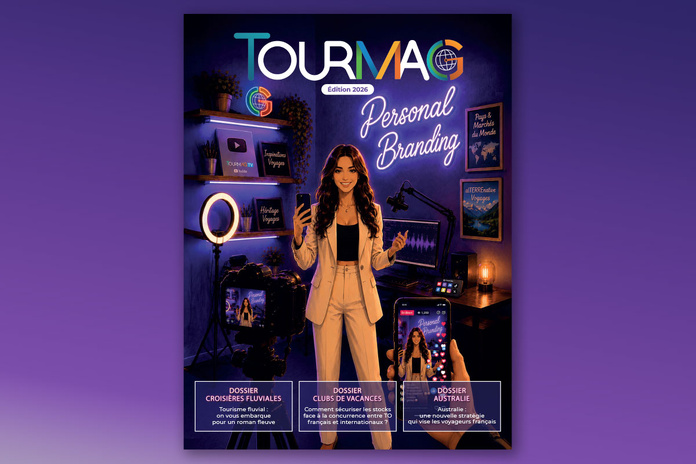
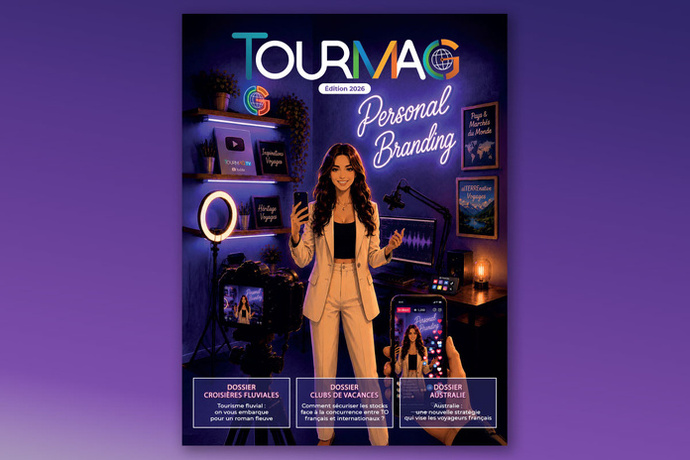
Dans cette nouvelle édition du magazine de TourMaG, la rédaction a concocté un dossier phare consacré au personal branding Cliquez sur l'image © TourMaG, Raf et IA

“Nous travaillons beaucoup l’histoire des gens, les valeurs, la marque employeur à travers les histoires personnelles des dirigeants. Cela a beaucoup d’impact. Les gens n’achètent plus seulement une marque, ils achètent maintenant une histoire“, nous détaille Virginie Faivet.

Après l’apparition du terme personal branding à la fin des années 1990, cette mouvance va être théorisée au début des années 2000 par Peter Montoya et William Arruda.

Il faudra attendre quelques années pour que ces préceptes arrivent en France, autour de 2006.

Pour devenir sa propre marque ou incarner celle de son entreprise, deux des objectifs premiers du personal branding, il convient alors de créer son profil de marque. Celui-ci permet de fixer son positionnement, ses points différenciants, sa vision, ses talents et ses missions.

“Si l’on parle du secteur du voyage, il est extrêmement concurrentiel, avec un grand nombre d’agences et d’entreprises.

Il y a 20 ans, dans les livres de marketing, on reprenait souvent le chiffre des 1 000 messages publicitaires reçus par jour pour parler de la saturation de notre environnement. Sauf qu’avec le web, le nombre de messages a été décuplé.

Pour piquer quelqu’un et faire résonner son message afin que la personne le mémorise, nous sommes obligés de raconter quelque chose qui va la toucher et l’interpeller.

Pour y arriver, il n’y a rien de mieux que l’histoire de quelqu’un, car vous avez tous les ingrédients pour réussir.

Vous avez le contexte, la narration, l’émotion, puis surtout l’identification à la cible, poursuit Virginie Faivet, qui accompagne des professionnels du secteur du tourisme, mais pas seulement.

Et l’industrie du voyage est un formidable vivier à anecdotes, parcours atypiques, belles images et histoires.


Le personal branding permet d’agir sur plusieurs leviers

Toute campagne de personal branding doit suivre ses objectifs et ne pas s’en écarter, sous peine de tomber dans une notoriété sans impact.

“Il ne faut pas confondre visibilité et business, ce sont deux choses différentes.

Voilà pourquoi il convient de savoir pourquoi on se lance, de définir ses objectifs, mais aussi ses limites. Il faut que ce soit vu comme une manière de se différencier, mais sûrement pas comme une course aux clics ou une façon de faire du bad buzz.


La prise de parole doit servir à montrer son expertise, démontrer sa valeur ajoutée à ses clients et, du coup, donner suffisamment confiance aux gens pour qu’ils aient envie d’avoir ce conseil
“, tempère l’ancienne agent de voyages.

Dorénavant, les dirigeants, managers et salariés se racontent, donnent leur avis et prennent même des positions parfois plus ou moins risquées.

L’enjeu est donc d’exister, mais sans se perdre… soi. Pour y arriver, il convient d’établir une stratégie, sans s’inventer un personnage.

“Sinon, les gens n’incarnent pas, ils doivent être eux-mêmes.

Ce que nous permettons, c’est la verbalisation de qui ils sont. Nous les accompagnons pour trouver les mots justes, pour verbaliser ce qu’ils ont envie de dire et ce qu’ils ressentent. Nous les aidons aussi à passer devant la caméra, ce qui n’est pas naturel pour tout le monde.

Puis nous mettons en place une stratégie des messages à faire passer et, surtout, de ce que la cible devra retenir. L’enjeu est avant tout que la personne touchée puisse retenir quelque chose qui serve sa propre stratégie
“, affirme Virginie Faivet.

Il faut bien comprendre que tous ceux qui prennent la parole sur LinkedIn, Instagram, Facebook et même TikTok n’ont pas la même stratégie.

Une Marion Benattar ou une Ségolène Sergent cherchent avant tout des clients, quand Lionel Rabiet souhaite, lui, prendre la parole pour le plaisir d’écrire, mais aussi pour incarner son entreprise. D’autres le font pour travailler leur marque employeur. Pour François Lévêque, patron de Centrale Voyages converti sur le tard, l’objectif est encore différent.

Il a eu une vie professionnelle très éloignée du tourisme, durant laquelle il a fondé et dirigé une entreprise employant plus de 1 000 salariés.

Avec le personal branding, il souhaite avant tout activer son ancien réseau, riche de patrons, pour générer si possible de l’activité.

“Même si elle pourrait être vue comme le simple prolongement de l’influence, pour moi, cette tendance est différente, car le but ici, c’est surtout de passer à l’achat. Le personal branding aujourd’hui participe à donner confiance au consommateur, à apporter de la légitimité à l’achat.

Et contrairement à ce que l’on pourrait penser, ce n’est pas seulement réservé aux grands patrons. Je crois qu’à partir du moment où l’on est à la tête d’une petite entreprise, c’est un bon moyen de générer de la confiance et de partager utile,
“, questionne Catherine Mugot.


Personal Branding and Generative AI: How to Produce Content Without Losing Authenticity [ABO]


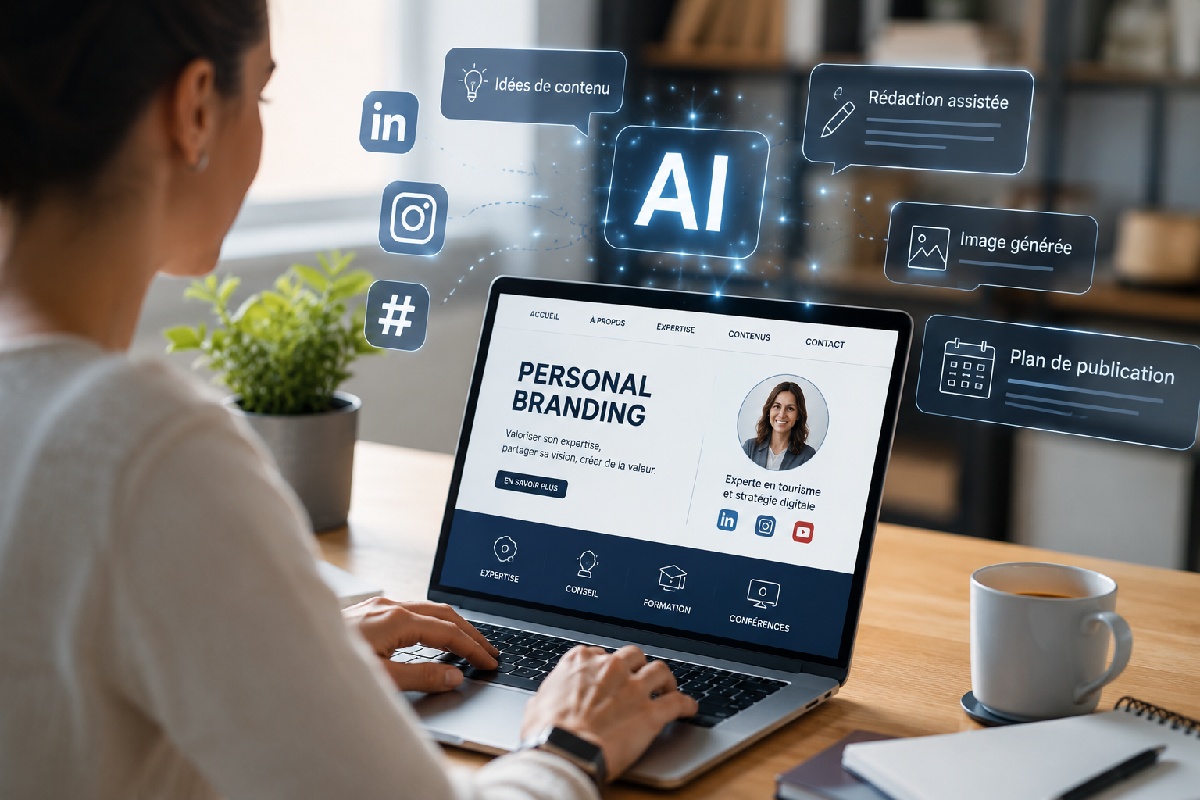
L’IA peut servir d’amorce. Elle aide à poser une première version, à organiser les idées, à trouver un angle ou à transformer une intention vague en texte exploitable. Photo ChatGPT

Aer Lingus


Personal branding has become an important topic for tourism professionals.

It isn’t just about self-promotion out of vanity, even though social networks have largely normalized this tendency.

It’s mainly about making one’s expertise visible, supporting the reputation of one’s business, building trust, and sometimes also opening up more professional options.

In this context, generative AI arrives at the right moment!

It enables content to be produced faster, more easily, with a level of polish that is often quite solid. For professionals who don’t always have the time, the desire, or the ease to write regularly, it’s a real lever.


But there is a problem: personal branding rests on embodiment. It must reveal a person, a point of view, an experience, a way of thinking. Yet AI-generated content often has a recognizable texture: clean, fluent, well organized, but sometimes too smooth.

And this smoothing can produce the opposite effect of what is sought.


1. The undeniable advantage of generative AI for producing personal branding content

Generative AI offers first a straightforward benefit: it helps produce higher-quality formal content.

In a professional setting, spelling mistakes, poorly constructed sentences, or confusing phrasing weaken the message. They can convey carelessness even when the underlying idea is sound. Generative AI greatly reduces this risk. It typically yields well-structured, grammatically correct texts that are easier to read.

This is an important point for personal branding. When someone speaks publicly, the form matters. It does not replace the substance, but it influences how the substance is perceived. A clear message, error-free and well phrased, gains credibility.

AI also helps fight writer’s block. Many professionals have interesting things to say, but do not always know how to express them. They have an idea, an intuition, a field experience, but translating it into writing can be blocking.

AI can then serve as a spark. It helps to draft a first version, to organize ideas, to find an angle, or to transform a vague intention into workable text.

This sparking role is valuable because it helps thought get moving.

The other major contribution concerns visuals. Many professionals know how to write with a keyboard, at least to a functional level. Yet very few truly know how to produce quality visual elements.

Creating an image, an illustration, a layout, or a coherent visual requires specific skills with specific tools (Photoshop, Illustrator, etc.). Generative AI changes that.

It enables non-designers to produce engaging visuals, sometimes of very high quality. For personal branding, that’s a real advantage, because online presence relies not only on text. Images, carousels, short formats, and visual assets play a significant role in how a person is perceived.

Finally, access to these tools has become very simple. You don’t need to spend hundreds of euros to achieve decent results. Many free models and tools already allow you to produce texts, ideas, visuals, or content variants at a good level.

This is what makes generative AI particularly interesting for tourism professionals. It lowers the entry barrier. It enables more people to speak up, structure their visibility, and produce content with regularity.


2. The risk: producing clean content, but inauthentic

Since November 30, 2022, the launch of ChatGPT-3.5, the general public has become accustomed to AI-generated content. Professionals as well. Result: certain markers are becoming increasingly visible.

The problem is simple: personal branding seeks to reveal a singularity. It must show a person, an experience, a style, a stance.

Yet generative AI often produces content that seems correct, but lacks flesh, lived experience, and authenticity.

The content generated is generic. It may resemble all other content produced with the same tools, the same weak prompts, and the same standard formulations.

This risk is especially visible in writing. Some markers reveal AI usage fairly quickly. For instance, you might encounter titles with capitalization on every word, following an Anglo-Saxon capitalization logic. For example: “Our Ten Tips for Using LinkedIn” is very likely a title produced by Gen AI.

In French, that sounds immediately artificial. It’s a detail, but details always end up betraying us. Another marker: too-perfect punctuation. In real life, people do not always punctuate with absolute rigor.

A text that is too neatly punctuated can thus seem suspicious, especially on social networks where personal voices tend to be more direct, more irregular, and more human.

There are also certain formulations that are too convoluted, too balanced, too general. Phrases that seem well-constructed, but that no one would actually say. They give an impression of standardized text. People then recognize less a person and more a statistical model – which is, fundamentally, what an AI is.

It’s somewhat alarming, because even when ideas genuinely come from you, AI can give them an artificial shape. You might start from an authentic experience, a personal conviction, real field feedback, then lose that authenticity when shaping it.


3. Using AI well without harming your personal branding

The correct approach is to use AI as an execution tool, not as a substitute for thinking.

The first skill to develop is the art of prompting.

A vague prompt almost always yields a vague answer. If you simply ask an AI to write a post about your expertise, it will often give you a decent but very generic text — and that’s normal: you gave it a weak brief, it returns a mediocre response.

The machine isn’t a magician; it is mostly very obliging. A good prompt must be structured. It should specify several elements. First, the expected role. You must tell the AI which angle it should work from: writer, editorial advisor, copy editor, sparring partner, tourism sector expert, LinkedIn specialist, etc.

Next, the task. You must state precisely what you want: reformulate, structure, shorten, convert a voice note into a post, propose an outline, create a visual, correct a text without changing the tone.

Finally, the context. This is by far the most important point. Context allows AI to produce something specific rather than general. You should specify who is speaking, to whom, in which sector, with what intention, with what level of language, on which channel, with which examples or constraints.

It is this context that makes it possible to move from generic content to useful content. There are several frameworks to better structure prompts.

You can, for example, use a framework like FOCUS, with a function (i.e., a role), a goal, a context, a utility, and an expected style. The aim is not to talk to the AI like a polite search engine, but to give it a precise framework.

The second skill is training. Using generative AI effectively isn’t learned in a single attempt. You need to test, compare, adjust, and retry. You should observe what works, what sounds off, what improves the text, and what makes it flatter instead.

The use of AI is a long-term practice, not a one-off usage you activate once a month hoping for miraculous results. Those who achieve the best results are the ones who learn to dialog with the tool, to correct its outputs, and to refine their instructions.

The third skill is editing, and it’s probably the most important. A text generated by AI should not be published as is. It must be revised. You should copy it into a document, reread it, cut it, move it, harden it, and simplify it.

You should ask yourself: would I really say it like that? Does this sentence match my way of speaking? Does this example come from my experience? Does this passage add anything or just fill space?

Editing allows reintroducing the person into the text. It turns automatic production into personal speaking. Concretely, this means keeping control at three moments.

The first moment is ideation. The ideas must come from you: your experiences, your observations, your disagreements, your learning, your real cases. AI can help to formulate, but it should not decide for you what you have to say.

The second moment is execution. This is where AI is very useful. It can structure, draft a first version, propose titles, adapt a text to a format, correct mistakes, or create variants.

The third moment is correction. This is where you take back control. You remove generic formulations, you add concrete details, you restore your tone, you verify that the text resembles you.


Paul-Henri Dubreuil: No, the Group Isn’t Navigating Blindly [ABO]


"Je ne suis pas un coupeur de têtes," affirme Paul-Henri Dubreuil - Crédit photo : RP

Aer Lingus


There are few examples, in France as well as abroad, of airlines owned by a single family.

To locate the unique French instance, one must head to the Vendée region. It is in Belleville-sur-Vie, on the edge of La Roche-sur-Yon, where the adventure began in the mid-1970s.

A aviation enthusiast, Jean-Paul Dubreuil founded Air Vendée, the first of his airlines. It served the island of Yeu from Nantes and La Roche-sur-Yon, using a small aircraft. It was a different era.

Air Caraïbes and French bee would follow.

A remarkable success in an industry that had known numerous industrial disasters. In June 2023, the handover of power between Jean-Paul Dubreuil and his son, Paul-Henri Dubreuil, was finalized.

To mark the moment, the fifty-something-year-old man also wished to build his own winning duo, just as his father did with Marc Rochet.

A period of instability at the head of the airline group would then open up. It would be a heavy stretch for employees used to being lauded by the press as belonging to France’s most profitable airline group.


Yet the veneer seemed to be cracking a little.

Paul-Henri Dubreuil wished to respond to our article addressing this period, and to provide his clarifications on these past three years, rich in lessons.


Paul-Henri Dubreuil: “more of a coincidence” than a high turnover of leaders

For two decades, Marc Rochet had formed a flawless partnership with his father; Paul-Henri Dubreuil found it harder to locate his own match.

He first envisaged Christine Ourmières-Widener as the right person, only to part ways with her a year later. He then took the reins again, before quickly realizing that running airline companies is a full-time job, and he appointed Géry Mortreux.

Then came, in the summer, the departure of Grégory Jamet, the group’s chief executive of Dubreuil Aéro Services.

“These departures in such quick succession may give the impression, as you called it, of a carousel of leaders, but it is more of a coincidence. We appointed a new team to rise to new challenges.

Afterward, I can understand that Grégory Jamet may have grievances, and that’s normal.
”

But we are speaking about the fate of 2,000 employees. The stakes are considerable and, to carry everything through, the synergy with the head of the division is essential. It happened what can occur in any company,” downplays Paul-Henri Dubreuil.

Before the former COHOR leader’s departure, there was Christine Ourmières-Widener.

The ex-head of TAP Air Portugal, who had passed through Air France, experienced a dramatic end to her mandate, largely due to an underestimation of the situation and a centralization in Paris that did not please everyone.


“Disagreements with Christine Ourmières over the strategy tied to the Antillean DNA”

“We wanted to rebuild the duo, where I took my father’s role and Christine that of Marc.

Remember that in 2023, my father was 81 and Marc Rochet 73. It was therefore the logical continuation.

For various reasons, it did not click. We are particularly attached to the DNA of our companies, notably Air Caraïbes, which is a Caribbean airline, with its headquarters in the Antilles and a very strong Caribbean rooting.

We had disagreements with Christine about the strategy linked to this Antillean DNA, such as the positioning of the seat in the Antilles and certain functions that tended to return to Orly
“, explains, with transparency, the man who, like his father, is also a pilot.

Without a chief executive, Paul-Henri Dubreuil took sole charge of the airline division’s destiny.

If he knows the sector, he then discovers a new profession, with its operational demands and the necessity of oiling the political gears. He held the position for 18 months.

“It was somewhat new, even though I have worked within the group since 1994. Up to then, I was in charge of the distribution part.

I am therefore not a novice. I have always been a director of the airline division. I am a pilot myself, passionate about aviation. At Christine’s departure, I took on this responsibility with the general managers of the companies under my umbrella.

While fascinating, it is a demanding job. I did not see time pass at the head of the entity, and it was very instructive, even after turning fifty.

I was able to get into the details of the business and see all the sources of productivity we have within our house
“, affirms the fifty-something.

The courteous exchange continued, notably around the chaotic episode of Grégory Jamet’s departure.

For, after Christine Ourmières-Widener, he is the second major figure to bear the brunt of Paul-Henri Dubreuil’s takeover.

With a flattering CV, often highlighted by the Vendée-based leader, his post as CEO of the Dubreuil Aéro Services group quickly appeared too narrow for the main interested party, who often sat to the right of the boss.


Paul-Henri Dubreuil: “No, the group is not navigating blindly!”

“As with Christine, we had disagreements with Grégory Jamet. He may have imagined certain things and I also think there was some confusion around his position, especially in the press.

The role Grégory occupied, and which Laurent Perrier now holds, is to steer the revenue. It is a very strategic role, all the more so right now, as our industry is under extreme pressure due to fuel prices.

More broadly, I am not a head-hunter; otherwise it would be known in a group that employs 7,000 people in total,
“, he explains.

The former deputy general manager of maintenance at Air France thus arrives to manage the operational side, while Paul-Henri Dubreuil will be tasked with bringing his strategic vision.

The duo is complete. It is now time to get back on course, despite the air pockets created by the war in Iran.

“Géry Mortreux joined us on July 15th, and I wanted there to be a strong pair, especially on the revenue side. That is why we recruited Laurent Perrier. We have a top-notch team.

I am handing operational commands to Géry; he comes with a solid background and to secure our processes. The A350s are good aircraft, but there are still always discussions with Airbus, with Rolls-Royce, with the suppliers, with breakdowns, day and night flights, etc.

However, anything related to strategic vision, opening routes, purchases or leasing new aircraft… We make all these decisions together.

The family remains present. My father is still on the board, as is Marc Rochet, and my sister, Sophie Jean-Victor, is also present.

When you wrote that the group navigates blindly, I find that not true
“, he politely says.

After surveying the early part of Paul-Henri Dubreuil’s mandate, we will address, in a forthcoming article, the strong headwinds that are rocking the aviation industry. Will the good pupil still be one in 2026? Answers to come.


Currencies: Euro Slump Weighs on Travel [ABO]


Economic Situation

L'euro est tombé ce lundi sous 1,12 dollar, au plus bas depuis mai 2025 - Depositphotos.com, HandmadePicture

Aer Lingus


All major currencies gained ground against the euro last week, and the euro itself slipped this Monday below 1.12 dollars, its lowest level since May 2025.

A strong dollar alone would not account for such a broad decline: the weakness originates from the eurozone itself.

Europe buys almost all of its energy abroad and settles those purchases in dollars. Each uptick in prices forces it to acquire more American currency, which in turn weakens the euro and fuels European inflation, at 3.8%.

High energy costs and a weak euro stem from the same root, and both add to the price tag of services purchased outside the euro area.

There are also two immediate reasons. First: the European Central Bank does not want to rush its tightening. It has raised its rate twice since June, but Christine Lagarde advocates for a “measured response,” as credit already becomes more expensive even before high energy translates into higher wages. Investors hardly expect another rate increase this month: the probability dropped from 60% to 18% for October, versus 73% for December.

The second: France’s debt. The spread between France and Germany on ten-year borrowing widened by 0.34 point over five sessions, to nearly 1.41 points on Friday, and the budget will only be examined by Parliament starting October 13.

The tension remains, in our view, and also according to State Street, a French affair.

Three escape hatches remain open for the euro: cheaper energy, a calmer French debt, or a weaker dollar.

Friday provided a test for the third option: the U.S. economy created only 29,000 jobs, and yet its currency did not retreat. Winter purchases are therefore being built on a persistently weak euro.


FX Rates: The Technical Outlook

Two thresholds gave way in rapid succession against the dollar.

The 1.13 level collapsed last week, with Friday’s session closing at 1.1253.

The year’s floor of 1.1216 was breached this Monday morning during Asian trading, the rate slipping to 1.116.

Up next are the hurdles at 1.11 and 1.10. North American hotel, cruise and incoming services priced in dollars thus cost more than in September.

The move isn’t limited to the dollar alone. On Wednesday, the euro hit its best level of the year against the Swiss franc, at 0.9486, only to shed 1.33% the following day; today it trades around 0.929 franc.

Over the week it also fell 1.17% against the British pound, and 0.45% against the Canadian dollar. It stands this Monday at 0.846 pounds, barely above its annual low of 0.8455.

Waiting for a rebound is essentially a bet on one of the three exit doors mentioned above. Splitting purchases, rather than committing all at once, reduces the risk this bet entails but does not eliminate it.

Dubai clearly illustrates the direct impact of this slide. The United Arab Emirates dirham has been pegged to the dollar since 1997, at 3.6725 dirhams per dollar, and it remains fixed.

A stay in the Emirates therefore tracks the euro against the dollar exactly, with no cushion: today it takes about 4.10 dirhams for one euro, versus nearly 4.13 on Friday. For departures already booked, the margin shrinks accordingly.


WEEKLY SUPPORTS WEEKLY RESISTANCES
S2 S1 R1 R2
EUR/USD 1.1028 1.1140 1.1366 1.1478
EUR/GBP 0.8329 0.8414 0.8584 0.8669
EUR/CHF 0.9140 0.9234 0.9420 0.9514
EUR/CAD 1.5714 1.5875 1.6195 1.6356
EUR/JPY 174.09 175.86 179.42 181.19


The supports and resistances shown below indicate, respectively, the lower and upper points within which prices are expected to move during the week.


The information presented in this publication is provided for informational purposes only and does not constitute investment advice, an offer to sell, or a solicitation to buy, and should in no case be used as a basis or be considered an inducement to engage in any investment.


Mondial Change is a French financial establishment, founded in 2015, specializing in the management of international payments and exchange risk.

Mondial Change supports a wide range of tourism players, travel agencies, tour organizers, tour operators, and inbound operators…

www.mondialchange.com

Contact : [email protected]


Contrasts Accelerates in Niche Markets and Opens the Door to B2B [ABO]


Olivier de Nicola, président du groupe Contrastes : "Secrets de Voyages travaille avec un certain nombre d'agences et de réseaux, et travaille bien. Est-ce que demain ce savoir-faire va s'ouvrir ou pas à d'autres marques du groupe ? Cela pose une question stratégique sur laquelle nous allons nous poser." - Photo Contrastes

Aer Lingus


TourMaG – Avec l’arrivée de Secrets de Voyages, Contrastes regroupe désormais plusieurs entités : Contrastes Voyages, Running, Croisières, Golf, Events ainsi que Greens du Monde et Somerset. Comment articulez-vous ces différentes activités et marques ?

Olivier de Nicola :
Certaines marques que nous avons reprises, comme Greens du Monde ou Somerset, spécialiste de l’évènementiel, sont arrivées alors que Contrastes avait déjà développé Contratres Golf, et Contrastes Events.

Nous n’avons pas cherché à faire des regroupements au risque de diluer les savoir-faire, les responsabilités ou l’implication des équipes. Nous sommes au contraire très attachés à leur laisser une certaine autonomie. C’est aussi, pour nous, une très bonne manière de préserver leur savoir-faire et leur culture.

Nous essayons d’être pragmatiques. Toutes nos marques ont une antériorité, une histoire. Greens du Monde, par exemple, est à l’origine du métier du voyage golfique. Cela fait 33 ans que la marque existe. Elle a donc son histoire, sa notoriété et sa puissance de marque.

Dans ces conditions, nous avons tendance à conserver les entités, leurs cultures et leurs forces. S’il y a certaines faiblesses, nous pouvons les compenser, mais nous laissons plutôt les entreprises fonctionner de manière autonome.

A lire : Secrets de Voyages rejoint Contrastes pour accélérer son développement

Nous allons appliquer la même recette à Secrets de Voyages. C’est une belle marque, avec un vrai savoir-faire et une histoire. Nous préférons conserver cette qualité plutôt que de tout fondre dans une seule entité.


TourMaG – Où allez-vous chercher les synergies entre ces différentes activités ?

Olivier de Nicola :
Nous ne sommes pas forcément dans une logique de mutualisation des achats. L’essentiel de notre activité repose sur des prestations sur-mesure. Nous n’allons pas nécessairement acheter moins cher parce que nous avons plusieurs marques. Nous cherchons avant tout le meilleur partenaire et la meilleure efficacité.

Sur la partie réceptive, un spécialiste du voyage de luxe n’est pas forcément le meilleur acteur pour la course à pied, par exemple. Les équipes conservent donc beaucoup d’autonomie sur ces sujets.

En revanche, nous pouvons mutualiser certaines fonctions et surtout créer des passerelles entre nos différentes activités.

Nous avons une clientèle qui peut avoir plusieurs centres d’intérêt. Un même client peut être un voyageur haut de gamme, un golfeur, décider de courir un marathon, faire une belle croisière ou être également un décideur d’entreprise.

C’est intéressant parce que le coût d’acquisition d’un client est important. S’il est satisfait et fait appel à plusieurs de nos services, c’est évidemment positif. C’est là que nous pouvons créer des synergies entre nos différentes activités.


TourMaG – L’arrivée de Secrets de Voyages vous permet de vous ouvrir au B2B. Est-ce que d’autres activités du groupe pourraient ainsi prendre le virage du B2B ?

Olivier de Nicola :
C’est une question que nous allons nous poser. Jusqu’à présent, certaines de nos activités, notamment dans le running, n’étaient pas ouvertes à la revente aux agences.

Sur les marathons, nous avons aussi des contraintes contractuelles qui nous interdisent de revendre des dossards. En revanche, nous avons des produits trail que nous avons créés et que nous maîtrisons entièrement, comme le Trail de la Muraille de Chine, que nous faisons depuis 25 ans, qui pourraient être revendus en B2B.

Et là, on rebondit sur de vieux débats : la rémunération et le montant de la commission, les délais de paiement… Je n’ai pas tranché.

Secrets de Voyages travaille avec un certain nombre d’agences et de réseaux, et travaille bien. Est-ce que demain ce savoir-faire va s’ouvrir ou pas à d’autres marques du groupe ? Cela pose une question stratégique sur laquelle nous allons nous poser.

Nous sommes déjà dans une phase d’intégration de Secrets de Voyages. Jusqu’à présent, nous n’avions même pas forcément les outils permettant de gérer une activité de revente. Avec Secrets de Voyages, nous avons désormais ces compétences.

Il faut aussi trouver le bon modèle. Nous ne pouvons pas renchérir tous nos produits uniquement parce qu’il faudrait intégrer une commission supplémentaire.

Nous pourrons nouer des relations de gré à gré. Cela peut aussi venir d’une demande du client : un chef d’agence est golfeur ou coureur, connaît nos produits et souhaite les proposer à ses clients. Nous réfléchissons à tout cela.


TourMaG – Le B2B n’est pas un univers totalement inconnu pour vous… Vous avez eu un parcours chez Fram et Thomas Cook.

Olivier de Nicola :
En effet. Secrets de Voyages est notre premier acteur véritablement positionné sur le B2B, même si nous avions déjà une expérience dans cet univers. Nous avons notamment été actionnaires pendant plusieurs années d’un Océan de Croisières, qui réalisait l’essentiel de son activité en B2B.

De mon côté, mon parcours chez Thomas Cook et Fram m’a également permis de baigner dans cet environnement et d’en connaître les mécanismes.

TourMaG – Ces produits que vous pourriez éventuellement revendre en B2B, envisagez-vous de les commercialiser aussi sur des marchés à l’étranger ?

Olivier de Nicola :
C’est l’une de nos prochaines étapes naturelles. Il y a des courses partout dans le monde. Pourquoi des Anglais ou des Allemands ne viendraient-ils pas courir sur la Muraille de Chine ?

Nous restons néanmoins une petite société, une PME avec ses moyens. C’est donc une réflexion que nous avons dans un coin de la tête.

Cela pourrait aussi avoir des effets de synergie avec nos autres activités, notamment le golf.


“Nous sommes régulièrement sollicités sur des dossiers”


“L’acquisition de Secrets de Voyages renforce notre ancrage à Paris”

TourMaG – Quelles sont les prochaines étapes pour Secrets de Voyages ?

Olivier de Nicola :
Nous sommes en train de prendre nos marques. La transaction s’est faite au milieu de l’été et nous sommes encore dans une phase d’évaluation et en train de poser la stratégie pour la mettre sur les bons rails.

L’objectif est bien sûr de développer le business.

A lire : Nathalie Bueno : la complémentarité avec Contrastes Voyages “est une bouffée d’oxygène”

TourMaG – L’acquisition de Secrets de Voyages répond-elle aussi à cette volonté de renforcer votre présence à Paris ?

Olivier de Nicola :
Oui. Aujourd’hui, nous sommes historiquement implantés à Nice, avec également des implantations à Antibes, Ollioules et Nantes, notamment selon les activités. Nous sommes aussi présents à Ramatuelle avec Greens du Monde.

Nous sommes présents à Paris, à travers l’évènementiel et désormais Secrets de Voyages qui nous permet de nous ancrer davantage dans la capitale. Il se passe beaucoup de choses à Paris. C’est très bien d’être en province et nous sommes très heureux de l’être, mais il n’en reste pas moins que beaucoup d’acteurs et d’opportunités se trouvent à Paris.

Et sur les clientèles haut de gamme et luxe, c’est un marché intéressant.


TourMaG – Votre positionnement sur des niches vous permet-il de mieux résister au contexte économique et géopolitique ?

Olivier de Nicola :
Tout le monde est sensible au contexte géopolitique et à l’inflation, même si certains produits peuvent paraître plus résilients.

Prenez le Marathon de New York : il est moins sensible que d’autres. Il est moins sensible aux aléas de dernière minute. Quand vous avez six mois d’entraînement derrière vous, vous n’allez pas forcément décider au dernier moment de ne pas y aller ou d’annuler.

Maintenant, nous avons constaté que le contexte aux Etats-Unis a tout de même impacté le Marathon de Chicago.

Pour le golf, c’est également une passion. Les golfeurs ont envie de découvrir d’autres parcours. Ils peuvent choisir leurs destinations en fonction du contexte géopolitique, mais ils ont envie de continuer à voyager et à pratiquer leur passion.

Dans le voyage de luxe, la sensibilité à la géopolitique reste la même, mais la sensibilité à l’inflation est un peu moindre.

Nous avons également beaucoup de chefs d’entreprise parmi nos clients. En période d’incertitude pour leur activité, ils peuvent être davantage concentrés sur leur entreprise et déclencher leurs voyages plus tardivement. En 2027, nous serons sur une année d’élection, et nous savons aussi qu’ils seront davantage dans leur entreprise l’année prochaine…

Nous avons donc été affectés, bien sûr, mais peut-être moins fortement que ce que nous avons pu entendre sur l’ensemble du marché.


TourMaG – Quel regard portez-vous sur l’intelligence artificielle et son impact sur vos métiers ?

Olivier de Nicola :
La technologie est très positive. Elle donne accès plus rapidement à des compétences et à des connaissances. Nous l’utilisons, nous gagnons du temps et nous allons plus vite. Il y a beaucoup de tâches simples, notamment de traitement, qui peuvent aujourd’hui être réalisées plus rapidement.

Mais il reste une problématique liée au vécu.

Dans le voyage de luxe notamment, une partie de la valeur vient de ce que nous avons vu, vécu et parcouru. Je me vois mal dire un jour à quelqu’un qui dépense beaucoup d’argent pour son voyage que nous ne sommes jamais allés sur place et que nous avons simplement suivi ce qu’une technologie nous a recommandé.

C’est aussi là que se trouve la valeur ajoutée.

L’IA peut très bien vous parler d’un golf. Mais si je reviens d’une destination, que j’ai testé les parcours et que j’ai mon propre avis, je pense que cela apporte quelque chose de différent.

Si vous utilisez l’IA en abandonnant complètement le terrain et que vous ne savez plus rien, je ne suis pas certain que vous conserviez la même valeur ajoutée.

Je reste positif. Le métier du voyage s’est adapté à toutes les évolutions. Je suis plus proche de la fin que du début de ma carrière dans le voyage, et j’ai vu cette profession évoluer. Je continue à avoir confiance dans sa capacité d’adaptation.


TourMaG – Et sur le recrutement, comment parvenez-vous à attirer de nouveaux profils ?

Olivier de Nicola :
Nous avons une certaine attractivité parce que nos activités sont liées à des passions. Les personnes que nous recrutons sont parfois passionnées de golf, de course à pied ou rêvent de travailler dans l’événementiel. Nous sommes attractifs grâce à cela.

La partie voyage est finalement un plus. C’est peut-être dommage, parce que je ne sais pas quel pourcentage de la jeune génération rêve aujourd’hui de devenir agent de voyages. C’est compliqué.

Et c’est encore plus vrai dans le voyage de luxe, parce qu’il faut vraiment maîtriser le métier. Cela demande de l’expérience, des connaissances et du vécu.

C’est pour nous une vraie question à moyen terme : comment faire évoluer et transmettre cette compétence ?

L’IA, la techno donnent accès à des compétences, c’est très bien, mais il y a une problématique qui va être le vécu…


Céline Eymery Publié par Céline Eymery Rédactrice en Chef – TourMaG.com
Voir tous les articles de Céline Eymery

  • picto Facebook
  • picto Twitter
  • picto Linkedin
  • picto email
Ajoutez TourMaG à votre flux Google Actualités Google Actualités icône

The Day That Shook the World: September 11, 2001 [ABO]


Le jour qui ébranla le monde : le 11 septembre 2001 - Depositphotos.com  Auteur rabbit75_dep

CroisiEurope


A quelques jours du triste anniversaire du 11 septembre 2001, le monde entier se souvient. Non seulement, on se souvient du contexte dans lequel nous avons appris la nouvelle insensée, mais on garde tous en mémoire la stupeur dont nous avons été saisis devant les images qui tournaient en boucle sur les écrans et démontraient la foudroyante réalité.

Un avion, puis deux, des tours symboles de la toute puissance étasunienne en flames et le monde entier vacillait puis s’effondrait, laissant des millions de traumatisés et des milliers de morts et de blessés. Lesquels auraient pu être épargnés si l’administration de Georges Bush avait pris au sérieux les alertes répétées de la CIA sur l’imminence d’une attaque terroriste sur le sol américain !

Entrée de plain-pied dans une période de violence dans laquelle nous sommes toujours, le secteur touristique se retrouvait brutalement exposé à un accident de l’histoire qui le laissa KO.


The global economic and psychological shock

What happened? For several days, air travel in the United States ground to a halt, with long-haul flights plummeting by 22%. According to U.S. aviation data, the number of passengers fell by 23% compared with the previous month.

As for hotels and travel agencies, they lost about 50% of their clientele in the days following September 11.

Struck by an event that was as spectacular as it was unexpected, it is clear that international tourism did not escape a catastrophic economic crisis. But it also suffered—perhaps more painfully—a crisis of confidence broadly sustained by the media, which at the time did not have social networks or 24-hour news channels.

Fear entered the airports, the skies, and the American ground. It also entered the minds of billions of people facing a new reality. And one could say it has not really left since.

And this happened despite, or perhaps because of, the many precautions and security measures quickly deployed worldwide since the Twin Towers attack. Paradoxically, in a world full of contradictions, the more we secure, the more we fear.

And the more we subject ourselves to endless searches, stricter visa procedures, and tighter baggage limits… the more we feel surveilled, thus becoming victims of a form of loss of freedom we could have done without. Yet the luxurious facilities and shops in international airports do everything they can to offer travelers a hedonic travel experience!


« In the USA, the shockwave of the attacks spread across all domains: from law to the economy, through culture. But its most painful legacy lies in the ongoing growth of a surveillance society, the rise of conspiracy theories, and the dehumanization of war ». Susan Page. USA Today.


Ten years and twenty years later, the same conclusion

Measured again in 2011 and 2021, the effects of September 11 naturally receded over the years. To such an extent that it is estimated that 100 million Americans do not feel affected.

But fear, having settled diffusely, sometimes leads people to prefer trains or cars when given a choice, and all sorts of other travel options indicating a shift in behavior. A shift even more evident as environmental awareness has grown significantly.

Another observation: if we look at the mindset of young people born after 9/11, many studies note that although unaware of the evolutions, they grew up in a geopolitically and tourism-wise permanently transformed environment where controls, restrictions, security lines, and a strengthened police presence are normal. They may regret it, but for them, it is not a barrier to travel.

On the contrary, they are highly sensitive to destination choices. A sensitivity reinforced by their heavy use of social networks and by the excessive media coverage of conflicts around the world on 24/7 news channels. They are indirect but very real victims of the grand story. They are the heirs of fears that have become enduring.


The comparative effects of Covid on travel behavior


Josette Sicsic - DR

Journalist, consultant, speaker, Josette Sicsic has been observing the transformations of the world for more than 25 years to analyze their consequences for the tourism sector.

After developing the Touriscopie weekly for more than 20 years, she remains at the forefront of current events, where she decodes the present to forecast the future. On the site www.tourmag.com, in the Futuroscopie section, she regularly publishes forward-looking and analytical articles several times a week.

Contact: 06 14 47 99 04

Email: [email protected]

Gonzague de Gélis (Kuoni): “Our 2027 Portfolio Is Up From Last Year” [ABO]


Gonzague de Gélis : "Nous avons eu de bonnes ventes pendant l’été, ce qui nous rend confiants pour la rentrée" - Photo : Kuoni

CroisiEurope


TourMaG – The EDV-Orchestra barometer shows a rebound, with business volume up 7.6%, the number of bookings up 2.9%, and the average basket rising by 4.6%. Do you see yourself aligning with this trend?

Gonzague de Gélis: Bookings at Kuoni are strong in August. We’re even around +15% for August bookings compared to last year. It’s therefore a very good month.

And among the good news for August, Egypt stands out. It is the destination that is growing the most and driving our August performance. We also have a Lapland effect for next winter.

TourMaG – How are bookings developing for Asia?

Gonzague de Gélis: Overall, we are roughly +20% for Asia on departures for 2026 booked in August, while departures for 2027 show a 109.7% rise. It is therefore extremely positive.

Some destinations had seen a lull, notably during various conflicts, but they are now rebounding very well. However, the Maldives remain challenging, as do the Seychelles.

The United States is not very dynamic either at the moment. But this isn’t necessarily the selling period, so it’s still a bit early to draw a clear 2027 trend.

On the other hand, everything else is performing very well: Egypt, Asia, South Africa, Tanzania, the tours, but also Europe. Bespoke travel is also doing very well.


“Our 2027 portfolio is up compared to last year”

TourMaG: And what about Mauritius?

Gonzague de Gélis:
Mauritius is performing exceptionally well for us. It’s actually one of the standout news of this rentrée. We’ve decided to highlight it further in September with a dedicated brochure, which will be more like a large flyer, accompanied by a special offer.

The objective is to keep pushing Mauritius during the rentrée and especially to leverage its strong sales for the winter season.

TourMaG – So you’re quite confident for the rentrée?

Gonzague de Gélis: Yes, clearly. We had solid sales in the summer, which makes us confident for the rentrée. We are now keeping our fingers crossed that September follows the same trend.

TourMaG – Are the 2027 elections worrying you?

Gonzague de Gélis: Elections tend to create a bit of wait-and-see, and they rarely have a genuinely positive effect on bookings. But compared with other geopolitical events, I’d rather have a election year!

Most importantly, our 2027 portfolio is already rising relative to last year. I tell myself we will inevitably do better, unless something happens that we do not yet know about. For now, things are looking good and we remain confident.


Kuoni: “We have completely caught up with group sales for 2027”

TourMaG – What about the group market, which often serves as an early indicator of activity?

Gonzague de Gélis:
Groups remain a valuable barometer because they provide a forward-looking view of what could happen later with individual bookings.

We did experience a small dip in May-June. We issued many quotes, but responses were scarce, whereas that period is when groups typically start booking for the following year.

Over the summer, however, we received a lot of responses to quotes already made.

We have therefore completely caught up with 2027 group sales. Again, we are fairly confident: it has really rebounded well.

TourMaG – What are Kuoni’s main events for this rentrée?

Gonzague de Gélis: Our flagship brochures, focused on circuits and stays, were released before summer. Specialist brochures typically arrive a little later.

We will notably publish the Egypt brochure in September. Other brochures, such as Donatello, will come later in the year, as will Celtictours.

And from mid-September, we will particularly spotlight Mauritius with this dedicated brochure and a special offer.

Mauritius: Joëlle Edwards-Tonks Takes the Helm at Sunlife [ABO]


Joelle Edwards-Tonks ©  Prisca Nairn/Sun Life

CroisiEurope


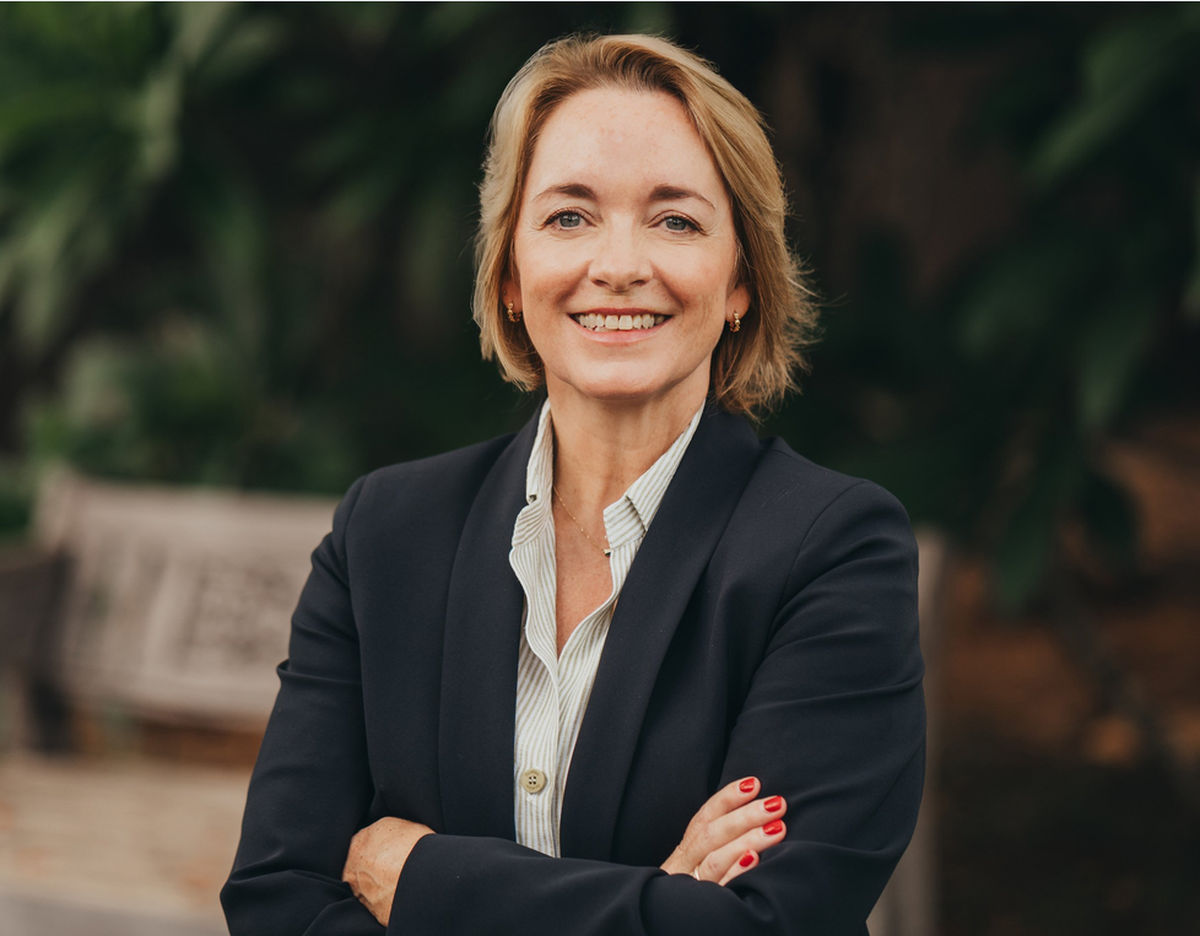
On October 1st, Joëlle Edwards-Tonks will succeed François Eynaud as head of the Mauritian group Sunlife, becoming the first woman to hold such a high-level role in Mauritius’ hotel industry.


Delighted, the new CEO, nonetheless acknowledges that the tourism industry remains largely a man’s world: women are often in the majority, yet they still occupy few top-tier positions.

Women have every legitimacy to hold these posts, she asserts, admitting that in the past she sometimes had to prove her skills more than a man.

For my part, she insists, I don’t see men and women; I see only people and skills. This isn’t always easy, she concedes, but this way of thinking — something she encourages among her colleagues — has greatly helped her develop a certain self-confidence.

A proponent of doing good work and committed to giving her best in a demanding hotel sector, Joëlle Edwards-Tonks nevertheless believes that reward always comes.


Joëlle Edwards-Tonks: a vocation born in a small English hotel

What a journey she has travelled! As a young person, Joëlle Edwards-Tonks did not intend to go into hospitality. Although she grew up in England, in the atmosphere of a small family-run hotel, she had pursued studies in communications.

As is often the case, fate had other plans. In 2001, she began her career in Paris at the Four Seasons Hotel George V: there she learned the hotel fundamentals. The Four Seasons was my hotelier school, she stresses.

Her path continued in prestigious houses such as Shangri-La and Oetker Collection.

It was in 2020, during the pandemic, that she joined Sun Resorts as Director of Commercial and Operational Affairs. In this position, she played a key role in transforming the group.

The rebranding operation for which she had been recruited went far beyond a simple name and visual identity change, as it led to a new positioning of the group, a pioneer since 1975 in Mauritius’ hotel industry.

Joëlle Edwards-Tonks’ early days within the group were tough, however. Stranded in Paris by the pandemic for five months, she had to meet her new colleagues online. “A real challenge, she recalls, but it gave me a lot of strength for what came next.


A collaborative approach


Joëlle Edwards-Tonks © Prisca Nairn/Sun Life

Very quickly, she notes, I realized that a simple re-branding would not be enough to reinvigorate a group that had lost some of its sparkle. It called for a deeper renewal, a greater focus on corporate culture, better understanding of what type of clientele would appreciate each of our four hotel complexes, and engaging all of our staff.

As part of a collaborative process with the teams, invited to idea-generation workshops, “the brand’s vision and values — love, dream, kindness — were clarified, the personality of each Resort redefined, and the client offers and experiences of each property revamped.”

Ultimately, the group entered a new chapter by becoming Sunlife in 2022. “Sun was our DNA. But, by replacing Life with Resorts in our name, we breathed life and experiences into our brand,” says Joëlle Edwards-Tonks.

These decisions have proven timely, as the group has fared well since. The summer of 2026 demonstrates it, with Sun Life at full capacity. After a slight dip in March-April — the war in the Middle East discouraged British travelers who typically pass through Dubai — bookings quickly rebounded.

In July-August 2026, Sunlife recorded an 85% occupancy rate, and even 90% for the flagship La Pirogue, located in Flic-en-Flac on Mauritius’ western coast.

And while, particularly in the French market, sales through tour operators slowed somewhat, individual bookings and sales via online travel agencies compensated.


“AI will free up time that teams will devote to guests”

“Since Covid, there isn’t really a low season for us” observes Joëlle Edwards-Tonks. This does not exempt the hotel group from facing major challenges to secure its future. That is why Sunlife has made sustainable development a priority.

Already certified by EarthCheck and CarbonNeutral®, Sunlife aims to further reduce its carbon footprint, protect the environment, and promote the group’s social responsibility. The objective? Align with the ISSB requirements, an independent body that is a global benchmark for sustainability performance.

Among future challenges are also digitalization and AI, which are advancing rapidly. “This is a topic to approach carefully if we want to ease fears among the teams and resistance to change,” notes Joëlle Edwards-Tonks.

She adds that AI enables faster, finer forecasting and productivity gains. AI also helps better understand client preferences and offer more choices — but it will not replace human contact.

Far from it, according to the new CEO of Sunlife, “AI will free up time for the teams to devote more to guests who are increasingly seeking ultra-personalized and authentic high-quality stays.”

Another challenge: attracting new generations of talent, even if recruitment difficulties are less acute than in the immediate post-Covid period.