

E.Leclerc Voyages Relaunches Holiday Stay Auctions Starting May 20


Voyages E.Leclerc poursuit le développement de ses enchères de séjours - Depositphotos.com @Kuzmafoto

CroisiEurope


Voyages E.Leclerc continues to develop its travel auction and live shopping systems, launched two years ago in order to make stays more accessible.

The brand is organizing a new auction session from May 20 to 21, 2026, with several destinations up for grabs, including Marrakech, Lanzarote and Madeira.

The concept behind “Voyages Auctions” rests on a simple mechanism: customers registered to the bidding club can participate in online sales where the starting price is set at 1 euro. Bids, capped at 5 euros, allow participants to bid on multiple offers simultaneously for a duration of 24 hours. The last bidder before the countdown ends wins the respective stay.

According to the brand, the offered stays represent an average budget of around 1,200 euros for two people, with discounts approaching 32 % compared to public rates. Eight destinations are presented each day over two days. The offers include stays in the Canary Islands, in Martinique, but also city breaks in Rome or Lisbon.

Registrations for the upcoming auctions are accessible here.


A System Complemented by Live Shopping Sessions

In parallel, Voyages E.Leclerc continues to develop its live shopping sessions. Inspired by teleshopping, this format allows internet users to discover travel destinations live through presentations led by travel experts or showcased destinations.

Broadcast on the retailer’s site as well as on its Instagram account Voyages E.Leclerc, these sessions feature presentations about the cultural and geographic specifics of the destinations, accompanied by live exchanges with viewers via a chat module.

Participants can also access exclusive promotional offers during the sessions.

Among the destinations already highlighted are notably French Polynesia, Vietnam, Thailand, Japan, Egypt or Australia.


Amelia Brille Published by Amelia Brille TourMaG.com Editor
See all articles by Amelia Brille

  • picto Linkedin
  • picto email
Add TourMaG to your Google News feed Google Actualités icône  

European Camping Group: Aims to Surpass €1 Billion Quickly


European Camping Group : "Nous voulons rapidement dépasser le milliard d’euros" - Photo ECG

CroisiEurope


TourMaG – How is the 2026 season unfolding for European Camping Group (ECG) ?

Sébastien Manceau : The season is generally going quite well, but it is marked by significant uncertainty. This uncertainty seems mainly linked to the situation in Iran, with a double effect. On one hand, it pushes part of our customers to stay closer to home and thus favor Europe, which could be favorable for us. On the other hand, there is pressure on fuel prices, on inflation, and above all a fear of a renewed inflation, which makes consumers very cautious.

Today, the early season is good: the May weekends are performing very well, Ascension was full and Pentecost looks promising as well. By contrast, the peak season remains more uncertain. We are a bit behind last year. For the last two or three months, we have mainly observed that it is the coming weeks that are filling up.

There is therefore a scenario where the season will be very good if bookings accelerate in the coming weeks. And another scenario, less dynamic but not disastrous either. The real question is about July-August.


The season marked by strong uncertainty

TourMaG – Does the post-season offer more visibility?

Sébastien Manceau : Yes, September is very good. We have a sizable German clientele, representing between 12% and 15% of the group’s customers, and this clientele books a lot for September.

Moreover, every year September advances. July tends to be tougher while September becomes excellent. The uncertainty really concerns August.

But we are moderately worried: customers want to go on vacation and we still have good stock, with nice mobile homes on beautiful campsites. The question will mainly be about price, in a context where purchasing power remains under pressure.

TourMaG – Do behaviors differ according to European markets?

Sébastien Manceau : We are observing broadly the same attitude across countries. In recent weeks, German customers are performing particularly well, as are British customers. By contrast, French customers have been somewhat weaker for about a month and a half to two months.

On destinations, France was fairly ahead but is now lagging a little, mainly because it depends heavily on French clients. Italy, which was lagging, is performing very well again. Spain has been doing well for several years.

Croatia, which was very dynamic a few years ago, is cooling a bit since joining the euro, with price increases pushing some clients to make different choices.


TourMaG – Can the move upmarket in camping become a brake in an inflationary context?

Sébastien Manceau : We do not think so. On the contrary, inflation makes camping proportionally more attractive than other types of accommodation such as holiday residences or vacation clubs.

At ECG, we mainly cover segments 3 to 5 stars, with a very strong presence in 4- and 5-star. What we observe is that 4- and 5-star campsites are gaining market share every year, both over other campsites and over other types of accommodation.

I’m talking more about moving up in comfort than about moving up in prestige. Clients want more space, bigger mobile homes, higher-quality infrastructures. This is an evolution that we see across tourism for decades.


Consolidation: “Southern Europe is a priority”

TourMaG – You acquired the Spanish group Alannia in 2025. Is Spain a safe bet?

Sébastien Manceau : Spain is indeed a safe bet. Our aim is to consolidate our position as the only truly pan-European camping operator.

We were already present in Spain with around forty destinations, but we wanted to strengthen. Alannia comprises five campsites and 2,700 pitches, with very high-quality products located near Alicante, not on the Costa Brava as many players do.

These are year-round campsites, with a management team that has demonstrated real know-how. The idea is clearly to continue our development in Spain.

TourMaG – What are now your priority target markets?

Sébastien Manceau : Southern Europe is a priority. We want to continue to grow in Spain and Italy, even though we remain open to other opportunities.

The market remains extremely fragmented. In France, there are still about 7,400 campsites and only about a thousand belong to groups. There are therefore many consolidation opportunities.


“Our objective is to carry out between five and ten acquisitions per year”

TourMaG – Growth mainly through acquisitions?

Sébastien Manceau : Greenfield growth is virtually impossible, especially in France. I would be unable to name more than two or three new campsites created in the last ten years.

There are therefore two levers left: acquisitions and organic growth. Last year, we completed 13 acquisitions, including five via Alannia. This year, we are already at five, soon to be six.

Our objective is to execute between five and ten acquisitions per year. And at the same time, we continue to invest heavily in our existing portfolio.

TourMaG – What does direct distribution represent for your group?

Sébastien Manceau : Direct sales account for more than 90% of our activity, precisely 91%. Intermediaries represent only 9%, mainly specialists like Camping.com or Maeva.

We also use Booking.com marginally, for example for atypical products or certain clienteles we reach less easily.

The rest is distributed via our websites, our call centers, the CSE, and our own OTA. Mastering this distribution is extremely important to us.


Céline Eymery Publié par Céline Eymery Rédactrice en Chef – TourMaG.com
Voir tous les articles de Céline Eymery

  • picto Facebook
  • picto Twitter
  • picto Linkedin
  • picto email
Ajoutez TourMaG à votre flux Google Actualités Google Actualités icône

Maison Manaventura: From Tahiti to Vendée, Jessica Sorin Traces Her Path


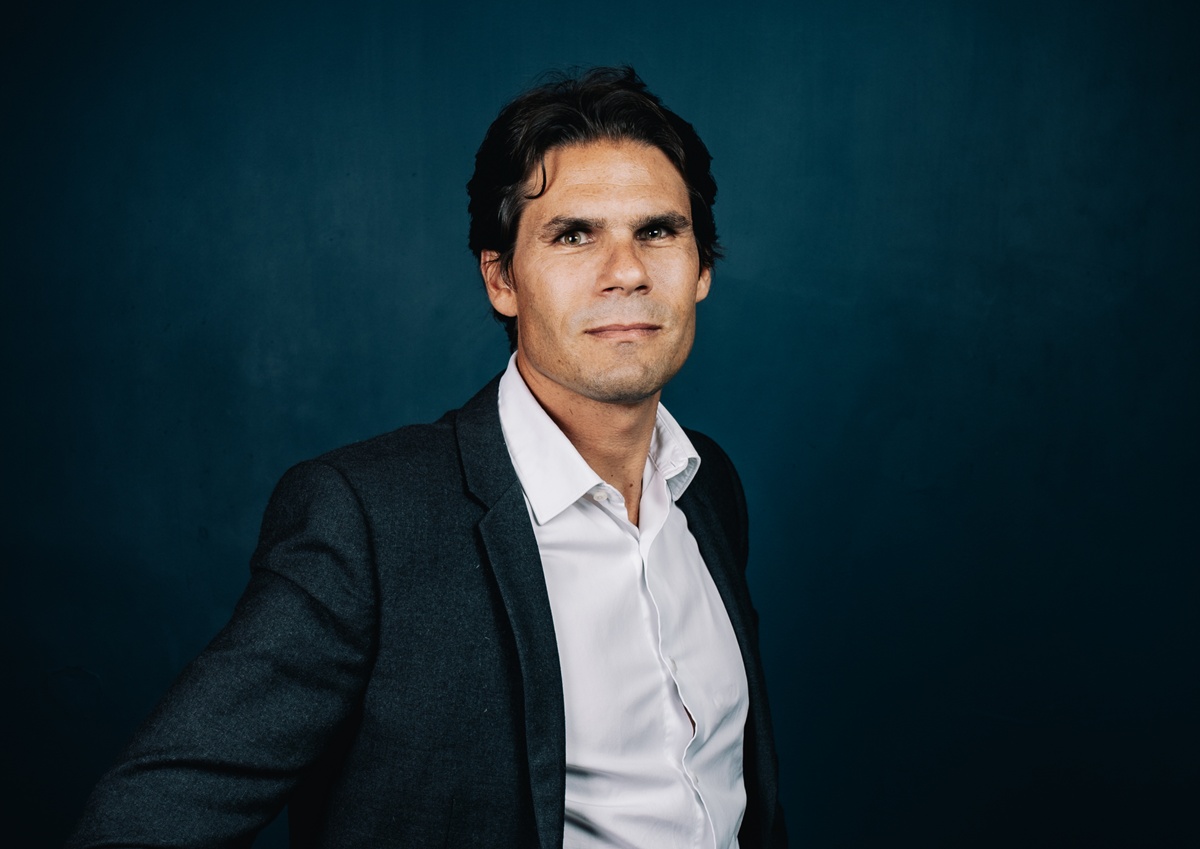
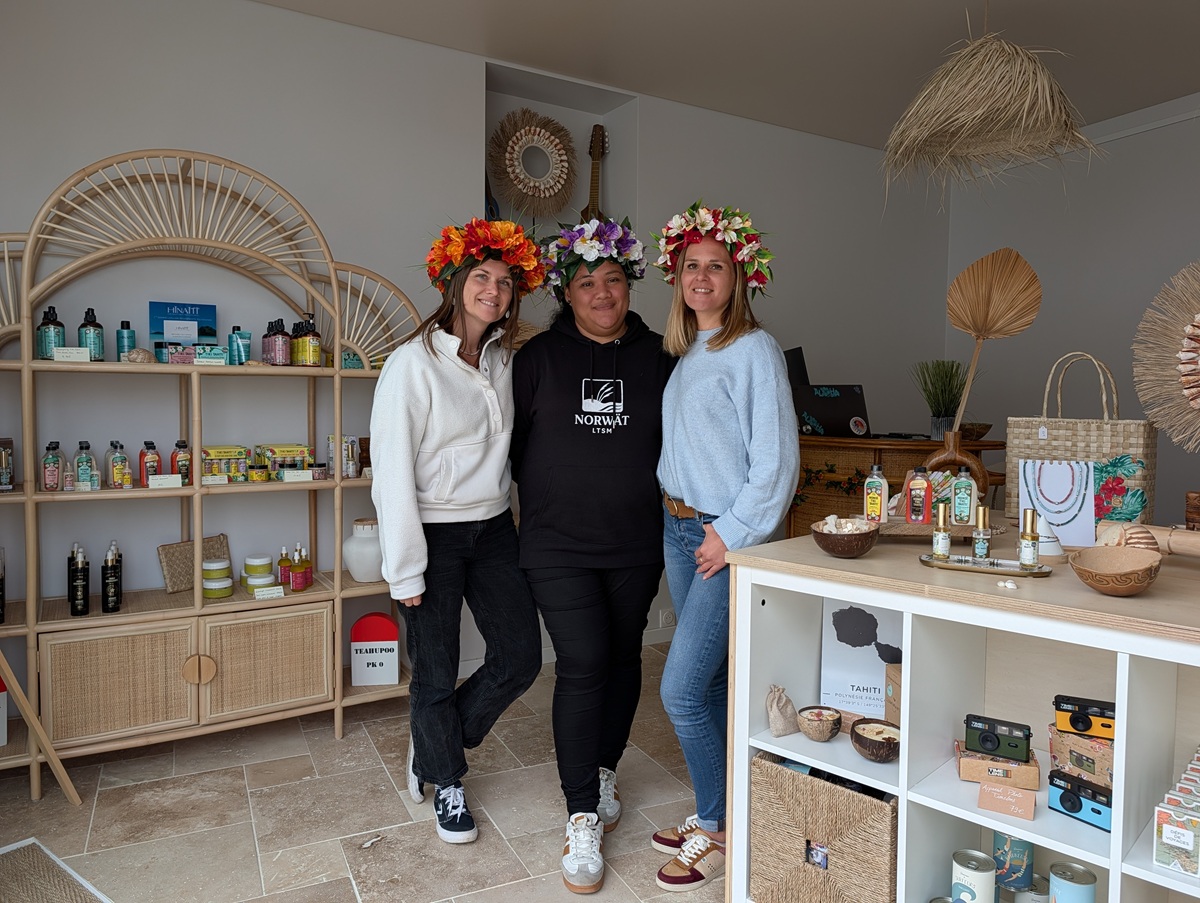
Jessica Sorin (à gauche) ouvre Maison Manaventura, une agence physique en Vendée. Chloé Le Berre Lizée (à droite) en prend la direction - Photo : Manaventura

CroisiEurope


Before venturing into tourism, Jessica Sorin ran a coworking café in Nantes.

That was before the Covid period.

She used the confinement to join friends in Tahiti. This stay, initially planned for three months, would ultimately last six months.

« I fell in love with the green of Polynesia, she recalls. We often show the blue of the lagoon and the stilt houses, but I discovered a Polynesia that was much more authentic, cultural, and natural. »

Fortified by this experience, she answered a call for proposals from a Polynesian incubator, and set off again a few months later with a container filled with outdoor gear: roof tents, paddles, hiking equipment…

« The initial idea was to offer equipment rental and immersive experiences with locals. Very quickly, I received requests to organize stays, recounts Jessica Sorin. On site, I quickly completed the steps to become a travel agent. »


For several years, the entrepreneur commuted between France and Tahiti, while maintaining her Nantes-based activity, which she has since sold.

« I didn’t know how receptive operators or TOs worked,» she admits. « I learned as I went and discovered that I was a receptive operator. »

Nevertheless, she had already dipped a toe in travel, for instance as Guest Relations Manager aboard Ponant ships.

Today, the Manaventura Tahiti receptive operates mainly in B2C, which accounts for about 95% of its activity.

In 2025, Manaventura handled around 350 files, representing between 700 and 1,000 travelers, with an average basket of 15,000 euros. The entrepreneur claims an annual growth rate close to 200% over the past three years.


Maison Manaventura: The Physical Bet

Against the current, Jessica Sorin has just opened a physical travel agency named Maison Manaventura in La Tranche-sur-Mer, in Vendée.

She has imagined a concept store inspired by seaside resorts and the lifestyle universe.

« Our agency looks more like a boutique of inspiration », she explains.

Visitors will find both Polynesian products and travel journals, scented candles or travel accessories.

La Tranche-sur-Mer was chosen for strategic reasons. The director is banking on a clientele with second homes and on the resort’s strong summer attendance.

The idea directly stems from her Ponant experience. « On board the ships, sales of future cruises worked very well because customers were already in travel mode. I recognize that logic in seaside resorts: people are relaxed, available, already in a vacation mindset », explains Jessica Sorin.

If Polynesia remains her historical area of expertise, the offering is gradually expanding to other destinations. « The first requests came in for Sri Lanka, the Seychelles, Morocco or Italy.

Today, we surround ourselves with receptive operators. We have also just partnered with Catlante to promote a product entirely in our DNA, »
underlines Jessica Sorin.


Travel Must Create Connections


Jessica Sorin, fondatrice du réceptif et de l'agence Maison Manaventura - Photo : Manaventura

If the company claims an outdoor and immersive positioning, Jessica Sorin prefers to emphasize an ethos built on meeting and sharing: « We want to encourage intergenerational travel, with family or friends. Travel must create connections. »

The agency prioritizes local experiences and exchanges with residents, whatever the destination. « Even in Canada, I want there to be a real local encounter », she insists.

This philosophy also guides how trips are designed. The teams take the time to talk with clients to understand their desires and motivations.

« We do not build a simple travel checklist. Behind every project, there is a personal story, a particular wish. »


A Flexible and International Organization

The group now counts 22 employees, spread between Tahiti, France and several international destinations.

The company operates with a mix of employees and freelancers.

« I love this flexibility, explains Jessica Sorin. Some of our consultants live in Bali, in Greece or in Polynesia. The more they travel, the better they understand our vision. »

To drive the development of Maison Manaventura, Jessica Sorin also relies on Chloé Le Berre Lizée. After two years of collaboration as a freelancer, she takes the helm of the Vendée agency.

« She has production experience; she has worked with Copines de Voyage and Chilowé. She will develop destinations and partnerships, » explains Jessica Sorin.


B2B in the Spotlight

After several years devoted to structuring the B2C model, the company now aims to accelerate in the B2B segment.

A stand is already reserved for IFTM Top Resa 2026 and a new B2B brand is in development, with several names currently under consideration.

The ultimate objective? « to reach a balance of 60% B2C and 40% B2B », explains Jessica Sorin.

Two hires are also planned this year: one in Polynesia and one in France.


Laurent Abitbol (Selectour): Tailor-Made Travel and Upgrading to Premium Are Our Future


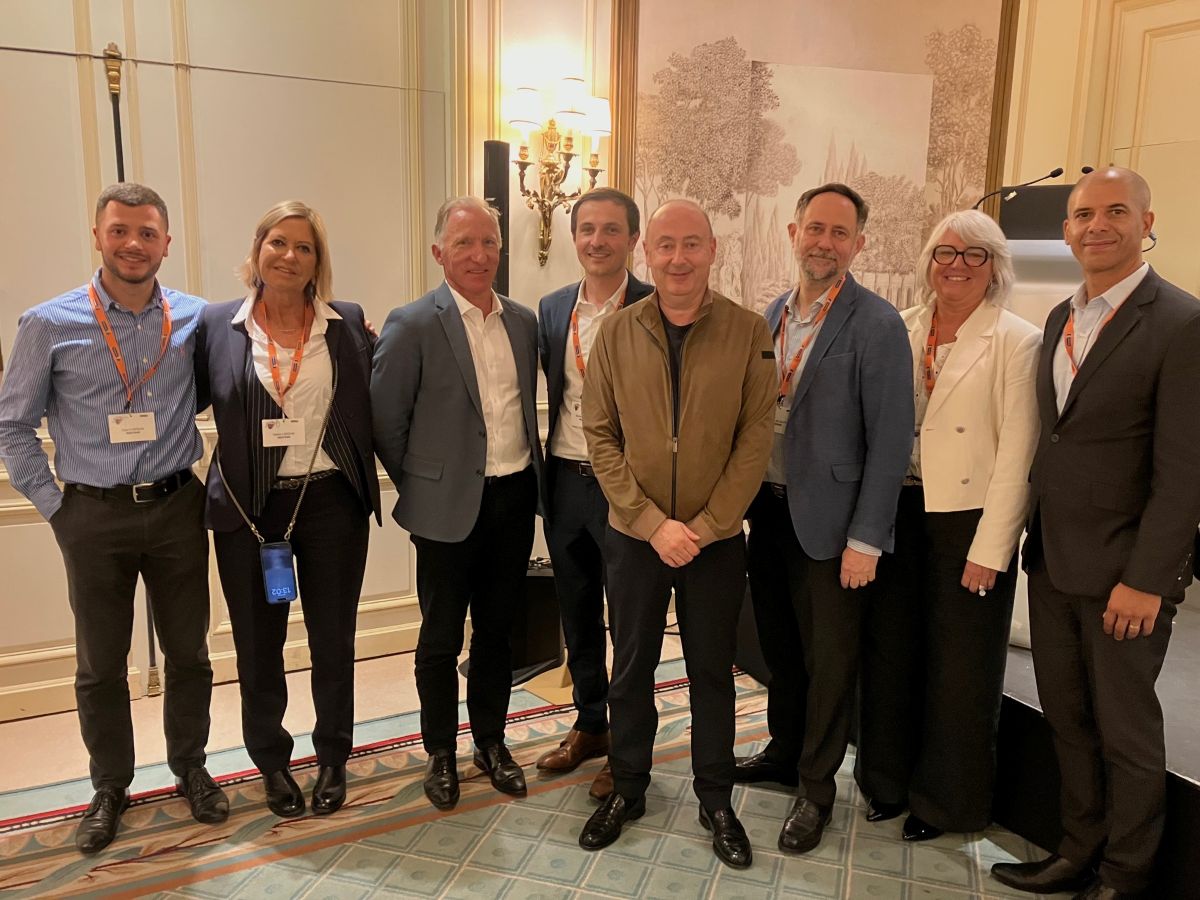
Laurent Abitbol, entouré d'une partie de l'équipe de Selectour - Photo: TB

CroisiEurope


After a lengthy hiatus, the Selectour Receptives Salon is being relaunched, with the intention of making it a fresh, annual gathering.

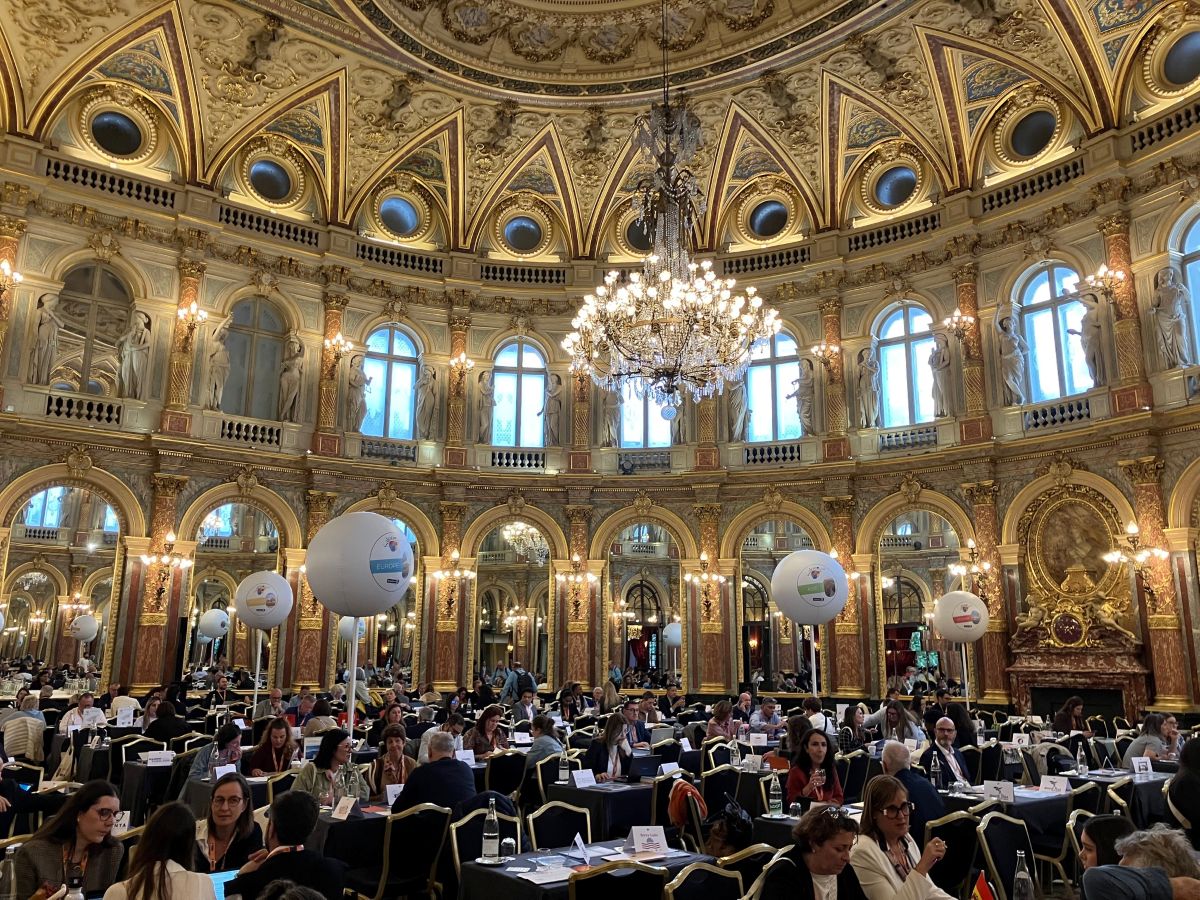
For the occasion, the hippocampus-branded network brought together 115 receptives from France and from around the world who are listed as members, along with 220 affiliated agencies, under the dome of the Intercontinental Hotel in Paris, on May 20, 2026.

In an environment shaped by the rising power of AI and the ever-stronger competition from online agencies, “custom travel and moving upmarket are our future,” stated Laurent Abitbol, the board’s president, in his opening remarks.

Tailor-made journeys are particularly appealing to agencies that typically enjoy an average margin of about 20%.

Also read : Laurent Abitbol: after the businessman, the politician?


Legal framework and liability under the microscope


Le workshop, sous la coupole de l'hôtel Intercontinental - Photo : TB

This Receptives Salon enabled attendees to take part in an information session on the legal framework (liability, sales contracts, etc.) governing tailor-made travel, the risks, points to watch, and best practices, followed by a round-table discussion and a giant workshop.

Assurever also presented its Protexio product. Priced at 1.99% of the travel cost, which allows agencies to insure against the risks of a tailor-made trip (cancellations, strikes, bad weather, natural disasters, supplier failures, etc.) and to safeguard their margin.

Also read : 2026: a year of structuring, commitment, and projection for Assurever


« It’s not an economic crisis, but a psychological one »

In 2025, Selectour recorded a turnover of €36 million with the receptives it lists, up 3.5% from 2024. From January through the end of April, growth reached 6%, totaling €11.5 million.

A positive trend that runs counter to the broader market. Tourism bookings within Selectour show a 24% decline for March, April, and May, mirroring the industry as a whole.

Every month, it slides a little further. It’s not an economic crisis, but a psychological one,” says Laurent Abitbol, who urges members to weather the storm as much as possible in the hope of a rebound, should the hypothetical reopening of the Strait of Hormuz occur.

The client wants to travel; it’s not a matter of price. Our enemy is the 24/7 information cycles. It’s a drug…” he adds.

He also takes the opportunity to advise TOs not to slash prices for the summer, for fear of muddying benchmarks and of losing the ability to sell at the right price in the coming years, but rather to reduce their capacities.


An expanded and improved receptive offer

Growth in receptives activity is linked to agencies that are increasingly receptive to the idea of building customized and differentiating products to meet client expectations, with full control over the offering.

It also depends on an expanded portfolio. For the 2026/2028 period, Selectour lists 137 foreign receptives and 13 French receptives (Selectour agencies that offer itineraries within France, such as Girardot Voyages in Burgundy).

Behind an apparent stability lies actually a scene with roughly thirty outgoing and as many incoming partners, with a goal to reference luxury specialists offering personalized or concierge services, as well as receptives deeply committed to sustainable and responsible tourism.


Polishing for the Hip Réceptif platform

The refreshed selection also enables Selectour to add new destinations (Albania, Germany, Bahamas, Dominican Republic, Nicaragua) and to strengthen its presence in Mauritius, Japan, and the United Kingdom. In total, 134 destinations are covered.

To boost efficiency, the offering is consolidated on the internal Hip Réceptif platform. Operational for ten years, it will receive a makeover at the end of May.

Beyond a new design, functionalities will be enhanced (agency feedback on receptives, training on destinations, visualizable route maps of itineraries, etc.).


In addition to the TO offerings

EasyJet Holidays to Be Resold by 500 German Travel Agencies


Eaysjet Holidays bientôt revendu par 500 agences de voyages en Allemagne ! - depositphotos.com Auteur Boarding2Now

CroisiEurope


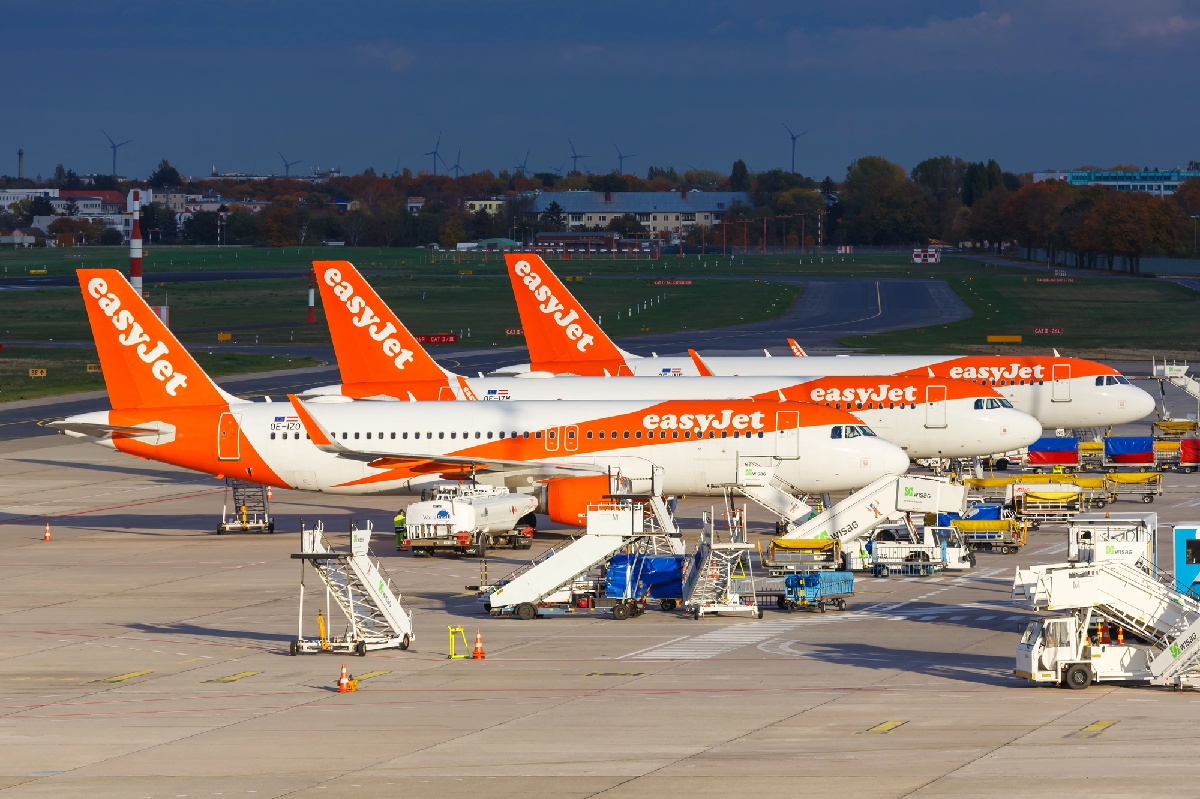
easyJet holidays poursuit son développement européen à travers deux axes principaux : le renforcement de sa distribution en Allemagne et une nouvelle mise en avant de son offre « vol + hôtel » sur le site d’easyJet.

easyJet holidays vient d’annoncer avoir noué un partenariat avec 500 agences de voyages physiques dans la région de Berlin. Ces agences commenceront à commercialiser les forfaits du voyagiste au premier semestre 2027.

« Cette initiative marque une étape importante dans l’ambition du tour-opérateur de renforcer sa présence sur les principaux marchés émetteurs européens au-delà du Royaume-Uni. » indique un communiqué.


Other German regions are expected to follow in the coming months

Le groupe souligne que le marché allemand présente des spécificités importantes, avec une majorité des ventes de voyages à forfait encore réalisées en agences physiques.

Kevin Keogh, directeur Europe d’easyJet holidays, précise :

« Comme la majorité des voyages à forfait en Allemagne sont vendus hors ligne, travailler étroitement avec des partenaires de distribution solides est clairement la bonne approche pour permettre aux vacanciers allemands d’accéder à nos offres attractives. »

Selon le groupe, Berlin constitue un point d’entrée naturel pour cette offensive B2B, la capitale allemande étant l’une des principales bases européennes d’easyJet. D’autres régions allemandes devraient suivre dans les prochains mois.

Le voyagiste pourrait-il nouer un partenariat du même type en France ? « Ce n’est pas à l’ordre du jour » nous répond un porte-parole.


The ‘flight + hotel’ offer provided directly on easyJet’s flight search engine

Parallèlement, easyJet holidays prépare une évolution de son parcours de réservation autour du produit « vol + hôtel ».

L’offre existe déjà dans le catalogue du voyagiste, mais sera désormais davantage mise en avant directement depuis le moteur de recherche vols du site easyJet. L’objectif : capter une clientèle qui recherche d’abord un billet d’avion avant d’envisager une formule packagée.

Selon le groupe, cette évolution vise particulièrement les clients adeptes de city breaks, dont le parcours d’achat débute généralement par une recherche aérienne classique. En proposant l’hôtel dès cette étape, easyJet holidays espère convertir davantage de voyageurs vers des offres dynamiques incluant transport et hébergement.


L’activité tour-opérateur du groupe continue par ailleurs d’afficher une croissance soutenue au 1er semestre de l’exercice 2026.

easyJet holidays a enregistré un bénéfice avant impôt de 61 millions de livres sterling, tandis que le nombre de clients a progressé de 22 %.

Des résultats positifs, alors qu’easyJet plc a essuyé perte avant impôt portée à 552 millions de livres sterling sur la période. (voir encadré).


easyJet results for the first half of 2026

easyJet plc a publié des résultats semestriels en recul pour son exercice 2026, dans un contexte marqué par le conflit au Moyen-Orient et la hausse des coûts du carburant. Malgré une perte avant impôt portée à 552 millions de livres sterling au premier semestre, le groupe souligne une demande toujours soutenue, notamment sur les réservations de dernière minute, et confirme ses objectifs de croissance à moyen terme.

Sur les six premiers mois clos au 31 mars 2026, la compagnie a vu son trafic progresser de 6 % sur un an, avec un coefficient de remplissage atteignant 90 %, soit deux points de plus qu’un an auparavant. La capacité exprimée en ASK (Available Seats Kilometer) a également augmenté de 8 %.

Dans son communiqué, easyJet explique que le conflit au Moyen-Orient a eu un impact direct sur l’activité, notamment à travers une hausse des coûts du carburant et une visibilité réduite sur les réservations à moyen terme. Le groupe précise toutefois que « les réservations au cours du mois de départ continuent d’afficher une bonne dynamique par rapport à l’an dernier ».

La hausse des coûts reste sensible. Le CASK (Cost per available seat kilometer) total progresse de 5 % sur un an, intégrant notamment 25 millions de livres sterling de coûts carburant supplémentaires enregistrés en mars.

Kenton Jarvis, CEO d’easyJet a déclaré : « Malgré l’incertitude à court terme créée par le conflit au Moyen-Orient, easyJet est bien positionnée pour faire face à l’environnement actuel, soutenue par l’un des bilans les plus solides de l’aviation européenne. »

Pour les prochaines années, easyJet prévoit toutefois un ralentissement de sa croissance capacitaire à partir du premier semestre 2027. La compagnie confirme enfin son objectif de dépasser à moyen terme un milliard de livres sterling de résultat avant impôt, à mesure que les conditions de marché se stabiliseront.

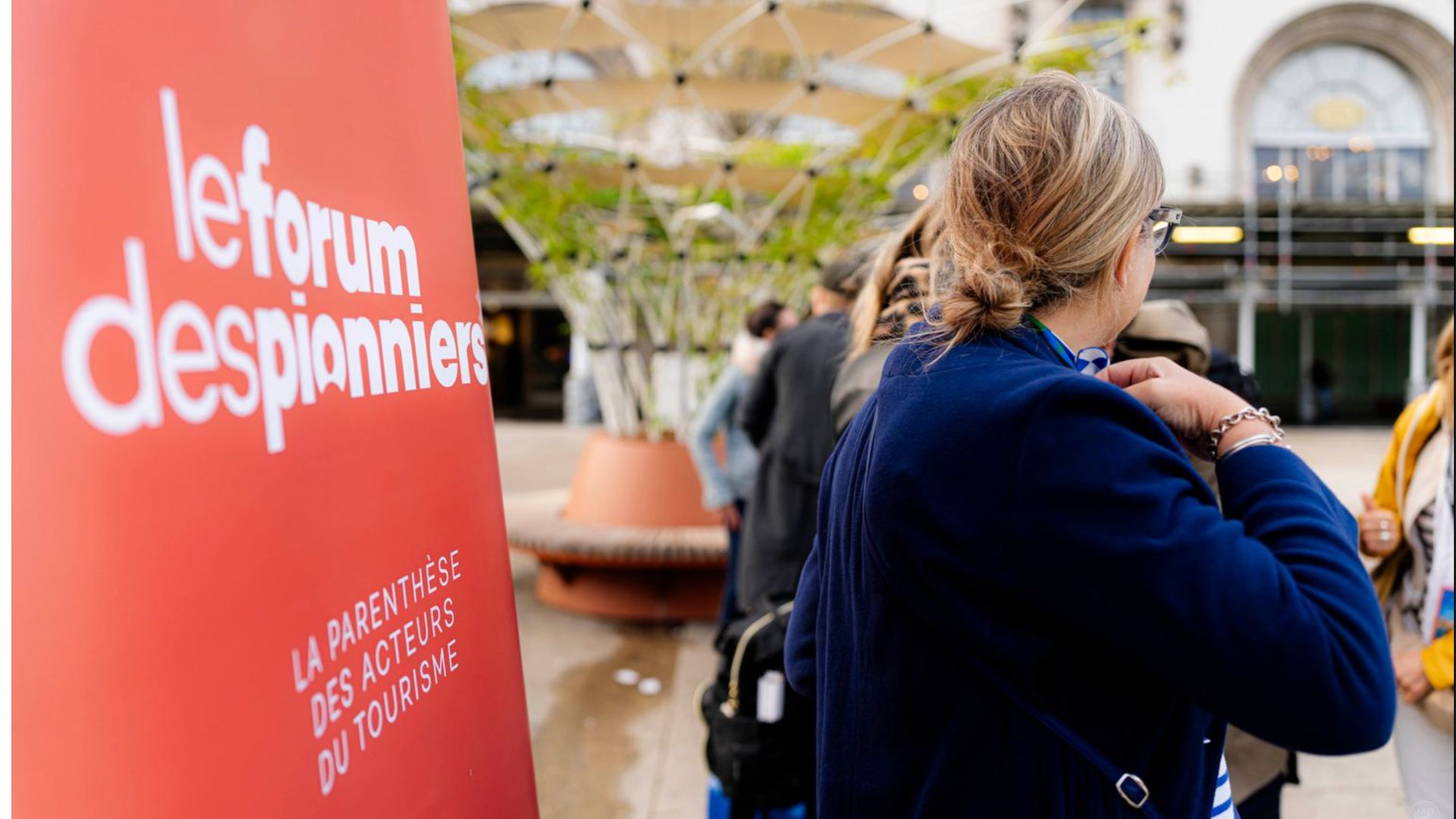
Pioneers Forum 2026: Navigating Uncertainty in Tourism Transformations


Forum des pionniers 2025 © Jules Despretz -

CroisiEurope


Travelers’ behaviors have never seemed so fluid.

Between late bookings, the search for security, new expectations regarding the experience, and evolving digital practices, tourism players must learn to cope with demand that is increasingly unpredictable.

In the face of this growing instability, the Forum des Pionniers 2026 aims to “steer the uncertain”.

A theme that signals the shift from a reactive logic to a forward-looking one, and the construction of scenarios for sector professionals.


Understanding the market through diverse perspectives

For Bruno Abenin, Commercial Director at Travel Evasion and co-organizer of the event, the main challenge is not a single reading of this uncertainty, but the confrontation of viewpoints.

“The theme is one thing, but what’s truly valuable are the exchanges and how each person perceives the market,” he explains. “A tech player, a tour operator, an incoming operator or a carrier don’t read the same issues in the same way. And it is precisely this diversity that makes the Forum so rich.

In a sector where crises are not felt at the same pace across professions, he emphasizes the importance of dialogue among varied experiences: “Some are facing their first crisis, others their tenth. The point is to pool all of this and understand what everyone actually does with the uncertainty.


Artificial intelligence, a new driver of decision-making

AI is now present in risk monitoring, customer relations, offer production, and corporate management, and it is no longer merely a tool for automation.

It gradually influences how organizations analyze their environment, make decisions, and anticipate market evolutions.

For tourism leaders, the challenge goes well beyond technology. What place should AI-generated recommendations have? How can human judgment be preserved in a context where predictive tools are becoming more precise?

And how can teams be guided through these transformations? All these questions will feed the discussions among the 130 decision-makers gathered in Egypt, in workshops and experience-sharing sessions.


An immersive experience to fuel strategic thinking

The Forum des Pionniers goes beyond theoretical content. It relies on an immersive format designed to foster exchanges and to encourage reflection.

The Nile cruise, from Luxor to Aswan, provides the event’s through-line, with key stops such as the Valley of the Kings, Kom Ombo and Philae temples.

The program concludes in Cairo with visits to the pyramids of Giza, the Sphinx, and the Grand Egyptian Museum.

Working sessions alternate with workshops, round tables, and informal moments crafted to enhance the quality of dialogue among decision-makers. This relational dimension lies at the heart of the setup.


Egypt, a mirror of global tourism transformations

Choosing Egypt as the hosting destination gives a special resonance to this edition.

The country now concentrates a large portion of international tourism dynamics: a strong post-crisis rebound with almost 19 million visitors in 2025, accelerated modernization of infrastructure, upgrading of offerings, and major projects like the Grand Egyptian Museum.

Yet this growth takes place in a demanding environment. Egypt must contend with intense regional competition, sensitivity to geopolitical contexts, and a heavy dependence on air connectivity. It thus illustrates a model in perpetual transformation, where performance depends as much on attractiveness as on adaptability.

For Bruno Abenin, the gap between perception and reality remains significant. “I think people will be surprised by the world that exists in Egypt today,” he notes. “In Cairo, on the Nile, at the sites, there are crowds. Many tourists, from all nationalities.”

The Egypt expert adds: “Hotels are full, boats are sailing, sites are functioning normally. If you listen to some media, we sometimes have a distorted image of the destination.”

Beyond the exchanges among decision-makers and reflections on the sector’s major shifts, this 24th edition of the Pioneer Forum also carries a simpler ambition: to present a destination in its real context.

Centrale Voyages Lays the Foundation for Its Future Network of 20 Leisure Travel Agencies


Centrale Voyages rachète l’agence Agis Voyages à Montigny-le-Bretonneux - Depositphotos

CroisiEurope


It took two years for him to master his new universe and to feel truly fulfilled.

Early 2024, François Lévêque buys Centrale Voyages. His daily life, which he had imagined as a succession of dreams on distant shores and discoveries of foreign cultures, runs into the reality of being a business travel ticketing specialist.


He told us at the time that he was getting to grips with unfamiliar terms, infinitesimal margins and a vocation that he described as a “hard, very technical” job.

Two years later, the man who has entrepreneurship in his blood is finally able to breathe easy.

This profession wears me out, but I feel happy and fulfilled. I have finally put in place what I wanted, steered in a direction, and even if there is still much to learn, I feel good about it.

And last week, I had the immense honor of sharing breakfast with Jean-Noël Barrot,
the minister of Foreign Affairs, and to visit the Quai d’Orsay. An incredible experience
“, enthuses the man who, with Raphaël Torro, can proudly claim to be the tourism industry’s leading boss… at least in sheer size.

The industry and its networking open doors one would not expect. It also enables travel and, ultimately, preserves that explorer’s spirit and the big-child inside us all.

Above all, the sector remains a fantastic playground for entrepreneurs, starting with François Lévêque.


Acquisition of Centrale Voyages: “the bride is always a little more beautiful than reality”

As we noted, the group posted 2024 revenue of 33 million euros with 33 employees, and the long-term target remained 50 million.

This target hasn’t changed, but the path to it required going through a phase that would have discouraged many others.

When you take over a business, the bride is always a little more beautiful than reality.

And you always know there will be a rough patch afterward.
When the company is at 100, it slides to 90 or 80, during the restructuring, and customers and staff closely tied to the former owner may leave.

The mistake to avoid is waiting for that storm to pass and for everything to return to normal. We rolled up our sleeves
“, reinterprets the head of the company.

He then recruits a chief commercial officer, Christelle François, and Didier Caliari becomes the new business developer for the firm. Meanwhile, Valérie Jacomino, a long-time collaborator, takes on the role of chief executive of the group.

To read : Centrale Voyages expands its teams to “take off”

Once the rough patch was behind them and the teams were structured, Centrale Voyages was doing well and even managed to catch up on its backlog, about 15%, after the acquisition.

We are in a phase where we are signing a large number of contracts in business travel.

That’s a good dynamic, even if I must note that the margins are clearly lower than what I was told when I signed the acquisition. It’s not that I was deceived; it’s just that the market is on a downward slope, particularly due to digital players. On top of that, there is a very clear economic pressure in France
“, lays out the delighted owner.


Centrale Voyages: “My main challenge is to develop leisure”

Be it in business travel or civil society, the world has changed rapidly, within just two years.

AI was then merely a buzzword, Donald Trump wasn’t even certain he could run for the American presidency, and Jordan Bardella was still just a TikToker.

Back then, the profession and the companies had only one thing on their lips: CSR. Today, no one mentions it. The only words that bosses and decision-makers mouth are price and commission. Those are our only topics with our clients.


On this portion of the business travel, we are up and running. Now, my main challenge is to develop leisure“, he notes with a genuine smile.

This latter activity is not entirely marginal, but it does not account for more than 15% of his volume and must gain substantial momentum very quickly.

The diversification of activity is vital, especially when crises stack up. Yet it is not as easy as it seems. In taking over Centrale Voyages, François Lévêque quickly realized that leisure and business travel were completely hermetic – two distinct worlds.

He discovers that people who love business ticketing, or those who love leisure, never do both. They remain specialists in one segment. So, to grow, he develops and structures his internal operation.

In terms of margin and cash flow, leisure is clearly more advantageous. Then, we will move into MICE, to have a three-legged stool on which to advance.

We are working on creating
a website. For the classic tourism segment, we had no online platform.

We will rectify this anomaly during the summer. And since early May, we have been active on social media, where we are supported by Virginie Faivet, he confides.

The aim is to generate leads for travel agents. Above all, François Lévêque realizes that to move quickly, external growth is indispensable.


Centrale Voyages takes over the Agis agency in Montigny-le-Bretonneux…


Centrale Voyages reprend l’agence Agis de Montigny-le-Bretonneux... - Crédit photo : Centrale Voyages

As a newcomer, acquisition offers flood in.

Some slip away, and, after speaking with other sector leaders, it is particularly tricky to sense the right deal.

At a regional EDV congress, as a joke, François Calvino announced in front of everyone that he would give away a point of sale for free to whoever wants it, because it costs him less to offer it than to close the agency.

In his premises, under his business benches in Montigny-le-Bretonneux, he had created an agency. This isn’t his passion and he never really dwelt on the subject to develop the affair.

We participated in a round table, we talked, we both work at Manor, the deal was concluded quickly
“, recounts the new owner without mincing words.

The Agis agency in Montigny-le-Bretonneux generates a business volume of 1.2 million euros per year. Centrale Voyages has acquired the business and one employee, but the structure is set to grow further. In fact, the first recruit is planned within two weeks.

Marketing operations will be launched and the storefront will be redesigned to revitalize the activity of this location.

Moreover, in a few weeks, another acquisition is expected to be fully completed, still within leisure. This time, the agency is somewhat larger, with four employees and nearly 3 million euros of autoproduced activity.

Other avenues are being explored, such as the purchase of a mini-network.

Margins are collapsing and the economic environment is rather negative… Nevertheless, I think it is precisely in these periods that one should strive to strengthen the business.

Moreover, we clearly see that the sector is at a crossroads, with many leaders nearing retirement without a buyer and sometimes preferring simply to close their sales points rather than selling them.

I am trying to take advantage of this to grow the tourism side of the group, while questioning the future of physical travel agencies
“, explains François Lévêque.


… another acquisition in sight, with the objective of owning between 15 and 20 agencies!

The aim is straightforward: beyond growing the company and reaching a turnover of 50 million euros, he also wants to give the group a sense of purpose and a future.

To that end, the leader appears to have a fairly clear plan of action.

I must expand my client portfolio, while pursuing a strategy of premiumising the products. I would like to build a leisure agency network of between 15 and 20 outlets.

My conviction from the start has been to seek people who have money, love travel, but don’t have much time to organise their holidays or don’t want to do it themselves.

These people are willing to pay for it. In return, they must receive an extraordinary service, with constant availability and total dedication
“, envisages Centrale Voyages’ chief.

Once this development is complete, in a few years, he will be able to breathe a little and set new objectives.

In the meantime, the battle is far from over. The new tourism player fights every file to stand out and secure the signatures needed to ensure the activity’s long-term viability.

My role, as an entrepreneur, is to grow the business commercially, bring in money so the shop keeps running. Then, it is to structure so that once the momentum is created, the group can run without you. This frees up time to start new projects, such as MICE, which will be the next major project, and to gain perspective. My dream is that, in five years, the company will be perfectly structured,
it will grow on its own, that I will not be needed for any position and I can travel.
Until then, as I often say, I am happy and I follow the guidance of a close friend in the sector who told me: you will work like a dog, you will never be rich, but take the opportunity to explore the world and seize the chances to travel.

I have clearly decided to follow his good advice,” concludes the leader.


Air France Cuts Off Access to Non-IATA Group Bookings


Air France coupe l'accès aux réservations "groupes" des non IATA - Depositphotos.com  Auteur monticello

CroisiEurope


It’s a fresh blow for agencies specializing in group travel.

After SNCF and the suspension of its dedicated groups portal, it’s Air France’s turn to restrict, starting July 1, 2026, access to its TIGRE Web platform to only IATA-accredited agencies. A decision that could penalize many independent group organizers.

According to several testimonies collected on the HelpDesk of Tourism Pros, non-IATA agencies have recently been informed by email that they must now hold an IATA accreditation to continue accessing the company’s B2B site.

In a letter sent to agencies at the start of last week, Air France explains that this evolution is part of “a process of structuring and securing the group reservation procedures for the Company.”

The company also specifies that this evolution aims to “guarantee usage in line with its financial standards.”

For part of the sector, this announcement sounds like a real hammer blow.

All those involved in group travel who are non-IATA are affected,” sums up a professional in the field.


In the crosshairs for these agencies: a loss of flexibility and responsiveness.

In practice, many agencies specialized in group travel already work with partner issuing agencies for ticketing, without necessarily holding an IATA license themselves or a GDS such as Amadeus, Sabre or Galileo.

Until now, they nonetheless retained operational access to the B2B platform : checking availability, blocking seats, managing cases, adding passengers or price simulations.

I manage the file from A to Z. I do all the work: I search for flights, I look at the fares, I block the reservations, I handle seat allocations and filling in passport details, birth dates… then once everything is managed I email Air France asking them to transfer my file to the issuing agency. There, I will no longer have any control over anything

The goal for these agencies: a loss of flexibility and responsiveness.

We will become dependent on an issuing agency. Our request will be processed when they can, sometimes several hours later. And we will no longer be able to book flights as soon as they open,” testimonies another agency manager who sometimes logs in in the middle of the night at the opening of sales to benefit from the best rates. “If we are not reactive, yield fares rise quickly.

On some group cases, I sometimes spend several hours searching for what matches a client’s request,” adds another group organizer, “it’s something you cannot ask of an intermediary.


How to obtain IATA accreditation and access to a GDS by July 1?

On paper, the agencies concerned can still apply for an IATA accreditation. But in practice, it seems impossible to obtain accreditation, even for the first level (GoLite) and to train the teams before the July 1, 2026 deadline.

Obtaining the precious credential is not limited to a simple administrative membership. “You need accreditation but also access to a GDS, with the training that goes with it for two people in ticketing,” explains this agency manager, not to mention that all this comes at a cost.

Financially, I cannot hire someone to manage emissions,” adds a leader.

As for issuing tickets directly through Air France, the agencies we interviewed lament higher tariffs than those charged by partner agencies.

Some group organizers also fear a monopolistic effect and/or bottlenecks at the issuing agencies, at a time when operators are selling groups for 2027.

On the side of Enterprises of Travel, Valérie Boned, President of the employers’ union, is surprised not to have been informed in advance of this decision: “Since then we have contacted Air France. We asked them to reconsider their position and at least give more time to agencies to undertake the necessary steps. They assured me they are working on the subject. I am hopeful that the company will postpone at least its decision to September 1.

A situation all the more delicate as commercial validations take longer, especially on the CSE side, in an economic and geopolitical context that pushes many clients to delay committing.

In general, airline group policies are tightening.

In recent years, it was clear that group conditions were hardening,” explains a professional interviewed by TourMaG.

For example, reservation windows have been shortened, sometimes from a month to only fourteen days to confirm a group. These strategies have also been implemented by other airlines, such as TAP Portugal or Lufthansa.

Contacted by us, Air France declined to comment.


Céline Eymery Published by Céline Eymery Editor-in-Chief – TourMaG.com
See all articles by Céline Eymery

  • picto Facebook
  • picto Twitter
  • picto Linkedin
  • picto email
Ajoutez TourMaG à votre flux Google Actualités Google Actualités icône

You Are the Best Showcase of Our Craft


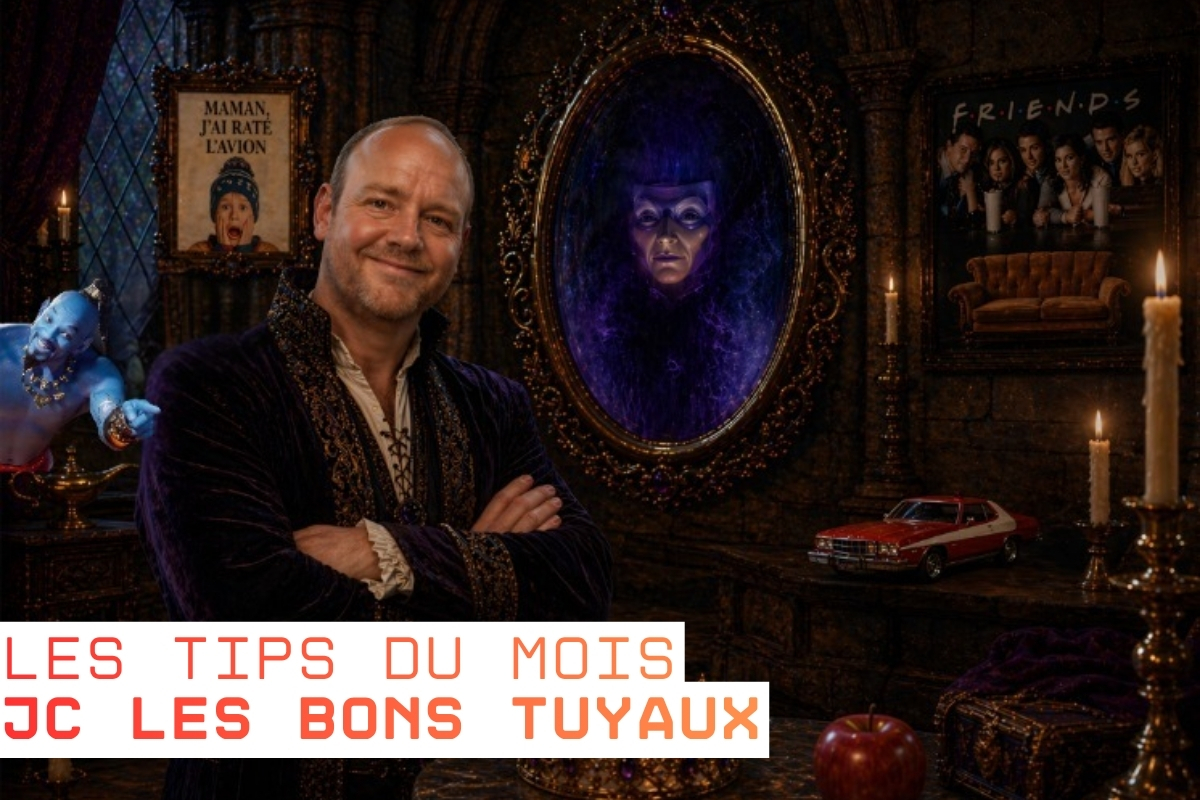
La plus belle vitrine de notre métier... c'est toi ! - Photo générée par IA GPT

CroisiEurope


Mirror, mirror on the wall… tell me who is the fairest – or the handsomest?

In the thick of the EDV congress month at Disneyland, admit that the introduction was almost mandatory. All that was missing were Mickey’s ears and the soundtrack.

But behind the Snow White reference lies a real issue: our profession suffers from a genuine image deficit. It isn’t new, but it is intensifying. And as in Home Alone, if we don’t anticipate… we may end up defending our trade alone while stereotypes settle comfortably on the couch.

In the top 3 misconceptions held by travelers, you’ll always find the same classics, like a rerun episode shown for the 100th time on a Sunday afternoon on television:

Travel agencies, do they still exist?

“What are they for?”

“Agencies are expensive, they take large margins.”

“Agencies only do standard packages.”

The best of the worst.


Common Misconceptions: Why Agencies Need to Speak Up Again

These misconceptions circulate everywhere: forums, blogs, Facebook groups… but also in the discourse of some travel planners and their trainings.

Those who sell you a magical world in the Aladdin vein, with a travel notebook that is “magical,” personalized advice and a promise of total freedom… until the moment the flying carpet begins to wobble and, oddly enough, you need a real travel agency to handle what comes next.

At this rate, there will soon be more trainings than active travel planners. The ’90s boy band vibe: lots of launches… few that endure.

So inevitably, the question comes up again: “But what do EDV do?” And sometimes: “What does the CDMV do?”

The answer is simple: they do their utmost. To borrow the spirit of The Lion King, you cannot always flee from what you are. And above all, you are never better served than by yourself.

Good news nonetheless: the EDV have launched a video campaign on social networks and YouTube. Result: 1.62 million views on YouTube for more than 2.43 million ad displays. The video is here: www.youtube.com/watch?v=uPu5nck7ECU

That’s already excellent visibility. But if you compare it to the French population, it barely accounts for a little over 2%. In other words, there is still a lot of ground to cover.


Find all JC’s tips by clicking here


Pricing, Advice, Expertise: Setting the Record Straight

And here is where everyone can play their part. Sharing, mailing, a LinkedIn post, a well-placed comment… In the spirit of Friends, it isn’t just one person who makes the series: the strength of the collective drives success.

But a tool remains a tool: it’s up to you to use it, to relay it and to keep it alive.

Mailings, social networks, LinkedIn, comments… all are fair game. Because if you don’t do it, no one else will do it for you.

And then, between us, these chronics are also there for that. Inspector gadget mode: we pull a few handy tools from our hat to avoid ending up in “Go-Go-Gadget to the rescue.”

The first ambassador of our profession is you. Yes, you. Not your shop, not your logo, not your website. You, with your message, your energy, your expertise.

Because today, the client buys not only a trip. They buy a person. A contact. A trust.


You Must Be Visible, Present, Active

And if everyone plays their role at their level, little by little, the image evolves. It isn’t instantaneous – we’re not in a Charmed episode – but it works.

Let’s take the first misconception: “Travel agencies still exist? What are they for?”

Yes, they exist. Spoiler: otherwise, I wouldn’t be writing this column.

But today, merely existing is no longer enough. You must be visible, present, active. And above all, you must articulate it. Again and again. Because no one will say it better than us.

Because today’s client buys more than a trip. They buy a person. A contact. A trust.

What is the purpose of a travel agency? To save time, often money, and above all to travel safely. And that is for us, travel agents, to explain this clearly to our clients, to our prospects, on our networks, in our quotes, in our conversations.

A small reminder worth stating – and a nod to you, the traveler reading TourMaG 😉: when you book a package online, you already book… through a travel agency.

OTAs, the big online players, platforms and private-sale actors are also registered, either in France or in Europe under the freedom to provide services – the famous LPS.

The difference? The human. The availability. The responsiveness. And that difference is for us to make visible.

Because when everything goes well, everyone is good. But when things go wrong… it’s not the same music. Here, we move from Spice Girls Wannabe to a much less fun remix.

Second misconception: “Agencies are expensive, they skim a lot.”

That one… it comes up more often than a Madonna hit.

The reality is simple: no, we are not rolling in gold.

We are far from the fake news of 20, or 30% margins sometimes imagined by travelers… or kindly spread by some. And even when it concerns a trip in Europe, VAT on margin must be subtracted – that pesky VAT that reminds you that even in tourism, the fairy tale has a tax line.

Again, your role is essential: explain, demystify, reassure.

Because the day something goes wrong, what an agency handles far exceeds the margin actually earned. Modifications, assistance, relocation… We are far from a simple “click to book”.

An agency is a bit like a super insurance. Except that sometimes, even insurance doesn’t cover what we handle daily.

And a useful reminder: in most cases, the quote and the advice are free. So paying 150, 300 or 500 euros for advice outside a professional framework… each will make their choice. Let’s just say it isn’t always “the best deal”.

Third misconception : “Agencies only do standard.”

Again, we could make a whole saga out of it. But to keep it simple: today, you are a Swiss Army knife: creator of experiences, travel architect, and expert in bespoke travel.

And above all, travelers increasingly choose a person over a firm. We are in the era of personal branding, storytelling, proximity. Yes, even in tourism.

A nod to Friends: what matters isn’t only the scenery… it’s the characters.

So, mirror, mirror on the wall… who is the fairest – or the handsomest?

The real question isn’t there.


Frédéric Savoyen, co-host of the “Illegal Trade” Commission of Entreprises du Voyage


JC, whose real name is Jean-Charles Franchomme, has been active in tourism for more than 20 years.

Since 2024, he serves as a groups and web sales executive at Steam Evasion, where he leverages his dual on-the-ground and digital expertise.

He is also the founder of the Facebook community “100% trips, good deals and expertise” which brings together 3,800 travelers.

An entrepreneur at heart, he also co-founded two influential Facebook groups in the sector: CDMV (Collective for the Defense of Travel Professions) and Helpdesk for Tourism Professionals, which have become essential exchange spaces for professionals.

Hyper-regionalization: Evaneos to Redistribute Tourism Flows Across Europe


Hyper-régionalisation : Evaneos veut redistribuer les flux touristiques en Europe - Photo Evaneos

CroisiEurope


Evaneos poursuit sa stratégie de décarbonation à horizon 2030 et accélère sa transformation de l’offre européenne. L’entreprise ambitionne de passer d’une trentaine de pays référencés à 150 sous-régions afin de sortir des itinéraires classiques concentrés sur quelques grandes destinations touristiques.

« Depuis le démarrage d’Evaneos, nous avons un objectif de lutte contre le surtourisme, notamment à travers une meilleure répartition des flux, explique Aurélie Sandler, co-CEO d’Evaneos. Notre conviction, c’est qu’il y a matière à créer du désir pour des régions qui ne sont pas forcément top of mind. »

L’Italie illustre cette stratégie. Alors que Florence accueille près de 13 millions de visiteurs par an, Evaneos souhaite davantage valoriser des régions comme l’Ombrie ou l’Émilie-Romagne.

« Juste à côté de la Toscane, il y a l’Ombrie, qui est une région sublime mais encore assez méconnue », souligne Aurélie Sandler.

Pour la plateforme, le défi consiste à encourager les voyages en Europe sans renforcer les phénomènes de saturation déjà observés dans certaines destinations.


Recréer le désir autour des destinations proches

Au-delà du référencement de nouvelles régions, Evaneos veut aussi transformer les imaginaires du voyage. La plateforme estime que les voyageurs associent encore trop souvent le dépaysement aux destinations lointaines.

« On a tendance à imaginer la découverte et la surprise dans le voyage uniquement sur du lointain. Pourtant, les expériences totalement inattendues près de chez soi », estime Aurélie Sandler.

L’entreprise mise donc sur des itinéraires plus immersifs. Le slow travel devient un axe fort de développement, avec des séjours plus longs et une exploration plus approfondie des territoires.

« On a souvent tendance à vouloir voir beaucoup de choses. Mais en réalité, les expériences les plus fortes naissent quand on reste plus longtemps dans un même endroit », poursuit-elle.

Parmi les exemples mis en avant par Evaneos figurent des itinéraires en train dans les pays nordiques ou encore des séjours dans des régions moins fréquentées comme les Asturies en Espagne ou l’Alentejo au Portugal.


Une stratégie alignée avec les objectifs carbone

Cette hyper-régionalisation s’inscrit dans la stratégie de décarbonation d’Evaneos à horizon 2030. La plateforme travaille sur plusieurs leviers : développer les voyages de proximité, favoriser les mobilités douces et encourager l’allongement des séjours.

Le train prend déjà une place croissante dans l’offre du groupe. « Les voyages ferroviaires représentent aujourd’hui près de 10 % des ventes européennes et ont triplé en moins de trois ans », souligne Aurélie Sandler.

L’entreprise a également décidé d’arrêter les city breaks.

« On ne prend pas l’avion pour moins de cinq jours, ajoute-t-elle. Quand on fait un voyage lointain, il doit y avoir une cohérence entre le trajet effectué et le temps passé sur place. »

A lire : Evaneos impose des durées minimales de séjour pour les voyages en avion


Un important chantier opérationnel

Cette évolution implique aussi une transformation du réseau de partenaires de la plateforme. Evaneos compte aujourd’hui plus de 600 agences locales partenaires et souhaite renforcer la place d’acteurs très spécialisés sur certaines régions.

« L’idée, c’est aussi d’aller chercher de petites agences ultra-locales, capables de raconter leur région autrement et de créer des expériences plus immersives », explique Aurélie Sandler.

Le projet de référencement des 150 régions est déjà en cours. Une première phase doit être visible en France d’ici la fin de l’année avant un déploiement progressif sur d’autres marchés européens comme l’Allemagne, l’Italie ou l’Espagne.

À terme, Evaneos prévoit de développer près de 300 itinéraires régionalisés à travers l’Europe.


Caroline Lelievre Publié par Caroline Lelievre Journaliste – TourMaG.com
Voir tous les articles de Caroline Lelievre

  • picto Twitter
  • picto Linkedin
  • picto email
Ajoutez TourMaG à votre flux Google Actualités Google Actualités icône