
World Rivers: The New Horizon for Cruise Travelers


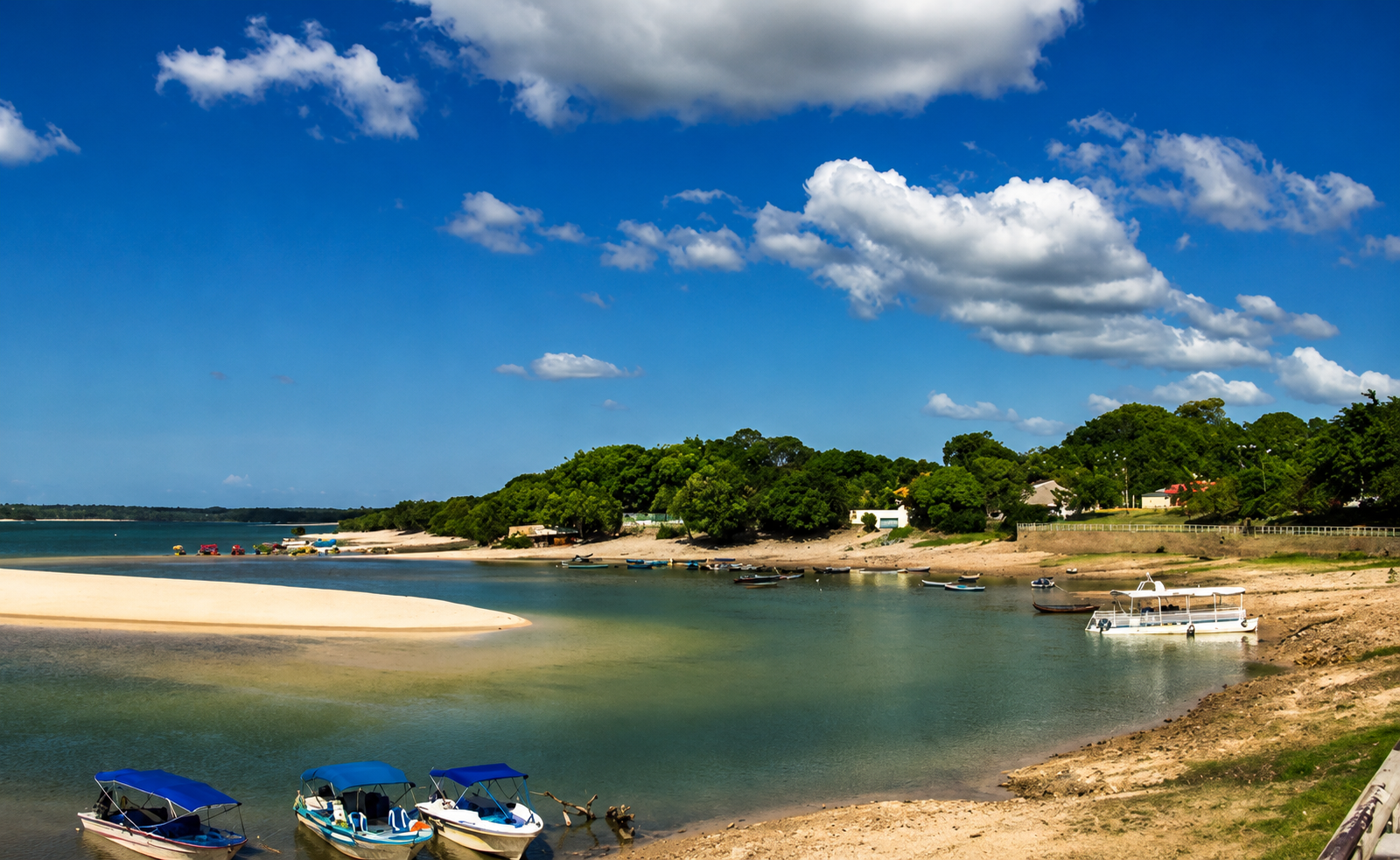
Les plages de sable blanc d'Alter do Chão, sur les rives du Tapajós, l'un des principaux affluents de l'Amazone, offrent un visage méconnu de l'Amazonie brésilienne - DepositPhotos.com, Pedarilhos

CroisiEurope


For decades, river cruising has revolved around Europe’s grand classics.

Danube, Rhine, Seine, Douro… So many itineraries that have become staples for travelers drawn to the proximity of cities, the richness of heritage, and the comfort of serene navigation.

But as the market matures, a new trend has asserted itself in recent years: the most loyal travelers now look far beyond the Old Continent.


“Customers typically begin with the big classics, like the Douro or the Danube. Once these routes are completed, they seek new rivers, new cultures, and new experiences,” summarizes Alain Souleille, president of Rivages du Monde.


A new ship on the Mekong for Rivages du Monde

An evolution that perfectly illustrates the industry’s transformation: today, nearly 90% of Rivages du Monde’s activity is devoted to river cruising.

To meet this demand, the specialist continues expanding into destinations that are still off the beaten path, such as the Congo.

From autumn 2026, a new ship built in Vietnam, the Romance, will begin service on the Mekong.

More spacious, featuring large panoramic windows, a spa, and solar panels, it caters to guests who now seek both comfort and immersion.

“Rivers are living arteries that allow you to venture into regions that are otherwise hard to access, crossroads of cultures, wildlife, and unique ecosystems. The landscapes vary from port to port, with cities, communities, and villages along the banks sharing immense cultural wealth. Often, the boat is simply the best way to discover these regions,” explains Lionel Rabiet, president of Voyages d’Exception.


Voyages d’Exception’s favorites for India and China

Beyond Europe, the head of the company and its marketing director Mathieu Ramus often cite the Brahmaputra in the Indian state of Assam. “It is one of Asia’s mightiest rivers. It traverses an India that few travelers know, weaving through tea gardens, traditional villages, and national parks home to one-horned rhinoceroses, elephants, and Bengal tigers.”

For Lionel Rabiet, it is a route designed “for travelers who wish to discover an authentic, still relatively unexplored India.”

In India, still, the operator notes that the backwaters of Kerala offer an immersion into a calmer India along the waterways, where daily life continues to revolve around water. This itinerary is notably undertaken aboard the RV Kochi Pandaw, an intimate ten-cabin vessel.

Further east, the Yangtze lets travelers traverse imperial China amid landscapes that the road cannot reveal.


The Amazon as CroisiEurope’s new exploration frontier

Another favorite is the Tapajós, a tributary of the Amazon. “White-sand beaches, waters of a deep blue… a Caribbean-like paradise in the heart of the Amazon, distant from the clichés of green hell,” describes Lionel Rabiet, who sees it as one of the continent’s most pristine and least explored regions.

This diversification has also become a strategic axis for CroisiEurope. After navigating the Nile, the Ganges, the Mekong, and Southern Africa, the company is now preparing its entry into the Amazon.

In 2027, the Brasilian Dream will enter service, a new Brazil-built vessel offering three itineraries on the Amazon, the Rio Negro, and the Tapajós, with the aim of revealing a more intimate Amazon near local communities and biodiversity.

Far-flung destinations are already a cornerstone of its international portfolio.

In Southern Africa, CroisiEurope combines navigation on the Zambezi and Lake Kariba with overland safaris to Victoria Falls. On the Mekong, between Vietnam and Cambodia, the company focuses on immersion in Southeast Asia—among stilt villages, floating markets, Khmer temples, and rice paddies.


Nil: the dahabeyas bring the wind back to the heart of the cruise


Laurent Guéna Published by Laurent Guéna Journalist – TourMaG.com
See all articles by Laurent Guéna

  • picto Linkedin
  • picto email
Add TourMaG to your Google News feed Google Actualités icône


Canal du Midi: 30 Years of UNESCO Recognition — Still the Engine of Inland Waterway Tourism


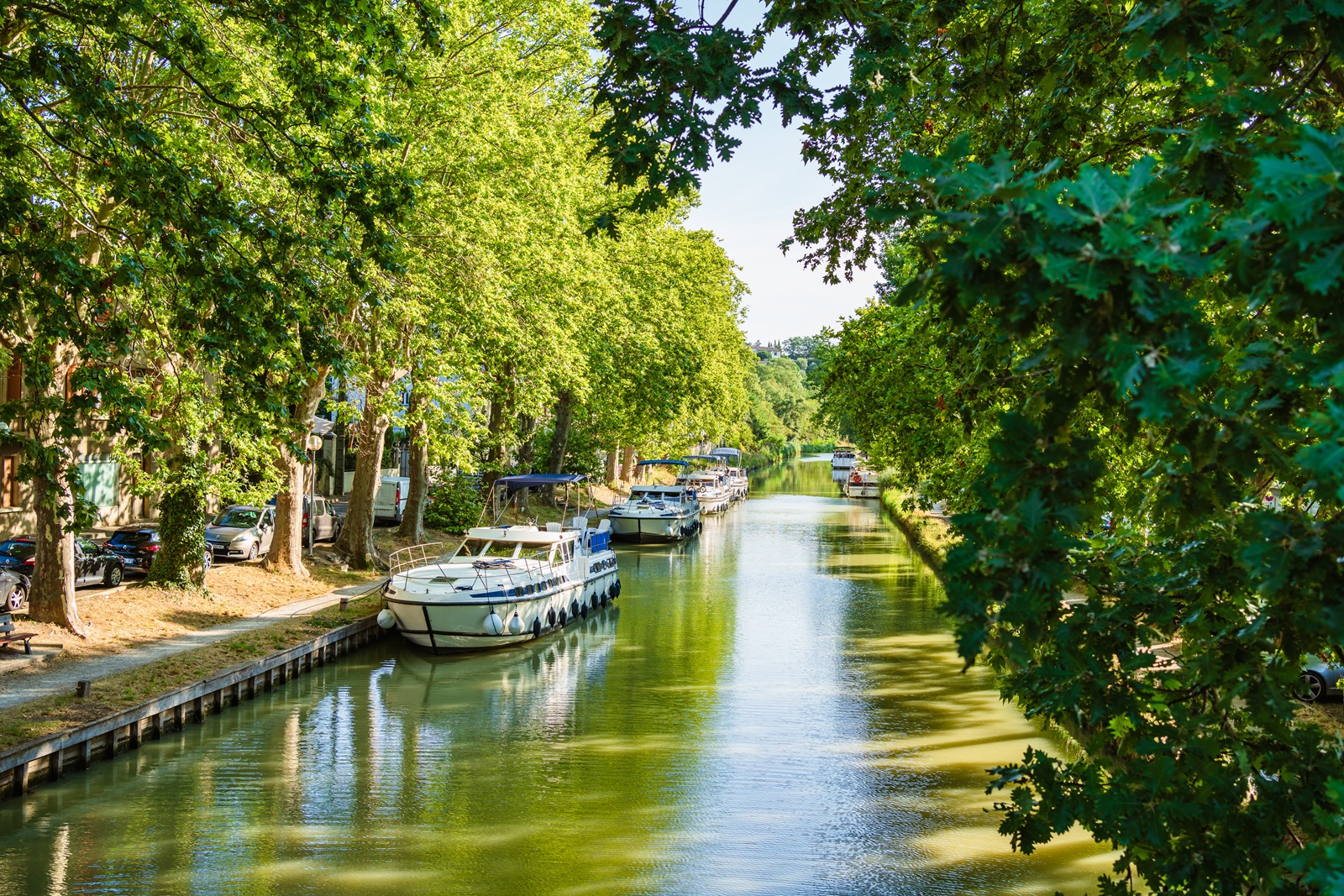
Inscrit au patrimoine mondial de l'UNESCO depuis 1996, le Canal du Midi célèbre cette année les trente ans de son classement. Une reconnaissance qui a conforté son statut de locomotive du tourisme fluvial français - DepositPhotos.com, pabkov

CroisiEurope


You don’t simply visit the Canal du Midi. You traverse it.

At the wheel of a license-free boat, by bicycle along the towpaths, on foot in the villages or from the terrace of a winery, everyone designs their own itinerary.

It is undoubtedly this ability to offer multiple ways of traveling that explains why, thirty years after its UNESCO World Heritage inscription, the Canal du Midi remains the emblematic destination of French inland-waterway tourism.

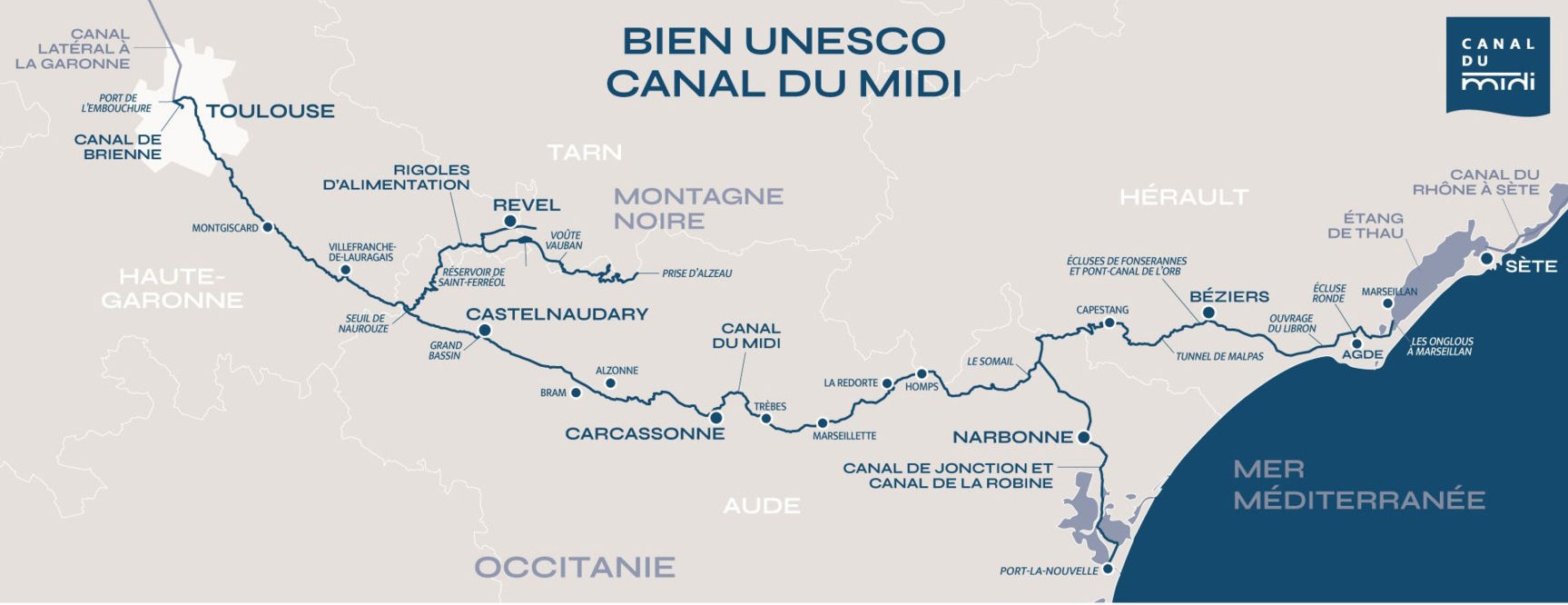
When UNESCO distinguished, in 1996, this feat imagined by Pierre-Paul Riquet in the 17th century, it saluted as much an engineering masterpiece as an exceptional cultural landscape. Four centuries later, the 240 kilometers linking Toulouse to the Étang de Thau remain navigable and continue to shape the territories they traverse.

The canal also constitutes the central link in a genuine waterway crossing of France, connecting the Atlantic to the Mediterranean thanks to the Canal de Garonne. A continuity that underlines the singularity of the Canal des Deux-Mers. Today, a recreational boater can still travel from Bordeaux to Sète without leaving inland waterways.


The locomotive of river tourism

The UNESCO designation has greatly contributed to the Canal du Midi’s international renown. Today, it accounts for nearly 30% of French inland-waterway tourism, a status that professionals observe each season.

« Our number one destination remains the Canal du Midi, ahead of Burgundy », confirms Anne-Fleur Noual, marketing director of Riverly. This position illustrates the enduring appeal of this waterway among both French and international audiences.

European leader in no-license boat rental, Le Boat also makes it one of its flagship destinations. The operator notes that the Canal du Midi accounts for almost 30% of its bookings made in France and presents it as a “living heritage”, discovered as much along the water as at the stops.


The Canal du Midi: the laboratory of “fluvestre” tourism


Le Canal du Midi, le canal des Deux-Mers qui relie l'Atlantique à la Méditerranée grâce au canal de Garonne - Photo Canal du Midi

This success is also explained by the evolution of practices. The Canal du Midi is no longer limited to navigation: it has become one of the best illustrations of the “fluvestre” tourism, where experiences on the water naturally extend onto land.

Boaters alternate cycling along the towpaths, visits to Carcassonne, Castelnaudary or Le Somail, tastings in the Minervois vineyards and gastronomic discoveries. Cyclists, for their part, traverse the 240 kilometers from Toulouse to Sète, sometimes in three days, sometimes in a week, at the pace of villages and locks.

This complementarity between navigation, gentle itineraries, heritage and gastronomy today makes the Canal du Midi far more than a simple nautical destination. It makes it a fully-fledged tourist destination, capable of appealing to boaters as well as cyclists or wine-tourism enthusiasts.


The water challenge

The Canal du Midi owes its success not only to its history or its landscapes. To stay navigable, it now undergoes increasingly refined management in response to climate change.

« The years 2022, 2023 and 2025 were marked by episodes of severe drought in the Adour-Garonne basin, which concentrates a significant portion of the national water deficits » explains Jean Niquet, head of the Infrastructure, Water and Environment Service of Voies navigables de France Sud-Ouest.

Despite these conditions, the network operator has managed to preserve tourist activity. « On the Canal du Midi, navigation was nonetheless maintained at 99.8% of traffic during these difficult years. On the Canal latéral à la Garonne, no interruptions were recorded », he notes.

To achieve this, VNF has profoundly adapted its hydraulic management. « We raised the Saint-Ferréol dam operating level by 12%, organized water transfers from Montagne Noire to Ganguise, and implemented targeted restrictions at the end of the season », details Jean Niquet.

Beyond these adaptations, VNF also continues replacing the plane trees affected by the colored canker, the maintenance of civil engineering works and the preservation of landscapes that earned the Canal du Midi its World Heritage inscription.


River Cruises: Exceptional Journeys with Music at the Heart of the Journey


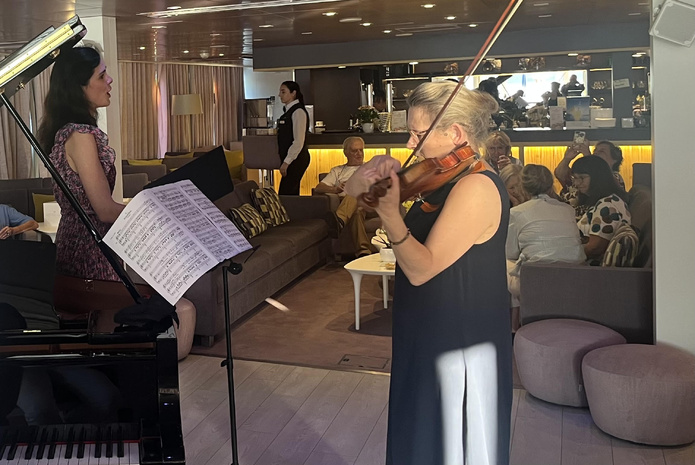
La violoniste Sophie Lemonnier-Wallez assure la direction artistique des croisières musicales de Voyages d'Exception depuis presque dix ans @LG

CroisiEurope


Since 2017, Voyages d’Exception has been developing a distinctive offering on European rivers: cruises where music is not merely a soul-soothing addition, but the guiding thread of the journey.

The idea came from Lionel Rabiet, founder of the tour operator. «At the time, musical cruises were mainly designed for the sea. He quickly perceived the potential of river cruising», explains Mathieu Ramus, Voyages d’Exception’s marketing director.

This potential first lies in geography. The Danube, the Rhine, the Moselle, or the Rhône cross cities and regions where a portion of European musical history has been written.

« Performing a work as close as possible to the region where it originated gives it a particular resonance. The river was not a backdrop, but a thread », he continues.


A Renowned Violinist as Conductor


« Jouer une œuvre au plus près de la région qui l’a vue naître lui donne une résonance particulière. Le fleuve n’était pas un décor, mais un fil » explique Lionel Rabiet - Photo Voyages d'Exception

To give substance to this ambition, Voyages d’Exception has relied for nearly ten years on Sophie Lemonnier-Wallez, a violinist and the artistic director of these programs.

Her role is central: she designs the line-ups, brings together the artists, imagines the ensembles and selects concert venues, from Baroque churches to historic theatres.

On board, the size of riverboats also enables an unusually close proximity between passengers and performers. Travelers attend concerts, and sometimes even rehearsals. They interact with the musicians, discover the works through talks, and extend the experience during stops.


Tested and Approved by TourMag

TourMaG had the opportunity to observe this in June 2025, aboard CroisiEurope’s Douce France, chartered by Voyages d’Exception on the Danube.

From Vienna to Budapest, via Bratislava, the concerts by pianist Paul Beynet, mezzo-soprano Maria Mirante, and Sophie Lemonnier-Wallez offered a different perspective on the regions traversed.

Among the highlights: a concert in the Baroque church of Dürnstein, or a recital in Franz Liszt’s apartment in Budapest.

“The river offers above all what no other format truly allows: a slow pace that gives time to listening, and a human scale. Our ships host about a hundred travelers, recreating the conditions of a chamber music salon.”, sums up Mathieu Ramus.

The product naturally attracts seasoned music lovers, but not only. Voyages d’Exception also appeals to curious travelers who are sensitive to music without being specialists. The Francophone guidance, talks and contextualization of the works help make the program accessible. “You don’t need to be a connoisseur to enjoy them.”, insists Mathieu Ramus.


An Ambitious 2027 Season

In 2027, Voyages d’Exception unveils its most ambitious musical program to date, featuring five river cruises, including three new ones: Symphonies Along the Flanders and the Netherlands in June, The Danube Musical: from Budapest to the Black Sea, also in June, and Cruise Art & Music on the Rhône from Lyon to Arles in October.

The season will also include two engagements already identified by the tour operator’s clientele: Romantic Rhine Cruise with Franck Ferrand in September, and a Musical New Year’s Eve on the Seine in December.

Across all departures, Voyages d’Exception keeps the same signature: programs crafted specifically for each voyage, blending seasoned soloists and rising talents, under the artistic direction of Sophie Lemonnier-Wallez.

The musical cruise also helps to build a loyal following among discerning, cultured travelers, often seniors, but not closed to first-time cruisers. For river travel has another advantage: it provides reassurance. No rolling seas, no overnight at sea, stops in the heart of cities, and a gentler pace. For a traveler drawn to music but still hesitant about the cruise world, this is an ideal entry.


River Port Operations Manager: The Hidden Job That Makes All the Difference


Un responsable d'escale n'est pas là pour accueillir un bateau, il est là pour préparer son arrivée - DepositPhotos.com, kateafter

CroisiEurope


I didn’t wear the stripes, but I was in charge of my destination. For nearly twenty years, that sentence summed up my daily life as a port-of-call manager.

Over the seasons, some captains even greeted me with a smile: “The Pitbull of Caudebec has arrived!”

A nickname given with much affection, because they knew that, if I could help them, I would always do so. But they also knew that when it was time to remind a safety rule, enforce a procedure or settle a delicate situation, I would not yield.

At the time, this sometimes led to some lively discussions. Today, when I meet some of these captains, they tell me again about those little frictions, laughing. It just shows that they mostly gave way to a genuine relationship of trust.

I wasn’t a captain. I wore no insignia. Yet I was responsible for everything that awaited the ship on land. And that is perhaps the most beautiful definition of the job of a port-of-call manager.


A profession that goes unnoticed… until it does not exist

Contrary to common belief, a port-of-call manager isn’t there to greet a ship. They are there to prepare its arrival.

Well before the vessel docks, they coordinate local stakeholders, anticipate difficulties, share useful information and ensure that everyone has the elements they need to work calmly.

The captain is responsible for his ship, his crew, his passengers and on-board safety.

The port-of-call manager is responsible for onshore reception conditions.

Two different responsibilities, one common goal: to offer a smooth, safe and enjoyable call. And above all, to entice companies to come back!


Anticipate rather than repair

We often imagine that our job consists of solving problems. In reality, our greatest achievement is precisely preventing them.

I recall the commissioning of a new pontoon. The first vessel was due to arrive around four in the morning. I was on the quay. The Seine pilot, surprised to see me at that hour, said: “What are you doing here?” I simply replied: “It’s the first use of this pontoon. I want to see how the maneuver and the docking unfold.”

Once the boat was moored, I felt reassured. I knew I could tell the following captains that everything worked perfectly.

This scene perfectly sums up this profession: being present before a problem arises, checking before reassuring, observing before asserting.

A demonstration, works, a change in circulation, a power outlet out of service or important information for the crews… nothing should be discovered at the last minute.

And when an unforeseen event occurs despite everything, of course we must find a solution, but above all understand why it happened so it does not recur.

A procedure to clarify, information to convey earlier, an organization to adjust: every difficulty should help improve the next call.


The bridge between the shore and the sea

The port-of-call manager is above all a facilitator.

They understand the constraints of captains and crews, but also those of local authorities, tourism offices, merchants, sightseeing sites, technical services, quay managers and security services.

They must know how to speak all languages: the language of the shore, that of elected officials, that of tourism, and that of economic partners.

Their role is to circulate information, foster understanding and build a relationship of trust, because a successful call does not rest solely on a quay or infrastructures: it rests above all on the women and men who make it possible.


A deeply human adventure

For nearly twenty years, the captains taught me as much as I offered them. They knew their vessel inside out; I knew my territory inside out.

As the seasons passed, a genuine relationship of trust was built.

Some captains would simply call me on arrival: “Hello Aurélie, we’re arriving soon!”

Of course, we spoke about the call. But I also had the chance to share with them the major moments of their lives. I was invited to weddings, to baptisms, I shared their joys as well as their worries. I even received a photo of a newborn before the company was informed.

Sometimes, a simple glance or a simple call was enough to understand that we needed to adjust an organization or to convey information before it became a problem.

This trust, built call after call, is surely the most beautiful reward of this job. Because beyond the quays, the procedures and the schedules, there are above all women and men who pursue the same objective.


A responsibility in service of an entire destination

The port-of-call manager is probably one of the few professionals who works for cruise lines, crews, local authorities, tourism offices, merchants, sightseeing sites and, of course, passengers, all at once.

Their role is to bring together all these interests toward a common goal: a successful call.

When crews are well welcomed, they work in better conditions.

When local actors are informed and coordinated, visitors fully enjoy the destination.

When companies find reliable interlocutors, they naturally want to return.

Cruise passengers, for their part, generally will never meet the port-of-call manager. And that is rather good news. Because when a call is perfectly prepared, everyone can simply enjoy their day without imagining all that happened behind the scenes.

Passengers will carry memories of a wonderful discovery; companies will remember a destination where it is easy to work; and crews will run into, call after call, familiar faces.

Because at heart, a successful call is not only the one where no one noticed any difficulties. It is also the one where you want to return, as much for the destination as for the women and men who bring it to life.

Read also: Our special dossier dedicated to river cruising


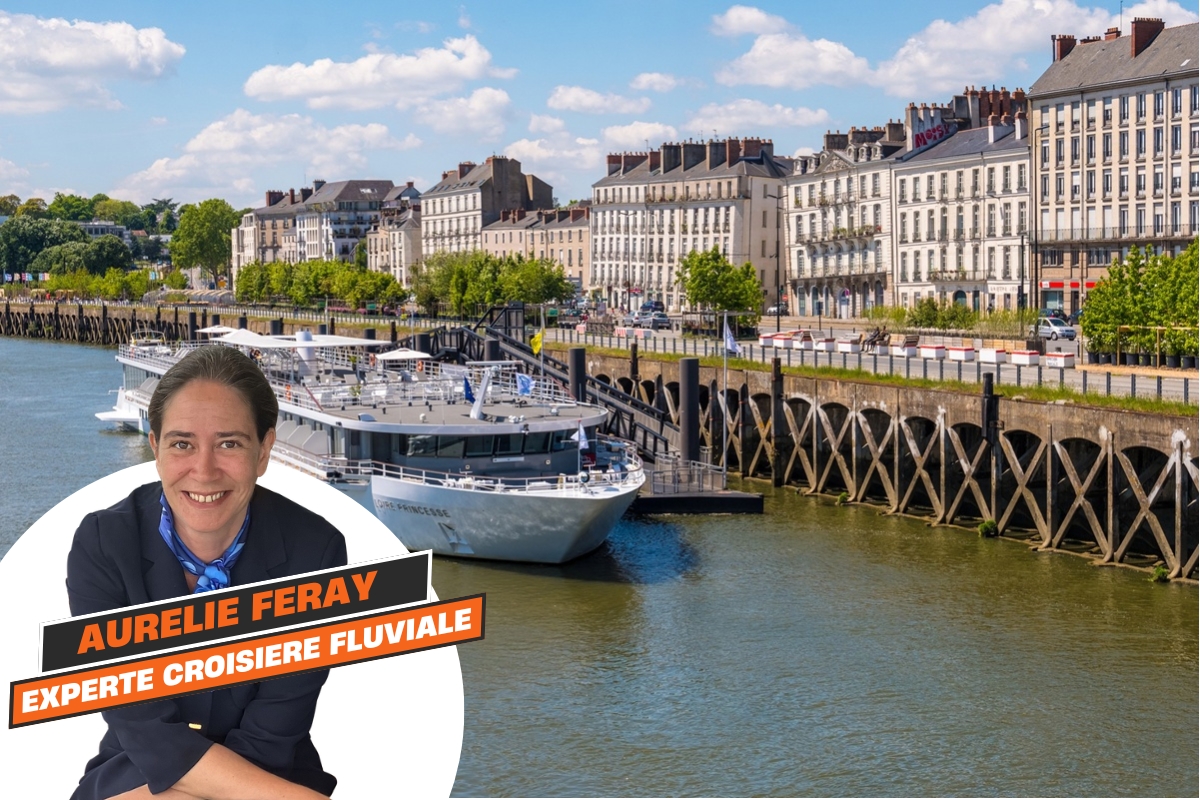
About Aurélie Feray


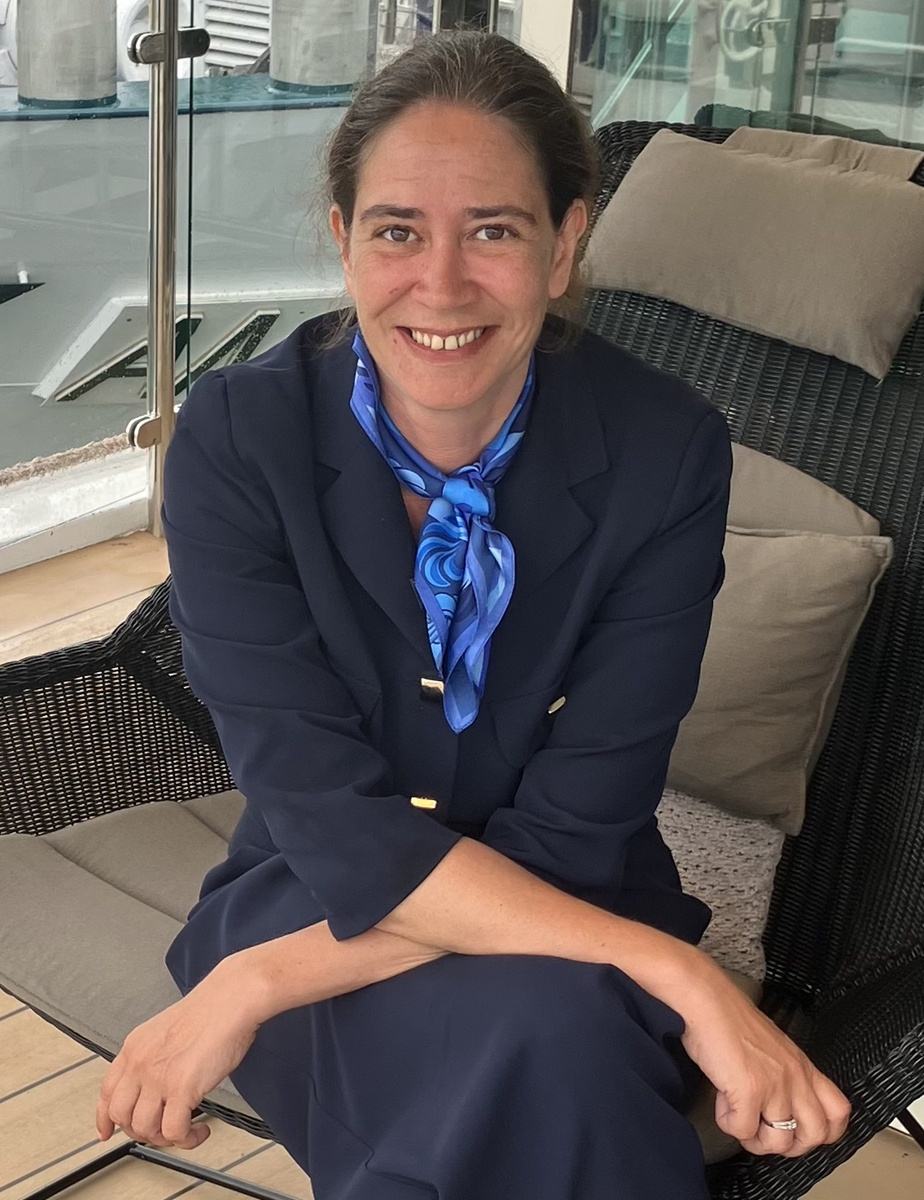
Aurélie Feray - Photo : AF Fluvial Conseil

Founder of’AF Fluvial Conseil, Aurélie Feray supports territories and actors in river tourism on the challenges of port calls, passenger experience and tourism development.

Through her chroniques, she shares a ground-level view of the backstage of river tourism, the functioning of port calls and the links between boats, crews, destinations and travelers.

Contact : [email protected]

A Blue World: Connecting River Cruise Operators with French Ports of Call


Lyon est l'une des principales escales des croisières fluviales françaises. Un Monde Bleu y organise les excursions et coordonne les prestations terrestres pour le compte de tour-opérateurs internationaux - DepositPhotos.com, Panther Media Seller

CroisiEurope


Pour le passager, tout paraît simple. Le bateau accoste, un autocar attend sur le quai et, quelques minutes plus tard, le groupe prend la direction d’un domaine viticole, d’un village ou d’un grand site touristique.

Derrière cette apparente fluidité se cache pourtant une organisation complexe.

Guides, transporteurs, restaurateurs, musées, domaines viticoles, hôtels : une croisière fluviale mobilise à chaque escale de nombreux prestataires.

C’est précisément le rôle d’une agence réceptive comme Un Monde Bleu, qui fête cette année ses trente ans. Son métier : prendre en charge toute la partie terrestre des programmes proposés en France par ses clients, principalement des tour-opérateurs étrangers.

« Nous pouvons nous occuper de toute la gestion touristique à partir du moment où le client pose le pied sur le territoire français », résume Loïck Andamaye, directeur produits et développements du DMC.


From the airport to the ship

The agency’s history is closely linked to the development of river cruising in France.

In its early days, under the name Route Marine, the organization accompanied the first operations of a German-speaking shipping company that aimed to position a vessel on the Rhône.

Its role already consisted of organizing the land portion: excursions, transportation, seeking sightseeing sites or wine estates capable of welcoming passengers.

Thirty years later, the principle remains the same, but the scope has expanded considerably. Today the agency operates across the various French river basins and can also organize pre- or post-cruise stays. Paris, Geneva, Champagne, Brittany or the Côte d’Azur can thus be integrated into multi-day programs.

For a cruise on the Rhône, for example, American passengers can begin their journey with three days in Paris. Un Monde Bleu then arranges airport reception, transfers, the hotel and excursions, before guiding the group to Lyon by TGV.

The agency can even handle luggage separately to the ship and organize an activity between the train’s arrival and embarkation time.


A single point of contact for foreign tour operators


Loïck Andamaye, directeur Produits et Développements d'Un Monde Bleu - Photo : UMB

Une fois la croisière commencée, elle est en mesure d’orchestrer les excursions à chaque escale, mais également certaines animations à bord : démonstrations, spectacles ou interventions d’artistes locaux.

Pour les tour-opérateurs, l’intérêt est de disposer d’un interlocuteur unique capable d’organiser les prestations sur l’ensemble du territoire français.

Cette position fait également de l’agence une porte d’entrée pour les acteurs locaux souhaitant travailler avec la croisière fluviale.

« Une petite cave du Beaujolais peut difficilement entrer directement en contact avec une grande compagnie internationale. Son message risque de se perdre. Notre rôle est justement de faire l’interface entre le local et le tour-opérateur », explique Loïck Andamaye.

Encore faut-il pouvoir répondre aux contraintes de l’accueil des groupes. Capacité, sanitaires, horaires d’ouverture, accessibilité des autocars ou capacité à réagir à une modification d’itinéraire : l’agence accompagne également les prestataires dans leur adaptation aux exigences de cette clientèle.


The advisory role is growing

Car les imprévus font partie du quotidien. Une écluse en panne ou une modification de navigation peut décaler une escale de plusieurs jours. Le tour-opérateur prévient alors son agence réceptive, qui réorganise l’ensemble de la chaîne : guides, autocars, restaurants et sites de visite.

Le métier évolue cependant. Pendant longtemps, les compagnies demandaient essentiellement des excursions classiques : visite de Lyon, découverte du Beaujolais ou grands incontournables parisiens. La concurrence entre les opérateurs et la volonté de rajeunir la clientèle changent désormais la donne.

« Les compagnies nous demandent davantage de produits actifs, des excursions à vélo ou des randonnées. Certaines réfléchissent aussi aux croisières familiales », souligne Loïck Andamaye.

Cette évolution a conduit Un Monde Bleu à créer un département Produits et Développements. Son travail commence désormais très en amont de l’exploitation. L’agence travaille déjà sur des programmes pour 2028.

Elle doit aussi éviter que les compagnies, pourtant concurrentes, ne proposent toutes les mêmes visites au même moment.

Lorsqu’une dizaine de bateaux sont présents simultanément dans une destination, il faut répartir les départs des autocars, décaler les horaires et diversifier les excursions. Une manière de préserver l’expérience des passagers, mais aussi de limiter la pression sur les territoires et leurs habitants.

Lire aussi : Responsable d’escale fluviale : ce métier de l’ombre qui fait toute la différence


Climat, nouvelles destinations et saisons plus longues


A strong demand for France

For Loïck Andamaye, the French potential remains substantial. If the Rhine and the Danube still concentrate most of the European fleet, demand for France remains strong.

The main constraint today would be less commercial than capacity-related: tour operators sometimes struggle to find available ships, and transferring a ship from one river basin to another represents a significant investment.

But prospects remain favorable. « Clients love France and want to include it in their programs. There are ships leaving the market, especially when they are replaced, but there are more arrivals than departures », estimates Loïck Andamaye.

These prospects should further strengthen the role of these discreet intermediaries.


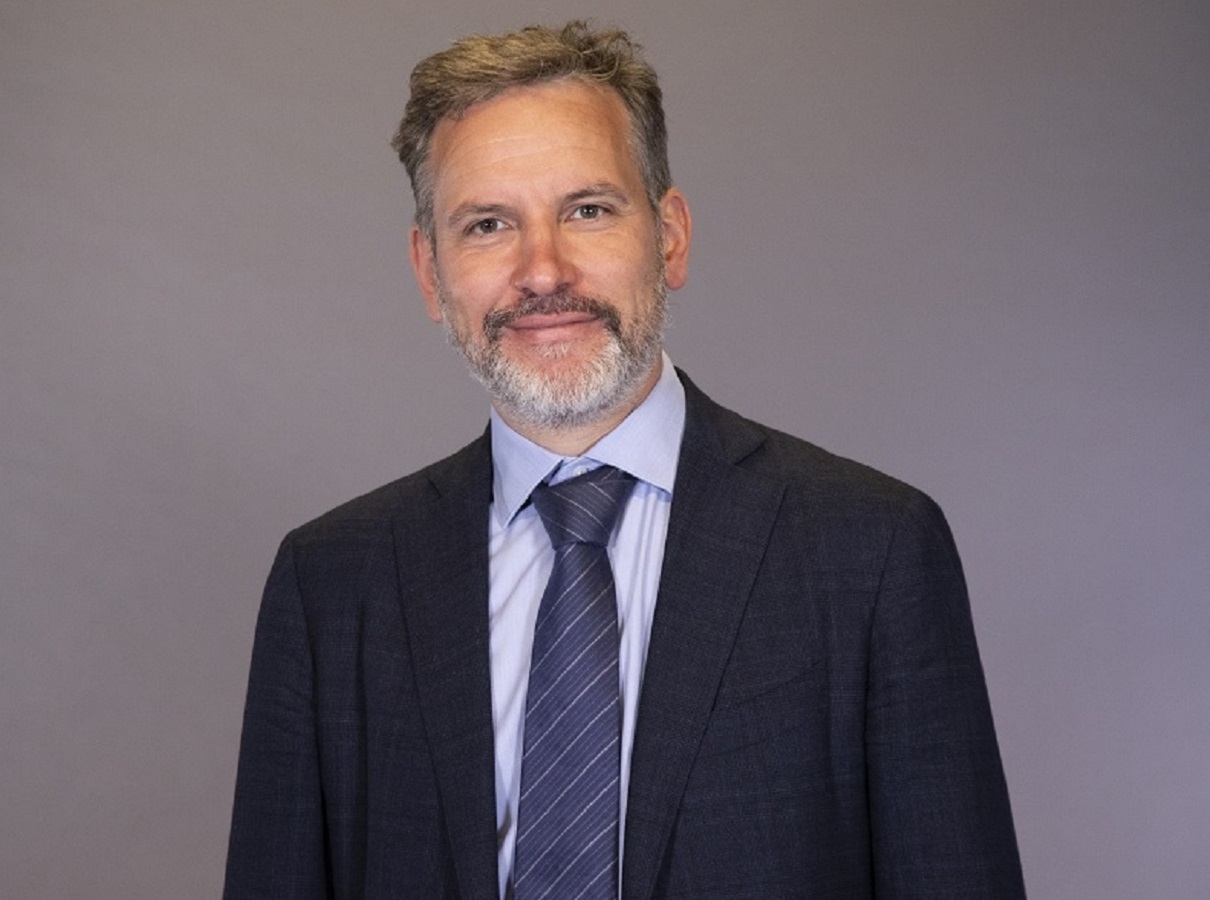
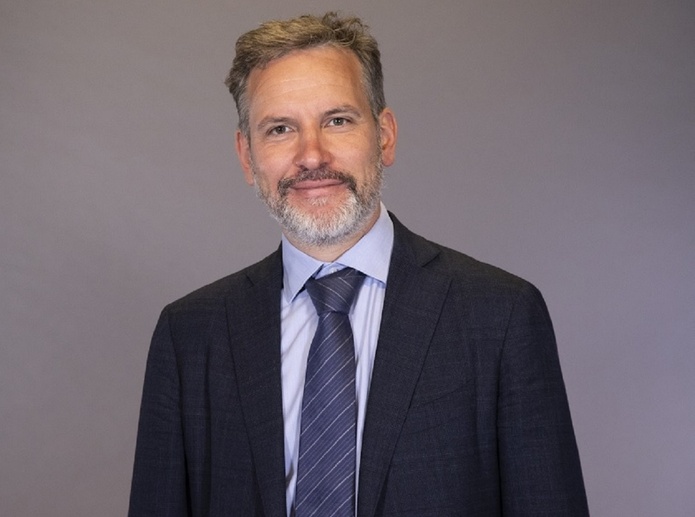
Laurent Guéna Published by Laurent Guéna Journalist – TourMaG.com
See all articles by Laurent Guéna

  • picto Linkedin
  • picto email
Add TourMaG to your Google News feed Google Actualités icône

One Road, Many Voices, One View: Live from the Australian Outback on TourMaG


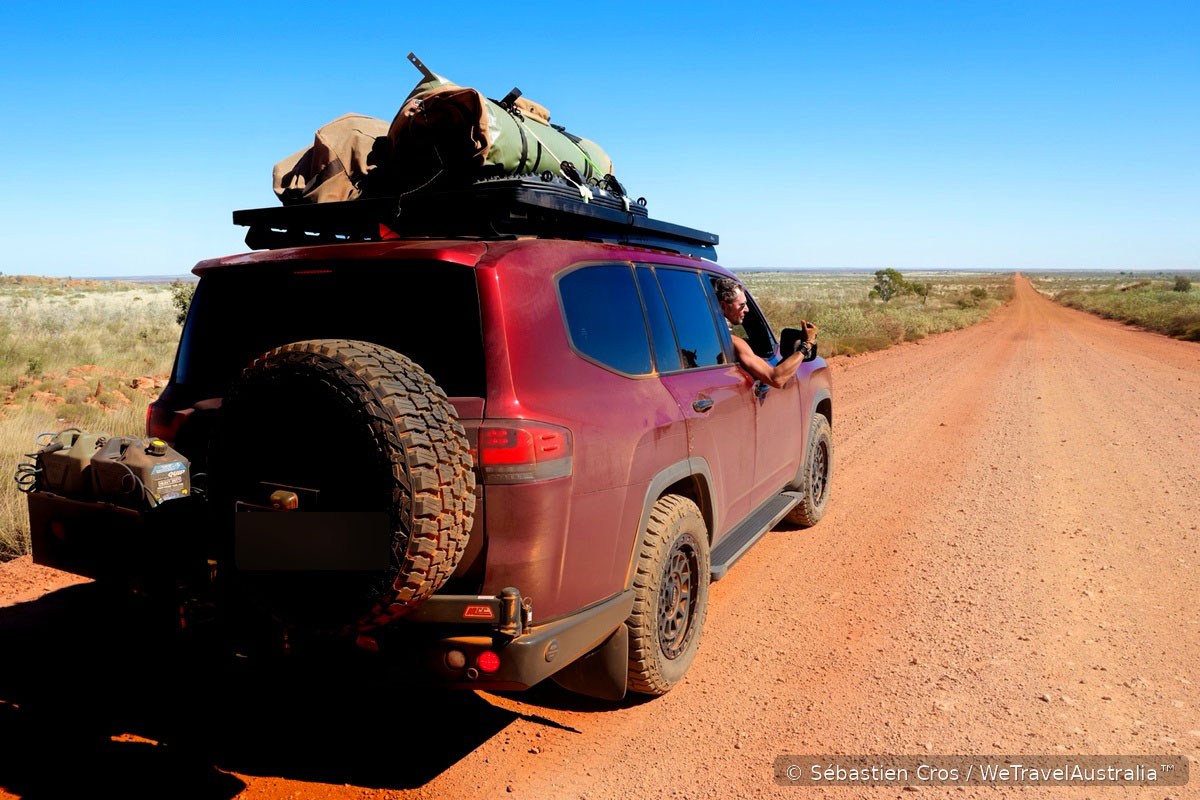
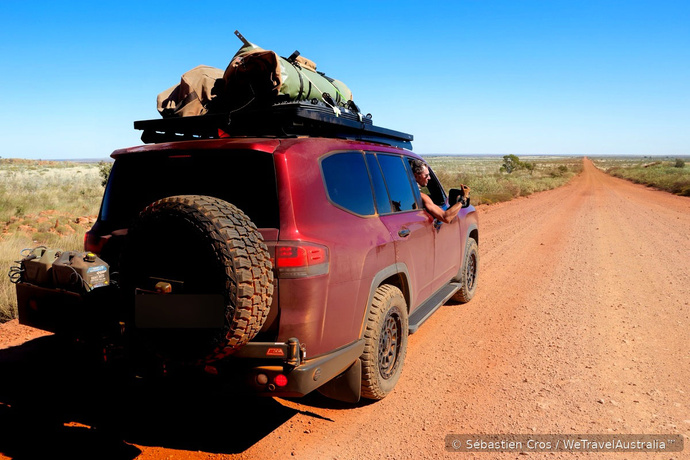
Dès le 24 juillet prochain, suivez une expédition à travers l’Outback australien, avec Sébastien Cros et sa nièce Marion, en live sur TourMaG - Photo : Sébastien Cros - WeTravelAustralia™

CroisiEurope


July 24, 2026, our Land Cruiser will depart Semaphore, near Adelaide, heading toward Broken Hill.

This will mark the start of The Soul of the Earth, an editorial expedition imagined with TourMaG around a simple thread: one road, voices, one gaze.

The idea was born from a realization. For twenty-five years, I have organized journeys across Australia and helped reveal its great icons: Sydney, the Red Centre, the Great Barrier Reef, the beaches. An Australia that is magnificent, but tells only part of the country.

There is another one. Inner more. Quieter. Still largely unknown to French travelers, but accessible to those who take the time to prepare it seriously. One of endless landscapes, the cultures of the First Nations, bush families, and communities that have learned to live with isolation, distances and the elements.

Elements that can be brutal at times. In recent weeks, unusual rains have isolated certain communities and closed several routes. But the same water that cuts the tracks also greens the Channel Country. Vegetation returns, birds gather, and this territory, usually so dry, reveals a face that few travelers will have the chance to observe.


The Highlights of the Itinerary

The journey will plunge into the Queensland Outback. A landscape of towns and communities shaped by cattle farming, mining, rodeos, camel racing, and a deep bond with the land.

For more than three weeks, the route will traverse western New South Wales and the Queensland Outback: Tibooburra, Thargomindah, Quilpie, Isisford, Longreach, Winton, Mount Isa, Boulia, Bedourie and Birdsville. The return, already redesigned by the state of the tracks, will pass through Windorah, Noccundra, Tibooburra and Broken Hill.

The first Outback lesson, even before departure: it’s not always the traveler who decides the route.

A key moment of the expedition, the Mount Isa Mines Rodeo will grant us access behind the scenes of one of the largest rodeos in the southern hemisphere. We will meet the women and men who today sustain its community renaissance.

Aboard, two generations and two viewpoints. Mine, after twenty-five years spent organizing trips and now telling their stories. That of Marion, my niece and operations chief, who will discover Australia by road for the first time.


A Live Dashboard to Track the Adventure on TourMaG


To accompany this adventure, TourMaG inaugurates a live dashboard developed with WeTravelAustralia™ (the live will begin on July 24).

An evolving map will allow you to follow the itinerary. Photos, videos, field notes, interviews and encounters will progressively feed the travel journal.
The aim is not to turn the journey into a content race, but to show what traveling through the Outback truly means: monitoring the weather, checking the tracks, anticipating fuel, listening to locals and accepting that the country may redraw the route at any moment.

A road. Voices. A gaze.

See you HERE on July 24 for the first turns of the wheels.

Cruise Deal: Save Up to 60% on the Second Passenger for 2026 Departures


An Exclusive Promotion on CentralCruise!

Visuel généré par IA © CentralCruise

CroisiEurope


On CentralCruise’s site, an exceptional offer is highlighted that allows you to obtain up to 60% off the second passenger, accompanied, depending on certain cruises, by a discount of up to €200 per cabin.

As with any limited-time offer, this will only be possible on certain cruises. Thus, the cabins benefiting from this reduction can be booked quickly, especially on the most sought-after itineraries. In other words, if you wait too long, the discount is likely to no longer be available!

With more than 15 years of experience, CentralCruise supports its clients before, during, and after their booking, with a dedicated advisor and no processing fees. Among the agency’s advantages, in addition to the 60% reduction on the second passenger, you have the option to travel with more than 30 partner companies for a wide choice of destinations, and bookings with no processing fees.


How to Take Advantage of This Great Plan for Your Future Cruise?

Not sure how to take advantage of this great deal? No worries, this offer is accessible in just a few steps. Before booking, however, it is advisable to verify that the cruise you want to book indeed meets the promotion’s conditions to benefit from your discount.

Choose a cruise on CentralCruise

The first step is to choose an itinerary that matches your wishes. CentralCruise offers cruises to numerous destinations, with different companies, several departure ports, and a wide variety of stay durations. Regardless of your budget, you can thus select a trip tailored to your departure period and your desires.

Check cruise availability and application of the promotion

Not all cruises are covered by this discount, which is why it is necessary to verify that the cruise appears among the promotional offers, and that cabins are still available.

Moreover, remember that promotions are offered on a selection of cruises, so their availability changes hour by hour with bookings!

Book your cruise

Once your choice is validated and the promotion confirmed, all that remains is to finalize the booking. For this, when necessary, CentralCruise supports travelers during this step, and even offers several payment options.


Visuel généré par IA © CentralCruise


And you, what will be your destination of choice?

2026 is a dream opportunity to set off on a world cruise. Whether you’re seeking sunshine, natural landscapes, or a culturally rich itinerary, many destinations are within reach.

The Mediterranean

The Mediterranean remains a must-see destination for a first cruise. It allows you to discover several countries in one trip, with stops in historic cities and renowned seaside resorts. Departures from Marseille, Barcelona, Genoa, or Venice offer numerous itinerary possibilities on CentralCruise.

The Caribbean

For those who dream of white-sand beaches, turquoise waters, and a tropical climate, the Caribbean remains a highly appreciated destination. On CentralCruise, you’ll find companies offering departures throughout the upcoming winter season, with different itineraries to better explore the islands within a single cruise.

The Fjords and Northern Europe

Travelers drawn to spectacular landscapes can favor the Norwegian fjords or Northern Europe. Between mountains, waterfalls, coastal villages, and long summer days, these itineraries offer an experience completely different from Mediterranean cruises.

The Greek Islands

Finally, the Greek islands captivate with their historic heritage, whitewashed villages, and crystal-clear waters. This destination will let you alternate between cultural sightseeing, seaside relaxation, and discovering several islands during the stops, all while enjoying particularly pleasant weather conditions.

France-Vietnam Cooperation: Hanoi Seeks to Attract French Tourism Professionals


Hanoï donne rendez-vous aux professionnels français le 4 août à Paris - DepositPhotos.com, monticello

CroisiEurope


More than 276,000 French visitors explored the streets of Hanoi in 2025, marking a spectacular 32% increase in a single year.

Building on this momentum, the City of Hanoi plans to take advantage of its visit to Paris to present to French stakeholders the full range of cooperation opportunities offered by the capital.

Coordinated with the support of VNCT (Vietnam Culture & Tourism in Europe Association), this meeting will be held on Tuesday, August 4, 2026, from 5:00 p.m. to 7:30 p.m. at the Artemis Hall in the Batignolles Space, located at 18 Rue de la Condamine in Paris’s 17th arrondissement.

The event is primarily aimed at tour operators, travel agencies, tourism professionals, airlines, companies, investors, institutional bodies, and specialized journalists.

It should provide a platform to address investment, trade and sustainable development opportunities alongside leading speakers, notably Mr. Nguyễn Ánh Dương, Vice-Director of the Hanoi Department of Industry and Trade, Mr. Nguyễn Trần Quang, Vice-Director of Hanoi’s Department of Tourism, and Ms. Lê Y Linh, President of VNCT in France.

The delegation aims to place this event within the continuity of a decentralized cooperation that is already rich and long-standing, conducted notably with Paris, the Île-de-France Region, Toulouse, and other French institutional partners.


Targeted opportunities and direct exchanges with the delegation

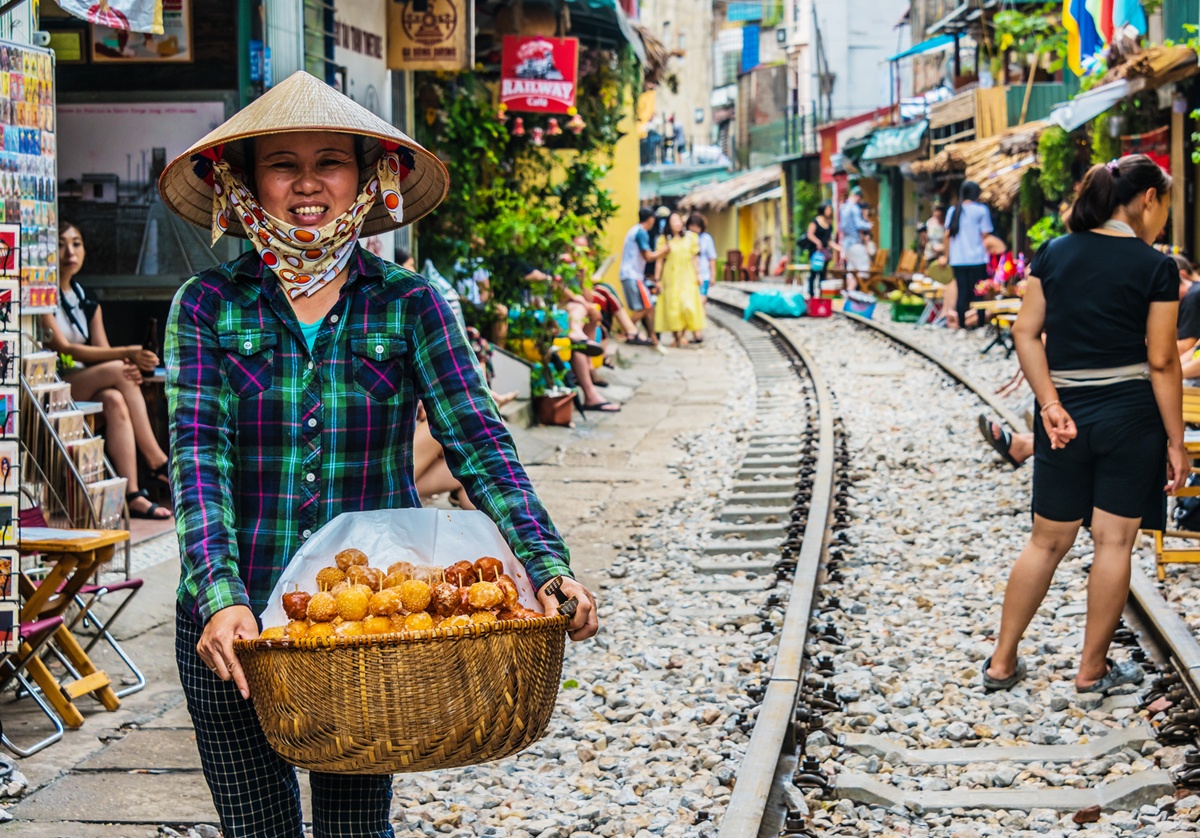
On this occasion, Hanoi seeks to better showcase the diversity and richness of its offerings: its historical heritage, its renowned Old Quarter, its remarkable architecture, its cuisine, its traditional craft villages, as well as its cultural tourism and new urban experiences.

Positioning itself as a capital that is both heritage-rich, modern, innovative, and sustainable, the city aims to attract more French partners in strategic areas for its future.

Because beyond the development of trade and investments, the challenge is to intensify tourist flows in both directions.

The partnership opportunities particularly cover urban infrastructures, transportation, logistics, ecological transition, new technologies, creative industries, as well as high-quality agri-food sectors.

An ambition that also fits within the framework of the city’s new investment promotion campaign unveiled in July, which foresees new incentive mechanisms and announces hundreds of investment projects.

This initiative relies on an unprecedented master plan with a 100-year projected development vision, aimed at speeding up the digital transition and materializing about fifty strategic agreements, notably on green and sustainable transport.


A program paced between official briefings and networking

Designed to foster operational contacts and partnerships between actors from the two countries, the event will unfold around two main moments:

  • 5:00 PM – 5:15 PM: Welcome of participants at Espace Batignolles.

  • 5:15 PM – 6:15 PM: Official opening sequence, presentation of the Hanoi delegation, remarks by institutional representatives and a detailed briefing on the investment environment, economic activities and the capital’s tourist potential.

  • 6:15 PM – 7:30 PM: Networking and B2B exchange session to discuss concrete cooperation prospects, accompanied by a presentation of Vietnamese gastronomy and a professional cocktail.

Tourism professionals can register via this link

Saint-Nazaire, Le Havre, Marseille: MSC World Asia’s Very French Launch


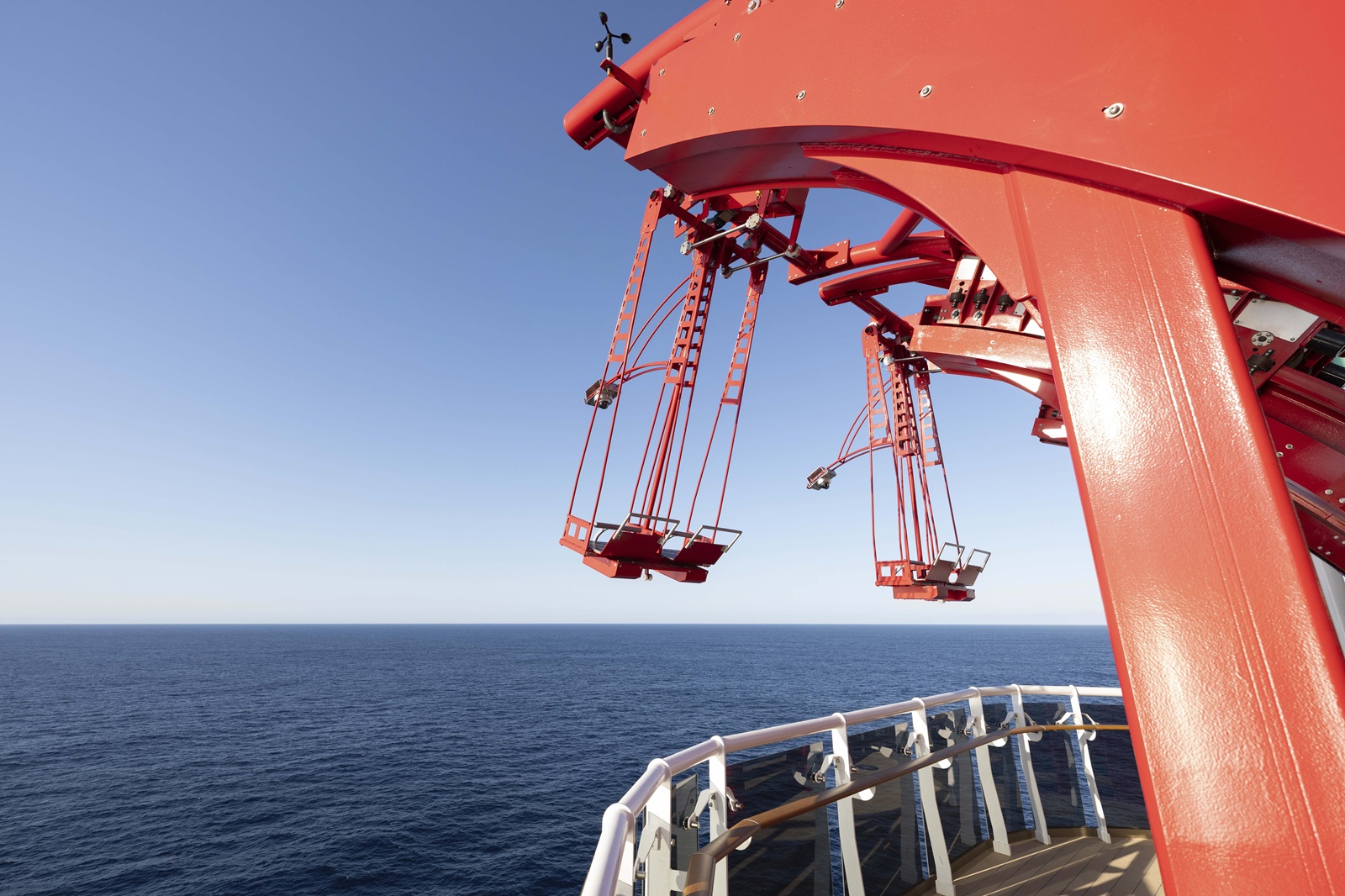
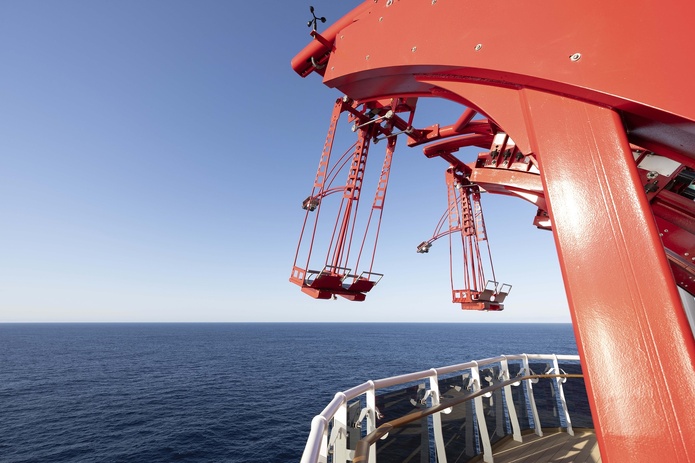
Parmi les nouveautés du MSC World Asia, Cliffhanger, une balançoire suspendue à 50 mètres au-dessus de la mer - Photo : MSC Croisières

CroisiEurope


France will be at the heart of the early days of the MSC World Asia.

The third ship of MSC Cruises’ World class will be delivered on November 25, 2026 by Chantiers de l’Atlantique in Saint-Nazaire, before performing its inaugural sailing and then being officially christened in Le Havre on November 28.

The liner will then join the Mediterranean, where it will kick off its inaugural season starting December 4, 2026.

It will offer seven-night itineraries in the Western Mediterranean, with embarkations notably in Barcelona and Marseille, as well as calls in Messina, Civitavecchia, Naples and Valletta. Passengers will be able to embark at each of these ports.

Beyond its inaugural schedule, this sequence highlights the long-standing partnership between MSC Cruises and Chantiers de l’Atlantique.

Since 2002, the company claims to have invested more than €21 billion in France through the construction of 19 ships, contributing to the maintenance of 7,500 direct jobs and a network of more than 500 French companies.


New attractions and immersive experiences

The arrival of the MSC World Asia also marks the commercial launch of the 2026-2027 winter season in the Western Mediterranean.

The ship will notably be offered from Marseille, which has, over the years, become one of MSC Cruises’ main embarkation ports for French guests.

The company continues to unveil the new features that will distinguish the World Asia from its two predecessors.

Among them are Cliffhanger, a swing suspended 50 meters above the sea, as well as a new version of The Spiral Tree of Life, the spectacular dry slide of more than 80 meters integrated into the ship’s architecture.

The MSC Luna Park Arena will also offer a new generation of immersive entertainment experiences.


Gastronomy: Southeast Asia in the spotlight

The culinary offering will be enriched by a space inspired by Southeast Asian street markets, bringing together a pan-Asian restaurant, street food and a dedicated bar.

The Italian house Venchi will also open its largest space at sea there, featuring a boutique, café, gelateria and Chocolate Lab spanning nearly 300 m².

Families will have access to a fully redesigned Family Aventura District, with The Clubhouse and The Harbour spaces, while the MSC Aurea Spa will inaugurate a new wellness offering.

In total, the ship will boast more than 40 bars and restaurants, seven pools, thirteen hot tubs, as well as an expanded entertainment offering for all generations.

TourMaG will follow the different stages of the MSC World Asia launch, from its delivery in Saint-Nazaire to its christening in Le Havre, before its commercial entry into the Mediterranean.

Air Canada Deploys Airbus A321XLR on Nantes–Montreal Route


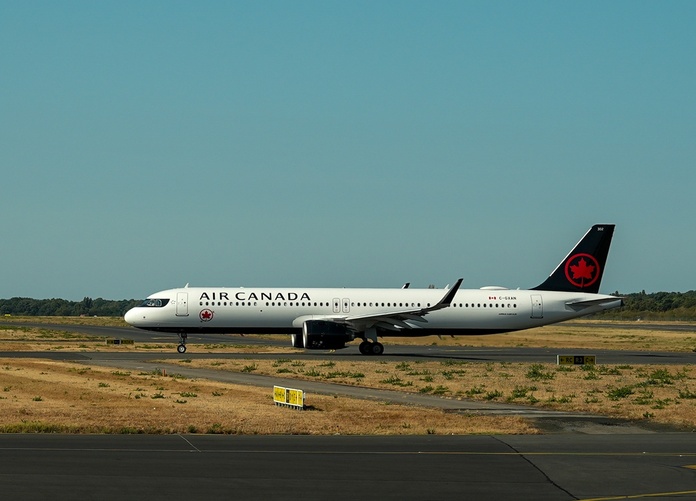
Air Canada déploie son Airbus A321XLR sur la liaison Nantes - Montréal - Photo : Aéroport Nantes Atlantique

CroisiEurope


Air Canada poursuit le développement de sa présence dans l’Ouest de la France.

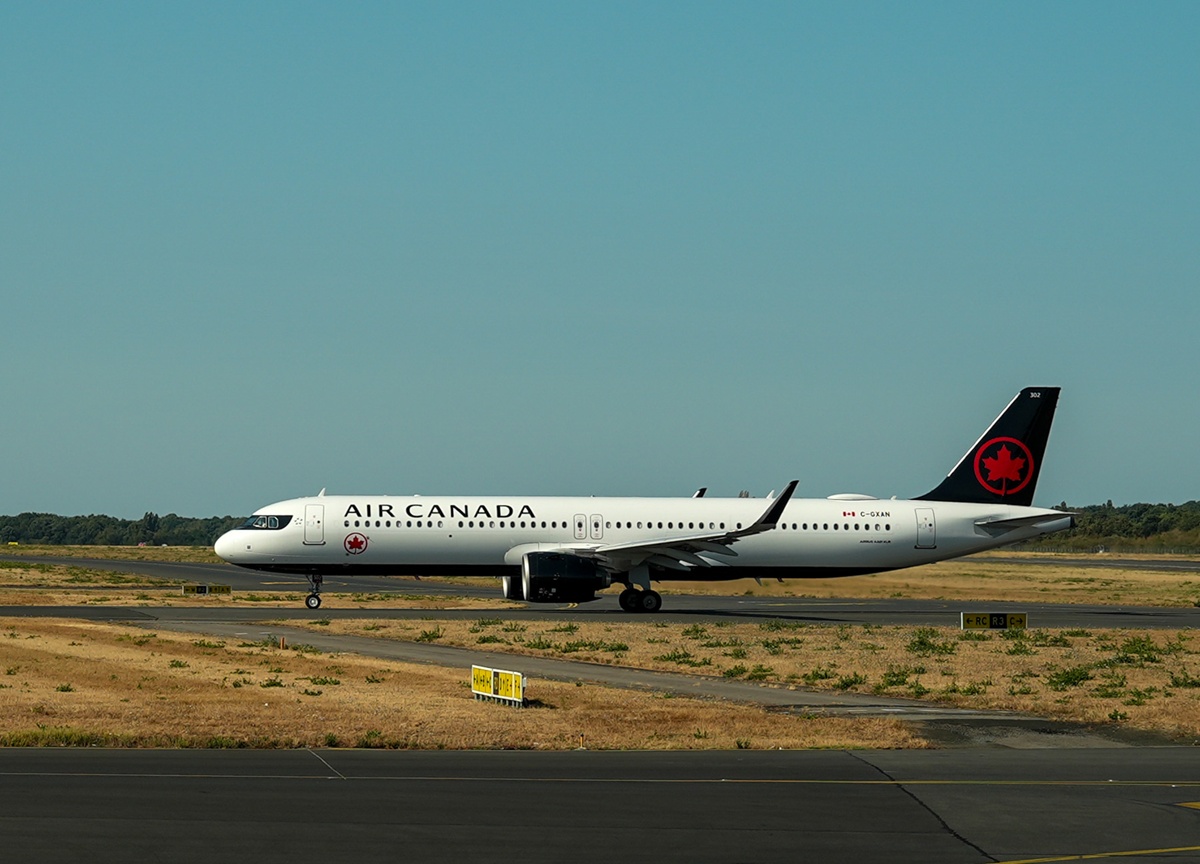
La compagnie canadienne a déployé, jeudi 23 juillet 2026, son nouvel Airbus A321XLR sur la liaison directe entre Nantes et Montréal.

Lancée le 11 juin dernier, cette route saisonnière permet aux voyageurs de rejoindre le Canada sans escale depuis Nantes.

Depuis son hub de Montréal, Air Canada propose ensuite des correspondances vers près de 150 destinations au Canada, aux États-Unis, dans les Caraïbes et en Amérique du Sud.

Le service sera assuré jusqu’à quatre fois par semaine jusqu’au 12 octobre 2026.


Un appareil de nouvelle génération

The latest aircraft to join Air Canada’s fleet, the Airbus A321XLR, features an extended range and is expected to enable the airline to improve the operational efficiency of its long-haul routes.

Its fuel consumption optimized compared with earlier-generation aircraft also helps reduce its environmental footprint.

On board, passengers can travel in two service classes. The Air Canada Signature Class cabin includes seats that can fully recline flat, while Economy benefits from the airline’s latest generation of onboard entertainment and improved connectivity.

The arrival of our new Airbus A321XLR in Nantes marks an important milestone for this new route, which has been off to an excellent start since its launch in June“, said Jean-François Raudin, the France representative for Air Canada, in a statement.

For the airline, deploying this aircraft on the Nantes–Montreal route reflects the trust placed in the Nantes market and, more broadly, in Western France. “Our customers now benefit from an even more comfortable travel experience, while enjoying direct access to Montréal and straightforward connections to nearly 150 destinations in the Americas“, adds the Air Canada representative.


Un appareil qui met en avant la filière aéronautique régionale

The arrival of the A321XLR is also being highlighted by Nantes Atlantique Airport. “This next-generation aircraft, parts of which are produced in Nantes and Saint-Nazaire, embodies the excellence of the region’s aerospace industry“, notes Guillaume Dubois, director of Nantes Atlantique Airport – VINCI Airports.

According to him, deploying the aircraft on this route helps to strengthen the Greater West’s international connections, while meeting travelers’ and territories’ growing expectations for environmental efficiency.

Passengers travelling to the United States can also continue to benefit from the US preclearance service available at Montréal-Trudeau International Airport.

The US immigration and customs procedures can thus be completed in Montréal before departure, allowing travelers to arrive in the United States as if on a domestic flight.


Amelia Brille Published by Amelia Brille TourMaG.com Editor
See all articles by Amelia Brille

  • picto Linkedin
  • picto email
Ajoutez TourMaG à votre flux Google Actualités Google Actualités icône