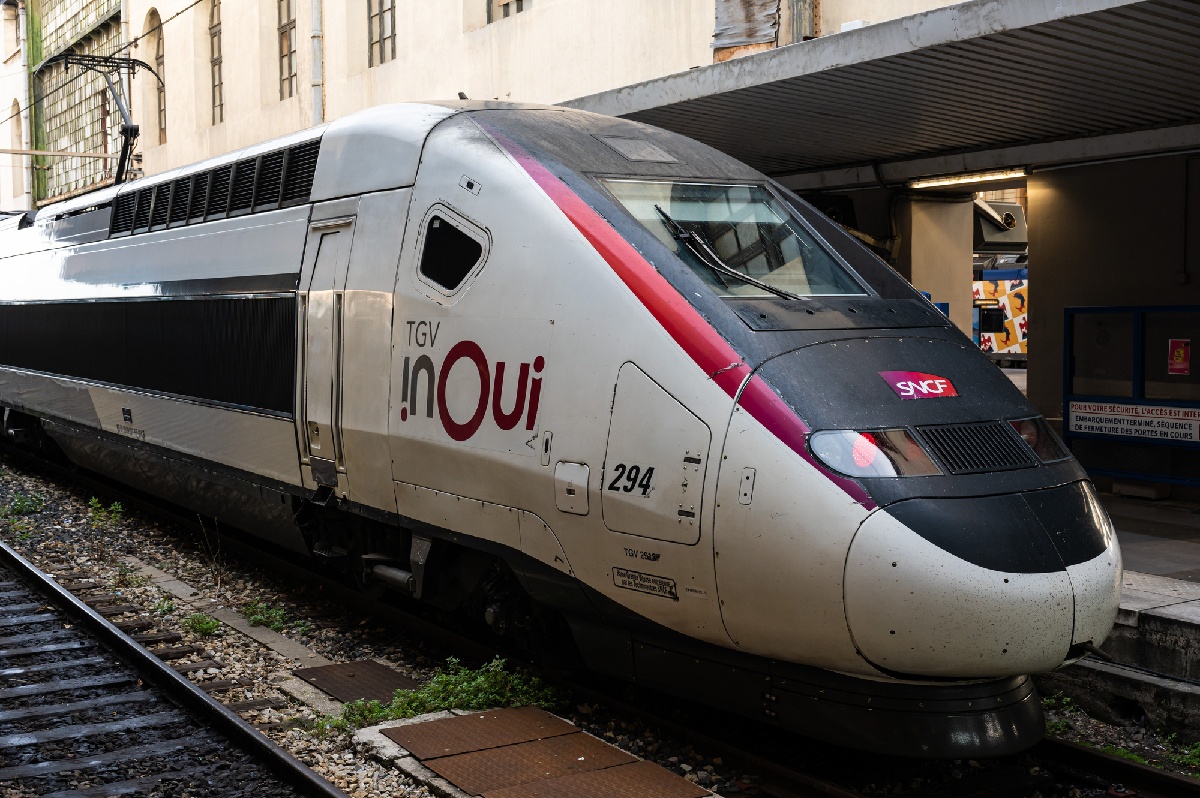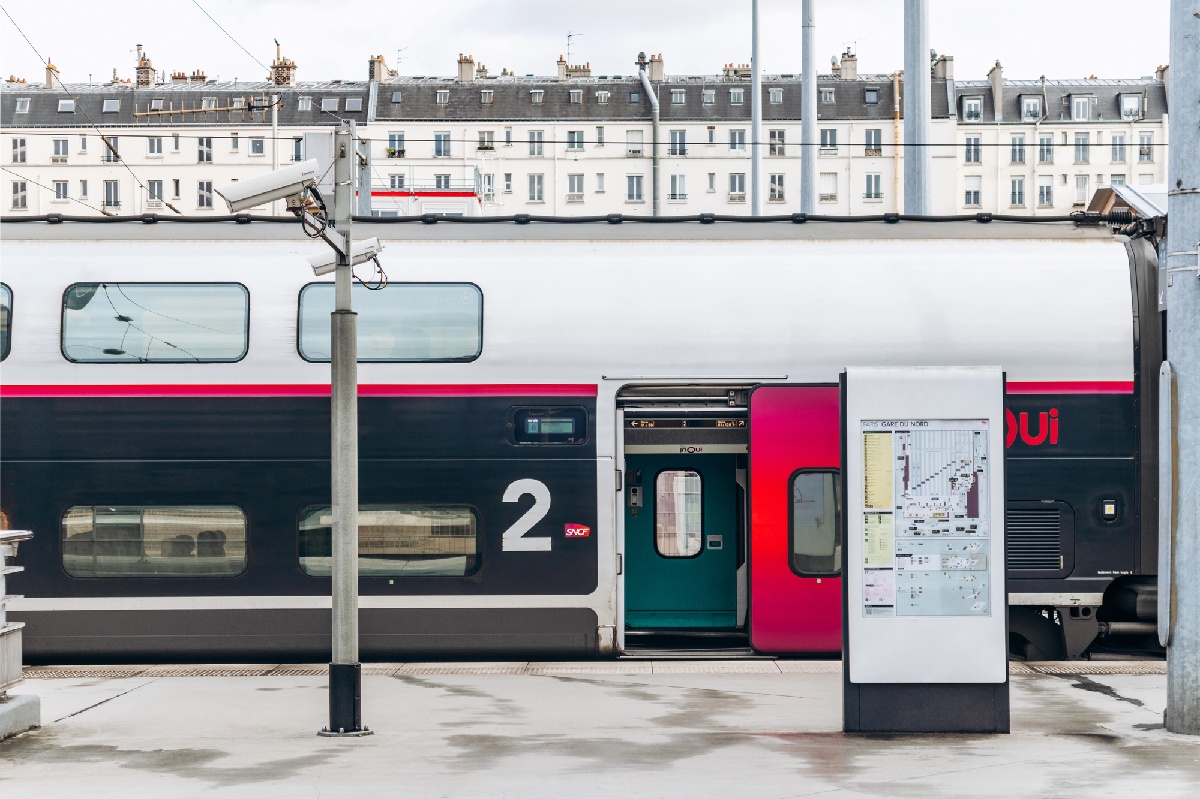

Trenitalia France Plans High-Speed Train Maintenance Center in Île-de-France


L’exploitation du centre devrait générer environ 100 emplois, directs et indirects - DeposiPhotos.com, teptong

IFTM prenez RDV avec TourMaG


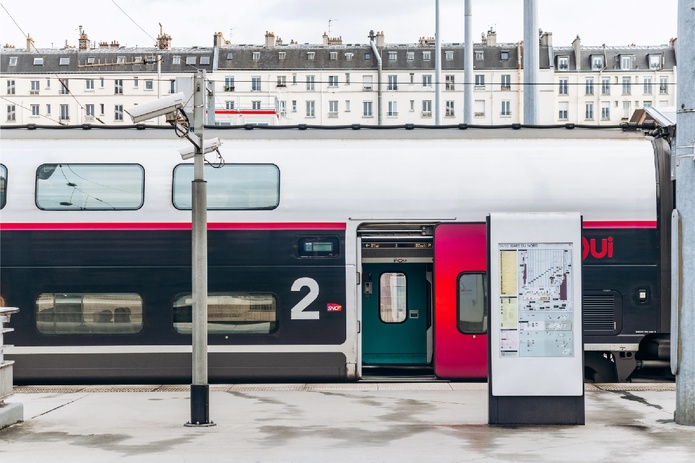
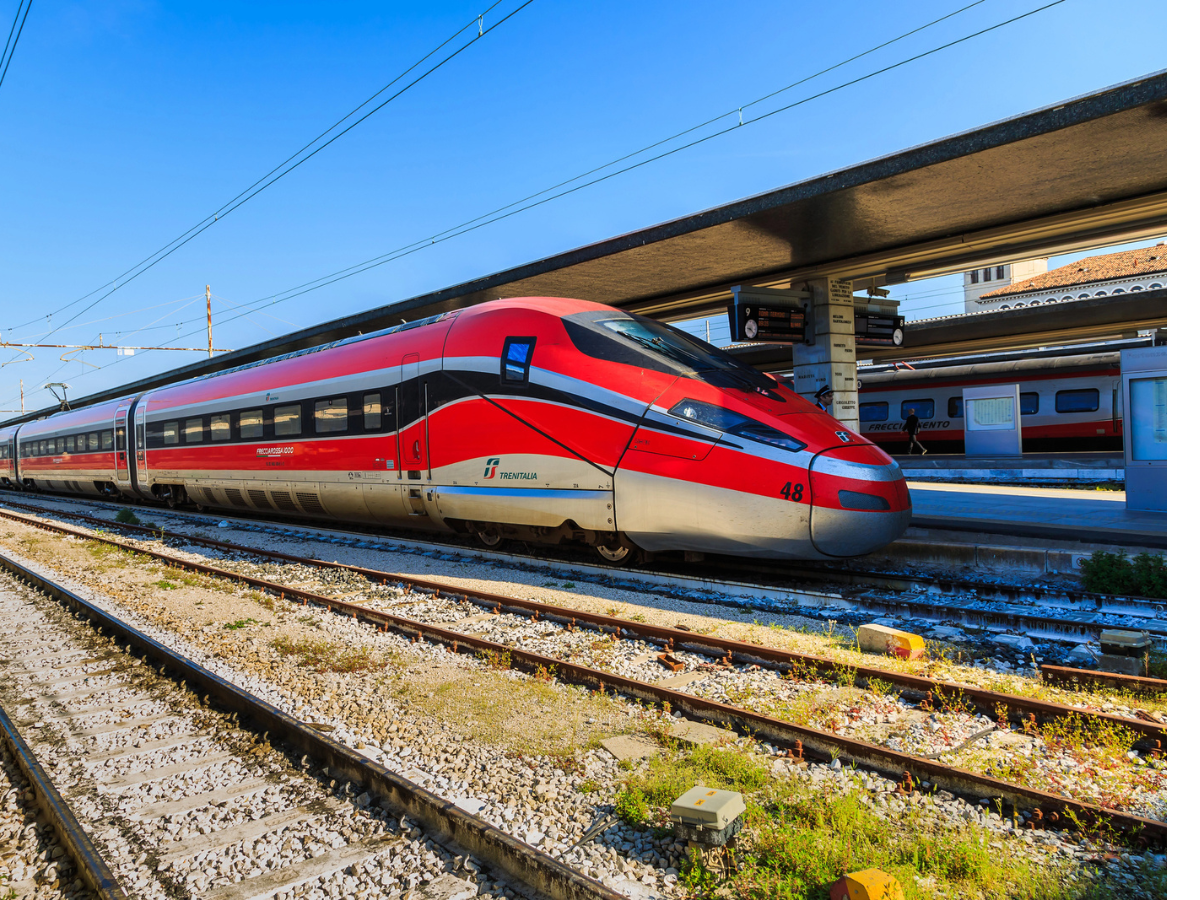
Trenitalia France a signé avec SNCF Réseau un contrat de location de 35 ans pour une zone ferroviaire située à Maisons-Alfort Pompadour, en Île-de-France.

Le futur centre permettra d’assurer la maintenance de la flotte à grande vitesse de Trenitalia France.

L’infrastructure sera conçue pour fonctionner en continu, 24 heures sur 24, et comprendra trois voies permettant l’entretien simultané de trois trains. Elle intégrera également des installations dédiées au lavage, au nettoyage et au remisage.

À pleine capacité, le site pourra accueillir jusqu’à 25 trains. Il contribuera à l’organisation opérationnelle des activités de maintenance et accompagnera le développement de l’offre ferroviaire sur le marché français.

Le centre prendra également en charge les futurs services à grande vitesse Frecciarossa entre Paris et Londres via l’Eurotunnel.


A project aligned with FS Italiane’s European strategy

This project is part of the international development plan of the FS Italiane group, aimed at strengthening its presence on the main high-speed corridors in Europe.

The site’s placement in Île-de-France serves as a base for the group’s international activities, notably on rail links between major European cities.

The construction and operation of the center are expected to generate around 100 jobs, direct and indirect, including activities carried out with partner companies in the fields of maintenance and operational support.
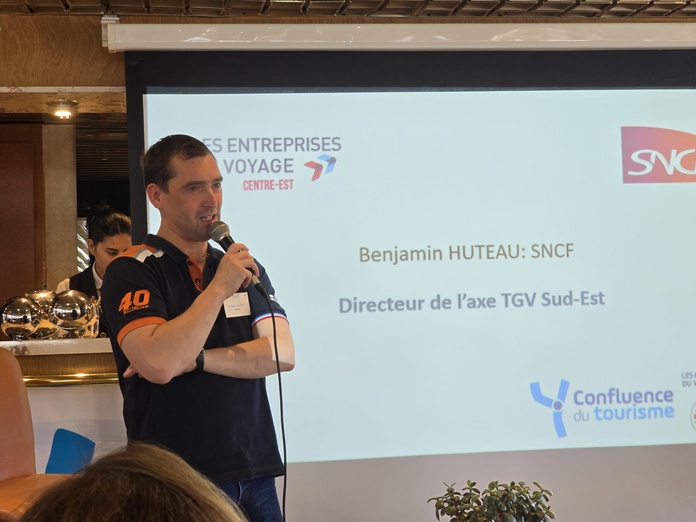
Behind the Scenes of the Southeast TGV Axis: The Backbone of France’s Rail Network


Dans les coulisses de l’axe TGV Sud-Est, colonne vertébrale du rail français - Photo CE

IFTM prenez RDV avec TourMaG


It is the backbone of French rail transport. The TGV Sud-Est axis is the main railway corridor in France connecting Paris to Lyon and then toward the Mediterranean, spanning eastern France and the Alps.

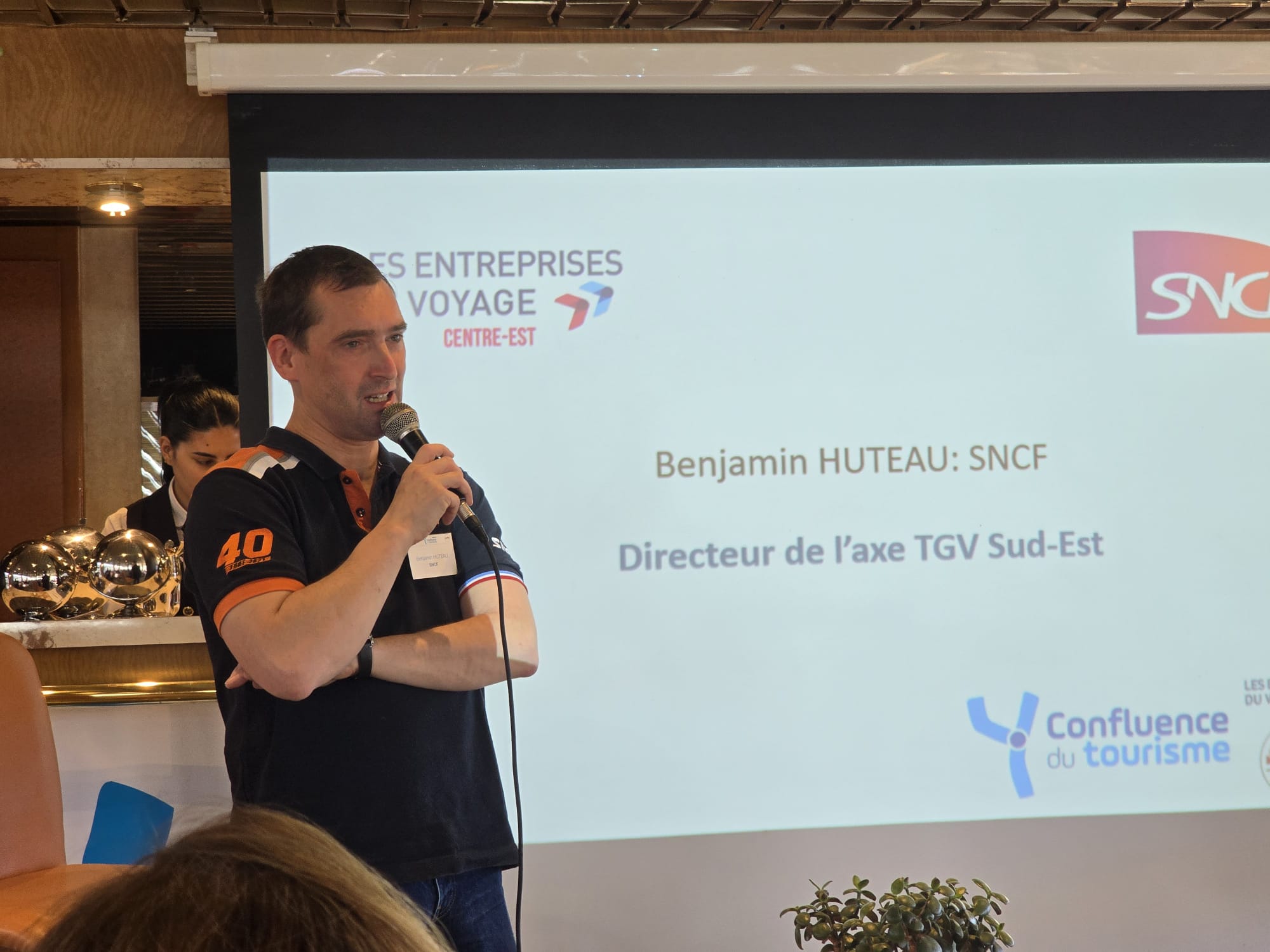
« If you draw a line from Paris-Mulhouse to Paris-Barcelone, you already cover a good portion of the country », summarizes Benjamin Huteau, director of this strategic axis.

Each day, 120,000 travelers ride on 130 TGVs. Behind these figures: a workforce of 5,000 people and an annual turnover of 2.5 billion euros.

« This is the densest axis in Europe in terms of rail traffic. The backbone of the high-speed line that physically lies between Paris and Lyon, indeed, by far the busiest line in Europe because Paris-Marseille and Brussels-Montpellier also pass through it. »


Tolls account for about 40% of a ticket’s price

The general public often doesn’t realize it, but a significant portion of the price of a TGV ticket does not go directly to the operator and is used to finance the use of infrastructure: stations and the rail network.

Managed by SNCF Gares & Connexions and SNCF Réseau, these entities market, on the one hand, calling at stations and, on the other, slots—i.e., time windows for circulation on the rail network—allowing various carriers to run trains from one point to another.

« The track charges paid by TGV activity in France are among the highest in Europe. These fees largely — and often beyond — cover the maintenance costs of the high-speed lines. In France, they contribute significantly not only to the maintenance of the high-speed network but also to that of the entire rail network, including conventional lines » explains Benjamin Huteau.

These charges represent around 40% of a ticket’s price, with notable variations depending on the line. « On the busiest axes like Paris – Lyon, this share can reach nearly 50%. Conversely, on other lines where the cost per kilometer differs, this share can be lower, around 30%, such as on Paris – Mulhouse or Paris – Dijon. »

What is less known is that these tariffs are also set according to a yield-management logic: « On Paris – Lyon, this economic logic dominates: more than 80% of the toll relates to this dynamic pricing. It’s hard to be profitable on Paris – Lyon; tolls have risen by more than 30% since 2020. »


SNCF Réseau asks to pre-book track slots three years in advance


Sur certains tronçons, un train circule toutes les quatre minutes, bientôt toutes les trois minutes d’ici 2030 grâce aux évolutions de signalisation. - Depositphotos.com

In a context of high tolls, profitability hinges on two essential levers: maximizing load factor and keeping trains running as much as possible.

This requires aligning supply as closely as possible with fluctuating demand, depending on the schedules, days of the week, vacation periods, and holidays.

And it is all the more complex because SNCF Réseau asks to pre-book track slots three years in advance. « There is still a bit of crystal ball involved. We do not pre-book everything. We pre-book the base of our offer and then there are several milestones two years ahead, one year ahead… down to six weeks before. »

« This management allows volumes transported to vary considerably, depending on the day, ranging from about 80,000 to 140,000 travelers. »


Lyon-Part-Dieu, the Côte-d’Azur, Bourg-Saint-Maurice in winter… some near-saturation zones

Some zones are close to saturation. At the end-of-line stretches toward the alpine stations, such as Bourg-Saint-Maurice during winter and school holidays, or toward the Côte d’Azur, where coexistence with the TER limits capacity, are already heavily saturated.

Similarly for Lyon – Part-Dieu, which has the peculiarity of being a through station with passenger flows close to origin stations.

Unlike an origin station, where trains dwell long enough to allow progressive boarding of several hundred passengers, stops at Part-Dieu are extremely short, often limited to a few minutes.

In this shortened time window, it is necessary to both let many passengers alight and board as many again, under very tight conditions.

« For example, just one traveler with a stroller: out of courtesy we let them pass, but the time to settle in can block boarding. And then everything jams. In these cases, we try to propose boarding last to ease the flow, » cites Benjamin Huteau as an example.


A train runs every four minutes and soon every three minutes

On some sections, a train runs every four minutes, and by 2030, nearly every three minutes thanks to signalling improvements.

Even the slightest delay can quickly snowball into a knock-on effect on the punctuality of all following trains. «There isn’t a day without disruptions. The problem with rail is that we are rather sensitive to external disturbances,» admits the director.

Among the most frequent disruptions: sick passengers on board, abandoned baggage, or conflicts between travelers. They occur regularly but typically cause only limited delays.

Other events, more serious and less frequent, such as people being on the tracks, cause much longer interruptions. Add to this climate-related risks, or network or signaling failures.

In these situations, the teams’ role is to reorganize the transport plan to limit the spread of delays.

The main objective is to avoid cascading effects. To achieve this, it is often necessary to adapt the operating plan in real time.

Without adjustment, a morning delay risks lingering all day, especially if the same trains are used for several circulations. Teams revise allocations, reorganize rotations, and adjust operations.

This responsiveness also implies revisiting maintenance planning, itself highly optimized to maximize the availability of the rolling stock. The whole system is highly intertwined, requiring coordination to avoid further malfunctions.


The arrival of new TGV rolling stock on the South-East axis, with optimized maintenance


Céline Eymery Published by Céline Eymery Editor-in-Chief – TourMaG.com
See all articles by Céline Eymery

  • picto Facebook
  • picto Twitter
  • picto Linkedin
  • picto email
Add TourMaG to your Google News feed Google Actualités icône


Read 8,432 times

Tags :
sncf

Rate

New comment:


All rude, insulting, or defamatory comments will be immediately removed by the moderator.

Report abuse

In the same section :

<
>

Wednesday 8 July 2026 – 18:42 FlixBus integrates Paris-Beauvais Airport shuttles on its platform

Friday 3 July 2026 – 09:35 Train: SNCF Connect opens reservations to Germany and Switzerland

Rail Europe Strengthens UK Offering with the BritRail Pass


Rail Europe renforce son offre pour la Grande-Bretagne avec le BritRail Pass - Depositphotos.com @gjp1991

IFTM prenez RDV avec TourMaG


Rail Europe a intégré le BritRail Pass à son écosystème mondial de distribution B2B, consolidant ainsi son offre stratégique pour la Grande-Bretagne destinée aux agences de voyages, plateformes OTA et tour-opérateurs à l’international.

The BritRail Pass, reserved for travelers residing outside the United Kingdom, offers flexible access to the National Rail network, including connections to major airports via the Heathrow Express, Gatwick Express and Stansted Express, as well as sleeper services such as the Caledonian Sleeper and the Night Riviera (berth reservations required).

For travel professionals, this product meets three priorities: operational simplicity, pricing flexibility, and the ability to build structured itineraries across Great Britain.

The portfolio includes national and regional passes, enabling advisers to design journeys focused on specific areas such as England, Scotland or the Southwest and South Wales, depending on the itinerary and the clients’ travel plans.


Des avantages supplémentaires pour le voyageur

The different passes available are :

BritRail Pass

BritRail England Pass


BritRail South West & South Wales Pass

BritRail Spirit of Scotland Pass (standard class only)

BritRail London Plus Pass


Most passes can be purchased in First or Second Class, with options for consecutive or flexible validity, as well as discounts for youths, seniors and children. Additional perks, such as 2-for-1 offers on certain attractions, are also available.


A strengthened B2B strategy driven by international demand

Rail Europe distributes a digital version of the pass, the M-Pass, via its B2B platforms, allowing agencies to manage both the booking and the activation days of travel thanks to a QR code. This mobile-first solution reduces operational complexity while preserving total flexibility for the final traveler.

With a growing international demand for Great Britain and a strong interest in destinations beyond London, Rail Europe believes that the BritRail Pass represents an important lever to develop international distribution and encourage rail itineraries across the entire British territory.

According to Björn Bender, CEO of Rail Europe, “The BritRail Pass strengthens our role as experts in European rail passes.

It complements our existing portfolio and enables our global business partners to build more flexible and higher-value itineraries in Great Britain, particularly in long-haul markets where regional exploration is becoming increasingly important.
”


Amelia Brille Publié par Amelia Brille Rédactrice TourMaG.com
Voir tous les articles d’Amélia Brille

  • picto Linkedin
  • picto email
Ajoutez TourMaG à votre flux Google Actualités Google Actualités icône  

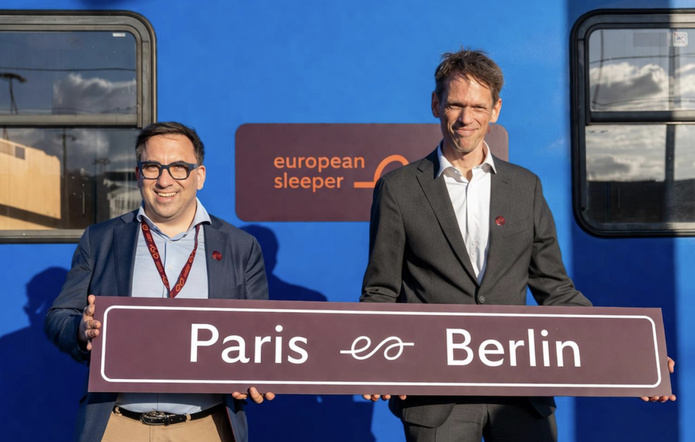
Night Train: European Sleeper Launches Paris–Berlin Service


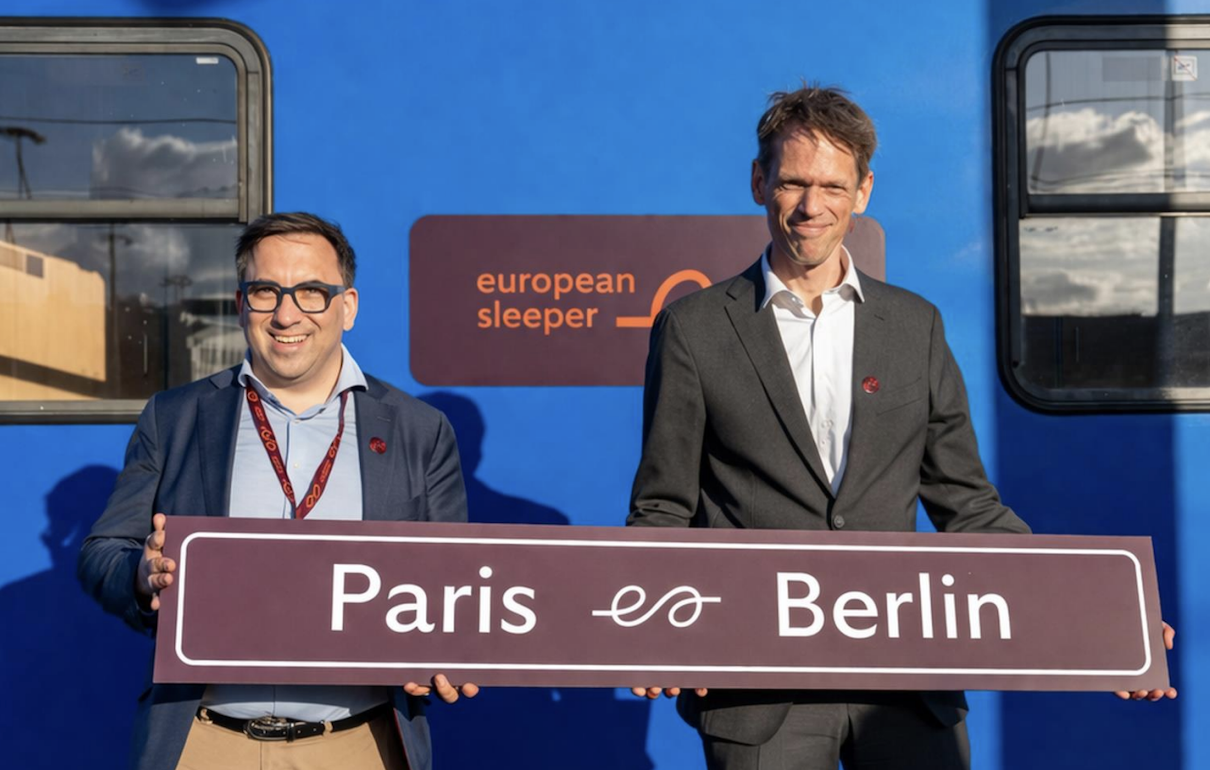
Chris Engelsman et Elmer van Buuren (fondateurs d’European Sleeper) devant le train de nuit Paris-Berlin. Crédit photo : KeepFocus Photography

IFTM prenez RDV avec TourMaG


Departing from the Gare du Nord in Paris, on March 26, European Sleeper officially launched its new overnight link to Berlin, via Brussels.

The train left the French capital at 6:03 PM, marking the return of a direct connection between these great European metropolises, long absent from the rail network.

The convoy’s arrival at Berlin Hauptbahnhof, the following morning, prompted an official reception bringing together partners and institutional representatives.

This new link is part of the progressive development of European Sleeper’s network, already present on the Brussels – Amsterdam – Berlin – Prague axis. The company also plans to launch a night train to Milan from September 2026.

The Paris – Brussels – Berlin line will be operated at a rate of three round trips per week. In time, it will allow six departures per week in each direction between Brussels and Berlin.


A European and Sustainable Ambition

At the launch event in Paris, the founders of the company, Chris Engelsman and Elmer van Buuren, emphasized the challenges involved in developing the night train project.

They particularly stressed the need to gradually build a viable European rail network, while promoting market openness to new operators and improving the integration of cross-border services.

Present at the inauguration, Belgium’s Federal Mobility Minister, Jean-Luc Crucke, highlighted the environmental benefits of the project, noting a credible alternative in favor of low-carbon tourism.

He also recalled the commitment of the Belgian authorities to remove regulatory and technical barriers to such initiatives.

On the SNCF side, Olivier Bancel praised the cooperation among the various actors, stating that these partnerships help reposition rail as a central mode of transport in Europe.


An Accessible Pricing Range

The establishment of this link relies on the collaboration of numerous operational and industrial partners, including Train Charter Services, Wagon Plastron, as well as the Alstom and RAILPOOL groups. New players, such as RDC Deutschland Gruppe, also participated in the project.

Infrastructure managers in France, Belgium and Germany were mobilized to integrate this new offering into the existing networks.

On board, European Sleeper offers several levels of comfort, with tickets from €39.99 for a seated seat. Berths are available from €59.99, including reservation and bed linen.

For higher comfort, passengers can opt for Comfort Standard compartments from €99.99 or Comfort Plus from €129.99, with breakfast included.


Amelia Brille Published by Amelia Brille TourMaG.com Editor
See all articles by Amelia Brille

  • picto Linkedin
  • picto email
Add TourMaG to your Google News feed Google Actualités icône  

DiscoverEU: Win 5,000 Interrail Passes to Travel Europe at Age 18


Les jeunes Français de 18 ans peuvent tenter leur chance pour remporter un Pass Interrail - Depositphotos.com @denrud

IFTM prenez RDV avec TourMaG


Good news for young travelers: the DiscoverEU program is reopening its applications. Starting this Wednesday April 8 at 12:00, French citizens born between July 1, 2007 and June 30, 2008 can apply via the European Youth Portal.

At stake: an Interrail Pass allowing free train travel across Europe for 30 days.

Winners will be able to use this travel entitlement between July 1, 2026 and September 30, 2027.

In total, 5,000 French youngsters will be drawn to benefit from this scheme, funded by the European Commission and operated in France by the Agence du Service Civique.


A program to encourage youth mobility

Launched within the Erasmus+ framework, DiscoverEU aims to strengthen the sense of European belonging among young people, while making travel more accessible.

In addition to transport, beneficiaries receive a European Youth Card granting access to numerous discounts: cultural activities, local transport, accommodations, and meals.

Applicants must complete an online quiz and may travel alone or in a group, selecting up to four friends.

For Nadia Bellaoui, president of the Agence du Service Civique, the objective is clear: “to enable young people, regardless of their background, to travel freely and for free for a month“.

A goal shared by the beneficiaries. Illyana, 19, who left in 2025, recalls it as a formative experience: traveling alone allowed her to unwind, learn to improvise, and meet numerous people.


Applications open until April 22

Applications are open until 22 April 2026 at 12:00 (Brussels time). Interested youths should visit the European Youth Portal to submit their application.


Amelia Brille Published by Amelia Brille TourMaG.com Editor
See all articles by Amelia Brille

  • picto Linkedin
  • picto email
Add TourMaG to your Google News feed Google Actualités icône  

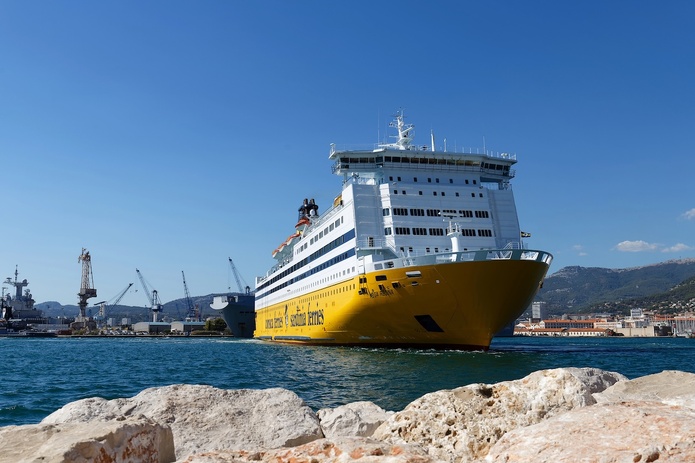
Corsica Ferries Strengthens Summer 2026 Offering and Accelerates Digital Transformation


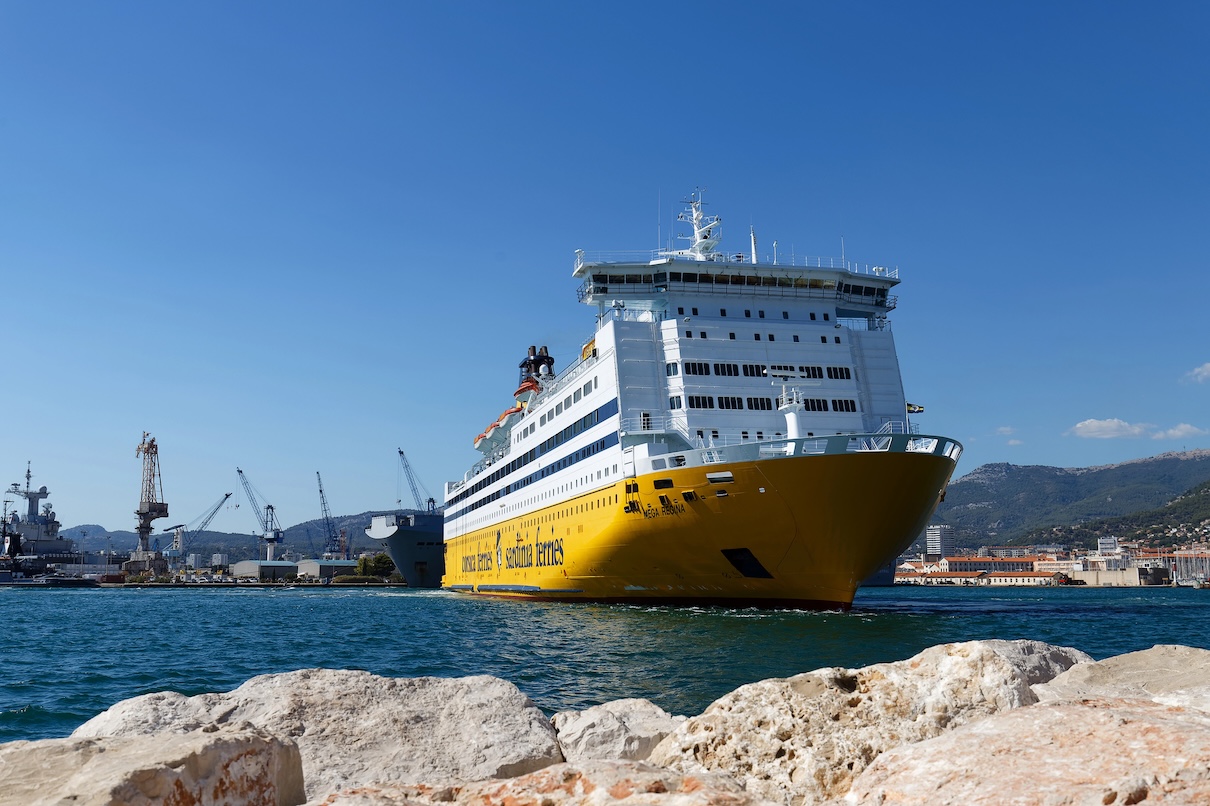
Corsica Ferries renforce ses liaisons en Méditerranée - Depositphotos.com, KovalenkovPetr

IFTM prenez RDV avec TourMaG


As spring-summer 2026 approaches, Corsica Ferries announces a strengthening of its links in the Mediterranean, while betting on digital innovation to improve the customer experience.

“We continually adapt our offering to meet our customers’ expectations: more flexibility, varied destinations, and a strong focus on both the onboard experience and digital services“, says Fabien Agostini, Chief Operations Officer of the company.

Faithful to its historical markets, the shipping line consolidates its routes to the main Mediterranean destinations.

Since April, sailings to Mallorca and Menorca have resumed from Toulon and Sète. Two weekly rotations are scheduled from Toulon, complemented by a weekly crossing from Sète.


A Stronger Presence on Key Destinations

Faced with sustained demand, Sardinia is seeing its offering expanded. From Toulon, the frequency rises to two crossings per week.

In addition, a new connection was inaugurated on April 18 between Sète and Porto Torres, with one crossing per week (excluding August).

A central destination for the company, Corsica remains accessible year-round from Toulon, Nice, Sète, Savona and Livorno.

The increase in rotations aims to guarantee greater flexibility for travelers. A new weekly link between Sète and Ajaccio was also launched on April 18 (excluding August).


A Customer Experience Oriented Toward “Contactless”

In keeping with its modernization strategy, Corsica Ferries is rolling out several digital features through its mobile application.

Among the main developments, dematerialized cabin access allows passengers to use their smartphone as a key, without stopping at the reception.

The app also centralizes boarding passes, makes it easier to modify sailings, and provides direct access to the Corsica Club loyalty program, accompanied by real-time notifications.

Another novelty is the option to pay for bookings in multiple installments (2, 3, or 4 installments) for online purchases.

The company is also launching a thematic mini-cruise from May 7 to May 10, 2026, combining cultural discovery and sporting activities. Departing from Bastia, passengers will head to Civitavecchia, the gateway to Rome, before reaching Portoferraio on the island of Elba.

The program includes free time to explore the Italian capital, as well as on-board activities, notably in partnership with Fitness Park. The trip also offers possible participation in the Marathon of Elba Island for the most energetic travelers.


Amelia Brille Published by Amelia Brille TourMaG.com Journalist
View all articles by Amelia Brille

  • picto Linkedin
  • picto email
Add TourMaG to your Google News feed Google Actualités icône  

Post-2025 Tensions: Coach Operators Confront the Energy Crisis


"Faire plus avec moins ne doit pas être un slogan, mais une méthode", selon la FNTV - Depositphotos

IFTM prenez RDV avec TourMaG


In tourism, crises are a bit like trouble—like the saying goes, they come in swarms, a notion attributed to Jacques Chirac.

Bus operators, like other sectors, are currently facing several crises that are colliding with one another. According to the FNTV 2025-2026 activity report, the year 2025 was already a tense one.

After two years of growth, activity slowed down due to the political context and economic uncertainty.

And 2026 looks set to be even tougher. In mid-April, BlaBlaCar announced the closure of its subsidiary dedicated to Cars Macron, while bus operators have just acquired vehicles to operate routes served by the company, as Ingrid Mareschal, the FNTV’s general delegate, told us.

For its president, Jean-Sébastien Barrault, 2026 is now the year of the energy crisis.

“We are no longer in a growth-driven dynamic, but once again confronted by an energy crisis following the conflict in the Middle East. Moreover, the sector must now cope with vehicle delivery difficulties.

Global demand is strong, European production capacities have diminished, and manufacturers are struggling to secure spare parts.

On top of that, tax increases are piling up. Business leaders are adapting, but the accumulation of hurdles weighs on their morale
“, he explained in this 40-page document.


“Doing more with less should not be a slogan, but a method,” says the FNTV

In light of this assessment, the union emphasizes its full mobilization to its members.

Moreover, part of the sector also has to contend with a cut in public expenditure, while activity is sometimes subsidized, as is the case for urban or school transportation.

“Our challenges are immense: to succeed in the energy transition, to expand the offering, and to spark a genuine desire for coach travel to persuade more users to leave their car.

All of this within a tight budgetary context, where public money is becoming scarcer, against a backdrop of generalized cost increases, especially of fuels.

Doing more with less must not be a slogan,
but a method
“, continues the union president.

According to him, it is time to secure longer contracts and a more collaborative approach that would allow bus operators to project themselves into the long term.

They would thus be better positioned to invest in a newer, more environmentally friendly fleet.

“A proactive rather than punitive approach can help optimize our fares rather than embedding penalties in the prices, which mechanically raise our offers.

In other words, solid contractual practices can enable greater influence, faster decarbonization, and control of public expenditure. Our clear objective is to defend modern, safe, and accessible coach mobility.

But to succeed, we need a stable, coherent, and ambitious framework
“, concludes Jean-Sébastien Barrault.


The FNTV welcomes the Ambition France Transports conference

Among the positive achievements of 2025, the Ambition France Transports conference stands out.

It enabled the drafting of a framework law on transport development, presented to the Council of Ministers on February 11, 2026. It established a framework offering financial prospects and clarified governance for road passenger terminals.

Moreover, the famous Cars Macron, celebrating their 10th anniversary at the time, surpassed their pre-crisis activity level.

“”They have undoubtedly earned their place in the mobility offer, but their development will depend on upgrading infrastructure, especially road stations.

By tackling this issue head-on, one can hope that the law resulting from the Ambition France Transports conference will give a boost to the ‘Cars Macron’,” explained the union president.

He also mentioned a reduced tension in employment, particularly for drivers, even though the balance remains fragile. The average age of drivers exceeds 50 years. A significant renewal will therefore need to be undertaken in the coming years.

A substantial effort to rejuvenate and modernize the profession remains to be pursued.


🚌
📋 Key Figures 2025
66,564
COACH SERVICES IN FRANCE
as of January 1, 2025

Dashboard for tourism professionals and collective mobility — an industry comprising 2,624 companies and 107,008 employees.

💰

11.3 Billion €
turnover
interurban transport

🎟️

11.1 M
passengers
Cars Macron 2024

🌿

× 30
cars replaced by
one coach

🎒

~2 M
students transported
every day

👷

82 %
of employees
are drivers

⚡

44 %
invest in
new energies

🚌
🗺️ National Offer & Network
🎟️

11.1 million
passengers carried
on Cars Macron in 2024

👥

2,745
employees dedicated
to Cars Macron

💰

11.3 Bn€
turnover for
interurban transport

🏢

2,624
companies
in the sector

🛣️

2,191
carpooling
areas

⏱️

18 months
delivery time
for a new coach

🚌
🧳 Passengers & School Transport

Tourist Coaches
Seniors or juniors
85 %
Corporate travel
59 %
National & international
50 %
Family travel
41 %

12.8 million
passenger trips
carpooling 2024

School Transport
🎒

~2 million
students transported every day

🚌

36,000
school drivers mobilized

📊

75 %
school trips by coach percentage

🚌
👷 Employment & Environment
📋

77 %
of hires
on permanent contracts

🎯

82 %
of employees
are drivers

⚡

44 %
of companies invest
in new energies

🌿

1 coach
= 30 cars fewer
on the road — champion of sustainable mobility

⚠️

Recruitment pressure

33 % of companies struggle to recruit full-time drivers
61 % face difficulties for part-time positions

SNCF: Four Unions Call for a Strike on June 10


SNCF : 4 syndicats appellent à la grève pour le 10 juin ! - Depositphotos.comAuteur Andrei Antipov

IFTM prenez RDV avec TourMaG


In a joint statement published on May 6, 2026 in Paris, the four unions CGT Cheminots, UNSA Ferroviaire, SUD-Rail and CFDT Cheminots call for a strike on June 10.

The representative organizations of SNCF employees warn about the lack of progress during the consultations carried out in recent weeks with management. They denounce in particular a policy of reorganisation deemed « anxiogenic », as well as the consequences of the restructurings on working conditions and employees’ health.

The unions mention several areas of concern: job cuts, internal reorganisations, mandated professional mobility and the evolution of the group’s structure through the process of subsidiaryisation.

According to them, these transformations would weaken the social unity of the railway group and could call into question certain historic collective agreements.

The text also highlights wage demands. They ask management to respond to the railway workers’ expectations regarding purchasing power and working conditions.


Jean Castex: Opening up to competition entails profound changes

Invited to the Travel Industry Congress on Monday, May 4, Jean Castex, President of the SNCF Group, did not hide the substantial transformation program confronting the company: “ Competition pushes us to be more competitive; it is not easy. The situation remains complex.

There is a major HR project in the background, with sustained discussions with the trade unions. We are committed to a transformation logic that must be gradually supported.

Since my arrival in November, there have been no strikes at Christmas nor in February. I hope that the month of May will allow progress in a calmer climate, but that requires constant work. It is a daily battle. Nothing is done by decree and the difficulties are real, all the more so because opening up to competition entails profound changes
.”

BlaBlaCar Integrates Trenitalia, Expands Rail Offering in France


BlaBlaCar intègre Trenitalia sur sa plateforme pour élargir son offre de trains en France - Photo : Blablacar

IFTM prenez RDV avec TourMaG


BlaBlaCar continues to expand its multimodal offering in France.

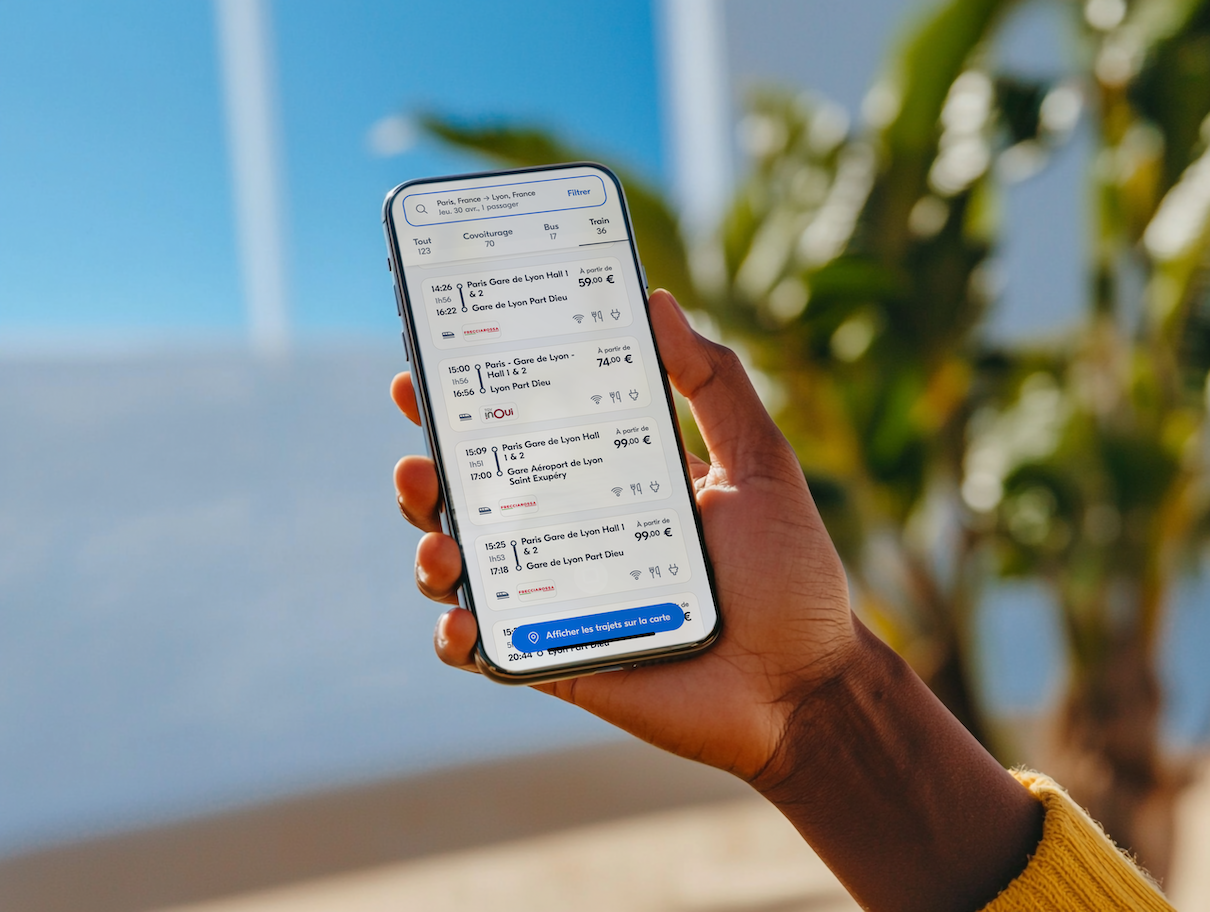
The platform announced, on May 6, 2026, the integration of Trenitalia trains into its app and website, enabling users to compare and book journeys by train, bus, or carpool from a single interface.

This announcement follows BlaBlaCar’s ongoing opening to rail travel, which began with the SNCF in France, then with the Spanish operators Renfe and Iryo. The addition of Trenitalia thus completes a service that aims to be increasingly European.

Present in France since 2021, Trenitalia operates high-speed connections on the Paris-Lyon, Paris-Marseille, and Paris-Milan routes. The operator claims nearly 5 million travelers carried and a satisfaction rate of 97%.

Its network serves several major stations, including Lyon Part-Dieu, Avignon TGV or Marseille Saint-Charles, as well as destinations in Italy such as Turin and Milan.

With this integration, BlaBlaCar members can now purchase Trenitalia tickets directly, on par with the other transport options already available on the platform.


A Centralized User Experience

One of the key aims of this collaboration is to streamline the purchasing journey. Users can compare the various options — train, bus, or carpool — without leaving the BlaBlaCar environment, and complete their booking without being redirected to third-party sites.

This centralized approach also extends to new conversational usages. The Trenitalia offering is accessible via the BlaBlaCar app integrated with ChatGPT, enabling travel searches in natural language.

For Erwin Coffy, BlaBlaCar’s commercial director, this development marks “a decisive step” in the group’s strategy, with the ambition to become a reference platform for long-distance journeys, by focusing on transparency of offers and price comparisons.

On his side, Marco Caposciutti, president of Trenitalia France, emphasizes that this partnership aims to increase the visibility of rail travel and to reach new customers, especially those seeking simple and centralized solutions.


The Train, a Growth Driver for BlaBlaCar

Beyond expanding the offering, rail travel appears as a growth lever for BlaBlaCar. According to the company, one in four bookings is made by a new user, while 70% of train customers were already using its carpool or bus services.


Amelia Brille Published by Amelia Brille TourMaG.com Editor
See all articles by Amelia Brille

  • picto Linkedin
  • picto email
Add TourMaG to your Google News feed Google News icon  

Rail Transport: ECTAA Backs EU Rail Package, Warns of Concentration Risks


Transport ferroviaire : ECTAA soutient le paquet européen mais alerte sur les risques de concentration - Depositphotos.com Auteur WDSuncrest

IFTM prenez RDV avec TourMaG


ECTAA welcomes the new “passenger package” presented by the European Commission, which includes proposals on rail ticketing, multimodal digital mobility services (MDMS), and the revision of rail passenger rights.

In a press release, the organization contends that these measures could improve consumers’ access to European rail services under conditions that are “fair, reasonable, and non-discriminatory” (FRAND). According to ECTAA, better access to railway content would strengthen “transparency, consumer choice, and innovation in rail distribution.”

The association also notes several cautionary points. It argues that the FRAND principles should not be confined to the rail sector alone but should also apply to air transport and other mobility sectors.

ECTAA cites in this regard the antitrust case involving Ryanair in Italy as an example of practices deemed unfavorable to independent distributors.


Ensuring Fair Access to Railway Content

« Ensuring fair access to railway content is an important and welcome step for both consumers and independent travel distributors », said Eric Drésin. The Secretary General of ECTAA nevertheless believes that « the same market dysfunctions exist in air transport and should be addressed coherently ».

ECTAA also expresses caution about opening the sales platforms of historical rail operators to competing services. While this measure could promote competition among rail companies, the organization fears that it may also reinforce the clout of large operators in distribution.

« We fear that some of the proposed measures could inadvertently create “super-competitors” », added Eric Drésin, pointing to a risk for independent distributors and the diversity of the market.