Vacation Departures: A Look at Ordinary French People [ABO]


Vacation departure rates, more or less variable

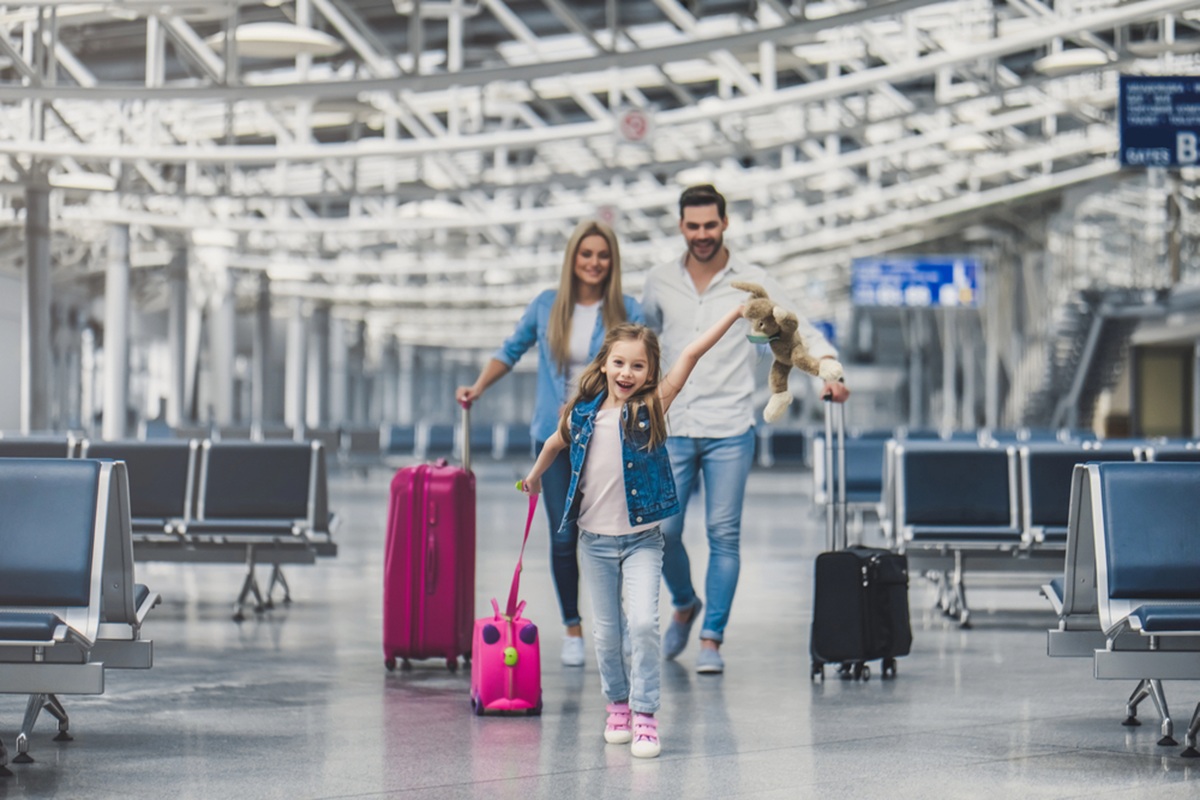
Partir seul rend enfin difficile l’idée de voyager pour 62% des Français - DepositPhotos.com, serezniy

PONANT


All due respect: where do French holidaymakers stand?

According to the latest figures from Credoc, 57% of French people aged 15 to 69 go on vacation at least once a year and 14% of them never go — notably among precarious groups — while couples with children and residents of the Paris metropolitan area go away more often.

In a country like ours, where departure aid has not completely disappeared (aid provided by employers, the CAF, town halls or other bodies), a quarter of the population benefited from at least one of these aids. In particular, young people and economically disadvantaged groups.

Remember also the special case of holiday vouchers, pure products of the 1980s and the Mauroy government, which can also be used for leisure, the arts and culture, or dining, and which benefit 29% of the 15-69 age group and 36% of working professionals.

See also: Departures on vacation: a major indicator of social inequalities


Barriers to departure

If the lack of financial means explains the absence of vacation departures for 47% of the 15-69 age group, they are nevertheless a good third who restrict spending on essential expenses (health, food) to maintain a budget for vacations.

It should also be noted that 33% of respondents say they prefer to take their children on trips, even if it means not going themselves.

But beyond finances, other situations can be cited by non-participants :

– 23% prefer to stay at home

– 14% mention family and health problems

– 12%, for their part, highlight professional reasons.

Organizational difficulties around departure and, above all, social aspects also make departures difficult or impossible for some respondents :

– traveling alone finally makes the idea of traveling difficult for 62% of French people

– traveling with family also poses a problem for 53% of our fellow citizens

– the stress related to departure affects 42% of French people, notably in terms of organization, planning, and online payments, which people are increasingly reluctant to do.

See also: Solitude, desperately seeking friendship


A slight improvement in terms of aid

Globally, however, according to a study conducted for the ANCV *, things are moving in the right direction: since 2008, CAF assistance has risen from 5% to 12%; municipal aid has risen from 1% to 7%; employer aid over the same period reaches 15% of the French population, up from 10%.

In 2025, these aids reduced the rate of non-departures among those aged 15-69 to 14% versus 18% in 2009.

13% report traveling “every two years” versus 9% in 2009.

The French people who travel once a year are also somewhat more numerous.

* In 2024, according to the ANCV annual report: 23% of holiday vouchers were used for vacations and transportation, 24% for accommodation, 9% for cultural leisure.


Eco-anxiety is rising, especially among the young

Not surprisingly, especially after summer heatwaves and other fires and droughts, it is worth confirming that the climate issue is becoming more and more entrenched in people’s minds.

According to Credoc, six in ten French people believe that climate change will bring major changes to their lifestyles, and nearly half believe that climate disruption adds to their anxiety.

On these issues, young people are more worried than older generations given the time they have left to live and their awareness of these questions at school.

However, two-thirds of French people think they can protect themselves at an individual level from the consequences of climatic disruptions.

A figure all the more meaningful since today 42% of residents in France have already faced the consequences of warming where they live, compared with 24% in 2015.


Cultural outings say a lot as well, but they change little



Josette Sicsic - DR

Journalist, consultant, lecturer, Josette Sicsic has been observing for over 25 years the changes in the world in order to analyze their consequences for the tourism sector.

After leading for more than 20 years the Touriscopie journal, she remains at the forefront of current events where she decodes the present to forecast the future. On the site www.tourmag.com, in the Futuroscopie section, she publishes several times a week prospective and analytical articles.

Contact: 06 14 47 99 04

Mail: [email protected]

Hotel Industry: From Star Ratings to AI, Subtle Yet Firm Shifts [ABO]


Perrine Edelman : "Je ne parle pas de points forts et points faibles, car ce n’est pas adapté ici, il s’agit de prendre le pouls des évolutions, elles ne sont ni positives, ni négatives.  De même, je ne parle pas d’avenir, n’ayant pas de boule de cristal, mais à la lecture de mes analyses, on peut relever les éléments qui pourraient durer et ceux qui pourraient encore évoluer" - Photo PE

PONANT


Stars lose influence in hotel selection

First point: The three main criteria for choosing a hotel remain unchanged: location, price, and e-reputation.

By contrast, guests are paying less attention to star ratings when they make their choice. They are now only 8% to use this indicator, compared with 16% in 2022. The end of an era? Yes.

It must be admitted that traveler ratings and reviews are far more consulted and taken into account. To enlighten you, Perrine Edelman, associate director of the firm, shares her analysis of the most telling data from the study. That said, do these allow us to imagine the future of the hospitality industry with certainty? For this expert, prudence is required: not really!


Word-of-mouth surprisingly no longer, or hardly, a factor in choice. While stars convinced 64% of European travelers in 2009, they weigh in at only 8% today, i.e., half as much as in 2022. Why? Mostly due to a lack of understanding of the references assigned to each range.

Location, a caveat: generally, business travelers look for a hotel close to their meeting/workplace. While leisure travelers are more accepting of distance relative to their tourist activities.


Similarly, only 1% of respondents rely on a loyalty program and 1% on environmental labels and commitments in their criteria. A surprising finding given the growing environmental sensitivity!

We can also add that online platform filters have significantly expanded: you can find a wide range of amenities, booking conditions, as well as different types of accommodation (not only hotels) and profiles (pets allowed, couples or families, accessibility for disabled, LGBTQ, kid-friendly…).


Only 5% of hotel guests say they use AI in their hotel search

On the AI front, where do we stand? The 5% share is surprising, but it has probably evolved since the start of the year (the survey was conducted in February–March).

In any case, for now, if travelers use AI to organize their stays, it may still not be the preferred tool for searching for a hotel. It must be said that dethroning Booking and its peers is difficult, as their platforms are well designed for this search phase.


Reception and hospitality at the heart of the hotel industry


Rooms, the basics above all

But the hotel primarily sells rooms. What matters most in a room are the basics: cleanliness (for 60%), bedding (for 49%).

As for the importance of Wi-Fi, it is no longer a question for 96% of guests, who want in this order: power outlets at the head of the bed (88%), air conditioning (86%), and darkness through blackout curtains (82%).

Note also that 68% of guests dislike having the bathroom open to the bedroom, a layout that has been fashionable in recent years but has reached its limits.


Spa & well-being, an amenity that high-end clientele have grown to love

Finally, note that 34% of luxury hotel guests regard the presence of a spa as essential (compared to 21% in 2022) and 15% of them frequently book massages and other treatments (vs 2% in 2022). Well-being is no longer exclusive to the luxury segment. It has become commonplace.

More broadly, the wellness market is in full expansion. According to GWI data: 60% of global health expenditures are now devoted to well-being. This wellness boom can be explained by several factors: individual health responsibility following the Covid shock, the rise of psychological, emotional, and mental distress (mental health expenditures represent 28 billion euros for health insurance and the leading cause of long-term sickness absence).

As the population ages, it drives societal and cultural transformations that place well-being at the center of our concerns. We should eat better, sleep better, breathe better, work differently, travel differently…


Josette Sicsic - DR

Journalist, consultant, speaker, Josette Sicsic has been observing the world’s mutations for over 25 years to analyze their consequences for the tourism sector.

After developing Touriscopie for more than 20 years, she remains at the forefront of current events where she decodes the present to forecast the future. On the site www.tourmag.com, in the Futuroscopy section, she publishes several times a week forward-looking and analytical articles.

Contact: 06 14 47 99 04

Email: [email protected]
UK and Spain: Essential set-jetting tourism information [ABO]


La revue de presse internationale de la semaine - Depositphotos.com Auteur serezniy

PONANT


In the Week’s Press Review for October 5, 2026:

WTTC: European tourism expected to rise by 3.1% in 2026

France: the United States warns its nationals amid protests

Set-jetting turns TV series into travel destinations

Alaska Airlines aims to triple its international routes by 2030

Golf tourism expands to new destinations

UK: Fees to seat children with their parents scrapped


Spain: tourism accelerates, but costs weigh on profits

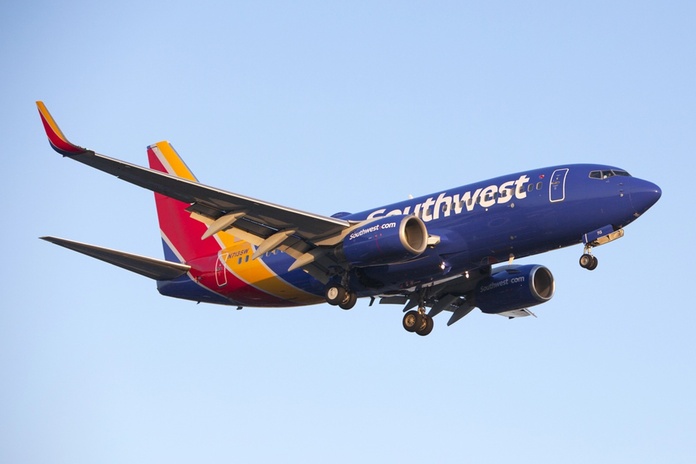
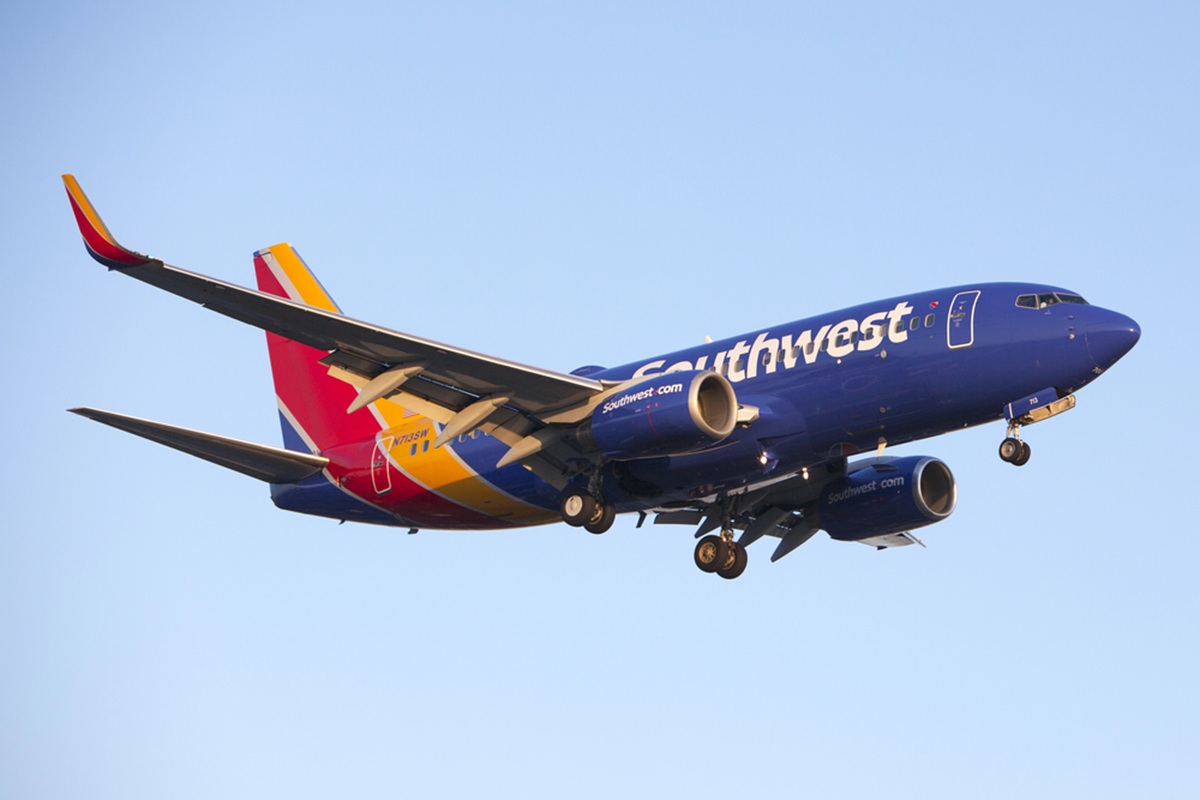
Southwest Airlines integrates its flight data into ChatGPT

Quirky! La Grande Vadrouille: 60 years on, fans continue the tour!


WTTC: European tourism expected to rise by 3.1% in 2026


Selon WTTC, le tourisme européen devrait progresser de 3,1 % en 2026. @depositphotos/sdecoret

According to WTTC’s latest forecast, presented in Malta from October 7 to 9, the industry is expected to grow by 3.1% in Europe in 2026, outpacing the broader European economy.

International visitor spending is also projected to rise by 5.8%. The summit highlights investments, connectivity, AI, and sustainable growth.

An article from traveldailynews.com


France: the United States warns its nationals amid protests


En raison des manifestations, les Etats-Unis ont classé la France au niveau 2, « prudence accrue ». @depositphotos/frlegros

The United States has issued a security alert for France, urging its nationals to avoid protest zones and anticipate disruptions to transportation.

The State Department keeps France at Level 2, “Enhanced precautions”.

More to read on travelweekly.com


Set-jetting turns TV series into travel destinations


Warner Bros surfe sur la tendance du set-jetting et propose ainsi une expérience immersive autour de Gilmore Girls. @depositphotos/s_bukley

Set-jetting, the practice of traveling to filming locations of films and TV series, continues to grow.

Warner Bros thus offers an immersive Gilmore Girls experience, allowing fans to revisit the Stars Hollow scenery. In Europe, Dubrovnik, Madrid, and Sardinia also benefit from the craze for destinations seen on screen.

A piece of information to be found on euronews.com


Alaska Airlines aims to triple its international routes by 2030


United Kingdom: Fees to seat children beside their parents scrapped


Le Royaume-Uni supprime les frais pour placer les enfants avec leurs parents et corriger un nom.  @depositphotos/4pmphoto@gmail.com

Since October 2, British airlines can no longer charge parents to guarantee a seat next to their child under 14.

Passengers can also correct simple misspellings of their name on their booking for free. The UK is also preparing a scheme to allow airlines to share information about regularly disruptive passengers.

An article from euronews.com


Spain: Tourism accelerates, but costs weigh on profits


L'Espagne se dirige vers une année touristique record. @depositphotos/Dudlajzov

Tourism in Spain grew more strongly than expected this summer, with tourism GDP up 3.5% in Q3 and revenue rising 4.1%, according to Exceltur.

Foreign demand, particularly North American (+14.6%), significantly supported this momentum. But a 7% increase in costs is limiting company profits. For 2026, Exceltur foresees tourism GDP growth of 2.7%.

According to an article published on reisevor9.de


Southwest Airlines integrates its flight data into ChatGPT


Southwest Airlines permet désormais à ChatGPT d’accéder directement aux infos de ses vols afin de fournir des informations plus fiables et actualisées. @depositphotos/jhansen2

Southwest Airlines now allows ChatGPT to access its schedules, availability and fares directly, to provide more reliable and up-to-date information.

Booking, however, remains on the airline’s website. This development illustrates the convergence of generative AI with reservation systems, especially for business travel and last-minute trips.

Discover the full article on business-travel.de


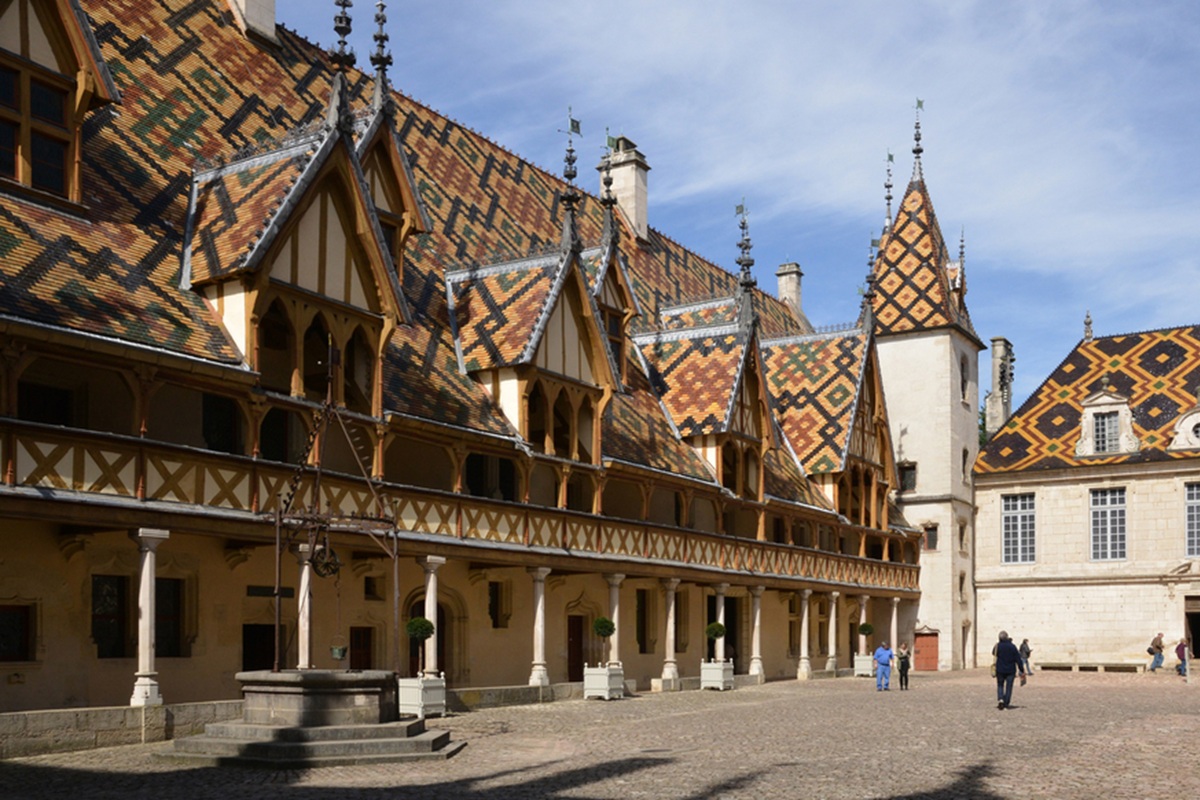
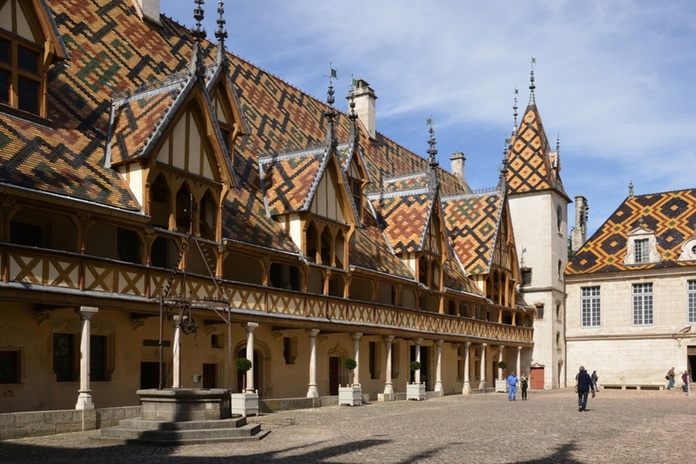
Quirky! La Grande Vadrouille: 60 years on, fans continue the tour!


Le film, La Grande Vadrouille, continue d’attirer les touristes en Bourgogne, notamment à Beaune. @depositphotos/packshot

Sixty years after its release, La Grande Vadrouille continues to attract tourists in Burgundy.

In Meursault, Beaune, Vézelay or Noyers-sur-Serein, visitors come tracing the footsteps of Bourvil and Louis de Funès, sometimes from Belgium, Switzerland, or even English-speaking countries.

In Meursault, some even arrive on a true pilgrimage to rediscover the film’s iconic scenes, which had surpassed 17 million admissions in France.

Read more on lefigaro.fr

Will Travel Become a Luxury Item Again? [ABO]


Le voyage va-t-il redevenir un produit de luxe ? Depositphotos.com Auteur IgorVetushko

PONANT


Contrary to the conditions that favored the rise of low-cost airlines and the success of last-minute deal clearance steered by online agencies in the early 2000s, travel appears gradually, but surely, to become a privilege reserved for the wealthier.

The Concorde symbolized travel for an elite. Ryanair and other low-cost carriers embodied its opening to those who were previously financially – or geographically – excluded from flying.

The shift is already perceptible. In the Brest area – and this is true in Bordeaux and Lyon as well – there are more travel plans thwarted by cancellations of Volotea routes.

The airline itself is facing rising fuel costs that its business model, built on cheap tickets, struggles to absorb.


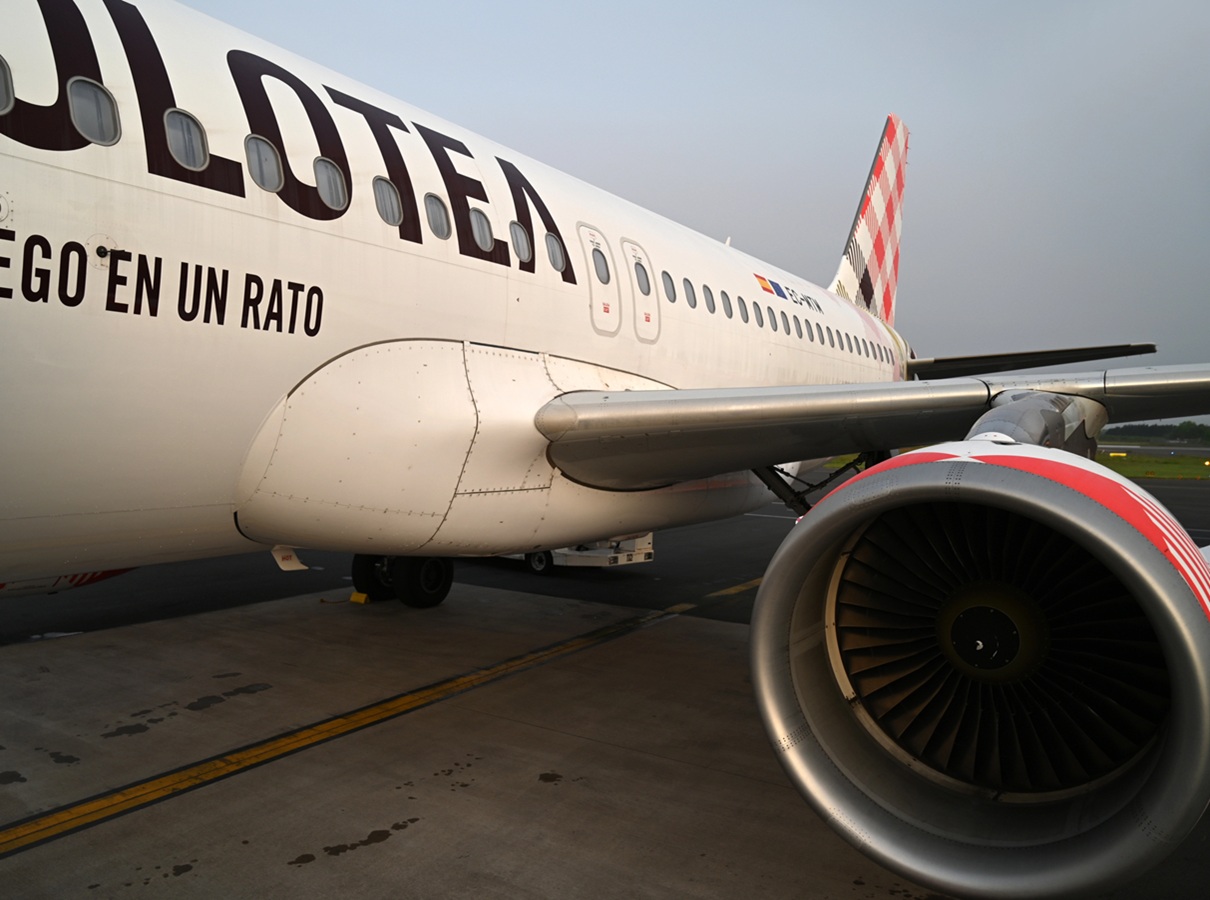
The Volotea Symbol

So many travel hopefuls will stay home during the October holidays while they had hoped to discover Faro or the Canary Islands.

And driving from Brest to reach Nantes airport to seek alternatives wasn’t exactly comfortable, but today it has become very expensive and the government’s promise of a few extra pennies at the pump won’t change the situation.

And, let’s face it, train travel isn’t a cheap alternative.

Despite these already adverse economic winds, the travel and transport industry remains a prime target for the government in its quest for new revenue sources to reduce the deficit. The 2027 Finance Bill (PLF 2027) takes aim at all players in tourism.


A Lepine-Style Tax Showdown

It notably plans to make the tax on the operation of long-distance transport infrastructures (TEITLD), with the rate possibly rising from 4.6 % to 12.2 % for the most profitable operators, and to raise from 20 € to 22 € per passenger the ceiling of the security and safety tariff (T2S) applicable to small regional airports.

The government also plans to draw 125 M€ from the surplus cash of the National Agency for Holiday Vouchers (ANCV) – risking weakening its efforts to help the poorest travelers – and to tighten the taxation on owners who rent out their properties via Airbnb.

No more, enough is enough.

When the cash cow has completely dried up, the tourism sector will have only one way to survive: continually raise the price of its services and cut the now-unprofitable offerings, risking forcing many would-be travelers to stay at home.


Laurent Guéna Publié par Laurent Guéna Journaliste – TourMaG.com
Voir tous les articles de Laurent Guéna

  • picto Linkedin
  • picto email
Ajoutez TourMaG à votre flux Google Actualités Google Actualités icône

7 Practical Ways to Reduce Your Carbon Footprint [ABO]


1. Start by measuring your carbon footprint

7 leviers concrets pour réduire son empreinte carbone - Depositphotos.com Studiostock

PONANT


Avant de définir un plan d’action, encore faut-il savoir d’où viennent les émissions. Un bilan carbone permet de distinguer celles liées au fonctionnement de l’entreprise de celles générées par les voyages vendus à ses clients.

For Jean-Christophe Guérin, who started reflecting on the topic after the Covid crisis, the first step is to establish a baseline. « When you step on the scale, it means that at some moment you take a snapshot and you need a number », he explains.

Inutile pour autant d’attendre de disposer de données parfaites pour commencer. « S’il n’y a pas de chiffre en face, ça ne marche pas. On peut se raconter ce qu’on veut », insiste le président d’ATR.

List the main emission sources, gather the available data, and identify areas of uncertainty. For a small organization, an initial estimate may be enough to start the process, with the possibility to refine it later. The aim is to understand where the most significant emissions lie.


2. Set concrete goals and track progress

<img src=”https://www.tourmag.com/my/tourmag/site/version2020/regie-video/pixel.png” width=”1″ height=”1″ style=”border:0px” id=”debloquage_article_abonnement”>Once the balance is established, it’s essential to prioritize. Trying to tackle every issue at once risks dispersing efforts. The company can begin with the highest-emitting areas, then set measurable objectives and a timeline.

Jean-Christophe Guérin thus worked from a reference year to track the evolution of his company’s emissions. He recommends watching the results over time and comparing them to economic activity.

« We need to give ourselves a zone for progress », he explains. For him, this approach should not be limited to a theoretical reduction of emissions: it should also help think about how the company will continue to create value.

Choose a few indicators to monitor regularly: emissions tied to the marketed trips, business travel, energy consumption, or the volume of printed materials. Define a reference year and set realistic targets for different milestones. A simple dashboard, regularly updated, is preferable to commitments that are hard to track.


3. Rethink trips, not just offices

For a professional who designs or sells travel experiences, the main lever isn’t necessarily inside their offices. It can also lie in how itineraries are built, how activities are selected, and how clients are advised.

Jean-Christophe Guérin cites the example of safaris in Africa sold under his Wild Life brand. The daily cost of parks often prompts travelers to limit their stay to a few days. His approach is to enrich the program with other experiences: local immersion, wildlife and flora discoveries outside the parks, meetings with NGOs, or cycling activities.

The objective is notably to encourage clients to extend their stay and to better discover the territory. « We look at the average length of stays by destination, and we target selling more days », he explains.

The rationale is also economic: having already flown long-haul, extending the stay can generate more value on site without adding a new international flight. The total impact, however, depends on transport, accommodation, and additional activities.

Practical advice: review catalog itineraries. Can unnecessary travel be limited, back-and-forth trips avoided, longer stops favored, or activities added that don’t require extra transport? The aim is to offer coherent stays, rather than adding experiences merely to show a responsible approach.


4. Change the travel habits of teams

Reconnaissance trips, business meetings, and commercial travels are part of the sector’s daily life. But their frequency and organization deserve scrutiny.

In his company, Jean-Christophe Guérin has notably revised the rules for reconnaissance trips. « I require that everyone can do one reconnaissance per year », he explains. He is also quite reserved about multi-day familiarization tours: « I don’t learn anything in four days. »

Conversely, when an employee is already traveling to a destination, prolonging their stay to work remotely can sometimes avoid a new trip later. The leader cites the case of a colleague who went on reconnaissance to Botswana, whom he prefers to keep longer on site to work remotely and enjoy the destination more.


6. Involve the teams in the process


7. Integrate the transition into the commercial strategy

Reducing your carbon footprint isn’t limited to a list of internal measures. For tour operators, agencies, and other travel professionals, the approach also questions the business model and the products offered in the medium term.

Jean-Christophe Guérin invites companies to project themselves five to ten years ahead. « Change isn’t for 2027 », he cautions, referring to 2035 and 2050 milestones. He believes it’s necessary to anticipate sector changes, especially those related to energy and fuel costs.

This reflection can also lead to gradually evolving the offer. Rather than sharply opposing two travel models, the company can test lower-emission itineraries, develop stays in France and Europe, or facilitate train travel when connections permit.

The ATR president also notes that professionals should not exclude travelers’ emissions from their consideration. « The question of a client’s plane ticket upon arrival at a destination must be included. Otherwise, we are looking the other way », he stresses regarding the carbon footprint of receptive operators.

A credible approach relies on concrete choices and tracked results, not just marketing arguments. Professionals who wish to embark on this path can reach out to ATR, which offers its members a carbon journey including a training webinar, a carbon assessment, and a reflection on emission reductions.


Retrouvez tous les articles de notre série “Agent Très Spécial – Le Guide Pratique du Pro” en cliquant sur ce lien.


Caroline Lelievre Published by Caroline Lelievre Journalist – TourMaG.com
See all articles by Caroline Lelievre

  • picto Twitter
  • picto Linkedin
  • picto email
Ajoutez TourMaG à votre flux Google Actualités Google Actualités icône

French Caribbean: Air Travel, Accommodations, Markets — Keys to Preserving Its Attractiveness [ABO]


Préservées des principales tensions géopolitiques, les Antilles ont tiré leur épingle du jeu en 2026. @depositphotos/s4visuals

PONANT


The French Antilles continued to perform well in 2026. In Martinique, arrivals rose 4% in 2025, with more than a million visitors. By the end of July 2026, the Martinique Tourism Committee (CMT) already reported “a little over 700,000 visitors”, with a stay length up by around 1.8%, according to its president Alexandre Ventadour.

Also read: Martinique: Alexandre Ventadour targets 1.3 million tourists in five years

In Guadeloupe, the latest consolidated figures show more than 750,000 staying tourists in 2025, up 4%. Including cruise passengers, attendance reached 1.2 million visitors, with economic benefits of 800 million euros according to the Guadeloupe Islands Tourism Committee (CTIG).

For tour operators, the outlook is also fairly positive, even if performances vary strongly from one destination to another.


The French Caribbean Remains Very Present with Tour Operators

For Exotismes, the French Caribbean continues to be the flagship destinations in the operator’s lineup. Guadeloupe accounts for 18% of the tour operator’s revenue and Martinique 15%. The Dominican Republic stands at 16%, while Réunion also weighs in at 15%.

« The Caribbean returns very strongly for us in bookings », notes Nelson De Almeida, France sales manager at Exotismes. He attributes this rebound in part to the French character of the destination. « It’s France; that reassures travelers », he adds.

The TO notes especially strong demand for villas. More than fifty addresses are offered between Martinique and Guadeloupe. An offering that satisfies individual travelers, but which the tour operator also aims to promote to agencies.

Exotismes is simultaneously working on budget management, with more all-inclusive packages and the launch of its Serenity Guarantee. This policy allows, in particular, to lock in prices and, depending on the offer’s terms, to cancel without fees up to 15 days before departure.

“The idea is to be able to offer French clients budget control right from the booking”, explains Nelson De Almeida.

The operator has also expanded its portfolio with immersive circuits in Martinique and Guadeloupe, organized around a single accommodation and accompanied by a local driver-guide.

Read also: Exotismes bets on all-inclusive and flexibility!


A Caribbean with More Varied Performance

The momentum should not be generalized to the entire Caribbean. At Turquoise, Éric Thomas observes very different situations depending on the destination.

“The Jamaica suffered a major cyclone that completely stopped sales,” he explains.

The Dominican Republic, on the other hand, is gradually improving. “Thanks to the return of Air France flights, we’re seeing a bit more sales again,” he continues. “For three years there were no Air France flights, so contracting became complicated.”


For the specialist, this situation directly illustrates the weight of air transport in the commercial performance of Caribbean destinations.

The return of air capacity therefore helps the market regain momentum, including for resorts. “Even though our DNA leans toward boutique hotels, Dominican Republic resorts still represent a sizeable share of our sales,” notes Éric Thomas.


Air Travel, Always the Nerve Center of the Game

This dependence on air travel also lies at the heart of the strategy for the French Antilles. In Martinique, Alexandre Ventadour does not hide it: “The backbone of the game is really air travel.” The CMT thus works with airlines and the Martinique Aimé-Césaire Airport to consolidate existing routes and develop new ones.

France remains the primary market for Martinique, accounting for about 70% of visitors. Canada is now the third-largest market, with around 10% of tourists, driven by connections to Montréal, Toronto, and Québec.

Guadeloupe follows a similar diversification path. In 2026, CTIG expanded its openness to Canada with Air Canada and Air Transat, while benefiting from stronger operations of Air France flights from Paris-Charles de Gaulle.

The destination also seeks to leverage its connection with Miami to capture more American visitors. Traffic from the United States is up 8% year over year according to CTIG, while Canada shows a 25% increase.

Europe is another channel. CTIG reports a 32% rise in travelers from Europe, with a notable 66% jump in bookings originating from Northern Europe for the period April 2026–March 2027.


A Move Upmarket That Also Comes via Lodging


Getting Guests to Spend More Rather Than Welcoming Them at Any Price

The volume issue now goes hand in hand with the issue of value. In Martinique, Alexandre Ventadour directly asks: “Once the tourist is with us, how can we make them spend?”

The CMT aims to develop crafts, culture, events, and tourism activities to multiply on-site spending opportunities.

A similar approach in Guadeloupe, where CTIG seeks to increase the economic impact generated by visitors by promoting spending on local activities and services.

Cruising fits into this value-seeking strategy. In Guadeloupe, CTIG advocates a controlled growth strategy rather than a race for the number of port calls. The 2026-2027 season maintains operations with Costa, MSC and Ambassador, while the luxury and ultra-luxury segment strengthens with Explora III, Four Seasons Yachts, and Orient Express.

In Martinique, Ventadour notes that cruising generated €20 million in economic impact in 2025. He also emphasizes its role in shaping air rotations, with Martinique serving as a home port for certain ships.

For 2027, the Antilles thus have several levers: bolster air capacities, conquer new markets, broaden the hotel offering, and multiply experiences.


Caroline Lelievre Published by Caroline Lelievre Journalist – TourMaG.com
See all articles by Caroline Lelievre

  • picto Twitter
  • picto Linkedin
  • picto email
Add TourMaG to your Google News feed Google Actualités icône

Exchange Rates: Euro Under Pressure Against the Dollar as Central Banks Pause


Economic Situation

Taux de change : l’euro sous pression face au dollar, les banques centrales temporisent - Depositphotos.com, Auteur pedro2009

PONANT


The U.S. Federal Reserve (the Fed) and the European Central Bank (the ECB) are expected to move on the same dates: nothing at the end of October, followed by a rise in their interest rates in December.

Since this scenario is already priced in, it will no longer differentiate the two currencies before January, unless a surprise, and it could come from the September U.S. inflation, published on Wednesday. In the background, energy prices remain the real risk.

American expectations moved quickly. Barely had the U.S. rate been set in the 3.75% to 4.00% range, investors priced in, by nearly 75% on September 29, a further increase on October 28. They now believe it with less than 20% probability. John Williams, one of the Fed’s leaders, ruled out any rush, and the country created only 29,000 jobs in September. The move is deferred, not canceled: by the December meeting, the probability of a hike is judged likely at 84%.

The ECB should follow the same path. Reuters polled 73 economists on October 8: 70 see it keeping its rate at 2.50% on October 29, and 64 expect it to raise in December. Again, the scenario is known, thus already priced in. Only a revision would move the markets: some capital would then flow toward the currency with the fastest rising yields.

The euro has fallen for five weeks in a row, the latest week a soft one, and it was worth 1.1210 dollars this morning. The risk, in our view, remains oil. Europe buys it abroad and settles in dollars, while the United States sells more than it consumes: a price spike weighs only on the former.

Or Riyadh was attacked this weekend, and tankers were targeted near the Strait of Hormuz, which keeps the pressure. Winter budgets are therefore built on fuel that remains expensive and on dollar-denominated services that will not become cheap again.


Exchange Rates: The Technical View

Bearish bets against the euro remained buoyant last week : short positions held by speculators weighed 99,300 contracts as of Tuesday, October 6, up 36,000 over seven days.

A U.S. inflation figure weaker than expected would force them to buy back euros. In our view, such purchases would push the European currency toward 1.13 dollars quickly, while a fall toward 1.11 would occur more slowly.

The U.S., Canadian and Japanese debt markets are closed this Monday: there are therefore few buyers and sellers. Oil, however, reacted to the news. Brent opened at $105.48, before retreating toward $103.90 when the United States hinted that Russian diesel could circulate. Currencies remained almost unmoved: 1.5977 Canadian dollars per euro this morning, 177.27 yen, the pound at 0.8463 and the Swiss franc at 0.9299. These levels will only be taken for granted after Tuesday’s session.

Thailand, meanwhile, is quietly firming ahead of winter. The baht has strengthened for a month: it took 38.31 bahts to buy one euro on September 9, versus 37.57 at the ECB reference rate on October 9, i.e., 1.9% less. A transaction priced by a Bangkok or Phuket intermediary at the back-to-school rate thus sees its margin shrink.


WEEKLY SUPPORTS WEEKLY RESISTANCES
S2 S1 R1 R2
EUR/USD 1.0986 1.1098 1.1322 1.1434
EUR/GBP 0.8294 0.8378 0.8548 0.8632
EUR/CHF 0.9113 0.9206 0.9392 0.9485
EUR/CAD 1.5657 1.5817 1.6137 1.6297
EUR/JPY 173.72 175.50 179.04 180.82


The supports and resistances shown below indicate respectively the lower and upper points within which prices are expected to move during the week.


The information presented in this publication is provided for informational purposes only and does not constitute investment advice, an offer to sell, or a solicitation to buy, and should in no case be used as a basis or be considered as an incentive to engage in any investment.


Mondial Change is a French financial institution, founded in 2015, specializing in the management of international payments and exchange rate risk.

Mondial Change supports many players in tourism, travel agencies, group organizers, tour operators, incoming operators…

www.mondialchange.com

Contact : [email protected]

Tourism Office: From Reception to Territorial Engineering [ABO]


Office de tourisme : de l’accueil à l’ingénierie territoriale ? - DepositPhotos.com, andreynekrasovone

PONANT


When Anne-Catherine Ostertag begins her career in the 1980s, the dominant model of the tourist office is still that of physical welcome: informing, handing out documentation, knowing the hours and accommodations, speaking the visitor’s language. Forty years later, this hierarchy of skills has been overturned and the traditional figure of the receptionist has largely disappeared.

But welcoming hasn’t vanished with time: it has transformed. The tourist office today must inform, but also analyze data, lead projects, support businesses, engage with local authorities, think about mobility, build offerings, and understand the social and environmental transformations of the territory.

In a few decades, we have moved from tourist information to territorial engineering», analyzes Anne-Catherine Ostertag.

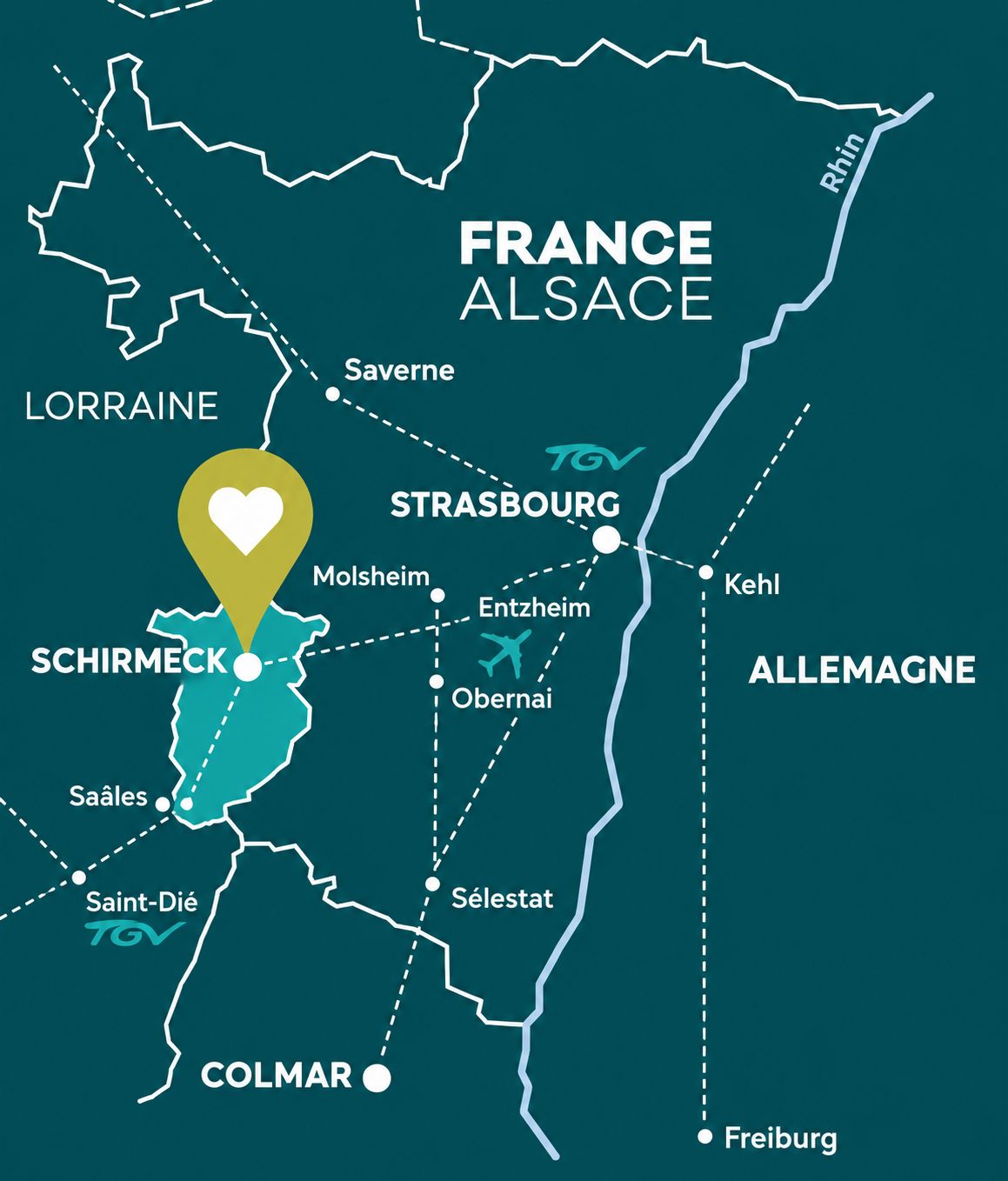
Her career illustrates this. Coming from social and family economics, she entered tourism with an internship at Gîtes de France, created her first office in Outre-Forêt, then joined the Bruche valley in 1988. This initial training centered on the social realm will prove decisive: listening, observing, understanding and showing empathy constitute the foundation of the profession.

As tools become more sophisticated, certain human qualities gain value. Curiosity is one of them. Anne-Catherine Ostertag has made it a key recruitment criterion, even favoring atypical backgrounds: a professional translator, but also a chemical engineer.

This latter background brought both a sensitivity to service and the scientific rigor useful for processing data and for observation. Because value no longer resides in the amount of information held. Knowing everything becomes impossible.

The job consists more in qualifying information: knowing not only that a site exists, but when to visit it, for which audience, under what conditions, and why. In short, transforming data into advice. This requires an intimate knowledge of the territory. Site visits, educational tours and direct experimentation with the offering must remain essential elements of ongoing training.

General knowledge, curiosity and knowledge of the territory thus become as important as technical skills. And that is the paradox of AI: the easier access to information, the more valuable the ability to make sense of it becomes.

Another revolution has occurred since the mid-2010s: the tourist office no longer works only for the tourist. Residents frequent local product shops, seek information about their own territory; newcomers also become an audience to welcome.

The office must now reach out to its publics, work beyond the walls and support local professionals. It becomes a player in the territorial relationship.

The history of the Bruche valley provides an illustration. When Anne-Catherine Ostertag arrived there in 1988, the territory underwent the decline of the textile industry. Tourism was sometimes seen as a substitute activity for a territory that would have no other economic future.

The first challenge is then less about attracting tourists than about restoring confidence in the residents: inviting them to tell their valley, allowing them to become aware, through visitors’ eyes, of the value of what they consider ordinary. This is already a form of territorial engineering: building a collective narrative from what actually exists rather than fabricating an artificial destination.


The new HR challenge: learning how to learn and becoming a “trusted third party”


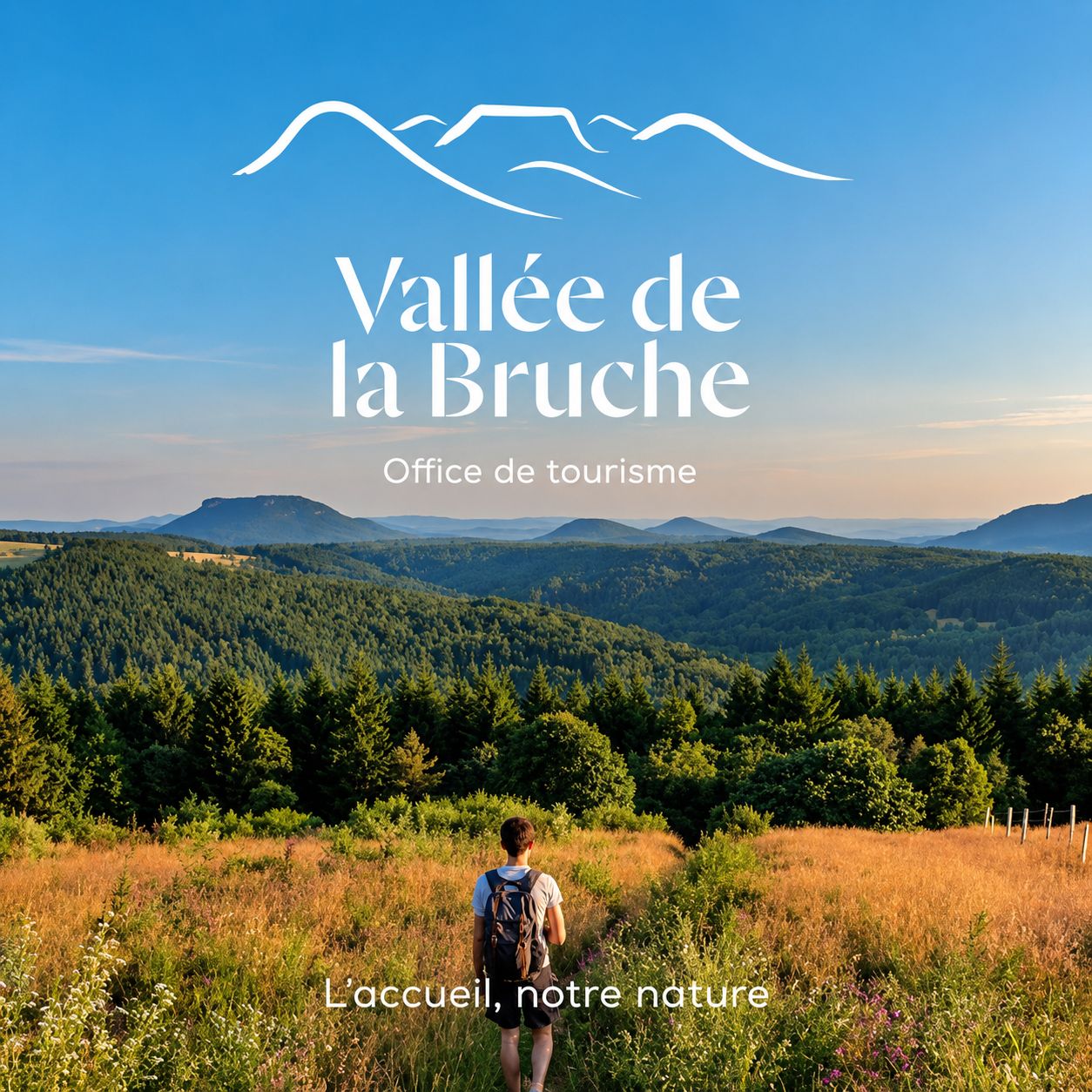
La Vallée de la Bruche dans le Bas-Rhin - Photo OT Vallée de la Bruche

Digital skills are now essential, ranging from practical mastery of a spreadsheet to data analysis. But they must be accompanied by project management abilities and a capacity to work with local authorities, businesses, associations and funders.

Another central skill becomes crucial: knowing how to adopt the user’s point of view, “putting on the tourist’s eyes.” How does a visitor reach a hike from the station? What obstacles does a person with a disability encounter? What information is he really missing?

Mobility illustrates this evolution. For a long time, the tourist offering was designed around cars. It must now consider trains, bikes, walking, intermodality and the continuity of the journey. New skills emerge at the intersection of tourism, transport and planning.

More broadly, climate, agriculture, mobility, culture, urban planning, biodiversity or digital technology force tourism professionals to engage with very different worlds.

Hence, what should be recruited? Probably less a fixed catalog of skills and more a permanent capacity to learn. For Anne-Catherine Ostertag, the main HR challenge is to find professionals able to question themselves, to keep learning, and not to stay trapped by established practices.

She sees AI as an opportunity: it can automate certain tasks, speed up processing and free up time. But it also creates a risk: the possibility of plausible, perfectly worded information that is false. Hence a new strategic function for tourism offices: to become trusted third parties. In a world of information overload, the office may no longer be the holder of information, but the one who can verify it, contextualize it, and guarantee it thanks to its knowledge of the territory.

The foresight of occupations cannot be separated from that of organizations. Who should do what tomorrow? For Ostertag, the answer cannot be purely legislative. In the face of territorial diversity, she favors a subsidiarity logic, based on dialogue, common sense, and the search for the best added value at each level. The same thinking applies to skills.

Territorial tourism workforce planning (GPEC) could become a reflection on the ecosystem of skills needed by the territory. Some will stay within offices; others will be pooled at departmental, regional or national scales; again others will need to be sought from specialists in mobility, climate, data or planning. The challenge is no longer that every office can do everything, but that it can mobilize the right expertise.


Preserving the uniqueness of tourism


La Vallée de la Bruche

This cross-cutting approach carries however a risk: the risk of diluting tourism into broad attractiveness policies. Economic development, agriculture, residential life and business location fall under a holistic vision of territorial planning.

But they should not obscure the singularity of tourism: hospitality. Not easily measurable by profitability alone, it remains an essential territorial capital. The office can thus become a space of mediation between visitors, residents, professionals and elected officials, a kind of “glue” in territories and a society that is increasingly fragmented.

This evolution also changes the role of leaders. Running a territorial office is no longer just about increasing attendance or economic spillovers. One must participate in decisions about the very model of tourism: what kind of tourism do we want? Which projects are compatible with water resources, land, or landscapes?

The director of a territorial office (rather than tourism) will tomorrow need to understand environmental, economic and territorial issues, dialogue with elected officials and defend a vision. This requires a competence rarely listed in job descriptions: the courage to arbitrate.


Hence, tomorrow’s tourism professionals may be less exclusively “touristic.” They will need to understand data and AI, but also mobility, the environment, public policies and planning.

They will work with farmers as well as with digital specialists, with residents as well as with elected officials. And they will also need to preserve at the same time what lies at the heart of the trade: welcoming. So atypical career paths could take more space.

Social sciences, engineering, geography, environment, culture or digital fields can enrich tourism’s traditional skills. The HR challenge will be less about finding a candidate who already masters all dimensions of a position than about identifying someone who possesses the curiosity, empathy, rigor and capacity to learn needed to grow with them.

Finally remains a skill that artificial intelligence does not render obsolete: deeply knowing one’s territory. In the Bruche Valley, lacking some traditional markers of Alsatian tourist imagery, it was necessary to build a destination from its own distinct traits: its landscapes, its people, hiking, its industrial and social history, and the contemporary memory of the Struthof.

This experience perhaps sums up the future of the profession. The professional will not merely need to know an offer and know how to sell it, but to understand what makes a territory unique, to preserve it, to tell its story, and to connect it with those who live there or discover it. The Bruche Valley’s motto, “L’accueil, notre nature”, then takes on a particular resonance.

Tourism will remain, first and foremost, a meeting: that between a visitor, residents and a territory. And this meeting will stay deeply human.


Allibert Trekking Rebrands to Broaden Its Customer Base [ABO]


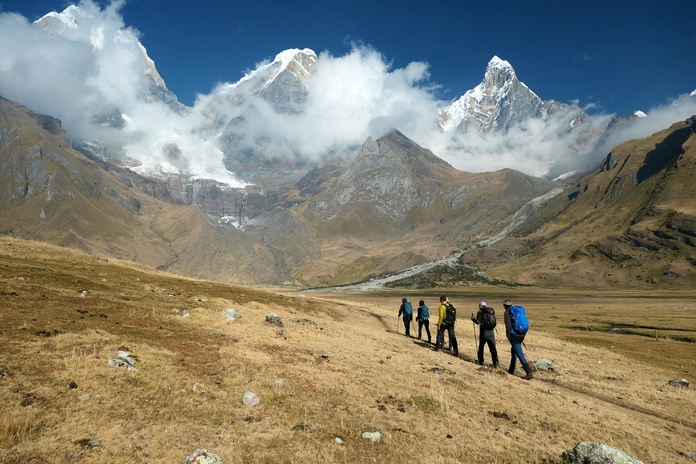
Si le tour-opérateur Allibert Trekking reste un spécialiste de la montagne et des randonnées de niveau élevé, il propose également des formules avec des niveaux d’intensité accessibles. @Benjamin Feuillet

PONANT


Allibert Trekking veut dépoussiérer son image sans renier son héritage. Historiquement associé à la haute montagne et aux treks engagés, le tour-opérateur souhaite désormais montrer que l’aventure ne se résume pas à l’effort physique ni au dépassement de soi.

« Sur les salons, des gens nous disaient régulièrement : c’est beau, vos images, mais Allibert Trekking, ça doit être dur. Donc ce n’est pas pour moi », explique Frédéric Giroir, directeur général du tour-opérateur Allibert Trekking.

Cette perception ne correspond plus tout à fait à la réalité de l’offre. Près de la moitié des voyageurs choisissent aujourd’hui des formules et des niveaux d’intensité accessibles, avec des activités qui peuvent se limiter à quelques heures par jour. « Il était temps de recoller à notre réalité, tout en restant ce que nous sommes, un spécialiste de l’aventure, et sans renier l’héritage qui reste une force », souligne-t-il.

Avec sa nouvelle signature, « L’aventure est une question de point de vue », Allibert Trekking entend donc élargir son public. « L’ascension d’un sommet reste une forme d’aventure, mais dormir sous une tente, découvrir la nature ou simplement sortir de son quotidien peut aussi en être une », rappelle le directeur général d’Allibert Trekking.

Le tour-opérateur conserve ainsi son positionnement historique sur la montagne et les randonnées de niveau élevé, tout en renforçant la visibilité de ses propositions plus accessibles.


Allibert Trekking: Tailor-made travel to meet the new expectations


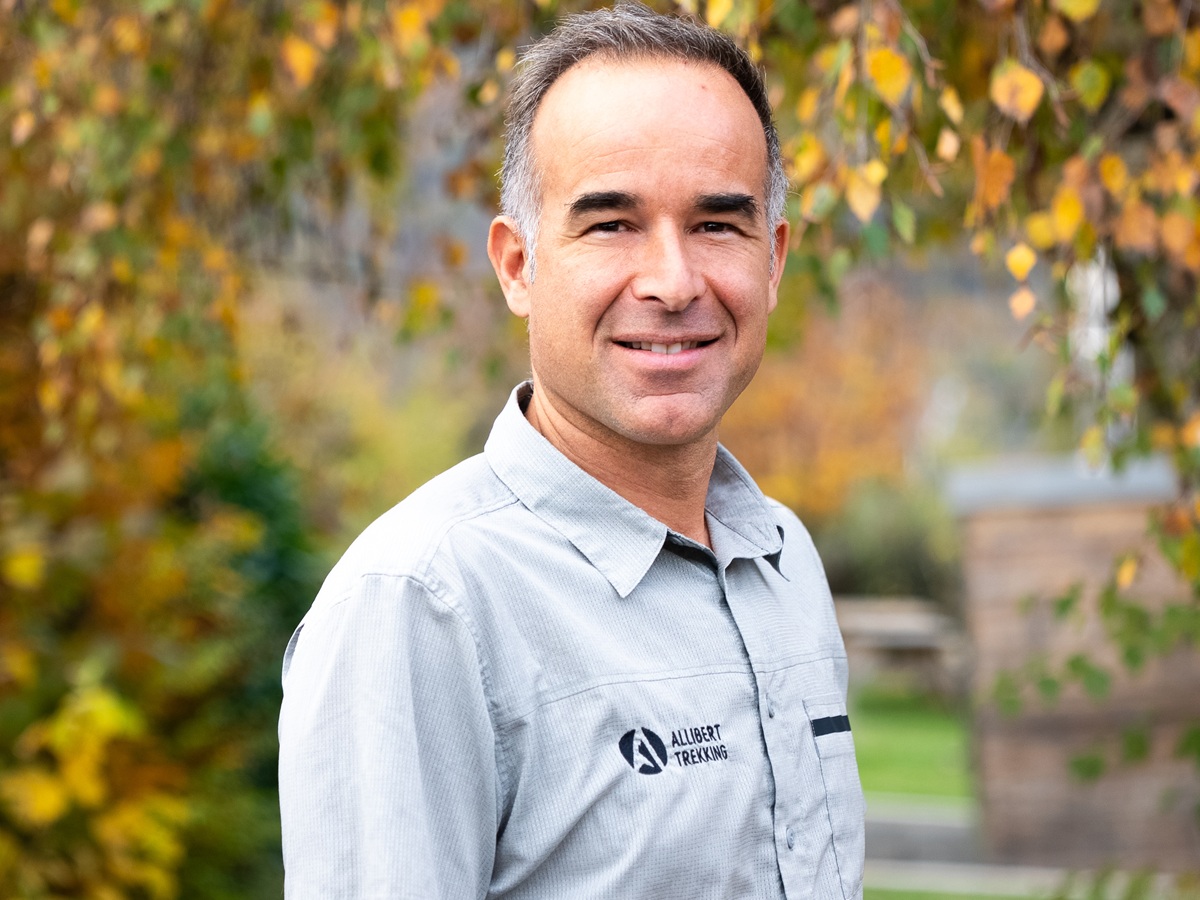
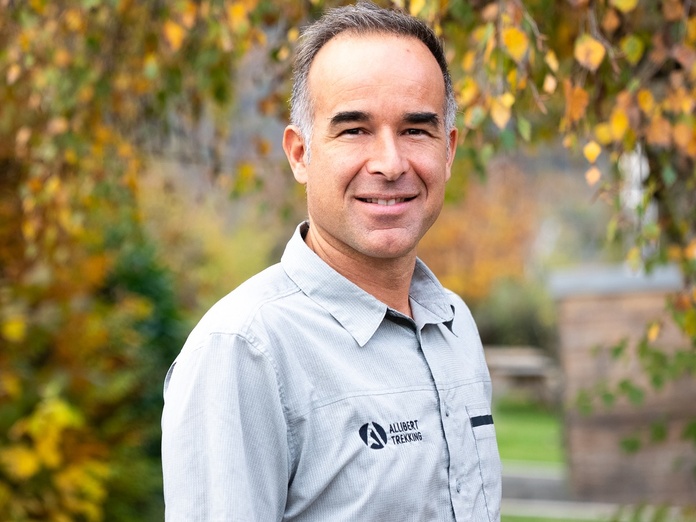
Frédéric Giroir, directeur général du tour-opérateur Allibert Trekking. @allibert trekking

Cette évolution de l’image accompagne une transformation de la demande. Pour Frédéric Giroir, le voyage d’aventure continue de progresser parce qu’il répond à plusieurs attentes : l’immersion dans la nature et la culture, l’activité physique et la découverte de lieux hors des sentiers battus.

« Parallèlement à la demande historique sur les grands itinéraires de randonnée, qui continue de progresser, nous observons l’arrivée de nombreux nouveaux clients, qui découvrent le concept de voyage d’aventure », précise-t-il.

Ces voyageurs recherchent une expérience plus équilibrée, entre activités et culture, effort et réconfort, pique-nique et gastronomie. Une évolution qui favorise le développement des voyages privatifs et personnalisés. « La personnalisation est particulièrement adaptée à ces nouvelles demandes : on peut sur-mesuriser en dosant les bons ingrédients », résume Frédéric Giroir.

Le développement du sur-mesure constitue ainsi l’un des principaux axes de croissance du voyagiste. Les voyages privatifs permettent aux familles et aux groupes d’amis de choisir leurs dates, mais aussi d’adapter les prestations à leurs envies.

Cette dynamique concerne désormais davantage le long-courrier. Longtemps limitées par leur coût, les formules privatives y rencontrent un intérêt croissant. Les voyageurs souhaitent partager une expérience entre proches, tout en associant les incontournables culturels aux activités de pleine nature.

Allibert Trekking développe notamment ses propositions sur les niveaux d’activité 1 à 3, en complément de son offre historique de trekking plus engagé.

Le tour-opérateur compte près de 30 000 voyageurs par an, pour un chiffre d’affaires d’environ 60 millions d’euros. La fidélité demeure un autre marqueur de son activité : la moitié de sa clientèle est déjà partie avec lui.


A 2026 disrupted by the geopolitical context


Allibert Trekking adopte une nouvelle identité visuelle pour mieux refléter la diversité de son offre. @allibert trekking

Cette stratégie s’inscrit toutefois dans un environnement commercial incertain. La guerre au Moyen-Orient et ses conséquences sur les liaisons aériennes ont pesé sur les décisions de départ au printemps.

« Entre mars et juillet, la demande était en recul de 15% », indique Frédéric Giroir. Cette période est particulièrement importante pour les inscriptions, qui conditionnent une grande partie de l’activité annuelle.

Le long-courrier a été particulièrement touché. Il représente environ 25% des voyageurs d’Allibert Trekking, mais près de la moitié de son activité en valeur. Les difficultés de desserte en Asie et en Afrique orientale, notamment en raison de la dépendance aux compagnies du Golfe, ont pesé sur les ventes.

Depuis juillet, la situation s’est néanmoins améliorée. « La demande est revenue à un niveau comparable à celui de l’année précédente, après plusieurs mois d’hésitation des clients », précise Frédéric Giroir.

Pour 2027, le voyagiste reste attentif à l’évolution des prix du pétrole et à leurs répercussions sur le coût des voyages.


Retrouvez ici toute l’actualité touristique liée à la crise au Moyen-Orient


Volotea: 92% Cancellations in Rennes, 62% in Bordeaux — Discover the Scale of the Cancellations [ABO]


La France représente plus de la moitié des annulations de Volotea en octobre et aussi en novembre - Depositphotos

PONANT


Volotea is racing against the clock.

By opening a “preconcurso” procedure to restructure its debt, it secured a three-month breathing spell.

By the latest end of December, it must therefore be able to reach an agreement with its creditors, notably the Sociedad Estatal de Participaciones Industriales, the SEPI, for its 200 million euros loan taken during the health crisis.

On top of this amount, there is the bill caused by the surge in kerosene prices, which has boosted its costs by around 150 million euros.

To provide lenders with signs of sustainability and to restructure the company, Volotea published a plan that foresees the removal of 50 jobs, mainly in Barcelona, but also a reduction of its fleet, which should fall from 45 to 35, or even 30 aircraft.

And management quickly moved from words to actions.


By regularly monitoring the carrier’s flights, it is rare to find more than 26 aircraft in the air at the same time. The number tends to hover between 15 in recent days and 25 at most.

Moreover, the reduction in offer, and thus in the active fleet, had at one point led management to suspend its charter activity.


Volotea: “We’re getting cancellations by the bucketload”

It has returned in smaller proportions and only for a few dates, betraying a sharp reduction in supply. What happened to these aircraft? No one knows. It is possible that some of them have been returned to leasing companies, although that comes at a cost.

“Some airlines have leasing contracts that include a ‘power by the hour’ component — i.e., a payment based on the aircraft’s actual usage.

If that is the case, leaving planes idle when demand slows and costs rise can be a way to reduce losses,” explains an expert.

This fleet reduction, aimed at minimizing cash burn, leads to sometimes harsh schedule adjustments in the program, notably in France.

And this is not neutral for tourism professionals, as Toussaint holidays approach. They find themselves confronted with cancellations left and right, without always having backup options.

“We’re getting cancellations by the bucketful,” laments an intermediary specializing in air distribution.

The situation is such that travel agents have tried to protect their clients for upcoming flights. Except that, given the carrier’s unique position on certain routes, it can be very difficult to find solutions.

Looking at the figures, we measure the scale of the task and the difficulties that also affect travelers. The reduction of the October flight plan was 27.8% for France, according to statistics provided by OAG.

The global provider of transportation data told us the number of flights planned in October as of August 3, then the number of flights actually scheduled as of October 11.

And this regulation affects French airports differently, although all platforms appear concerned. At the top of the list, Perpignan stands out with 81.8% of flights canceled, followed by Bastia (-62.4%) and Brest (-56.5%).


Volotea trims its October 2026 schedule

Data provided by OAG

By departure country

Change in the number of flights scheduled from airports in each country.

The 10 most affected airports

Source : OAG Analyser, Schedules Power Table. Flights operated by Volotea (IATA code V7), non-stop, from the European regions EU1 and EU2, monthly frequencies in one-way.

Method : comparison of the October 2026 program published on August 3, 2026 and on October 11, 2026. Each flight is counted once, at its departure airport.

‘+
‘

‘+pct(t0,t1)+’‘+fmt(t1)+’ flights vs ‘+fmt(t0)+’

‘+
‘

‘+rows.filter(function(r){return r[3]*/
– truncated content for readability – placeholder for widget summary
}
function rankings(){
$(‘vto-rnote’).innerHTML=(mode===’v’?’Ranked by the number of flights canceled from the schedule.’:’Ranked by the share of the original schedule that was canceled.’)+’ Airports with at least 10 flights in the initial program.’;
var srt=mode===’v’?function(a,b){return (a[3]-a[2])-(b[3]-b[2])||b[2]-a[2];}:function(a,b){return (a[3]/a[2])-(b[3]/b[2])||(b[2]-b[3])-(a[2]-a[3]);};
var html=””;
[[cur,”]].forEach(function(m){
var base=D[m[0]].rows.filter(function(r){return r[3]=10;});
[[‘France’,function(r){return r[1]===’FR’;}],[‘Europe (excluding France)’,function(r){return r[1]!==’FR’;}]].filter(function(g,k){return geo===’FR’?k===0:k===1;}).forEach(function(g){
var top=base.filter(g[1]).sort(srt).slice(0,10);
var mx=mode===’v’?Math.max.apply(null,top.map(function(r){return r[2]-r[3];})):100;
html+=’

‘+g[0]+’
‘+
top.map(function(r,i){var d=r[2]-r[3],w=mode===’v’?d/mx*100:d/r[2]*100;
return ‘

‘;}).join(”)+’

# Aéroport Initial → Revised ‘+(mode===’v’?’u00E9cart’:’Var.’)+’
‘+(i+1)+’ ‘+esc(r[0])+(r[1]!==’FR’?’‘+esc(CN[r[1]])+’‘:”)+’ ‘+fmt(r[2])+’ → ‘+fmt(r[3])+’ ‘+(mode===’v’?’-‘+fmt(d):pct(r[2],r[3]))+’‘+(mode===’v’?pct(r[2],r[3]):’-‘+fmt(d)+(d>1?’ flights’:’ flight’))+’

‘;
});
});
$(‘vto-rkg’).innerHTML=html;
}
var COLS=[[‘Airport’,0,”],[‘Country’,1,’vto-hide-m’],[‘Initial’,2,”],[‘Revised’,3,”],[‘Δ’,4,”],[‘Var.’,5,”]];
function table(){
$(‘vto-thr’).innerHTML=COLS.map(function(c){return ‘

‘+c[0]+’

‘;}).join(”);
var q=($(‘vto-search’).value||”).toLowerCase().normalize(‘NFD’).replace(/[u0300-u036f]/g,”);
var rs=D[cur].rows.map(function(r){return [r[0],CN[r[1]],r[2],r[3],r[3]-r[2],r[2]?(r[3]-r[2])/r[2]:0];});
rs=rs.filter(function(r){return !q||(r[0]+’ ‘+r[1]).toLowerCase().normalize(‘NFD’).replace(/[u0300-u036f]/g,”).indexOf(q)>-1;});
rs.sort(function(a,b){var x=a[sortK],y=b[sortK];if(typeof x===’string’)return x.localeCompare(y,’fr’)*sortD;return (x-y)*sortD||b[2]-a[2];});
$(‘vto-tb’).innerHTML=rs.map(function(r){return ‘

‘+esc(r[0])+’ ‘+esc(r[1])+’ ‘+fmt(r[2])+’ ‘+fmt(r[3])+’ ‘+sgn(r[4])+’ ‘+pct(r[2],r[3])+’

‘;}).join(”)||’

Aucun résultat

‘;
}
root.querySelectorAll(‘.vto-gb’).forEach(function(b){b.addEventListener(‘click’,function(){geo=b.getAttribute(‘data-g’);root.querySelectorAll(‘.vto-gb’).forEach(function(x){x.setAttribute(‘aria-selected’,x===b?’true’:’false’);});rankings();});});
root.querySelectorAll(‘.vto-swb’).forEach(function(b){b.addEventListener(‘click’,function(){mode=b.getAttribute(‘data-s’);root.querySelectorAll(‘.vto-swb’).forEach(function(x){x.setAttribute(‘aria-selected’,x===b?’true’:’false’);});rankings();});});
render();
var vp=$(‘vto-vp’),trk=$(‘vto-trk’),sl=trk.children,si=0,stp=root.querySelectorAll(‘.vto-st2′);
function fit(){vp.style.height=sl[si].offsetHeight+’px’;}
function go(i){si=Math.max(0,Math.min(sl.length-1,i));trk.style.transform=’translateX(‘+(-100*si)+’%)’;
for(var k=0;k50&&Math.abs(dx)>Math.abs(dy))go(si+(dx