
Presidential Election: Alliance France Tourisme Unveils Its Five Priorities


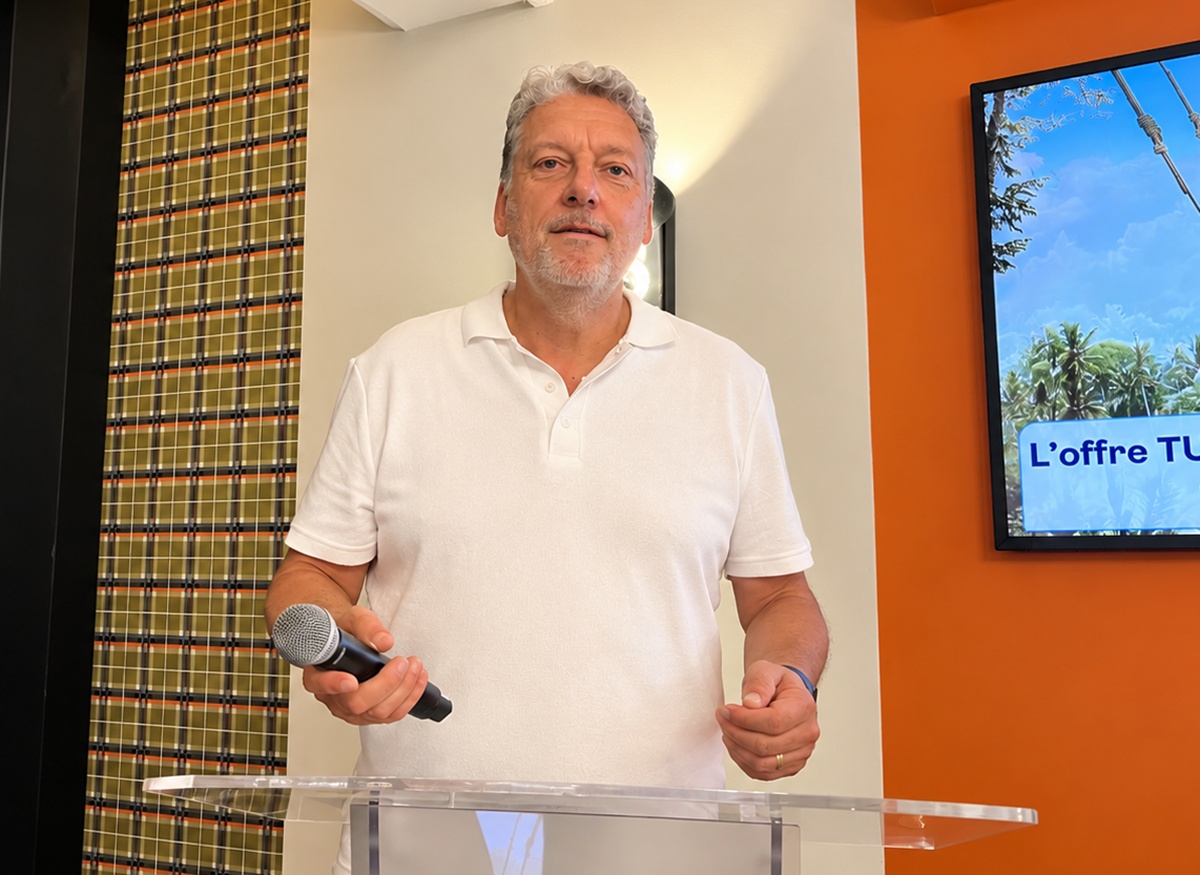
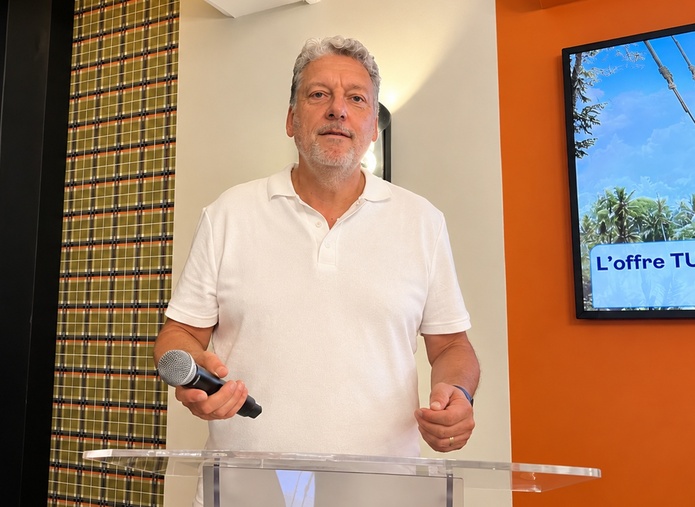
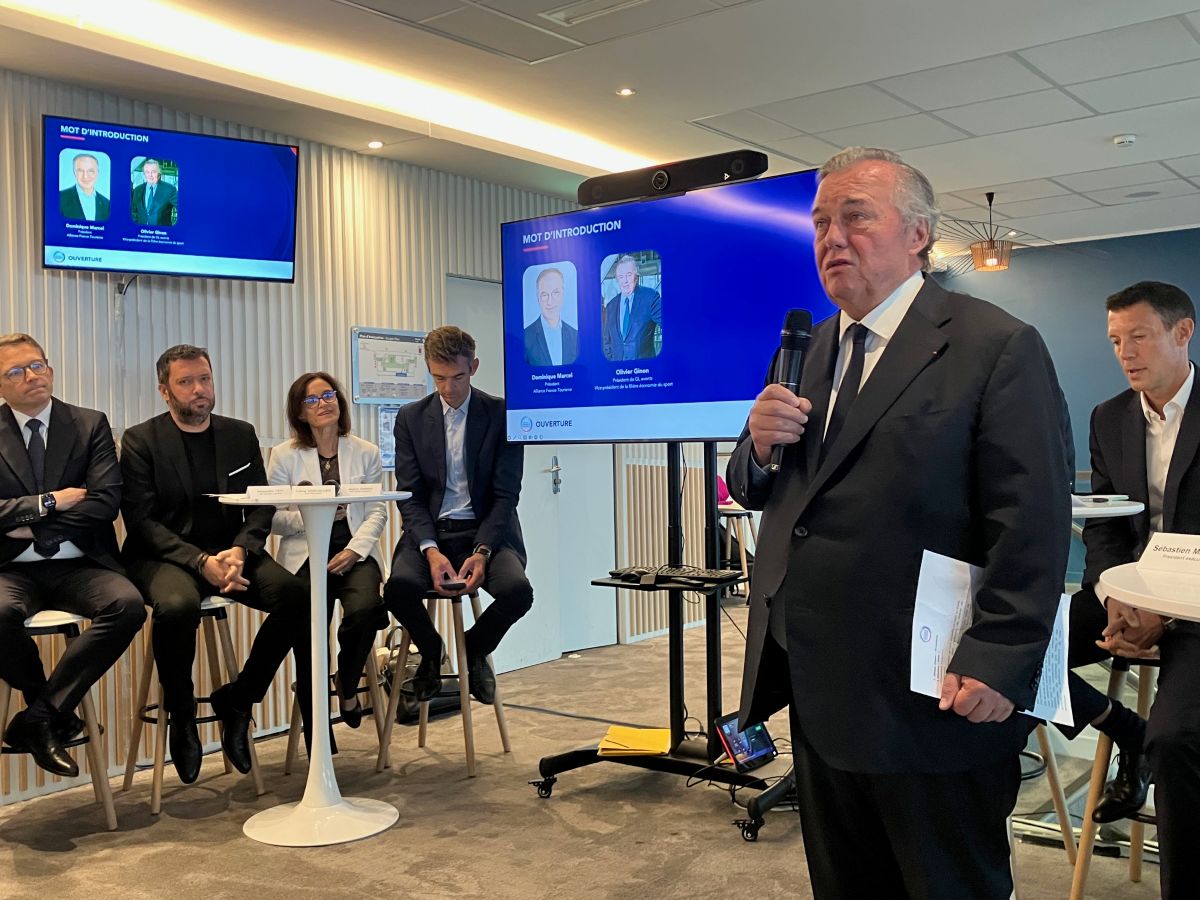
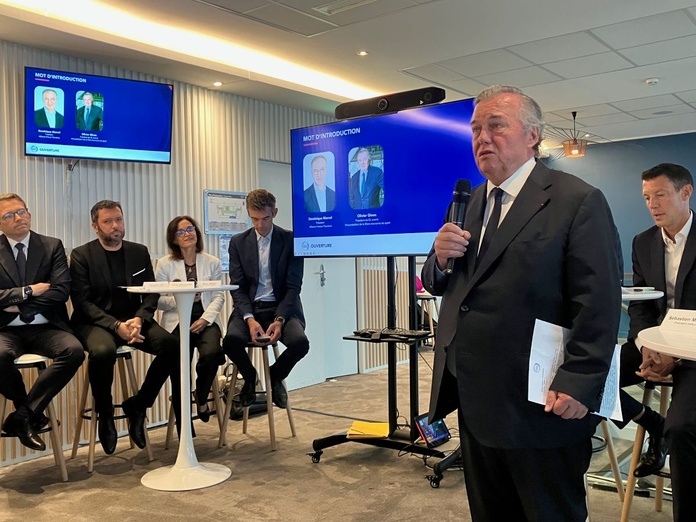
Olivier Ginon (GL Events) et les professionnels du tourisme réunis au Stade de France. Photo: TB

CroisiEurope


Between the Pope’s visit on September 25 and France’s national team football match on October 2, the window of opportunity at the Stade de France was narrow. Yet it was enough for Alliance France Tourisme to convene a gathering there on September 28.

It was not on the pitch, but in a hushed lounge opening onto the stands, that the organization gathering France’s leading companies in the sector unveiled its proposals to weigh in on the debate of the upcoming presidential election.

The chosen venue was not merely symbolic of France’s capacity to make events (sporting, cultural…) a lever for tourism today and tomorrow.

It also served as a reflection of a tourism landscape today largely driven by private players who fight to ensure France remains the world’s top tourist destination.


« We Must Go After the Clients »

Thus, the swift introduction of Olivier Ginon, CEO of GL Events, a group specialized in business tourism and events, who took over Stade de France management in August 2025 and has notably expanded major concerts there.

« In 12 months, we welcomed a million more visitors than in previous years, with strong economic spillovers for the regions » he noted, a pointed nod to the previous administration.

« We need product strategies, we must go after clients », he added, seeing in that a proof that ambitious goals can pull a country that had been at a standstill forward. We all hope for a powerful rebound after the election.


A Clear Course and a Stable Framework

Alliance France Tourisme outlined a roadmap, because « it is not forbidden to dream that some candidates take an interest in tourism » added Dominique Marcel, president of the organization.

« We are not asking for money: we want a direction, political leadership and a stable framework » explains Alliance France Tourisme, with the aim of creating value rather than merely hosting more international visitors.

The short-term objective is to lift international visitor spending from €77.5 billion in 2025 to €100 billion by 2030, without « bringing more people to the same places, at the same times ».

Meanwhile, Alliance France Tourisme notes that the French represent two-thirds of France’s €222 billion in tourism expenditure and that « this reality must stay at the heart of any national tourism strategy ».

Read also : Tourism: “maintaining an accessible offer is a challenge for our economy,” according to Serge Papin


Three Measures to Boost International Revenues

Thus, simply lengthening all visitors’ stays by half a night (for trips ranging from 3 nights to a month) would translate into an additional €5.8 billion in revenue, calculated by the organization.

In the same logic, improving experiences with a clearer, higher-quality offering would raise the average spend by 15% over five years without increasing the flux, yielding €12.7 billion in revenue.

Finally, a strengthened off-season tourism (mountains in summer, cities outside peak season, developing offerings in new destinations) could boost overnight stays by 5% in five years, equating to an extra €4 billion in revenue.

Read also : Tourism: France is not the world’s leading destination, according to the president of Alliance France Tourisme


A Long-Term Vision, Over 20 Years

To strengthen the tourism and events sector, Alliance France Tourisme has also laid out five long-term priorities with actionable measures and measurable results.

The first is to equip France with a 20-year national strategy that endures through every political transition.

It would be revisited every five years, based on the impact of decisions taken (calculated using 3 to 5 reference indicators kept constant over time) and to adapt to evolving conditions.

The organization advocates for ongoing leadership that brings together the State, the regions and businesses for greater effectiveness.


Simplify Procedures and Encourage Investment


Secure the Financing of Apprenticeship

Employment and training constitute the fourth priority. In the AI era, human intelligence remains essential in a service-oriented profession, notes Alliance France Tourisme.

Yet, the organization believes it is necessary to “safeguard support for apprenticeships and work-study and guarantee multi-year stability of their funding.”

It also calls for an “Act II” of the Avenir Professionnel law by developing degree programs in companies, and to improve pathways to support social mobility and entrepreneurship.


Better Structuring of Excellence Pathways

Finally, Alliance France Tourisme seeks a better structuring of excellence pathways ( gastronomy, craftsmanship-focused tourism, heritage, oenotourism… ) to stand out in an increasingly competitive international landscape.

« France possesses unique assets but too often presents them separately. We must move from simply adding know-how to true chains of excellence ».

In this framework, events and business tourism must form a strategic axis, according to Alliance France Tourisme, through the establishment of a national plan to conquer congresses, trade shows and events and a better coordination between sport, culture, tourism and events to encourage longer stays.

Building on this contribution to the 2027 presidential election, the organization will now need to share its tourism vision with the various candidates.


Thierry Beaurepère Written by Thierry Beaurepère Journalist
See all articles by Thierry Beaurepère

  • picto Linkedin
  • picto email
Add TourMaG to your Google News feed Google Actualités icône

France: The Portrait of People Who Don’t Take Holidays

France : voici le portrait-robot des non-partants en vacances ! - Depositphotos.com @ alphaspirit

CroisiEurope


As every year, the IFTM is the moment when the Tourism Minister reveals the excellent summer performance.

The 2026 edition did not deviate from the rule.

Serge Papin highlighted the solid performance of foreign clientele, which generated revenues amounting to 49.5 billion euros between January and the end of July 2026, i.e. +3.7% compared to 2025.

A whole list of outbound markets in growth followed. But the fog remains regarding the French, because indicators would be weak and more trending downward, according to our information.

Among the statistics unveiled: the rate at which French people depart within France in the heart of summer, in July–August, fell by 5 points to 59%, and 84% of French vacationers did so domestically.

“We have 60 % of the French going on vacation each year. This rate has remained the same for decades. And the 40 % of French who do not travel is a remarkably stable figure.

In the past, SOFRES conducted fairly valuable surveys on tourism topics, but this theme is almost abandoned today.

Then all surveys are now conducted online, except one stubborn one: Guy Raffour. His firm and its 16 investigators do Benedictine-like work. They even, for the first time, shed light on those French people who do not go on vacation
“, explains Jean-Michel Blanc, former director of vacations at the Caisse centrale d’activités sociales.


22 million French people did not go on vacation

To detail the portrait of non-travellers in France, and the reasons for this situation, Guy Raffour, director of Raffour Interactif, bases his work on real people who take phone calls.

And how does this change things compared to ticking boxes on a website?

“The 16 interviewers call by telephone and compile 400 hours of interviews.

This methodology changes a lot, especially when focusing on non-participants, because the characteristics that keep them from traveling are the same ones that cause them not to appear in online panels.

They are more distant from the Internet, from technological tools, from large cities and are also less mobile“, Raffour explains.

These are also people whom one must win over, so they open up about the reasons they do not go on vacation. They feel marginal, especially due to the social pressure surrounding holidays.

Read: Tourism in France: a 2026 summer marked by contrasts between international clientele and French choices

The telephone interview therefore holds particular importance.

“It is a central subject, because going on vacation has become an essential need.

Thus, in 2025, 61% of French people aged 15 and over in mainland France went on vacation. Those who took long non-commercial stays accounted for 37%. Long commercial stays accounted for 41%.

From this total, subtract 17%, as these are the people who undertake both types of stays. We adopt the UNWTO definition of vacations, i.e., four consecutive nights away from the habitual residence.

We exclude trips for concerts, festivals or events, unless they included an extension before or after.

In 2025, there were 39% non-participants. This represents 22 million French people. The reasons are very varied
“, analyses Raffour.


Non-participants: mainly elderly people and residents of small towns

Let us now draw the robot portrait of non-participants.

Still according to the survey, the average monthly income before tax for a household that traveled was €3,750, versus €2,315 for a household that did not travel.

The difference stands at €1,445.

“A second important characteristic is an 11-year age gap between non-participants and those who travel, the latter being younger.

If those aged 25–50 have the highest departure rate, those aged 65 and over have the highest non-departure rate, at 60%, ahead of the 15–24 and 50–64 groups, each at 35%.

Moreover, the more people there are in a household, the higher the departure rate.
“, Raffour reveals.


A social determinism: “workers travel much less than employees”

On socio-professional categories, a few surprises emerge.

Contrary to what one might expect, the highest non-departure rate is among retirees, at 58%. They follow by workers at 44%, farmers at 41%, employees at 36%, and traders at 35%.

The departure rate is 81% for intermediate professions.

“The primary reason people say they didn’t travel is simply insufficient income, so financial constraints take precedence. Then, given international instability and the national context, the French prefer to save.

There is also a difficulty in spotting travel assistance. They exist, but part of the population cannot access them. Social organizations must talk about vacations
“, explains Raffour.

Moreover, with the upgrading of the French tourism industry, some respondents noted a lack of entry-level offers.

There are also professional constraints, especially for job seekers, those who change employers, but also precarious workers.

To this, add all those who have trouble being replaced, such as farmers, doctors, firefighters, etc. There is also a social determinism that blocks vacation departure.

“When one has not had the capacity to travel with family or friends, it leads to social reproduction, as Bourdieu stated.

And this is true to the extent that, even when wages of workers and employees are almost equal, workers travel considerably less than employees.

Many people told us they do not know how to plan and organize their vacations. Illiteracy in digital tools is also a major issue to combat.

Finally, the aging population, which is unlikely to improve, brings health problems and loneliness
“, concludes Raffour.

There is therefore no single explanation, and there are many levers to achieve greater social justice, provided one is willing to activate them.


Holidays: an entirely interactive infographic on non-participants in France

No vacations in 2025

39%

22 million French peopleaged 15 and over in metropolitan France

The portrait-robot

€

Who travels the least?

Test a profile

Scores by criterion, not cumulative.

Why they don’t travel

N°1

Insufficient incomePrioritizes essential expenses; no vacation on credit

Source : Raffour Interactif 2026 Barometer “Short stays, holidays, e-tourism”, 1,000 telephone interviews, quota sampling. Holidays: at least one leisure stay of four nights or more. Revenues, age gaps, gender, Paris region and household size: Guy Raffour on TourMaG.com (22 September 2026).

‘;}

/* 1 : pictograms */
var ppl=root.querySelector(‘#rnp-people’),ic=”“,h=””;
for(var i=0;i’+t.k+”;}).join(”);
function showTrait(i){
curT=i;var t=T[i];
[].forEach.call(tb.children,function(b,n){b.setAttribute(‘aria-pressed’,n===i?’true’:’false’);});
[].forEach.call(groups,function(g){g.style.opacity=t.el.indexOf(g.id.slice(7))> -1?’1′:’.15′;});
plate.textContent=t.plate;
var v=t.vs.length?’

‘+t.vs0+’
‘+t.vs.map(function(r,n){return ‘‘+r[0]+’‘+r[2]+’‘;}).join(”)+’

‘:’

Chiffres par taille de foyer : non communiquu00e9s.

‘;
card.innerHTML=’

‘+t.big+’
‘+t.txt+’

‘+v;
grow(card);
}
tb.addEventListener(‘click’,function(e){var b=e.target.closest(‘.rnp-trait’);if(b)showTrait(+b.getAttribute(‘data-i’));});

/* 3 : classements */
var tabs=root.querySelector(‘#rnp-tabs’),chart=root.querySelector(‘#rnp-chart’),note=root.querySelector(‘#rnp-note’),keys=[‘age’,’csp’,’com’,’sexe’];
tabs.innerHTML=keys.map(function(k,i){return ‘‘;}).join(”);
function draw(k){
curK=k;
[].forEach.call(tabs.children,function(b){b.setAttribute(‘aria-selected’,b.getAttribute(‘data-k’)===k?’true’:’false’);});
chart.innerHTML=D[k].rows.map(function(r,i){var b=bar(r[0],r[1]);return i===0?b.replace(‘‘,’Moyenne 39 %‘):b;}).join(”);
note.textContent=D[k].note;grow(chart);
}
tabs.addEventListener(‘click’,function(e){var b=e.target.closest(‘.rnp-tab’);if(b)draw(b.getAttribute(‘data-k’));});

/* 4 : test */
var form=root.querySelector(‘#rnp-form’),res=root.querySelector(‘#rnp-res’),score=root.querySelector(‘#rnp-score’);
var defs=[[‘age’,4],[‘csp’,0],[‘com’,0],[‘sexe’,0]];
form.innerHTML=defs.map(function(d){return ‘‘;}).join(”);
function test(){
var n=0,rows=””;
[].forEach.call(form.querySelectorAll(‘select’),function(s){var r=D[s.getAttribute(‘data-k’)].rows[+s.value];if(r[1]>>AVG)n++;rows+=bar(r[0],r[1]);});
res.innerHTML=rows;
score.style.background=n>=3?RED:(n===0?TEAL:NAVY);
score.innerHTML=’‘+n+’/4‘+(n===4?’the portrait-robot of the non-traveller’:’criteria above average’)+’‘;
grow(res);
}
form.addEventListener(‘change’,test);

/* 5 : raisons */
var F=[
{t:’Budget’,c:[‘Limited entry-level offers’,’Cautious savings’,’Summer holidays are costly, taking precedence’]},
{t:’Access’,c:[‘Travel grants hard to find’,’Digital illiteracy’,’Transportation in rural areas’,’Higher fuel costs’,’No housing with relatives’]},
{t:’Constraints’,c:[‘Job insecurity or looking for a job’,’Difficulty replacing oneself’,’Young children’,’Single-parent families’,’Caregiver duties’,’Health, age, disability’,’Moving, work, pets’]},
{t:’Fears’,c:[‘Concerns about complications’,’Anxiety about the unknown’,’Travel fatigue’,’Social determinism’]},
{t:’Other choices’,c:[‘Short breaks and excursions’,’Visits to relatives’,’Everyday leisure’,’A cocoon at home for the year’]}
];
var fb=root.querySelector(‘#rnp-fams’),chips=root.querySelector(‘#rnp-chips’);
fb.innerHTML=F.map(function(f,i){return ‘‘;}).join(”);
function fam(i){
[].forEach.call(fb.children,function(b,n){b.setAttribute(‘aria-pressed’,n===i?’true’:’false’);});
chips.innerHTML=F[i].c.map(function(c,n){return ‘‘+c+’‘;}).join(”);
}
fb.addEventListener(‘click’,function(e){var b=e.target.closest(‘.rnp-fam’);if(b)fam(+b.getAttribute(‘data-i’));});
fam(0);

/* diaporama */
var slides=root.querySelectorAll(‘.rnp-slide’),steps=root.querySelector(‘#rnp-steps’),prev=root.querySelector(‘#rnp-prev’),next=root.querySelector(‘#rnp-next’),stage=root.querySelector(‘#rnp-stage’),cur=0,N=slides.length;
steps.innerHTML=[].map.call(slides,function(sl,i){return ‘‘;}).join(”);
function go(n,noAnim){
if(n=N)return;var dir=n>=cur?1:-1;cur=n;
[].forEach.call(slides,function(sl,i){
if(i===n){sl.hidden=false;sl.classList.remove(‘rnp-in’);if(!noAnim){sl.style.setProperty(‘–rnp-dx’,(24*dir)+’px’);void sl.offsetWidth;sl.classList.add(‘rnp-in’);}}
else sl.hidden=true;
});
[].forEach.call(steps.children,function(b,i){if(i===n)b.setAttribute(‘aria-current’,’step’);else b.removeAttribute(‘aria-current’);b.classList.toggle(‘rnp-done’,i

‘;}

Receptifs France: A 2026 Year of Resilience and Uncertainty [ABO]


« Participer à l’IFTM est indispensable pour rencontrer de nouveaux partenaires et rappeler que la France est aussi un marché à travailler », estime Patricia Linot, présidente de France DMC Alliance.@ Alexandre Lescure

CroisiEurope


In 2026, French receptive operators had to contend with highly varied situations across regions and clienteles.

In the Jura, Emmanuel Robert, commercial director of Doubs Jura Voyages – Bourgogne Emotions and of the Le Lac hotel complex, reports a season that was particularly dynamic.

« We were fully booked from early May to late October », he explains. Located between 900 and 1,200 meters in altitude, the territory benefited from visitors who shifted their plans due to the intense heat or fires in other regions. The lakes and Jura forests drew a substantial clientele, mainly Francophone. « We typically comprise 80% French and 20% foreigners, of which 90% are Swiss, Belgians and Germans. »

In the Hautes-Alpes, Sandrine Eyraud-Massot, head of Déesse Voyages, also observes growth in its receptive activity, notably thanks to new markets. Her agency, which operates across a wide territory from Nice to Perpignan and into the Alps, hosts groups and mini-groups in spring and autumn.

« We are receiving increasingly more requests from the United States, the United Kingdom, Spain and Italy », she notes. The professional also highlights a shift in how clients discover the agency. « Some tell us they found us thanks to ChatGPT. » This phenomenon pushes her to improve her SEO, client reviews and external links.


The Leisure Groups Under Pressure

Not all segments, however, experienced the same momentum. In Hauts-de-France, Nicolas Dequéant, president-founder of Septentrion Tours, notes a year broadly similar to the previous one, but tougher for leisure groups.
« Group dossiers were slowed down by the war in Iran. Some clients preferred to put their projects on hold, » he explains. Associations and seniors were also sensitive to rising fuel prices. The losses recorded in spring could not always be recovered, even as the order book for 2027 continued to fill.

Heat waves also disrupted activity. Nicolas Dequéant notes last-minute cancellations for excursions aimed at an elderly audience. Some outings were postponed, notably from July to September.

Conversely, the agency observes a more spontaneous international demand, notably from American and Canadian visitors for renting mini-vans to reach battlefields.

« We receive last-minute requests for chauffeur-guided services or cruise stopovers. » Again, ChatGPT appears to play a role in finding providers.


International Markets in Evolution

The difficulties faced by certain foreign clienteles are also noted by Patricia Linot, president of France DMC Alliance and head of Rendez-vous Fontainebleau.

On a network scale, she observes a significant decline in Canadian groups, penalized by diminished purchasing power and the cost of transatlantic flights. Australian school groups have, for their part, postponed their visit to autumn.

American clienteles remain present. « Some receptive operators report more Americans, while Canadians are fewer, » she says. International tensions have led to cancellations or postponements, notably toward autumn or spring 2027.

Fires have also affected the image of certain destinations. In the Southwest, American clients canceled stays after seeing images of the fires widely broadcast in the media. « One must then reassure and explain the real situation on the ground », emphasizes Patricia Linot.

The MICE segment appears to be the most fragile. « There are many requests for quotes, but few verifications. Companies remain cautious in the face of uncertainties and costs. » Receptives therefore spend time negotiating, without always managing to actualize the projects.


Selling France More Effectively to the French

For professionals, visibility and networking remain essential. « Participating in IFTM is indispensable to meet new partners and to remind that France is also a market to be developed », says Patricia Linot.

The signing, during the fair, of a partnership between Entreprises du Voyage and ADN Tourisme, aimed at improving knowledge of the France destination among travel agents, is « a very good signal » for Patricia Linot. France DMC Alliance is indeed preparing, with the two entities, « promotional and training actions for travel agents to sell stays with an experience in France to a French clientele that is not used to this ».

A pedagogical effort will therefore be necessary to familiarize French clients with these offerings. While receptive operators contend with an uncertain environment, everyone is already looking toward 2027, with the goal of consolidating their markets, diversifying their clienteles and better highlighting the experiences offered across the territory.

Air France Holidays: A Strategic Activity That Should Be Developed


Air France-KLM : une entité pour gérer et exploiter l’ensemble de son offre Holidays - Capture écran

Aer Lingus


L’information avait fait parler dans l’industrie touristique, les tour-opérateurs et agents de voyages craignant qu’Air France se substitue à eux.

En juillet dernier, nous vous révélions en effet la volonté de la compagnie nationale de reprendre le contrôle de son activité d’agence de voyages. Nous avions aussi eu écho d’une certaine déception, au sein de la direction d’Air France, concernant les résultats de cette activité, avec la volonté de la démultiplier.

Selon nos informations, la décision aurait été prise de mettre fin au partenariat avec PerfectStay, afin d’internaliser la production d’offres packagées.

Une nouvelle société a été créée dans le cadre de cette activité. Elle a même été immatriculée dernièrement par Atout France.

Pour la première fois, la compagnie à la dérive tricolore a pris la parole sur la reprise en main du projet.


Air France-KLM: an entity to manage and operate the entirety of its Holidays offering

It was during our interview with Nadia Azale that we learned more about the dossier.

“The package holiday market is a strategic market for aviation and for the Air France-KLM group as a whole. Its contribution is very important for leisure routes.

We have created an entity that will be called Air France-KLM Holidays and that will manage these different products, which existed already within the various group companies.

We are trying to professionalize this activity
“, the head of the France market for Air France-KLM told us.

And the company spokesperson clarified the direction’s intentions a little more.

Indeed, this activity is regarded as “both strategic and complementary to its core aviation business” by the group. To such an extent “that it should be developed further given the potential for additional sales“.

EasyJet Holidays thus becomes a genuine source of inspiration for Air France-KLM.

To achieve the development of this activity, the group has decided to “create a dedicated and unified operating unit to manage and operate the entirety of its Holidays offering.

This activity responds to a growing demand for personalized and seamless travel experiences, while relying on the strength of the group’s networks and brands.
”


Air France Holidays: a takeover of control thanks to Airtrade?

In a first phase, according to our information, Air France will rely on a company owned by KLM, namely Airtrade.

Founded in 1989, then acquired in 2021 by the Dutch company, Airtrade was originally an aviation consolidator, before developing other services to ultimately become a provider of technology solutions for distribution in the Netherlands.

A French version of its tools would be operational.

It is on this basis that Air France could thus reintermediate its activity, in line with the rest of the group, since a single company should handle the entire Holidays offering for the airlines.

Moreover, in May last year, Airtrade’s shares were transferred directly to the Air France-KLM holding. A proposal that would have been put forward by Paris.

“It is therefore absolutely not a forced centralization, but a strategic choice. We welcome it.

For KLM Holidays, we are exclusively a technology provider and offer implementation services. Naturally, we will study how to export this model further
“, commented TravelPro, Jeroen Martron, the CEO of Airtrade.

The pieces of the puzzle are coming together. It remains to be seen whether the assembly will yield a beautiful work.

Emirates Hiring in France: 5 Open Days in September


Emirates organise cinq journées portes ouvertes en France pour recruter ses futurs membres d’équipage - DepositPhotos.com, pustosh

Aer Lingus


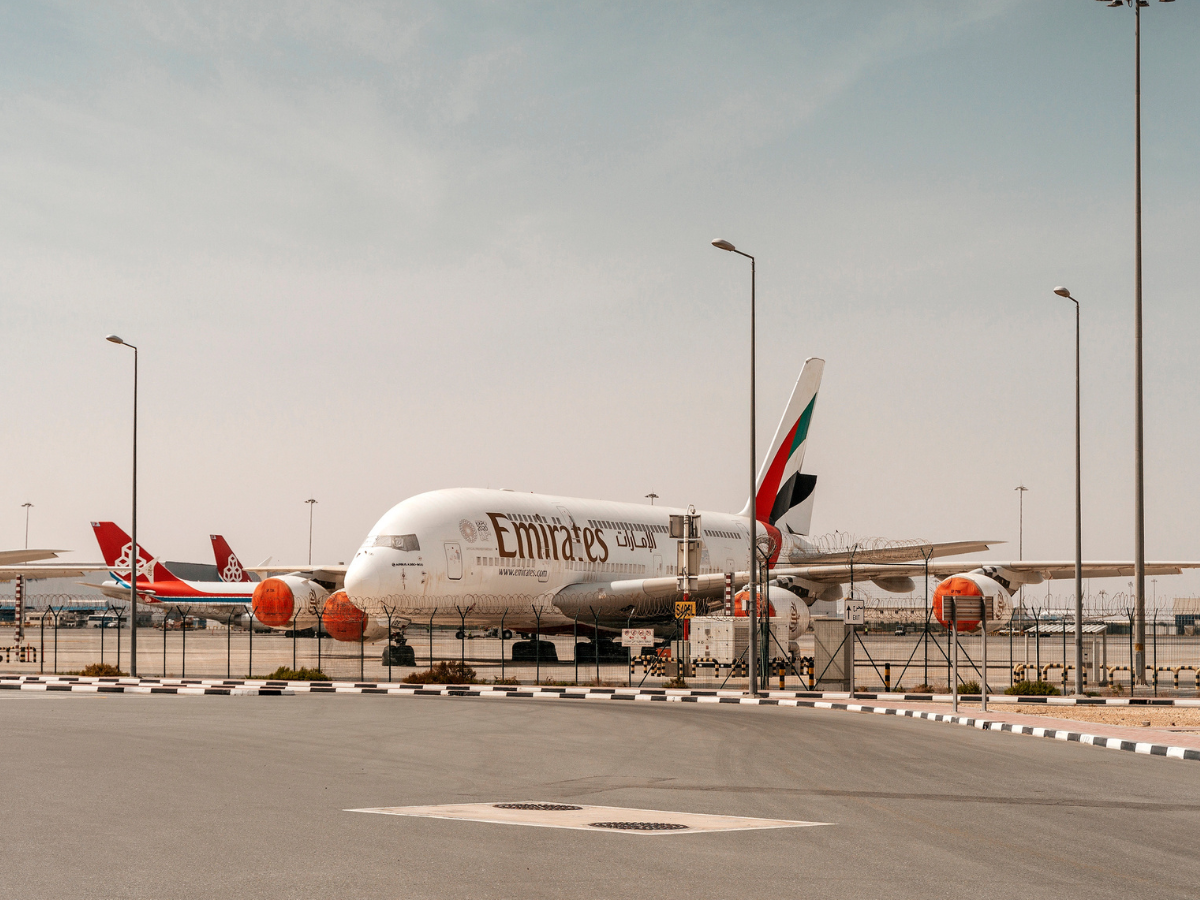
Emirates continues its recruitment drive in France with sessions organized in Cannes on September 16, Lyon on the 18th, Paris on the 20th, Nantes on the 25th and Toulouse on the 27th of September.

Interested candidates can pre-register online or simply appear on the day of the event.

The company is seeking profiles capable of welcoming and serving passengers while ensuring their safety and security.

New recruits will benefit from training at Emirates’ training centre in Dubai.


Un recrutement à cinq étapes

The sessions will take place at the following venues:

–Cannes, September 16, at the Five Seas By Inwood Hotels ;

–Lyon, September 18, at the Crowne Plaza Lyon Cité Internationale ;

–Paris, September 20, at the M Social Hôtel Paris ;

–Nantes, September 25, at the Mercure Nantes Centre Grand Hôtel ;

–Toulouse, September 27, at the Plaza Hôtel Toulouse Capitole.

Candidates must submit an online application with an English CV and a recent photograph.

The company recommends pre-registration, but applicants can also attend without an appointment.


Salary and benefits in Dubai

Emirates crew members based in Dubai enjoy, among other benefits, a competitive salary, company-provided housing, commuting transport between home and workplace, and medical coverage.

Reduced-rate flight tickets and various other perks are also offered. The airline’s crew comprises more than 150 nationalities and speaks 72 languages.

Emirates currently serves France with 35 weekly flights, including three daily A380 services from Paris, a daily A380 service from Nice, and a daily A350 service from Lyon.

Logis Hotels Adds 46 New Properties in France and Italy


Le Groupe Logis Hôtels poursuit l’élargissement de son réseau - Depositphotos.com @sensay

Aer Lingus


The Logis Hôtels Group announces the integration of 46 new establishments into its network this year.

Present in France and Italy, the group relies on a portfolio of six brands positioned across several segments: Logis Hôtels in the midscale, Cit’Hotel and Urban Style in the urban segment, as well as Singuliers Hôtels, Demeures & Châteaux and Teritoria in the premium segment.

Among these new addresses, 33 join Logis Hôtels, while eight join the urban brands and five complete the premium offering.

The network now averages one establishment every 12 kilometers, according to the group.


Logis Hôtels: A strengthened regional footprint

The new integrations involve several French regions.

Auvergne-Rhône-Alpes leads with 10 establishments, followed by Nouvelle-Aquitaine and Grand Est, each counting seven new addresses.

Normandy welcomes five establishments, while Provence-Alpes-Côte d’Azur, Île-de-France and Occitanie each add four.

Development also continues in Hauts-de-France, in Bourgogne-Franche-Comté, in Brittany and in the Pays de la Loire.

In Île-de-France, the group notably welcomes two Urban Style establishments in Clichy and Paris, as well as two Logis Hôtels and Cit’Hotel addresses in Yvelines.


The premium segment also continues to develop

Several new addresses strengthen the group’s upscale brands. Teritoria notably includes the Château de Boisgelin in Brittany, the Hôtel Spa La Borie d’Hélipse in Auvergne-Rhône-Alpes and the Domaine du Lieu Bill in Normandy. Demeures & Châteaux welcomes the Hôtel Maison Gramme in the Gard.

A Teritoria address also joins the network in Italy, with the Anna Ghisolfi restaurant in Piedmont.


Amelia Brille Publié par Amelia Brille Rédactrice TourMaG.com
Voir tous les articles d’Amélia Brille

  • picto Linkedin
  • picto email
Ajoutez TourMaG à votre flux Google Actualités Google Actualités icône  

TUI France Launches Premium Collection for Marmara Club and Lookéa Club


TUI France lance une Collection Premium Club Marmara et Club Lookéa  - Photo PB

Aer Lingus


“Although the summer was marked by a monthly challenge, we fared rather well.”

That said, it was a fairly mixed summer, Christophe Fuss, CEO of TUI France, described yesterday during a lunch held on the margins of the IFTM.

Indeed, after a strong start, bookings slowed down last winter after the start of the war in the Middle East.


“We first put in place a plan B to allow customers to change their destination up to two weeks before departure. Then, in June, we supported last-minute bookings and rekindled customers’ interest by offering free travel for one child up to twelve years old,”
summarized Christophe Fuss, according to whom “little by little, the high season is sliding toward September.”


There Are Still Positive Points


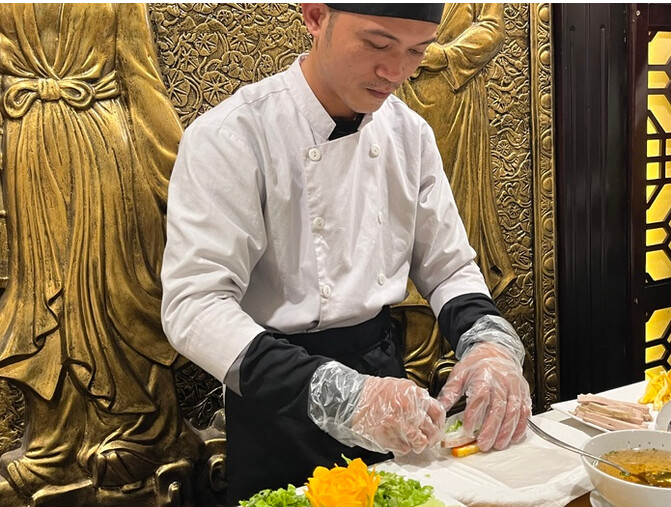
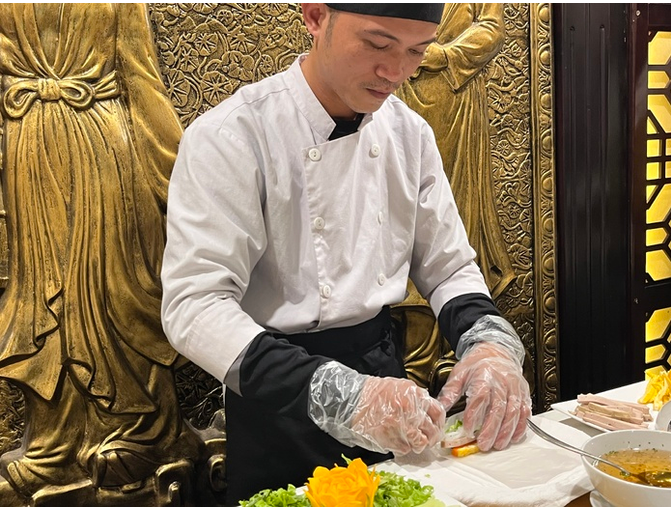
Cours de cuisine sur un jongue, au Vietnam, pendant un circuit de la gamme "Saveurs de Nouvelles Frontières. © PB

« If winter bookings begin in the wake of summer, there are still positive points, » continues Christophe Fuss. And he cites the restart of the United States, the success of Egypt, Latin America which « performs and confirms its growth potential » and Asia that is picking up well.

For “to support its commercial momentum”, TUI France has, moreover, launched three sales challenges (from September 10 to November 30, 2026) on three of its flagship destinations: Thailand, Vietnam and Cambodia.

Another source of satisfaction for Christophe Fuss is the strong success of the “Gamme Saveurs” (around ten destinations) launched by Nouvelles Frontières at the end of last year, and the genuine enthusiasm generated by the “voyages événements” conceived around a festival, a concert, a Grand Prix of Formula 1, a solar eclipse, etc.

While still hoping for a “return to normal”, TUI France has, to secure its future, adapted its marketing strategy by introducing with Primos to promote early bookings (promotional offers allowing travel at reduced prices for the winter season) and is working on its brands’ communications to respond to the likely strong last-minute demand this winter and potentially again next summer.


A Premium Collection for the Clubs

Beyond these short-term adjustments, Christophe Fuss notes that « our market is transforming deeply. Price is becoming an increasingly decisive criterion, offers are becoming uniform, and even the world of Clubs is becoming commonplace. »

In fact, he analyses that « value moves toward the lived experience ». « The difference is made by the experience we give customers, by the memories we create. And that is what fosters brand loyalty. »

In this context, TUI France already has « the most complete and most segmented range of Clubs on the market »: 15 Marmara Clubs and 7 Lookea Clubs, including two new ones, Lookéa Club in Salvador de Bahia and Lookéa Club in Juan Dolio in the Dominican Republic. It is complemented by the TUI Selected Collection.

However, to “take a new step in its value-creation strategy”, TUI France has decided to launch a Premium Collection Club Marmara & Club Lookéa. This selection of establishments meets the expectations of a clientele seeking more exclusive experiences, with enhanced services and a higher level of comfort.

This new offering illustrates TUI France’s ambition to move upmarket while remaining faithful to the DNA of its brands and their experiential promise.

This Premium Collection also aims to attract a CSP+ client base seeking more personalized experiences and more curated environments.

Six clubs join this Premium Collection in winter 2026/27: the new Lookéa Vila Galé Marés Bahia Club in Brazil (from €1,997 per person all-inclusive, flights included); the Lookéa Nile Monarch cruise in Egypt (from €1,036 per person all-inclusive, flights included with a bonus of 5 excursions including the Valley of the Kings, Karnak, the Temple of Philae, etc.); the Lookéa Makadi Oasis Club in Egypt as well (from €1,095 per person per week); the Lookéa Kiwengwa Beach Resort in Zanzibar, the Lookéa Viva Miches in the Dominican Republic, and the Marmara Catalonia Playa Maroma 5* in Mexico.


An Experience-Based Segmentation for Nouvelles Frontières

For its 2027 Collection, Nouvelles Frontières (85 destinations planned including two new ones: Salvador and Nicaragua, 350 itineraries and 78 new offerings) has also undertaken to clarify its various experiences to enrich its journeys.

If its offering was already organized around four major segments (escorted tours, self-guided tours, urban getaways, events-based itineraries), this segmentation is now complemented for tours and self-guided trips by seven ranges of experiences: Essentiel, immersive, Grand Voyage, discovery and Relaxation, En étoile, Privé and Saveurs.

Thus, as explained by Jean-Baptiste Delsuc, director of the tour- operating arm, “Nouvelles Frontières will no longer distinguish its trips solely by destination but also by the nature of the experience offered.”

In addition, Nouvelles Frontières now relies on the TUI ecosystem to enrich the experiences offered to its clients, leveraging the complementarity of its various brands. Example: in Brazil, after discovering the country’s cultural riches on a circuit, its customers will be able to extend their stay in the Premium environment of the new Lookéa Vila Galé Marés Bahia Club.


Tourism in France: Summer 2026 Contrasts Between International Visitors and French Consumers


Christian Mantei, président d'Atout France), Serge Papin, Ministre du Tourisme et Christelle Chassagne, présidente d'ADN Tourisme dressent le bilan touristique de l'été - Photo CE

CroisiEurope


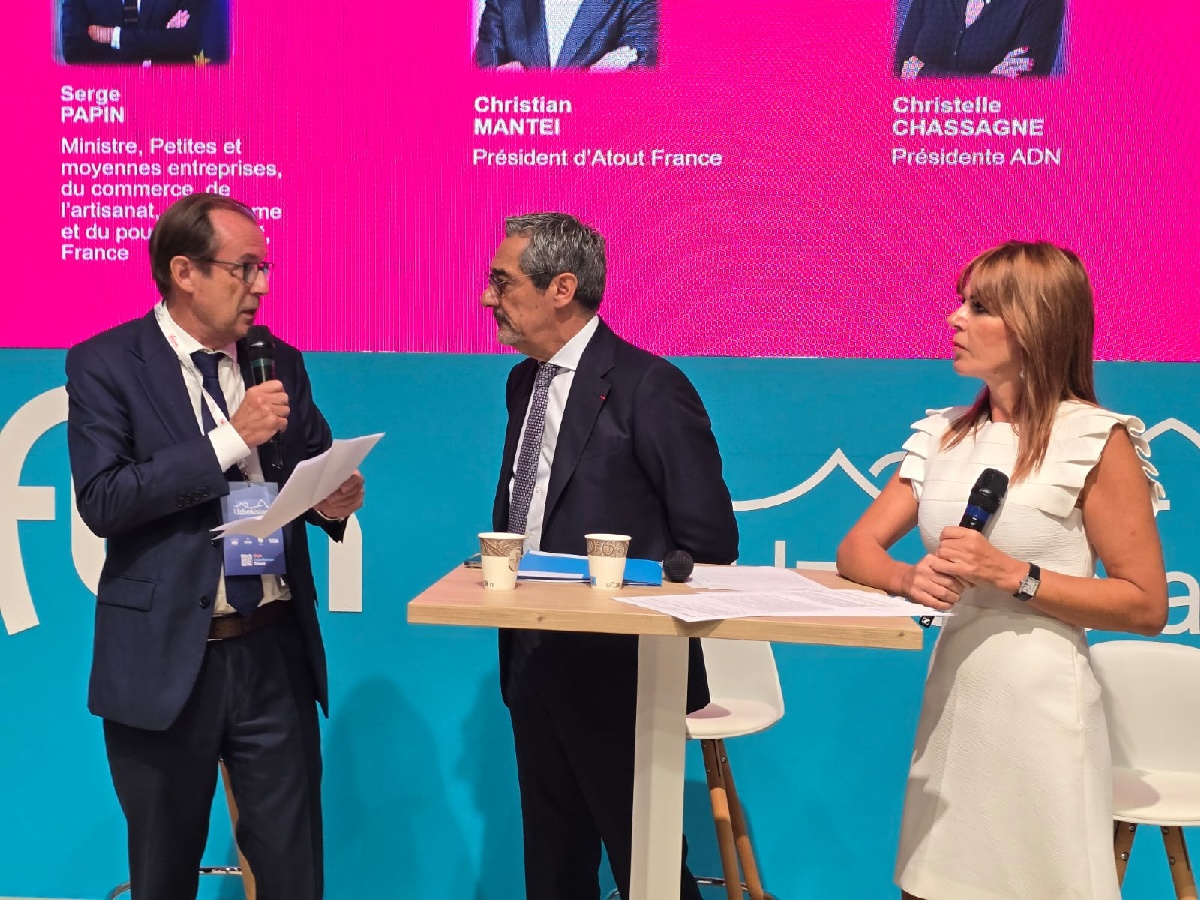
In opening of the IFTM 2026, Serge Papin, minister of Small and Medium Enterprises, Trade, Crafts, Tourism and Purchasing Power, presented, on Tuesday 15 September 2026, a first assessment of the summer tourism season.

According to the data presented by the minister, international tourism receipts reach 49.5 billion euros between January and the end of July 2026.

For the month of July alone, they amount to 9.4 billion euros, i.e., +3.7% compared to 2025.

“France continues to attract, to seduce, to persuade and even very far,” emphasized Serge Papin.

“At this stage, we can reasonably anticipate that international tourism will generate this year more than 80 billion euros in receipts, with attendance expected to exceed 100 million international tourists,” adds Christian Mantei, president of Atout France.

International air arrivals also rose during the summer, with a particularly marked increase for some long-haul markets. Mexico shows a 14% increase, ahead of Canada (+10%), China (+5%), Japan (+4%) and the United States (+3%).


The Departure Rates of French People in France Fall

However, the rate of French departures within France in midsummer, in July–August, falls by 5 points to 59%.

The Climate Action Network notes on its site that this drop confirms the retreat in summer departures observed since 2019 (-20% of overnight stays in August between 2019 and 2025 according to INSEE).

The rate of French people leaving abroad continues to rise (+4 points, to 34%).

Serge Papin nevertheless notes that June and September resist: “Tourism remains an essential need, a breathing space. The shoulder seasons are gaining importance: the French no longer go away only in July and August, but increasingly early and late,” the Minister stressed.

The departure rate in June climbs from 15% to 18%, and the intentions to depart in September rise from 20% to 22% compared with last year.

The departure rate of the French would thus be stable over the June-to-September period at 72%.


“A Climate Shock, and an Inflation Shock”

The coastline remains the primary tourist space frequented with 43% of stays, ahead of cities (33%) and the countryside (32%). The mountains account for 15% of stays and continue to grow, notably in the Northern Alps, where attendance increased by 16% in August.

Conversely, some destinations in the south of France experience a more contrasting season, notably due to the budgetary choices made by tourists.

“On the scale of France this summer, we had territories that experienced a more contrasting season. This summer we faced two shocks: a climate shock, and an inflation shock,” said Christelle Chassagne, president of ADN Tourisme.

In Nouvelle-Aquitaine, which was affected by wildfires and despite a campaign to revive activity, 42% of professionals report a drop in bookings; 32% report stability and 12% report an increase.

Purchasing power also weighed in decisions: “We want to go on vacation, but we go for shorter durations. We increasingly go to family settings, in non-market units, and we will have major trade-offs on dining and leisure,” she notes.

Constance Hospitality Appoints Anne Daviaud-Grandjean as Head of France & Benelux


Le C Rodrigues se reconnaît de loin grâce à ses toits rouges (©Constance Hotels)

CroisiEurope


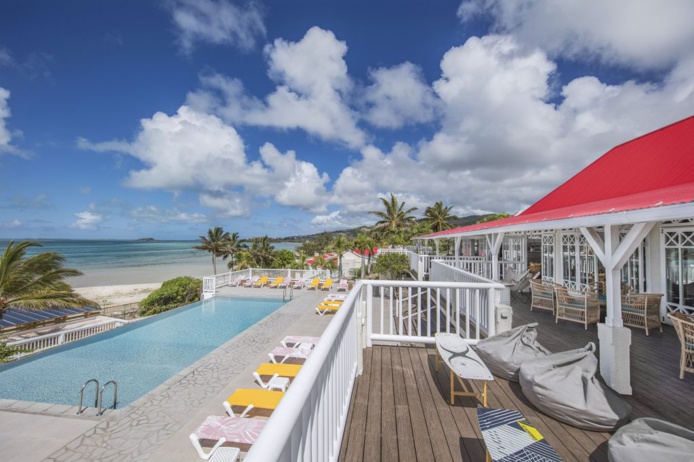
Constance Hospitality renforce sa présence sur les marchés français et du Benelux. Le groupe hôtelier mauricien annonce la nomination d’Anne Daviaud-Grandjean au poste de Responsable du Bureau de Représentation France & Benelux, avec une prise de fonction au 1er juillet 2026.

Elle sera chargée d’accompagner le développement commercial des marques Constance Hotels & Resorts et C Resorts, ainsi que les relations stratégiques du groupe sur ces marchés.

Présent depuis plus de 30 ans dans l’océan Indien, le groupe hôtelier opère des établissements à Maurice, aux Seychelles, aux Maldives, à Rodrigues et à Madagascar.


Anne Daviaud-Grandjean’s Career Path

A graduate of Audencia Business School in International Management, Anne Daviaud-Grandjean spent the bulk of her career at Kuoni France, where she advanced for 13 years.

There, she notably held the roles of Head of Revenue Management and Director of Beach Operations. Her tenure allowed her to develop particular expertise in Indian Ocean destinations, the Middle East and Greece, as well as a deep understanding of the expectations of premium clientele and of specialized distribution networks.

Since 2021, she has also been leading her own representation and consulting firm, Blue Pineapple Tourism, which supports international hotel groups and tourist destinations in their commercial development and marketing on Francophone markets.

Hela Jaziri Named Director of Sales and Digital at Transavia France


Hela Jaziri nommée directrice ventes & digital de Transavia France - Photo Transavia

CroisiEurope


Transavia France is reshaping its leadership teams. The low-cost carrier of the Air France-KLM group announces the appointment of Hela Jaziri to the position of Director of Sales and Digital, with the role taking effect from September 1, 2026.

She will report to Julien Mallard, Deputy Chief Commercial Officer of Transavia France, and will oversee the distribution strategy, sales, as well as the company’s digital activities.

Her mission will notably be to support Transavia France’s growth and strengthen its relationship with customers, leveraging commercial and digital levers.


More than 15 years with Air France-KLM

Age 44 and a graduate of Télécom SudParis, Hela Jaziri has spent more than fifteen years with the Air France-KLM group.

Throughout her career, she has held multiple roles in pricing, sales, business development and strategy. This track record has allowed her to develop expertise in commercial performance and the distribution challenges within air transport.

She has also carried responsibilities in several countries, notably Paris, Shanghai, Amsterdam, Abidjan and Frankfurt, giving her international experience in the aviation sector.

For the past two years, Hela Jaziri has served as Commercial and Sales Director for Air France-KLM in Germany. Based in Frankfurt, she led the group’s commercial activities in this market, regarded as strategic in Europe.


Bruno Fischer joins Air France-KLM

Hela Jaziri succeeds Bruno Fischer, who held the role of Director of Sales and Digital at Transavia France since 2018.

After eight years with the airline, he joins Air France-KLM’s Digital Marketing teams. He takes on the position of Director of Marketing Planning.

“Joining Transavia France to lead sales and digital is a wonderful opportunity to combine commercial strategy and digital transformation, two topics I am passionate about. I look forward to contributing to this new phase and doing so alongside teams that I know are committed and ambitious,” says Hela Jaziri.