
Does Climate Tourism Exist? [ABO]


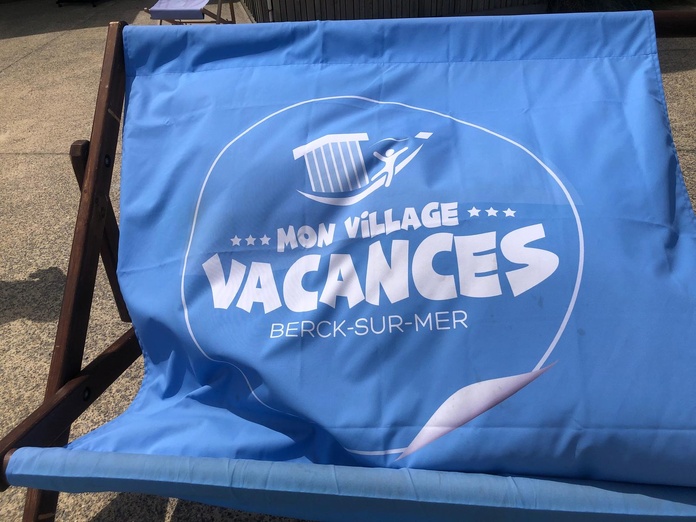
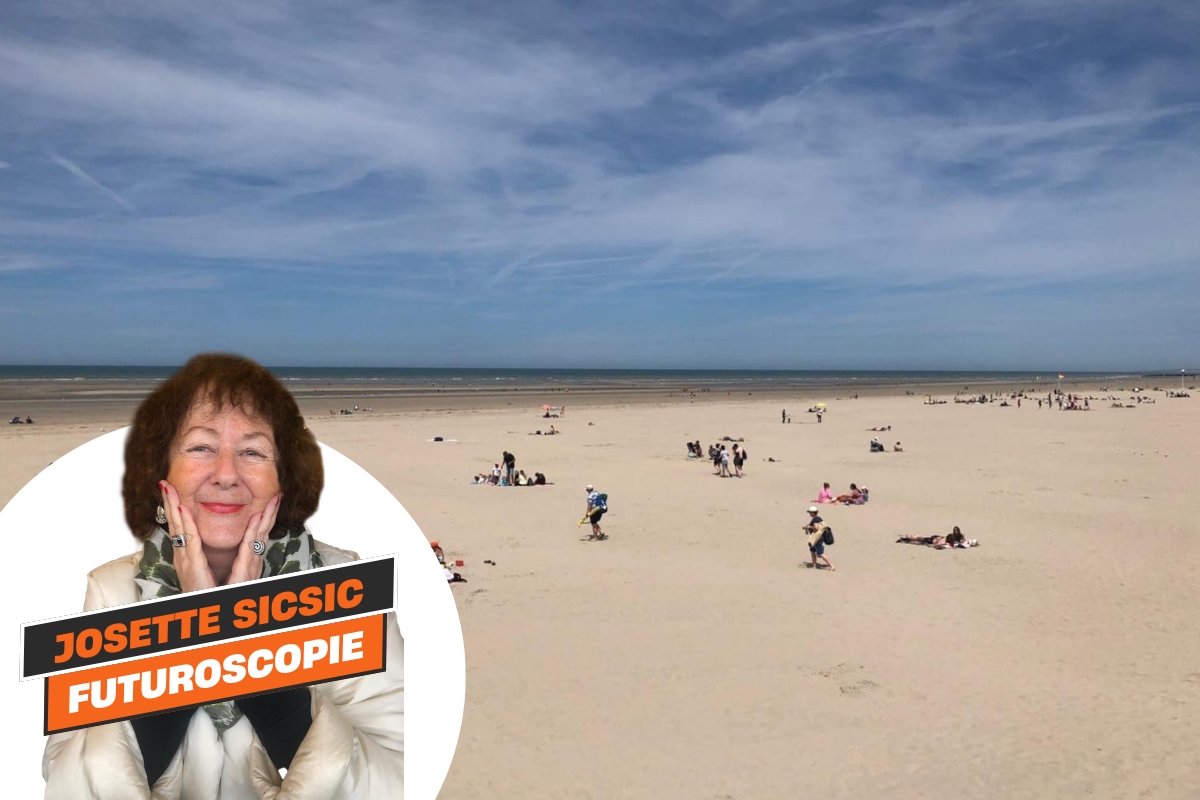
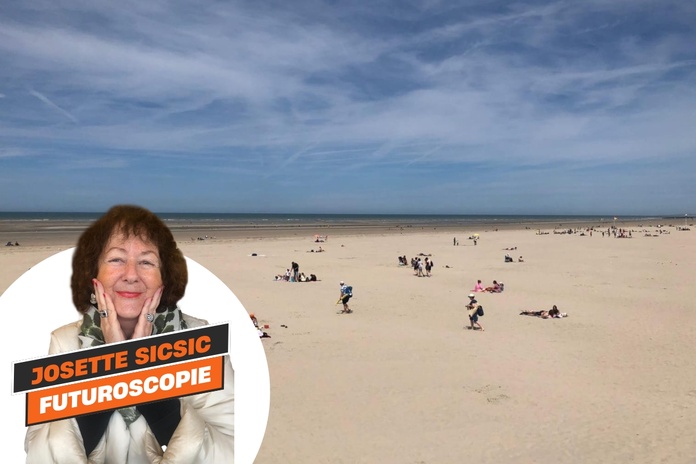
Berck-sur-Mer a été troublé par les canicules mais bien moins que la façade atlantique ou la Méditerranée. - Photo JS

Costa Rica


Follow me: oppressive heat lingers over Paris while the nearby Fontainebleau forest endures one of the fiercest fires in its history.

Clearly, the grand bonfire long sought by the German armies no longer requires their vengeful madness. “Paris is not burning yet” but almost.

And the handful of tourists wandering slowly along the asphalt find it hard to carry out their plans for discovery. Beyond pharmacies, cinemas, department stores and luxury hotels… it cannot be said they are enjoying their stay.

By contrast, a few dozen kilometers to the north, along the shores of the North Sea, vast wind-swept beaches carved by tides and battered by winds offer visitors exceptional freshness.

In Berck-plage, for example, a resort whose reputation has grown around its medical facilities and its annual kite festival, children bounce on white sand and challenge the waves in ideal weather that, this year, was also troubled by heat waves but far less than the Atlantic coast or the Mediterranean.


Between dunes, kites and freshness
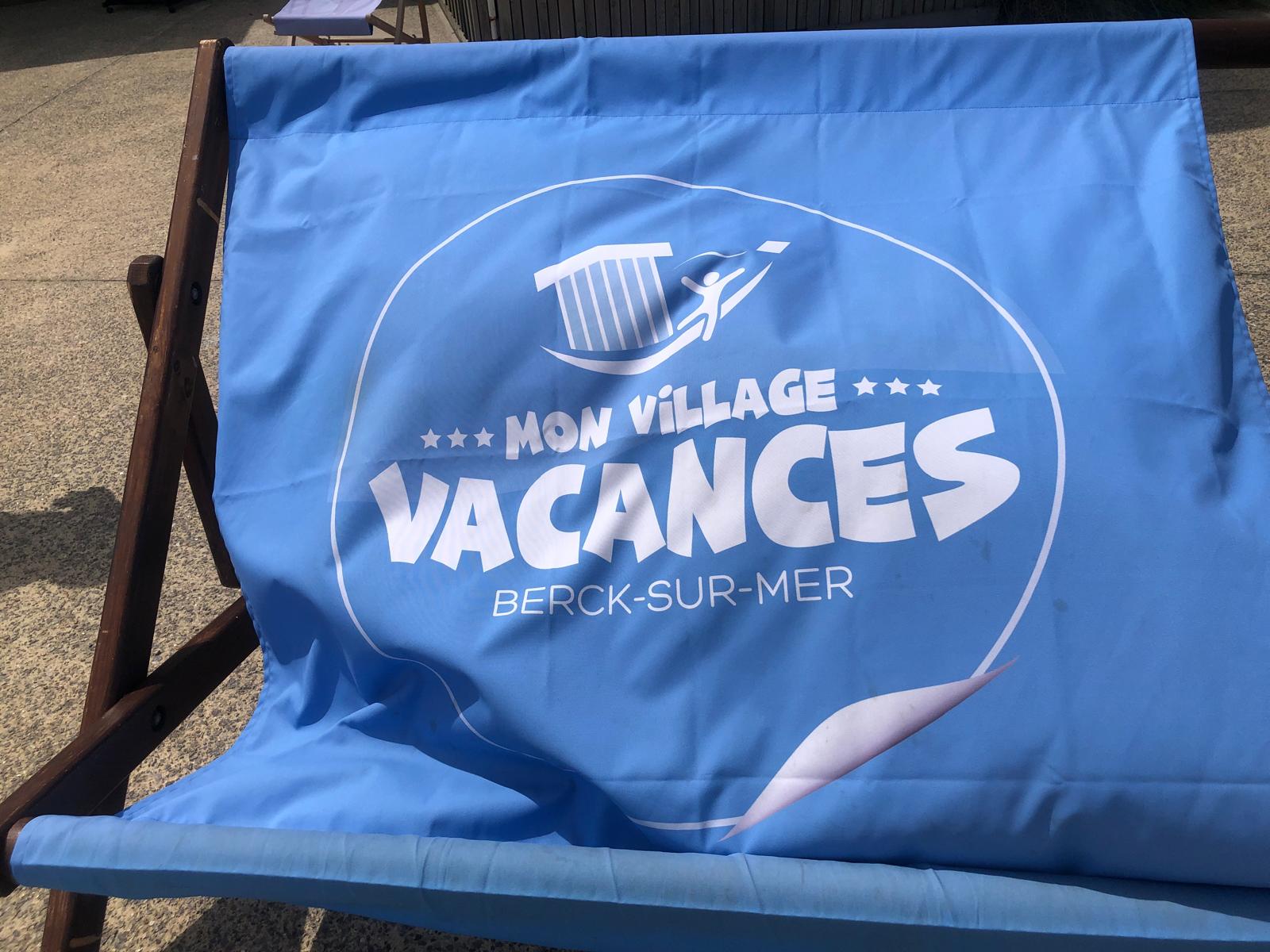

Comme toutes ses consœurs de la Côte d’Opale, Berck a bel et bien d’autant plus une carte à jouer qu’elle se situe comme Le Touquet, Hardelot, Fort Mahon… à deux petites heures de la capitale et dispose d’un parc d’hébergement de mieux en mieux loti. - Photo JS

For the resort director, it is clear that beyond the usual local vacationers, the northern shores become an unexpected asset that will need to be promoted.

And especially promoted to a somewhat farther clientele (the Paris Basin) who often has little knowledge of the region and clings to outdated clichés that feature mussel-eaters and people undergoing rehabilitation.

Like all its Opal Coast sisters, Berck indeed has an even greater card to play as it lies near Le Touquet, Hardelot, Fort-Mahon… just two hours from the capital and boasts an increasingly well-equipped housing stock.

Rentals, high-end campsites, hotels… dot the brand-new seafront esplanade, making not only a stroll but entertainment easier. Living up perfectly to its Family-Plus label, the resort has put in place substantial efforts to welcome both young vacationers and local youth…

Yet, as some professionals note, one must be careful not to promise too much because, here as elsewhere, climate uncertainty reigns.


Climate Tourism: An Old Story

With the potential to trigger storms, droughts, rains, etc., is weather a new determinant in choosing destinations, especially for the summer season? That’s what many say.

But for the moment, it is clear that no one can forecast with 100% certainty. We speak with emphasis and confidence of urban temperatures rising by as much as 50% by 2050. Yet we do not know what tomorrow will bring.

Controversies about artificial cooling are being fed without undertaking the necessary steps to reintroduce a genuine climate tourism policy as it existed at the beginning of the century. All across France.

Across the world, particularly in colonies, let us recall that the “gentry” used to spend summers in the leafy shade of high-altitude resorts. In Vietnam, Laos, the Himalayas, Algeria, Morocco… summers were thus tolerable.

But, at a moment when the concept of climate stations should regain momentum, “climate tourism” has been erased in favor of a rush toward sports and cultural activism.

Unless it makes a comeback through a different angle, that of well-being.


Polar tourism, luxury tourism, last-chance tourism

Whatever the case, this form of tourism clearly states its purpose of offering spectacular journeys to regions still partly escaping drought.

Thus, the travel agency Connaisseurs du voyage, specialized in aerial cruises, promotes “A world tour in the unprecedented High North, amid untouched nature.” For 23 days, a private plane carries a small group of travelers from Iceland to Alaska, via Greenland, for the modest sum of 27,000 euros.

Greenland, in particular, boosted by the expansion of Nuuk’s international airport, its capital, is starting to captivate those seeking new destinations.

Meanwhile the Faroe Islands, whose exact location remains unknown to many, promise French travelers three weekly flights from Paris/CDG on the Air-Baltic airline. Leveraging a particularly cool climate, the Danish islands envision a tourist future akin to Iceland but with fewer missteps. Only about 3 hours by plane from Paris. A real windfall.

Another example: according to estimates from the U.S. travel agency AdventureSmith Explorations, which offers expeditions to the North and South Poles, the number of travelers opting for a cruise with a flight has risen by more than 4,400% in twenty years, from 230 in 2004 to over 10,000 in 2024!

For that matter, on the southern continent as well, the number of cruises is rising rapidly. From 22,000 travelers at the start of the 2000s, it has climbed to more than 120,000 today, according to data from the International Association of Antarctica Tour Operators (IAATO).


A Climate Tourist at Three Speeds



Josette Sicsic - DR

For more than 25 years, journalist, consultant, and speaker Josette Sicsic has been observing the world’s changes to analyze their implications for the tourism sector.

After developing the Touriscopie journal for over 20 years, she remains at the forefront of current events, decoding the present to forecast the future. On the site www.tourmag.com, in the Futuroscopie section, she publishes predictive and analytical articles several times a week.

Contact: 06 14 47 99 04

Email: [email protected]

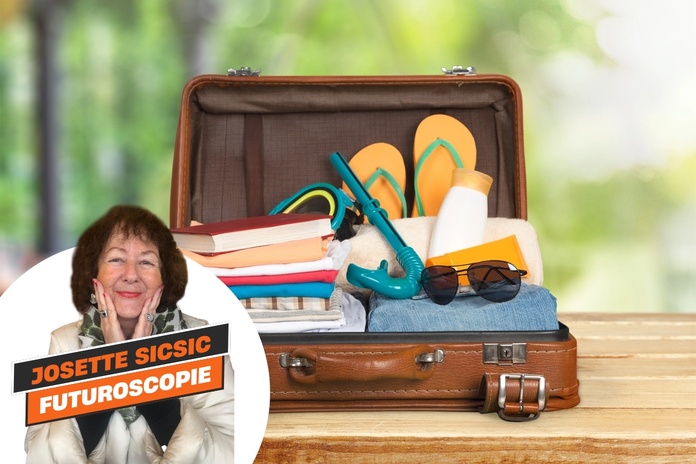
Caps, Sunglasses, and Flip-Flops: Cult Essentials That Benefit Us


Certains objets ont le pouvoir de transformer nos vacances, mais lesquels ? - DepositPhotos.com, billiondigital

Costa Rica


From the first signs of summer, adopting lighter clothing that reveals the body ranks among the initial gestures by which we begin to prove to ourselves that holidays are near.

Indispensable to a successful vacation, the wardrobe (a kind of second skin) is all the more important because it allows for a blend of variety and standardization.

It mainly enables a display that, from the outset, gives elements about one’s personality, age, and social background and helps to build the image one wants to project of oneself.

The clothing can also extend to cross-dressing, a form of alterity that can go as far as erasing the daily “self” in favor of a different, or even exceptional, “self.” The clothing is an open door to transgression.

Read also: The relationships with clothing: who are your customers?


These objects that tell a story

Beyond textiles (which each also carry meaning: linen, silk, canvas, etc.), sunglasses, caps, various hats, bags and other items are among the other elements of the vacation wardrobe.

With two possible attitudes: either we choose yearly novelties that allow us to craft a new personality. We want to appear fresh, so we go with something new.

Or, we pull out accessories from previous years to don a familiar garment from which we truly feel on vacation!

But note that this choice is shaped by the history of objects: their history and yours. Example: the cap chosen is the one we bought in Orlando, two years earlier! The bag is the one your daughter gave you. The dress is the one you wear every time you board the plane…

We thus go on vacation with memories of other holidays and the emotions that go with them. This constitutes an additional emotional enrichment for most of us. An enrichment without which some would feel like they are missing their vacation!

Read also: Luggage: from functionality to durability, a small history of tourism


Shoes take on a greater function—utilitarian and social

Beyond the aforementioned accessories, shoes in particular embody this new personae who seeks to break with daily routines and adopt an “other” personality.

Obviously, the universally worn athletic shoes play a leading role. For all ages and budgets, they signal a natural need for comfort, but also indicate membership in a community linked to the brand: Nike or Adidas is not the same thing! This is especially true for younger people who are highly sensitive to this social display.

There are also flip-flops, the distinction of the rich and the poor, practical and decorative, and others that are quite ugly, modeled on orthopedic styles that people wear without any concern for aesthetics in some European countries! Comfort above all!

Finally, shoes are the accessory you stand on but also where you emancipate yourself, step away from urban and professional conformity. The one with which you head out, hit the road, walk, move, depart… They are therefore a tool of freedom.


The global market size for athletic footwear was valued at 116.2 billion USD in 2025. The market is expected to reach 121.96 billion USD in 2026 and reach 190.87 billion USD by 2034, with a CAGR of 5.76% over the forecast period. North America dominated the athletic footwear market with a market share of 42.02% in 2025.

Source : www.fortunebusinessinsights.com/fr/


Books Stand Their Ground


But, the Cap Is the Champion

In the series of children’s accessories, beach toys, balls, buckets and pails have not lost any of their popularity. On the contrary. Braving trends, they remain enduring classics of the summer kit.

Sunscreens, rackets, surfboards, kayaks, kites, etc., constitute the links of this “cooperative” outfit without which summers cannot be fully successful.

Complementing the vacation disguise, the cap nonetheless appears as the champion of all categories in this ephemeral wardrobe, enabling added alterity, elsewhere, to the life “in addition” that vacations offer.

Placed on the head of a humorous president, it has also partly departed from the realm of sport, its original territory, to accompany all moments of life beyond the walls and to tell each person’s story!

So, happy holidays!


« Objects, inanimate things, have you then a soul that clings to your own soul and the strength to love » wrote Victor Hugo…

While sociologist Serge Tisseron writes in his book « How the Mind Comes to Things » : « objects do not merely contribute to our comfort and our learning; they are the preferred means by which we access representations of ourselves and of the world »…


Josette Sicsic - DR

A journalist, consultant, lecturer, Josette Sicsic has been observing the world’s changes for more than 25 years in order to analyze their consequences for the tourism sector.

After having led the Touriscopie journal for more than 20 years, she remains at the forefront of current affairs where she decodes the present to forecast the future. On the site www.tourmag.com, in the Futuroscopie section, she publishes forward-looking and analytical articles several times a week.

Contact: 06 14 47 99 04

Email: [email protected]
Denied Boarding: Overbooking and Gate Delays — Who Has to Prove What? [ABO]


Refus d'embarquement : surbooking, retard à la porte... qui doit prouver quoi ? - DepositPhotos.com Auteur Nataliia2910@gmail.com

Costa Rica


Four passengers were denied boarding on their Paris – Porto flight in July 2025. They sought reimbursement of their tickets as well as coverage for several expenses incurred following the incident.

The travelers had a confirmed booking on a flight to Portugal. They stated they arrived at the boarding gate at 20:10, citing an unusually long queue to access it.

According to them, boarding was refused due to an overbooking situation. They also indicated that a replacement flight had been proposed for the next day, at an additional charge of more than €1,200, an offer they declined.

The passengers also claimed reimbursement for ancillary expenses, notably a car rental they could not use at the destination, as well as parking, fuel and toll costs incurred for their rerouting.

On its side, the airline contested any overbooking and argued that the passengers had not presented themselves at the boarding gate in time.


What the texts say:

Legally, European Regulation No. 261/2004 provides for compensation when a passenger is denied boarding against their will.

Yet this denial must be established. Indeed, under Article 9 of the Code of Civil Procedure, it is up to each party to provide the necessary evidence to support their claims.

In this case, no element of the file could establish the existence of an overbooking. Furthermore, the boarding passes indicated that the doors closed at precisely 20:10.


What the Tourism and Travel Mediation recommends:

The Mediation concluded that by arriving at that exact time, the passengers had not presented themselves within a window enabling actual boarding.

The airline’s general terms of carriage also specify that a passenger who does not present themselves at the gate in time may be refused carriage.

Finally, regarding car rental, parking or toll costs, the Mediation notes that Article 1231-3 of the Civil Code limits compensation to damages foreseeable at the time the contract was formed. These ancillary expenses could not be regarded as foreseeable by the carrier.

No legal basis was therefore found to require the airline to reimburse the tickets or the claimed fees.


Find all practical cases from the Tourism and Travel Mediation by clicking HERE.


Italy, West Bank, Puerto Rico: This Week’s International News [ABO]


La revue de presse internationale de la semaine - Depositphotos.com, serezniy

Costa Rica


In the weekly press review for the week of July 6, 2026:

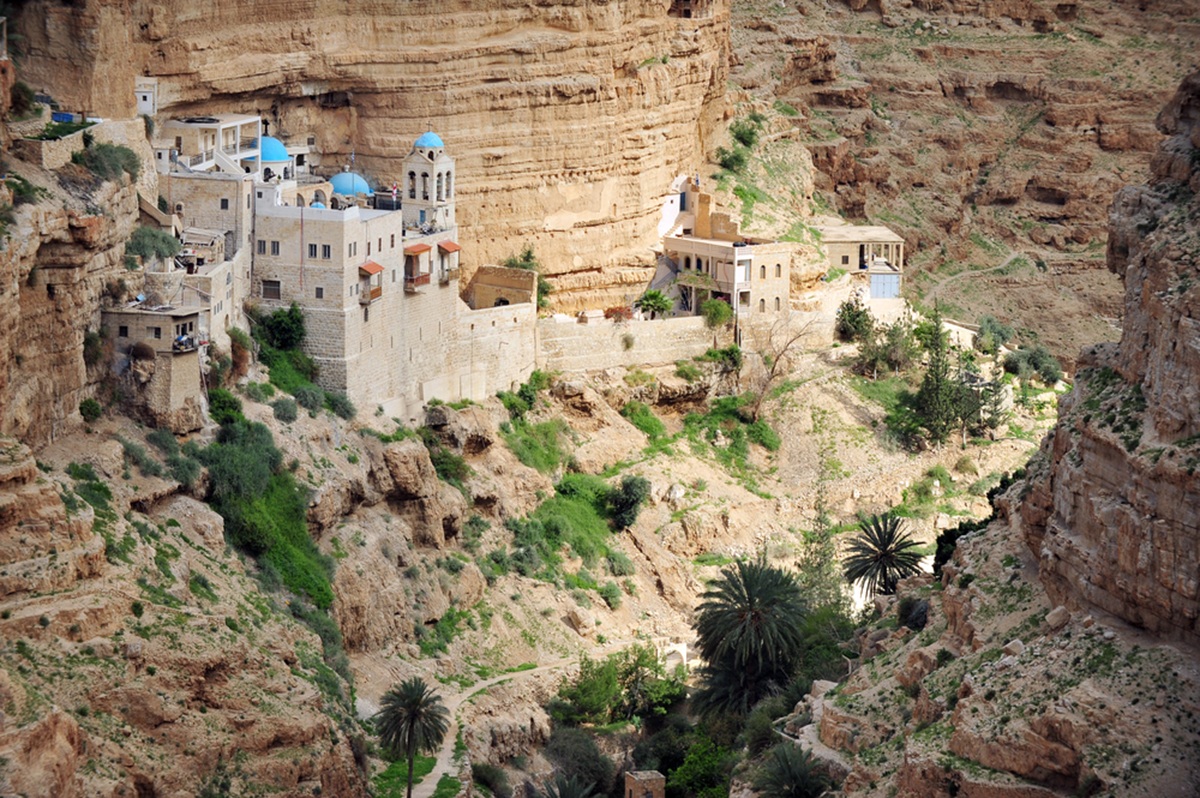
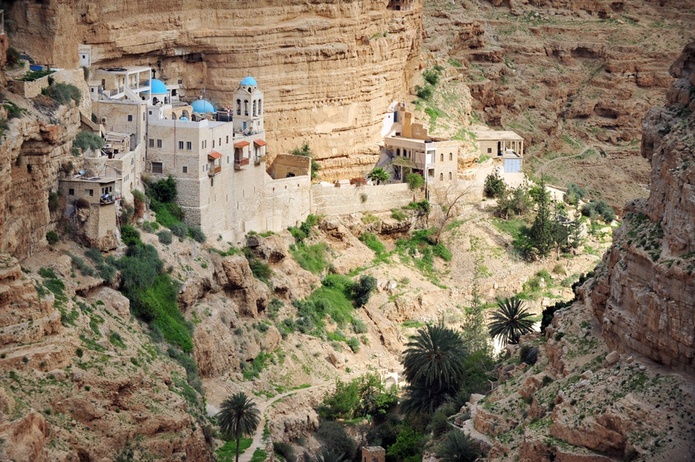
Israel aims to revitalise tourism in the West Bank

Literary tourism opens a new chapter with a hotel dedicated to Icelandic narratives

Turkey accelerates on rail to boost its tourist appeal

Artificial intelligence and digital technology at the heart of the airport of tomorrow

The “Alpine Summer,” the fresh new escape against heat waves

In Doha, a face becomes the new passport for paperless travel

Italy toward a record summer, driven by the North and new mobility

A new label to reassure travelers facing the risk of bed bugs

Odd! When a TikTok clip becomes the most entertaining tourism office in Puerto Rico!


Israel aims to revitalise tourism in the West Bank


Israël veut relancer le tourisme en Cisjordanie - DepositPhotos.com, lucidwaters

The Israeli government announced a 27 million shekels (about 6.65 million euros) investment aimed at strengthening the hotel sector and supporting the revival of tourism in the Israeli settlements in the West Bank, an occupied territory where these settlements are deemed illegal by international law.

The stated objective is to attract more visitors and bolster local economic activity, as tourism in Israel has fallen sharply since the start of the war in October 2023.

This initiative has sparked strong criticism: NGOs denounce increased support for colonization and for land restrictions affecting Palestinians, while some Israelis choose to avoid these areas for security or ideological reasons.

Read an article on thetimes.com


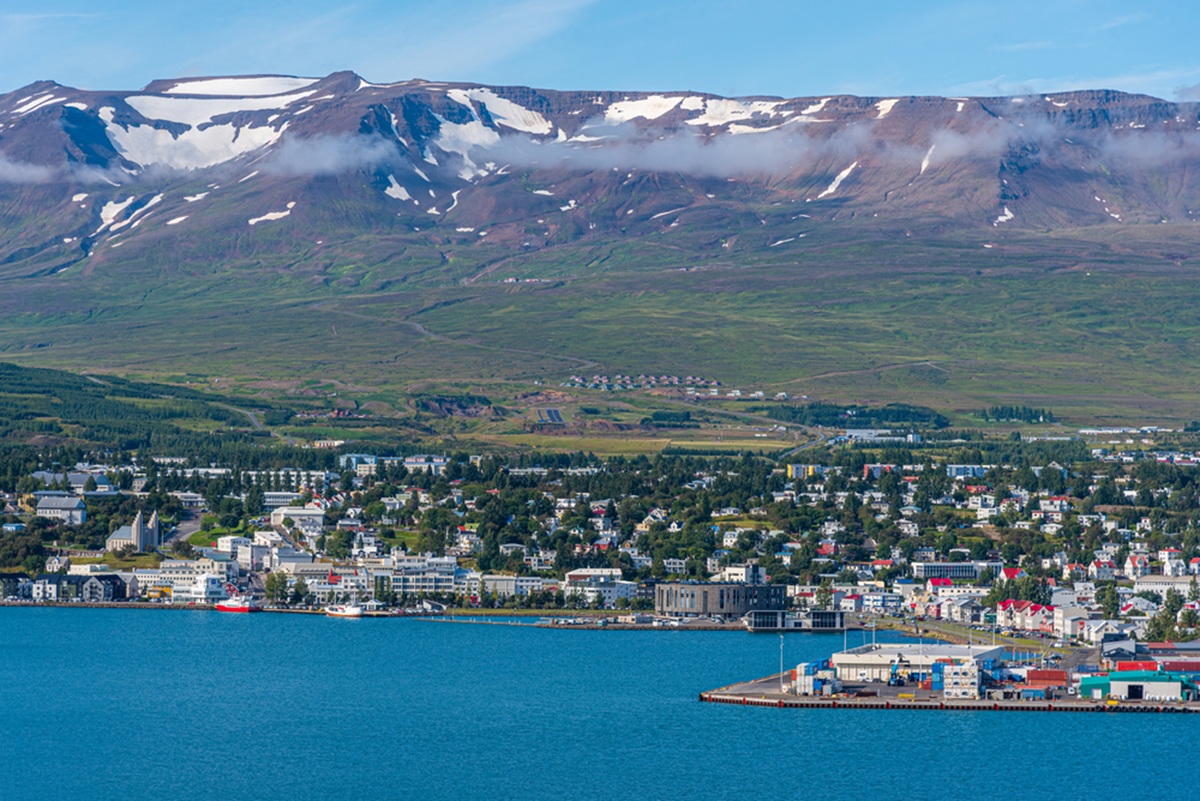
Literary tourism opens a new chapter with a hotel dedicated to Icelandic narratives


À Akureyri, dans le nord de l’Islande, un nouvel hôtel Hilton s’attaque au tourisme littéraire - DepositPhotos.com, Dudlajzov

In Akureyri, in northern Iceland, a new Hilton hotel is betting on the power of literature to attract travelers seeking immersive experiences.

The Skáld Akureyri, Curio Collection, draws on Icelandic tradition of poets and storytellers, with decor that blends literary references, Nordic craftsmanship and local landscapes.

Following festivals, author circuits and themed journeys, hotels are tapping into the rise of literary tourism, a trend that is bringing more visitors to places linked to writers, works and cultural imaginaries.

Source euronews.com


Turkey accelerates on rail to strengthen its tourist appeal


La Turquie veut relier 27 provinces par le train d’ici 2028 - DepositPhotos.com, ifeelstock

Turkey continues developing its high-speed rail network with the aim of linking 27 provinces by 2028, up from 11 currently served.

This ambitious programme seeks to facilitate travel for passengers across the country.

In the longer term, the objective is to enable traversing Turkey in just 48 hours by 2053, thereby strengthening connections between major cities and tourist destinations.

More to discover on fvw.de


The Alpine Summer, the new refreshing escape against heat waves


In Doha, the face becomes the new passport for paperless travel

Doha’s Hamad International Airport takes a new step in the digitisation of travel with the launch of the biometric “Fast Pass” service.

Thanks to facial recognition, Qatar Airways passengers can now pass through several checkpoints and board with fewer documents to present.

Deployed at more than 700 touchpoints, the technology helps save time and streamline the experience.

More to read on euronews.com


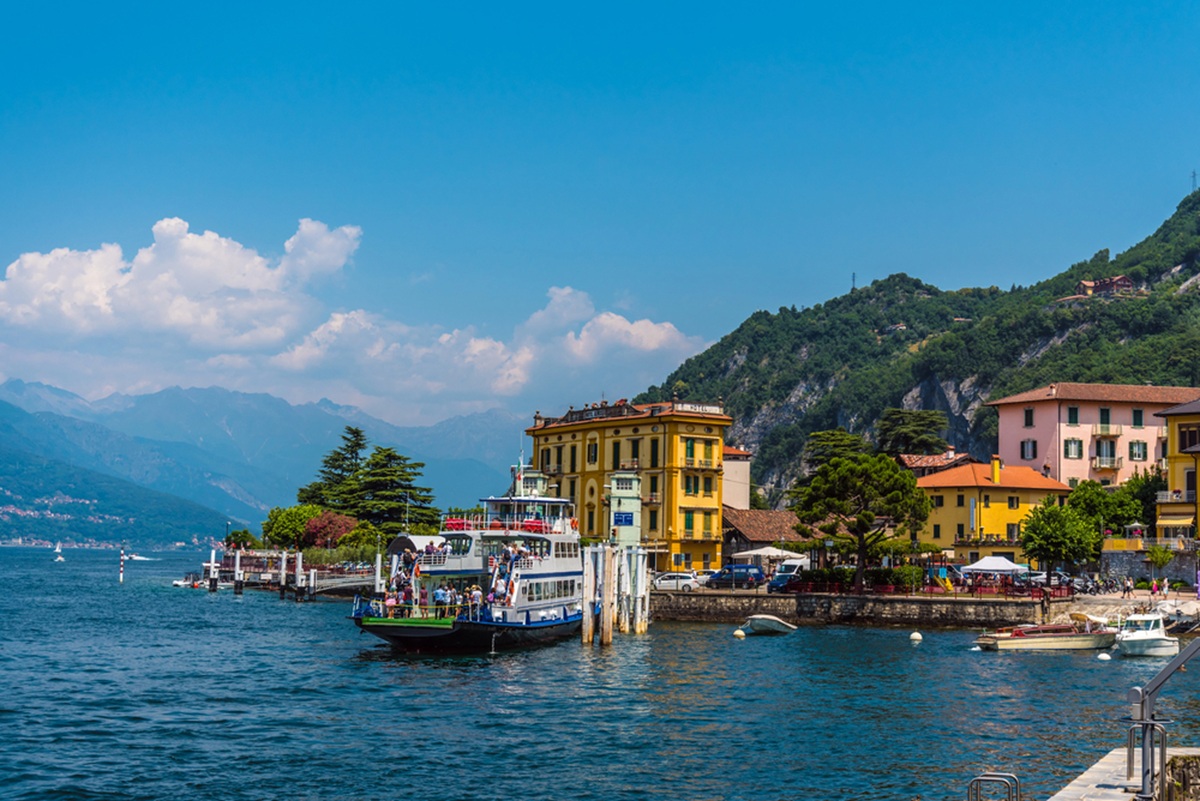
Italy toward a record summer, driven by the North and new mobility


L’Italie devrait vivre un été record, avec une fréquentation en hausse du nord du pays - DepositPhotos.com, Alexmit

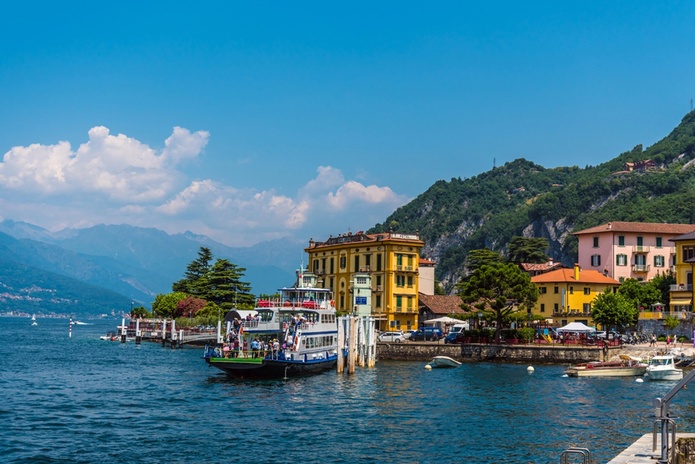
Italy is preparing to experience an exceptional summer season, with strong attendance and hotel occupancy rates higher than those of several competing European destinations.

Travelers are gradually moving away from the traditional hotspots to prefer the northern regions, lakes and spa towns, while the growth of direct flights makes access to the country easier.

This dynamic confirms a shift in tourist habits toward more diversified destinations and away from concentrating solely on iconic sites.

Source: lefigaro.fr


A new label to reassure travelers facing the risk of bed bugs


Le label « Bed Bugs Project » vise à renforcer la confiance des touristes face à la menace des punaises de lit dans les hébergements - DepositPhotos.com, jareynolds

As the summer holidays approach, a new label aims to strengthen traveler confidence in the face of bed bug threats in accommodations.

Launched by Bureau Veritas in partnership with industry experts, the “Bed Bugs Project” certification supports hotels, campsites, tourist residences and holiday clubs in prevention and management of infestations.

With an uptick in interventions during the summer season, this approach aims to become a seal of sanitary quality and reassurance for travelers.

A piece on geo.fr


Insolite ! When a TikTok clip becomes Puerto Rico’s most entertaining tourism office!

In Puerto Rico, a song that originated spontaneously on social media gained unexpected momentum… to the point of becoming the island’s official tourism anthem!

Discover Puerto Rico rode the wave by turning this viral buzz into a vibrant music clip filmed across the destination.

Between beaches, gastronomy, culture and friendly locals, the message is simple: after singing it online, you just have to come and experience it in real life.

Sometimes, the best tourism ambassador lies in a few notes and a catchy chorus!

Read on sanjuandailystar.com

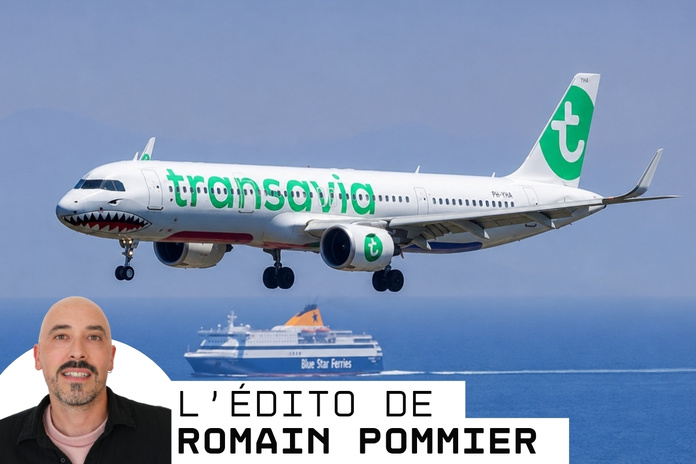
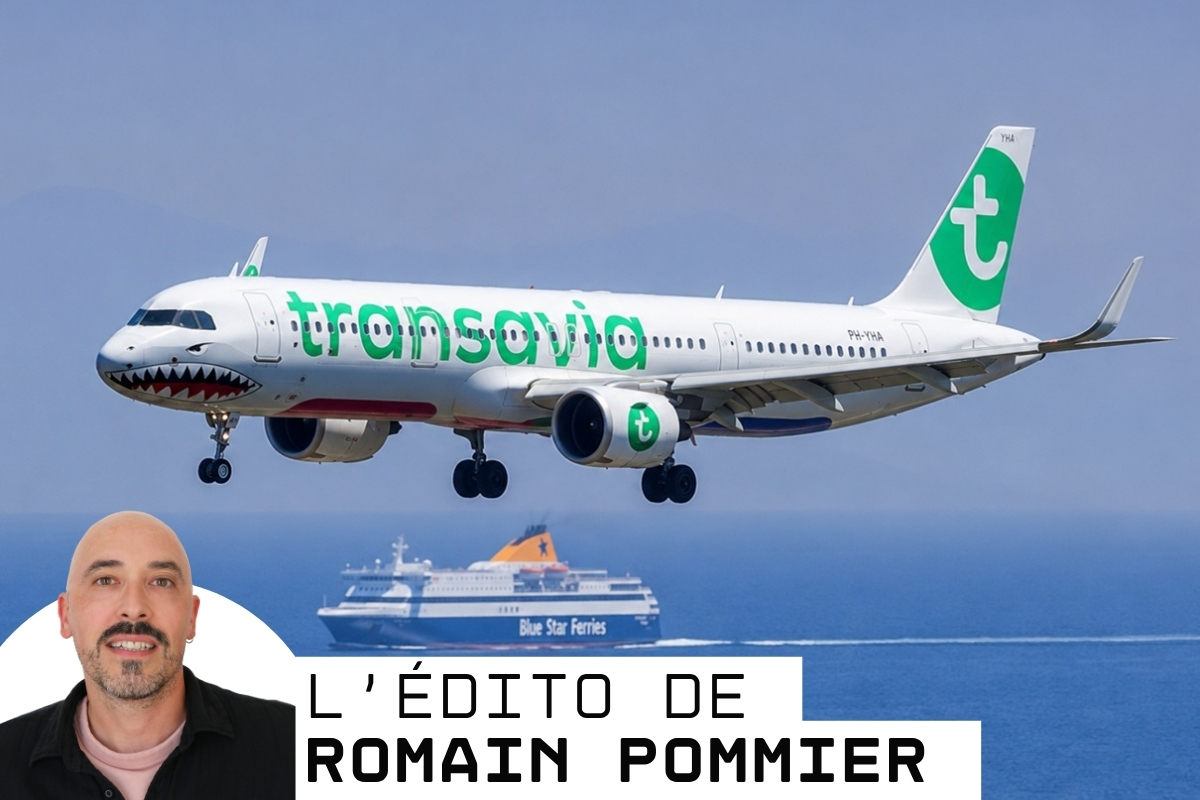
Transavia: What If the Partner Became the Tour Operators’ Leading Predator?


Après s’être fait une place au soleil méditerranéen, en partie grâce aux TO français devenus de bons clients, transavia pourrait-elle se prendre pour Brutus ? - Depositphotos.com,  Boarding2Now - photo modifiée avec l'IA

Costa Rica


Last week, we revealed to you that Air France had decided to take back control of its travel agency.

Air France Holidays, launched in March 2025, had until now been entirely managed by PerfectStay.

Despite significant volumes, the management of the national carrier was not satisfied with the initial results.

After a few months of existence, it decided to fully internalize this activity.

Thus, Air France and Transavia – because this takeover indeed concerns both airlines – will become both tour operator and distribution network once again within a matter of weeks or months.

Their project company received its registration last week. The technological building block will be provided by a subsidiary of KLM, the Dutch sister company.

The loop is closed.

Now the question remains: what are the ambitions of Air France and Transavia Holidays in this regard.

According to sources close to the executive team of the national carrier, they are high, in line with the financial success and volume of easyJet Holidays.

Hence this legitimate question: could the travel agency/tour-operator activity finally make Transavia profitable?


easyJet Holidays, a model to follow?

easyJet Holidays has achieved in a few years what traditional carriers never really did.

It has become one of the largest tour operators across the Channel, in a market where the package holiday remains a reflex for a significant portion of the population, fond of all-inclusive flight + hotel offers, all under the sun, to escape the gray British weather.

In 2024, during Matt Callaghan’s visit to Paris, the head of the tour operator told us more about the winning formula that is lifting the low-cost carrier’s financial results.

In addition to thousands of hotels listed in hundreds of destinations, the package typically includes airfare, luggage up to 23 kg, transfer, and the stay with full board, bed & breakfast, or half-board.

Among the cities favored by the British, unsurprisingly we find Palma, Marrakech, Rome, Tenerife or Lanzarote, spanning city breaks and seaside getaways.

However, upon closer look, this kind of product does not really fit the CSP+ clientele who fill Air France’s planes and hold loyalty cards.

By contrast, it suits wonderfully one of its subsidiaries (Transavia), a regular ally of tour operators, . And that is where the trouble lies.


Transavia, future rival to tour operators?

For, after carving out a place in the sun of the Mediterranean, partly thanks to French TOs who had become good clients, the green shift could perhaps turn into Brutus?

The famous line would then be all that SETO has left to reply with: Tu quoque, mi fili, or “you too, my son” in good French in the text.

There is a feeling of betrayal that French tour operators might experience at the announcement of this innovation.

At each of our meetings and exchanges with Nicolas Hénin, the former commercial director of Transavia, he reminded us of the special bond the company used to maintain with producers.

We have a dedicated team, with special prices for tour operators who commit to the year… At our beginnings, we were very TO-oriented. We do not want to lose this link, it is very important for us“, he told us in April 2023.

In the same way, we recall that to explore and launch a new route, the low-cost teams often rely on producers, ensuring them a minimum fill rate and helping to kick off operations.

This decision to internalize production and distribution seems to them the logical next step in the Franco-Dutch group’s developments.

Nevertheless, a certain fear is manifesting in this respect.

The head of a French TO recently confided his worry about this “severe” competition and his fear of a head-on clash, even though today it is its main partner.

After having massively stopped charters, with only a few exceptions, what difference will exist tomorrow between Transavia and certain TOs?

Let us suppose that the differences will be slim and will boil down to on-the-ground knowledge, the exhaustiveness of the offering, but also the routes designed by a few experts who have wandered around the world.


Transavia and Air France, will they finally find the winning formula?

The Collection and Air France Holidays have never really found a public niche, without failing to merit it. However, nothing says that Transavia, with its low prices and its fragmented offering – cabin baggage is paid – cannot manage to stand out.

If there exists, on part of the network, a like-minded clientele, the green-liveried airline has the same customer base as easyJet. Only the language and origin differ.

However, note that the package is far less ingrained in French culture than in England or Germany.

Nonetheless, with effective technology, good communication, and the emphasis on the protection that tour operators provide to customers, there is little doubt the offer could appeal to many French travelers.

This will also depend partly on its hotel catalog.

While visiting KLM Holidays, we found that the lodging provider is none other than Booking. The comprehensiveness of the offer should therefore pose no problem if the model is replicated.

On top of that, add the Group’s online reach. Air France sites attract around 60 million visitors each year, while Transavia ranks right after in the aviation category by audience, according to Similarweb.

The task remains to convert a percentage of those millions of visitors. For example, easyJet Holidays counted 3.1 million travelers in 2025, i.e., more than 5% of its audience, and expects 15% more in 2026.

Yet there is often a gulf between intention, execution, and reaching the customer.

This is the point Gilbert Baladi keeps hammering: “Back to the past! One would think we’re in the 70s! Air France NEVER benefits from the experience gained! They have already given: they have lost! They will give again! They will lose again!

The future will tell us whether, in this new venture, the French airlines will finally be able to say “Veni, vidi, vici” (I came, I saw, I conquered)!


Characterful Hospitality: How to Turn Uniqueness into a Performance Driver [ABO]


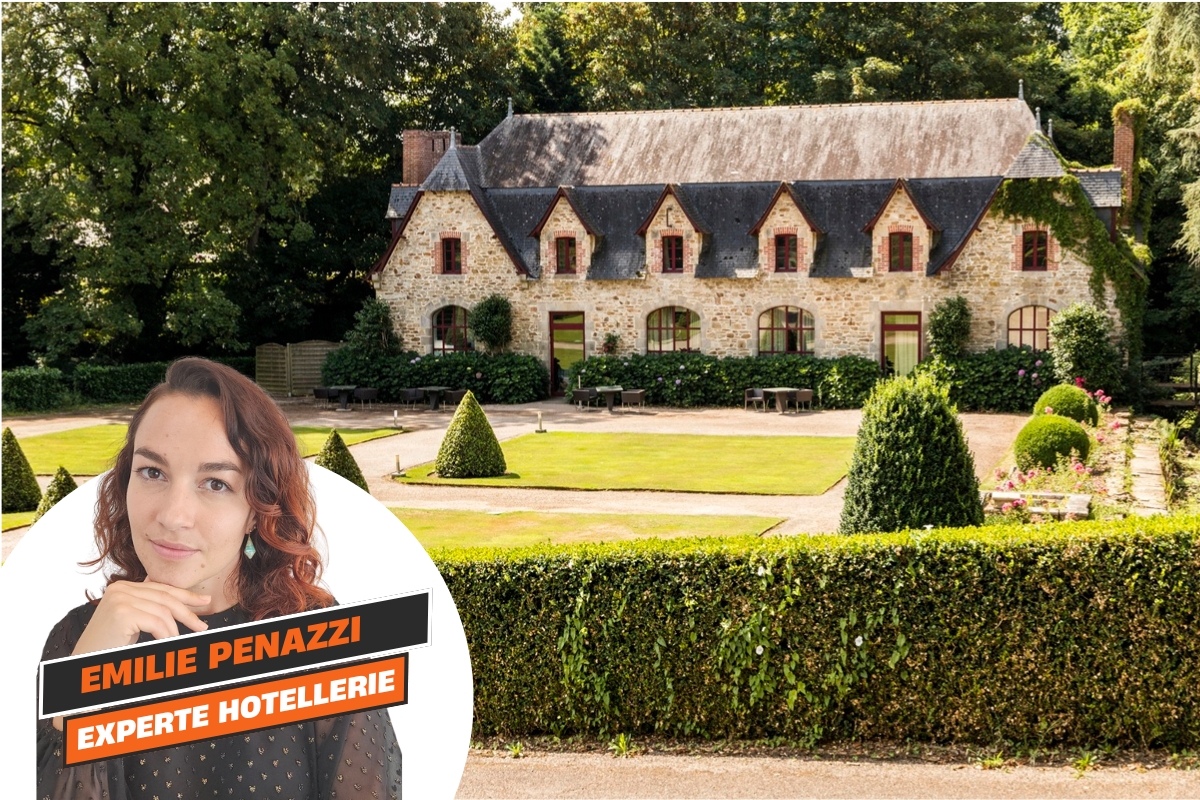
L'hôtellerie de caractère gagne en performance le jour où elle transforme sa singularité subie en singularité assumée. Ici, l'établissement Relais & Châteaux de La Bretesche à Missillac, France - DepositPhotos.com, jqnoc

Costa Rica


In characterful establishments, from French castles to island lodges, including golf resorts and wine estates, it is not uncommon to hear the owner of a distinctive place speak of its particularities as much as an advantage as a challenge: a limited number of rooms to optimize, spaces that resemble one another little, and a heritage architectural fabric that complicates day-to-day operations.

These particularities, however, form the foundation of solid performance, capable of being structured around three levers that strengthen each other.


Pricing the Difference, Measuring Beyond the Room

The first lever touches the revenue strategy, and it rests on a widely documented conviction: in a competitive market, product differentiation yields more durable revenues than chasing the bottom prices.

The rarity and heterogeneity of the rooms become the arguments, since a restricted inventory, made up of spaces that stand out for their history, view, and size, allows a pricing grid where each room represents a product in its own right.

The value-creation phase is essential because the sector is gradually moving away from RevPAR, which centers on the room alone, in favor of indicators that incorporate the value created per guest and actual profitability, from TRevPAR to GOPPAR.

A characterful property, whose dining, experiences, and ancillary services often carry as much weight as the nightly rate, benefits from thinking this way, and its pricing grid is built as an overall strategy.

Consequently, hoteliers might place less emphasis on price based on sleep quality and more on the guest journey.


The service and the human, the most difficult advantage to copy

The second lever is the one that large brands find the hardest to replicate.

A small establishment potentially benefits from a higher personnel-to-guest ratio and a relational proximity that enables a level of attentiveness that mass scale dilutes.

Harvard Business School has formalized this mechanism under the name of the “service-profit chain”, where employee satisfaction fuels client satisfaction, which in turn underpins financial performance.

This effect of internal climate always translates into the client’s lived experience. The advantage of human intervention therefore bears fruit once organized, when training, the quality of procedures, and the smoothness of internal communication turn hospitality intentions into measurable loyalty.

In this era of AI, the quality of human service remains a condition for the value of hospitality, and we now have the tools to devote the necessary time to it.


The narrative, turning heritage into experience

The third lever extends the first two by giving them meaning.

The experience economy, theorized by Pine and Gilmore, established that travelers seek memorable moments and judge offerings by the level of authenticity they perceive.

For a characterful property, heritage and territory constitute an asset ready to become a story, because the history of a building, its regional anchoring, and local know-how form what luxury hospitality calls the soul of a house, a differentiating source that underpins loyalty as well as recognition.

The narrative proves its value when it leaves the brochure to take shape in lived experience, from a staged arrival to partnerships with regional artisans, and it fully aligns with the principles of regenerative tourism.


Your Traveler’s Phone Is Worth More Than Their Luggage—and No One Protects It


Smartphone, ordinateur : le seul bagage qui vaut vraiment quelque chose, celui qui contient les contrats, les fichiers clients, la propriété intellectuelle de la boîte, est précisément celui que personne ne pense à protéger - DepositPhotos.com, ViewApart

IFTM prenez RDV avec TourMaG


An employee returns from Shanghai. He crossed the border without a hitch, handed his phone to an officer who kept it for four minutes, retrieved his laptop after a “routine inspection,” and he comes back convinced that nothing happened.

Three weeks later, something surfaces on the company’s network.

No one makes the connection, because there is no alert for this kind of event.

The breach didn’t occur at headquarters. It arrived in a suitcase, and you were the one who had sent that suitcase to fetch him.

This is the blind spot that our profession prefers not to talk about.

We have built a duty of protection that stops at the traveler’s skin. We insure him against car accidents, guarantee hospital care, we craft impeccable repatriation procedures, and at the same time we let them cross borders that copy their equipment with no scruple, without briefing, without a dedicated device, without the slightest written trace of what we did to prevent it.

The only baggage that is truly valuable, the one containing contracts, client files, and the company’s intellectual property, is precisely the one that no one thinks to protect.


The legal dimension of the duty to protect

And the most awkward part is that the standard you brandish to justify your duty of care ends up working against you.

ISO 31030, the reference standard for travel risk management, the one your teams cite in meetings to check the box, explicitly places data, equipment and the company’s intellectual property among travel-related risks.

The text doesn’t talk only about health or physical safety. It talks about information. And it reminds us of a point we often forget: the duty to protect has a legal dimension, which can arise from negligence, contract, or the law, and courts have already ruled against employers who did not uphold it.

Put plainly, deliberately sending someone into an environment where we know their data will be siphoned, without doing anything to prepare for it isn’t chance when things go wrong. It is a fault.

I’ll be told this is specialist paranoia. But the problem isn’t in the “exotic” countries we no longer use; it sits in destinations where you send people every month.


Find all of Christophe Mazzola’s articles by clicking on this link.


The phone, luggage like any other

China, first. Its anti-spying law, updated in 2023, broadened the definition of espionage to cover all “documents, data and materials” touching national security, a phrase vague enough to encompass almost any business activity.

It authorizes inspections of baggage and electronic devices, and the authorities have tools to extract the contents of a phone seized at a checkpoint.

The U.S. State Department now warns its nationals to expect on-site digital privacy to be almost non-existent. This isn’t just a theoretical worry: some European pharmaceutical inspectors have already reduced or suspended factory visits in China, fearing their own data could be collected under this law.

When professionals start to forego travel, the risk stops being theoretical.

Hong Kong, in particular, has removed the last reflex many still relied on: refusal. Since March 23, 2026, the police can compel anyone they suspect of threatening national security to hand over their password or decryption key, without a warrant, including a simple transit passenger who never even leaves the international zone.

And refusal is no longer neutral: it has become a crime in itself, punishable by up to a year in prison, where digital silence now amounts to an admission.

The American consulate alerted its citizens the day after. Several companies have already decided, removing Hong Kong from routes for employees carrying sensitive data or requiring them to use pristine phones.

When a hub as connected as one of the world’s busiest airports abandons its flight plans, this is not a posture, it’s a risk calculation.

And let’s not delude ourselves into thinking this only targets authoritarian regimes.

In the United Kingdom, an officer can, under anti-terrorism legislation, detain you for several hours and demand access to your device without a shred of suspicion.

In Canada, you are required to hand over your passwords on demand.

In New Zealand, refusal is met with a fine.

In the United States, customs inspect devices at entry, manually and without justification, intensified whenever a suspicion arises.

The phone has become baggage like any other, something that can be opened and copied, and this isn’t limited to the countries we point to. The excuse of exoticism no longer exists.


Who is Christophe Mazzola?

Markets: Middle East Conflict Boosts the Dollar and Fuels Inflation Fears [ABO]


Economic Situation

Marchés : le conflit au Moyen-Orient renforce le dollar et relance les craintes inflationnistes - Depositphotos.com Auteur JackFotografo

IFTM prenez RDV avec TourMaG


The Middle East conflict has escalated to a broader scale. On Sunday, Iran struck for the first time six Gulf states (United Arab Emirates, Qatar, Kuwait, Oman, Bahrain, and Jordan) in retaliation for American strikes.

Until now, the confrontation had been confined to Washington and Tehran around the Strait of Hormuz. By targeting directly the Gulf monarchies, Iran widens the scope of the conflict, far beyond a mere escalation.

Everything accelerated since July 8, when Donald Trump declared the ceasefire terminated after the attack on three ships near Hormuz. Since then, U.S. strikes have followed one another (four in a week) and Tehran says it has closed the strait, which Washington denies.

The numbers speak for themselves: barely six ship passages between Thursday evening and Friday morning, compared with about twenty per day at the start of July. The United States has also reinstated sanctions on Iranian oil from July 17.

Markets reacted calmly but clearly. Brent crude rose to around $79, about 9% above its pre-war level. The dollar strengthened against all major currencies, and yields rose: the 2-year U.S. yield reached 4.23%, the highest since February 2025. In other words, investors no longer expect rate cuts, but higher rates for a long time.

The timing could not be worse: this oil shock comes just as inflation was easing. In the euro area, inflation fell from 3.2% to 2.8% in June thanks to relief from oil, now jeopardized again.

The ECB, which raised rates in mid-June for the first time since 2023, refuses to commit to further moves, but the market prices in about a 70% chance of another hike in September. In the United States, several Federal Reserve officials already see a need for a rise.

Concretely, as long as traffic through Hormuz remains disrupted, the dollar is likely to stay strong and the euro under pressure, given Europe’s heavy energy import dependence. But there is no panic: Iranian strikes remain limited, Brent is far from the $120 levels reached in past crises, and many analysts expect the barrel to stay between $70 and $80 this summer.

A return to diplomacy (a Qatari delegation has already visited Tehran) could bring tensions down as quickly as they rose.


Exchange Rates: The Technical Update

The euro/dollar traded around 1.1404 on Monday’s open, down slightly from Thursday’s 1.1435. The euro sits in a paradoxical position: it should benefit from the ECB’s policy (a further rate hike in September is priced in at about 70%), yet that support is overwhelmed by two forces—the dollar’s status as a safe haven and high American rates (2-year at 4.23%). Since January, the euro has fallen about 2.8% against the greenback.

The next major event is the U.S. inflation release on Tuesday: if it surprises to the upside, the dollar will strengthen further ahead of the Fed meeting on July 29; if it comes in as expected (around 3.8%), the euro could catch a bit of a break.

Against the Swiss franc, the euro remains near its lows for the year, around 0.922. As long as geopolitics dominates, a rebound seems unlikely: even the calmer moments in June produced only small and short-lived gains.

Notably, the yen is not playing its usual safe-haven role. EUR/JPY sits near 184.4 and USD/JPY around 161.7. Japanese government bonds were even sold on Monday, signaling that the rate gap with the United States weighs more than risk aversion. Good news for companies paying suppliers in yen: current levels remain historically advantageous.

The Canadian dollar benefits from higher oil: EUR/CAD trades around 1.615, vs 1.62 on Thursday. The Bank of Canada will announce its decision on Wednesday, and keeping the rate at 2.25% is the consensus. It is caught between a slowing economy and energy-driven inflation. Canada, being a net oil exporter, sees oil’s rally support its revenues and therefore its currency.

Finally, the British pound is advancing quietly but surely: EUR/GBP has fallen back to around 0.852, from about 0.862 at the end of June. The pound benefits from attractive British rates for investors. The UK’s upcoming activity data this week will indicate whether this advantage remains.


WEEKLY SUPPORTS WEEKLY RESISTANCES
S2 S1 R1 R2
EUR/USD 1.1180 1.1290 1.1520 1.1630
EUR/GBP 0.8350 0.8430 0.8600 0.8690
EUR/CHF 0.9035 0.9125 0.9310 0.9400
EUR/CAD 1.5830 1.5990 1.6310 1.6470
EUR/JPY 180.70 182.55 186.25 188.10


The weekly supports and resistances shown below indicate, respectively, the low and high points within which prices are expected to move during the week.


The information presented in this publication is provided for informational purposes only and does not constitute investment advice, an offer to sell, or an invitation to buy; it should in no case be used as a basis or be considered an incentive to engage in any investment.


Mondial Change is a French financial institution, founded in 2015, specializing in the management of international payments and exchange-rate risk.

Mondial Change supports numerous players in tourism, travel agencies, tour operators, handling incoming groups…

www.mondialchange.com

Contact: [email protected]

Breakdowns: Travel Remains Resilient as Tensions Drive Tourism [ABO]


Défaillances : le voyage résiste encore, mais les tensions gagnent le tourisme - Depositphotos.com Auteur Dwara Art

IFTM prenez RDV avec TourMaG


Altares a recensé 17 486 procédures collectives au deuxième trimestre 2026, soit une hausse de 5,4 % sur un an. Depuis le début de l’année, 37 700 entreprises ont fait défaut, près de 1 500 de plus qu’au premier semestre 2025.

Si le rythme ralentit légèrement, le niveau des défaillances demeure près de 40 % supérieur à celui observé avant la crise sanitaire.

Les très petites entreprises restent les plus exposées (+8,3 % de défauts chez les entreprises de -3 salariés), tandis que les services figurent parmi les secteurs les plus touchés.

A noter également, que les défaillances des entreprises de -3 ans progressent de 12,7%.


Le voyage continue de mieux résister

Dans ce contexte, le secteur du voyage fait figure d’exception relative.

Au deuxième trimestre, les agences de voyages enregistrent un niveau de défaillance identique à celui de l’an dernier, avec 12 procédures ouvertes. Les services de réservation et activités connexes font même légèrement mieux, passant de 10 à 8 défaillances (-20 %).

Seule ombre au tableau : les voyagistes voient le nombre de procédures passer de 1 à 6. Au total, les activités liées au voyage recensent 26 défaillances contre 23 un an auparavant.

La photographie est toutefois plus favourable lorsqu’on observe le premier semestre dans son ensemble. Les activités de voyage totalisent 54 défaillances, contre 59 sur les six premiers mois de 2025, soit un recul d’environ 8,5 %.

Pour Thierry Millon, directeur des études Altares, cette résilience s’explique aussi par la capacité d’adaptation des professionnels. « Le secteur subit malgré tout une situation qui doit l’amener à être très à l’écoute du client. Mais pour y arriver, il faut évidemment être en capacité de pouvoir résister financièrement », souligne-t-il.


L’hébergement décroche, le transport reste contrasté

Thierry Millon estime toutefois que cette résistance du secteur ne doit pas masquer les fragilités qui apparaissent dans d’autres activités touristiques. « Le tourisme présente plutôt des indicateurs de résistance sur les voyages en particulier. Mais cela ne concerne pas encore les activités de l’hébergement-restauration », observe-t-il.

En effet, tous les métiers du tourisme ne suivent pas la même trajectoire.

Altares souligne une forte dégradation de l’hébergement, avec 133 défaillances au deuxième trimestre (+41,5 %). Les hôtels sont particulièrement touchés avec 91 procédures, en hausse de 54 %, tandis que les structures d’hébergement touristique de courte durée progressent également de 50 %.

« L’hôtellerie classique souffrait déjà de la concurrence des hébergements de courte durée. Désormais, c’est à peu près tout le monde qui se retrouve dans la même situation », constate le directeur des études Altarès. Selon lui, les établissements positionnés sur le milieu de gamme sont aujourd’hui les plus exposés, tandis que les offres premium et les établissements les plus économiques résistent davantage.

Du côté du transport, la situation demeure contrastée.

Le transport routier de marchandises reste sous tension, même si les défaillances reculent légèrement (-2 %).

En revanche, les difficultés persistent dans le transport routier de voyageurs, où les défaillances restent concentrées chez les taxis. Altares rappelle que leur niveau demeure plus de deux fois supérieur à celui observé avant la crise sanitaire.


Altares · Corporate Insolvencies
Insolvencies in the Travel & Passenger Transport Sector
Safeguard, receivership and judicial liquidation filings · Q2 2026
Q2 2026
vs Q2 2025

National Context
Altares Study — Paris, July 16, 2026
Nearly 17,500 insolvencies in Q2 2026 (all sectors combined) (+5.4%)
With 17,486 open procedures, the second quarter confirms the high level of insolvencies in France. Since the start of the year, 37,700 companies have defaulted, two-thirds directly in liquidation, i.e. 1,500 more than in the first half of 2025. Difficulties hit especially very small and young firms, moderating the social impact of the rise: the number of jobs at risk falls by 9.5% year on year to 58,830 staff.
17 486
Q2 Procedures

37 700
in 6 months

58 830
jobs at risk (−9.5%)

+1 500
vs 2nd half 2025

Key Figures · Q2 2026 – Travel & Transports

Travel — All Travel Sub-sectors
26
insolvencies
▲ +13,0 % vs Q2 2025

Travel Transports
270
insolvencies
▲ +1,5 % vs Q2 2025

Combined Total
296
insolvencies
▲ +2,4 % vs Q2 2025


Focus
Travel Sector
26 insolvencies in Q2 2026

Travel Agencies
7911Z

12
= 0,0 %

vs 12 in Q2 2025 · 18 in Q2 2024

Q2 22Q2 23Q2 24Q2 25Q2 26

Tour Operators
7912Z

6
▲ +500 %

vs 1 in Q2 2025 · 8 in Q2 2024

Q2 22Q2 23Q2 24Q2 25Q2 26

Booking Services
7990Z

8
▼ −20,0 %

vs 10 in Q2 2025 · 11 in Q2 2024

Q2 22Q2 23Q2 24Q2 25Q2 26

Ensemble Voyages — Annual Insolvencies History
Travel Agencies + Tour Operators + Booking Services

96

93

97

94

72

90

103

120

104

2017
2018
2019
2020
2021
2022
2023
2024
2025

Analysis : After a peak at 120 insolvencies in 2024, the travel sector returned to 104 in 2025 (−13.3%). In Q2 2026, the trend reverses with 26 insolvencies versus 23 in Q2 2025 (+13.0%). The rise is driven by tour operators (6 versus 1 in Q2 2025), while travel agencies remain stable (12) and booking services retreat (8 vs 10, −20%).


Distribution of the 26 Travel Insolvencies · Q2 2026
Agencies 46,2 %
Tour Operators 23,1 %
Booking Services 30,8 %

Travel Agencies (12)
Tour Operators (6)
Booking Services (8)


Transports
Passenger Transport
270 insolvencies in Q2 2026


Taxis & VTC — Sector under intense strain
4932Z
254
insolvencies in Q2 2026
▲ +1,6 %

Taxis and VTC account for 94.1% of the insolvencies in the passenger transport sector. The rise has been ongoing since 2021 (305 → 859 in 2025). In Q2 2026, it cools slightly: 254 insolvencies vs 250 in Q2 2025.

319

515

571

339

305

395

470

648

859

2017
2018
2019
2020
2021
2022
2023
2024
2025

Other Transport Sub-sectors · Q2 2026

Sub-sector
Q2 2025
Q2 2026
Change

Maritime Transport
4
3
−25 %

Inland Water Transport
0
0

Air Transport
0
1
n.s.

Regular Road Transport
7
4
−42,9 %

Other road transport
9
11
+22,2 %


Summary
Yearly Evolution — Comparative

Travel Sector
Annual Insolvencies 2017–2025
2017
96
2018
93
2019
97
2020
94
2021
72
2022
90
2023
103
2024
120
2025
104

Passenger Transports
Annual Insolvencies 2017–2025
2017
453
2018
650
2019
669
2020
413
2021
341
2022
454
2023
543
2024
726
2025
927

Source : Altares — Corporate insolvency statistics
Safeguard, receivership and judicial liquidation filings · Q2 2026
NAF codes : 7911Z, 7912Z, 7990Z (Travel) · 5010Z, 5030Z, 5110Z, 4932Z, 4939A, 4939B (Passenger Transport)


Une économie qui manque toujours d’élan


Ce qu’il faut retenir du baromètre Altares au 2e trimestre 2026

  • 17 486 défaillances d’entreprises ont été enregistrées au 2e trimestre, soit +5,4 % sur un an. Le premier semestre totalise 37 700 procédures, un niveau toujours très élevé.

  • Les défaillances restent près de 40 % supérieures à leur niveau d’avant-Covid, malgré un ralentissement de leur progression depuis plusieurs mois.

  • Les très petites entreprises demeurent les plus fragiles : les structures de moins de trois salariés représentent 75 % des procédures et voient leurs défaillances progresser de 8,3 %.

  • Les jeunes entreprises sont particulièrement exposées : les sociétés de moins de trois ans enregistrent une hausse de 12,7 % des défaillances, majoritairement sous forme de liquidations judiciaires.

  • L’impact sur l’emploi recule : malgré la hausse des procédures, le nombre d’emplois menacés baisse de 9,5 %, à 58 830 salariés.

  • Les services aux entreprises décrochent (+13,9 %), tout comme les services aux consommateurs (+15,7 %), tandis que l’agriculture (+21 %) connaît une forte dégradation.

  • La construction résiste globalement (-0,8 %), grâce au recul des défaillances dans le gros œuvre et le second œuvre, même si la promotion immobilière reste en grande difficulté.

  • Le tourisme présente un visage contrasté : les activités de voyage restent relativement résilientes, mais l’hébergement se dégrade fortement avec une hausse de 41,5 % des défaillances, dont +54 % pour les hôtels.

  • La moitié des régions françaises repasse dans le vert, notamment la Bretagne, la Normandie, la Bourgogne-Franche-Comté, le Centre-Val de Loire, la Corse et la région Provence-Alpes-Côte d’Azur. À l’inverse, Auvergne-Rhône-Alpes enregistre une envolée des défaillances (+22,9 %).

  • Pour Altares, le reflux des défaillances n’est pas encore en vue. Avec une croissance attendue limitée à 0,7 %, une consommation atone et des coûts d’exploitation toujours élevés, le cabinet anticipe 34 000 à 35 000 nouvelles procédures collectives au second semestre 2026.

What If the Real Barrier to Recruiting French Cabin Crew Was… English?


Recrutement PNC : beaucoup de candidats français maîtrisent les règles de la langue anglaise mais bloquent lorsqu'il faut improviser une réponse - Depositphotos.com, garagestock

IFTM prenez RDV avec TourMaG


Ten years ago, a B2 level in English sufficed to join a French airline.


Candidates would obtain their certification, tick the box, and move on to the next step.

Today, the rules have changed.

The official criteria remain the same, but recruiters now verify what a certificate does not always measure: the ability to hold a fluent conversation.

This shift comes as France shows a marked lag in spoken expression.

According to the EF English Proficiency Index 2025, the French rank 32nd out of 35 European countries for spoken English. A heavy handicap in a sector where interviews are increasingly conducted in English.


French Companies Raise Their Requirements

En 2022, Air France demandait un niveau B1 avec listening (compréhension orale) et reading (lecture) uniquement. Le speaking (expression orale) n’était pas encore exigé.


En 2024, les critères ont évolué : la compagnie demande désormais soit un a minimum B2 on the LILATE, soit un Linguaskill score de B2 dans chacun des trois skills (compétences).
Pour l’anecdote, la majorité des candidats retenus chez Air France et HOP! en 2026 et accompagnés par l’organisme de formation SkySuccess affichaient un niveau C1 au LILATE.

Le TOEIC, dans sa version la plus courante, ne teste que le listening et le reading, pas l’expression orale. Une version avec les 4 skills existe et est acceptée chez French Bee.

Le TOEIC classique n’est d’ailleurs plus accepté par le groupe Air France. Linguaskill et LILATE évaluent les 4 compétences, et les compagnies exigent cette option.

French Bee, qui a récemment ouvert une campagne de recrutement, accepte le Linguaskill B2 ou le TOEIC B2, tous deux avec les 4 skills. Pour le LILATE, le seuil de recevabilité est fixé à C1.

Lors du salon SFMA, plusieurs compagnies françaises et internationales expliquaient que les candidats titulaires d’un C1 étaient valorisés. Certaines testaient même l’anglais directement sur leur stand.

Lire aussi : TOEIC, Linguaskill, LILATE : quelle certification d’anglais choisir pour devenir PNC ?


32nd out of 35 in Europe: the French handicap

The EF English Proficiency Index 2025 measures, for the first time, the four language skills separately. The French results are unequivocal.

In reading comprehension, France scores 555 points. In speaking, it drops to 456 points. Close to a 100-point gap. This gap places France at the 32nd position out of 35 European countries for spoken English. Only Moldova, Turkey, and Italy perform worse.

A Cambridge Assessment English study, echoed by Le Figaro, confirms this finding: the average level of French people in English is around B1. Yet airlines require a minimum B2. Bridging this gap is real.

The explanation is well known. For decades, the French school system prioritized grammar and reading at the expense of speaking.

Many candidates master the rules of the language but freeze when they have to improvise an answer.


Find all articles by Rémi Duchange by clicking here.


How do candidates close the gap?


A challenge for the sector

Against the rankings, the French paradox becomes clear.


French applicants often possess solid theoretical knowledge. But the skill where France ranks 32nd in Europe is precisely the one recruiters prioritize in evaluations.


This raises a question for the sector. With more than 25,000 annual recruitments according to GIFAS and 678 000 cabin crew members to recruit worldwide by 2034 according to the CAE 2025 study, the level of spoken English among French candidates remains a challenge to overcome.


Who is Rémi Duchange?


Rémi Duchange - Photo : SkySuccess

Rémi Duchange is the cofounder of SkySuccess, a Qualiopi-certified training organization dedicated to future cabin crew, with nearly 15 years of experience in aviation, including roles as a PNC, cabin chief, and instructor within an international airline.


With his team, he offers a human, bilingual (French/English) and individualized approach: preparation for the LILATE and Linguaskill certifications, personalized recruitment coaching up to hire.


For four years, SkySuccess has helped more than 1,000 students join an airline. The organization supports all profiles, with or without a CCA, beginners or seasoned, thanks to a tailor-made method.


Backed by more than 50,000 followers on Instagram and LinkedIn, as well as its newsletter, Rémi daily shares on his career hub job openings for PNC and ramp agents, as well as tips for succeeding in aviation recruiting.