
Accor: A Remarkably Solid Start to the Year Ahead of the Middle East Conflict’s Impact


Accor : le RevPAR progresse de 5,1 % au 1er trimestre 2026 - Depositphotos.com Auteur T.Schneider

IFTM prenez RDV avec TourMaG


The hotel group Accor reported a revenue of €1.313 billion in the first quarter of 2026, up 2.3% at constant exchange rates, in an environment marked by geopolitical tensions, notably in the Middle East.

Revenue fell -2.7% on a published basis.

The Group once again posts growth that is solid and sustained“, says its CEO Sébastien Bazin, who highlights “the very strong momentum at the start of the year” that helped largely offset the effects of the regional conflict.

The first two months of the year were “remarkably solid“, continuing the momentum from late 2025, before the Middle East conflict disrupted activity from late February. The United Arab Emirates were notably affected, while other areas, such as Europe or Southeast Asia, benefited from robust demand.


RevPAR (revenue per available room) grows 5.1% year over year

RevPAR (revenue per available room) rises 5.1% year over year, driven mainly by price increases. Growth is particularly pronounced in the Americas (+9.1%) and in Asia-Pacific, while Europe shows a more modest advance (+2.7%).

The Premium, Midscale and Economy division posted €663 million in revenue, up 4.6% at constant currency. By contrast, the Luxury & Lifestyle segment declined slightly (-0.7%), largely due to perimeter effects related to disposals, the press release indicates.

Within this segment, Management & Franchise activity remains dynamic, with a 15.2% rise, driven by the network expansion and RevPAR growth.

During the quarter, Accor opened 48 hotels, representing more than 6,700 rooms. Over twelve months, net network growth stood at 3.8%. By the end of March 2026, the group counted 5,815 hotels and nearly 880,000 rooms, with a pipeline of 260,000 additional rooms.


The group remains attentive to the evolution of geopolitical tensions, whose impacts are “currently uncertain.” Nevertheless, Accor maintains that its “growth algorithm remains intact” and expresses confidence in its ability to improve performance over the course of the year.

At the same time, the group continues its financial initiatives, with a €450 million share buyback program announced for 2026, of which an initial tranche of €225 million was launched at the beginning of April.


Accor Expands in West Africa with Nigeria


Le projet comprend également la création d’une académie de formation hôtelière au Nigéria - DepositPhotos.com, flogeljiri

IFTM prenez RDV avec TourMaG


Accor et Shoreline Group prévoient de développer une offre hôtelière couvrant plusieurs segments, du milieu de gamme au luxe, afin d’accompagner la croissance touristique et économique du Nigeria.

Le partenariat prévoit l’ouverture de 10 hôtels répartis dans huit villes nigérianes d’ici 2030.

Les établissements représenteront plus de 1 200 chambres et s’appuieront sur les différentes marques du portefeuille d’Accor.

Le projet comprend également la création d’une académie de formation hôtelière destinée à former les talents locaux.

Selon les deux groupes, cette structure pourrait contribuer à la création d’environ 1 000 emplois directs dans le pays.


Accor renforce sa stratégie de développement en Afrique de l’Ouest

Accor indique que cette opération s’inscrit dans sa stratégie de croissance sur le continent africain et plus particulièrement en Afrique de l’Ouest.

Sébastien Bazin, président-directeur général d’Accor, souligne que ce partenariat doit permettre de « créer une offre hôtelière inégalée » au Nigeria, tout en renforçant la présence du groupe sur le marché.

De son côté, Shoreline Group considère l’hôtellerie comme un prolongement de ses activités dans les infrastructures et l’énergie. Son PDG, Kola Karim, estime que le manque d’offre de chambres de qualité au Nigeria représente une opportunité de développement importante pour le secteur hôtelier local.

French Riviera: Soniho Hotel Group Bets on a Hybrid Model


Le groupe hôtelier familial Soniho poursuit sa transformation - Crédit photo : Soniho et Kevin Leinster

IFTM prenez RDV avec TourMaG


Sur le littoral des Alpes-Maritimes et du Var, le groupe hôtelier Soniho, dirigé par la troisième génération de la famille Nicoletti, affirme un repositionnement engagé autour d’une hôtellerie plus ouverte et fonctionnelle.

Loin d’un modèle centré uniquement sur l’hébergement, l’entreprise défend désormais des établissements conçus comme des espaces polyvalents, adaptés aussi bien aux clientèles loisirs qu’affaires.

Cette stratégie s’appuie sur un portefeuille de cinq hôtels 3 étoiles situés à Nice, Cannes et Fréjus, représentant près de 400 chambres.

Depuis 2024, le groupe a progressivement abandonné les enseignes sous franchise pour développer sa propre marque indépendante, Soniho, et rénover ses établissements sous cette nouvelle identité.

Le groupe s’est entouré de plusieurs acteurs locaux pour accompagner ce repositionnement, notamment des cabinets d’architecture et une agence de conseil en stratégie et communication, afin de repenser les usages et l’identité de chaque site.


Hotels designed as living spaces

Au cœur de la stratégie de Soniho, les établissements sont conçus comme des espaces hybrides réunissant hébergement, restauration et coworking. Une approche qui vise à faire des hôtels des lieux de rencontre et de partage, au-delà de la seule fonction touristique.

À Nice, l’Hôtel du Pin, situé dans le quartier du Port, illustre ce positionnement. L’établissement de 91 chambres accueille un espace de coworking et de séminaires Scool, ainsi qu’un bar-restaurant ouvert à la clientèle extérieure, participant à l’animation du site du matin au soir.

Toujours à Nice, l’Hôtel Isidore, implanté à l’ouest de la ville, développe une offre similaire avec 79 chambres et l’ouverture prévue d’un espace Scool dédié aux réunions et au travail partagé. L’établissement mise également sur une offre de restauration à forte identité culinaire.

À Cannes, l’Hôtel Abrial propose 48 chambres et un espace bar complété par une terrasse, tandis que l’Hôtel des Victoires, entièrement rénové en 2024, combine 99 chambres, restauration, bar et espaces de séminaires et coworking.

Enfin, à Fréjus, l’Hôtel Cyano vient compléter le portefeuille avec 68 chambres, un restaurant, un bar et une salle de réunion, incarnant également cette logique de lieux polyvalents adaptés à différents usages.


A hotel industry adapted to new uses

Avec cette structuration, Soniho entend répondre à l’évolution des pratiques de voyage et de travail, où les frontières entre séjour, activité professionnelle et moments de convivialité tendent à s’estomper.

Le groupe, qui revendique un chiffre d’affaires global de 11 millions d’euros, affiche également plusieurs projets à moyen terme, dont la poursuite des rénovations et le développement de nouveaux espaces de coworking au sein de ses établissements.


Amelia Brille Publié par Amelia Brille Rédactrice TourMaG.com
Voir tous les articles d’Amélia Brille

  • picto Linkedin
  • picto email
Ajoutez TourMaG à votre flux Google Actualités Google Actualités icône  

Logis Hotels Up 22% in May, Bets on a Dynamic Summer


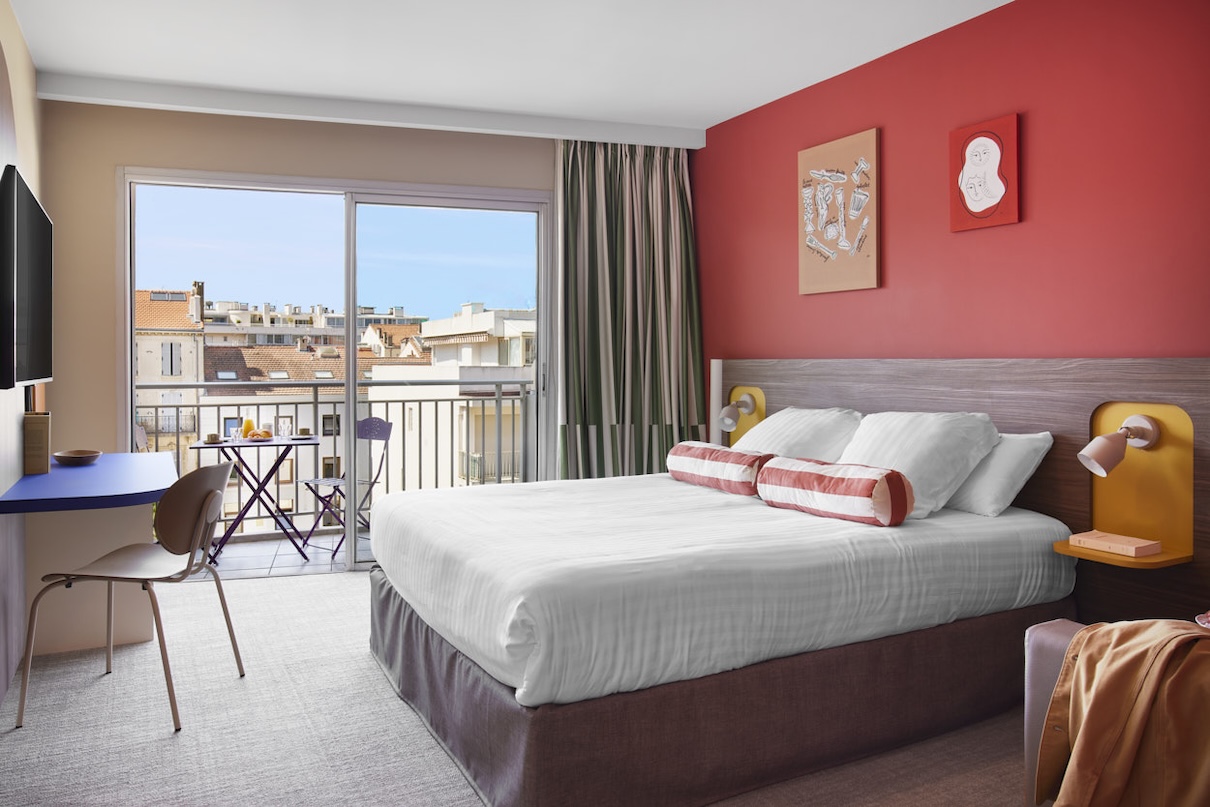
Logis Hotels profite de l'engouement pour les séjours de proximité - Photo : Logis Hotels

IFTM prenez RDV avec TourMaG


The month of May 2026 proved exceptionally favorable for Logis Hotels. Driven by spring holidays and the growth of its premium brands, the company posted a 22% rise in turnover compared with the same period last year.

The long weekends had a positive effect, even if bookings tend to level off more than before“, explains Karine Morot-Gaudry, Deputy Chief Executive Officer of the group. The leader also highlights the impact of expanding premium offerings on this growth.

In terms of destinations, several regions demonstrated notable performances. The Provence-Alpes-Côte d’Azur region topped the chart with a 41% increase in turnover, followed by the Grand Est (+33%) and Bourgogne-Franche-Comté (+30%).

This momentum is partly explained by travelers’ patterns during the long weekends. “Many guests favor getaways two to three hours from their home“, notes Karine Morot-Gaudry.

Foreign clientele also contributed to these solid results. Reservations from Germany rose by 33%, while those from Belgium climbed by 26%. A proximity-focused clientele that particularly benefits the eastern regions of France.


European Clientele on the Scene

If the business clientele paused during the early weeks of May due to numerous public holidays, the trend clearly reversed after the Pentecost weekend.

The backlog on the business segment has almost been caught up in the last week of May“, specifies Karine Morot-Gaudry. The arrangement of the last long weekend, with a public holiday Monday, notably favored the return of business travel.

The French market remains the main driver of summer growth with an 11% increase in bookings. European markets also show strong performance: the Netherlands up 25%, Germany 15%, Belgium 13% and the United Kingdom 12%.

According to the executive, these figures reflect both the attractiveness of southern France and the loyalty of traditional European markets.


Encouraging Summer Outlook

For the summer of 2026, Logis Hotels also expresses confidence. To date, bookings show a 16% rise compared with trends observed at the same point last year.

The South of France is at the heart of much of this momentum. Nouvelle-Aquitaine records a 29% increase in bookings, ahead of Provence-Alpes-Côte d’Azur (+24%). The Channel coast also rides this wave with a 22% rise.

Meanwhile, transit regions such as the Grand Est (+29%) and Bourgogne-Franche-Comté (+28%) benefit from the expected influx of European clientele heading toward the southern destinations.


Amelia Brille Published by Amelia Brille TourMaG.com Editor
See all articles by Amelia Brille

  • picto Linkedin
  • picto email
Add TourMaG to your Google News feed Google Actualités icône  

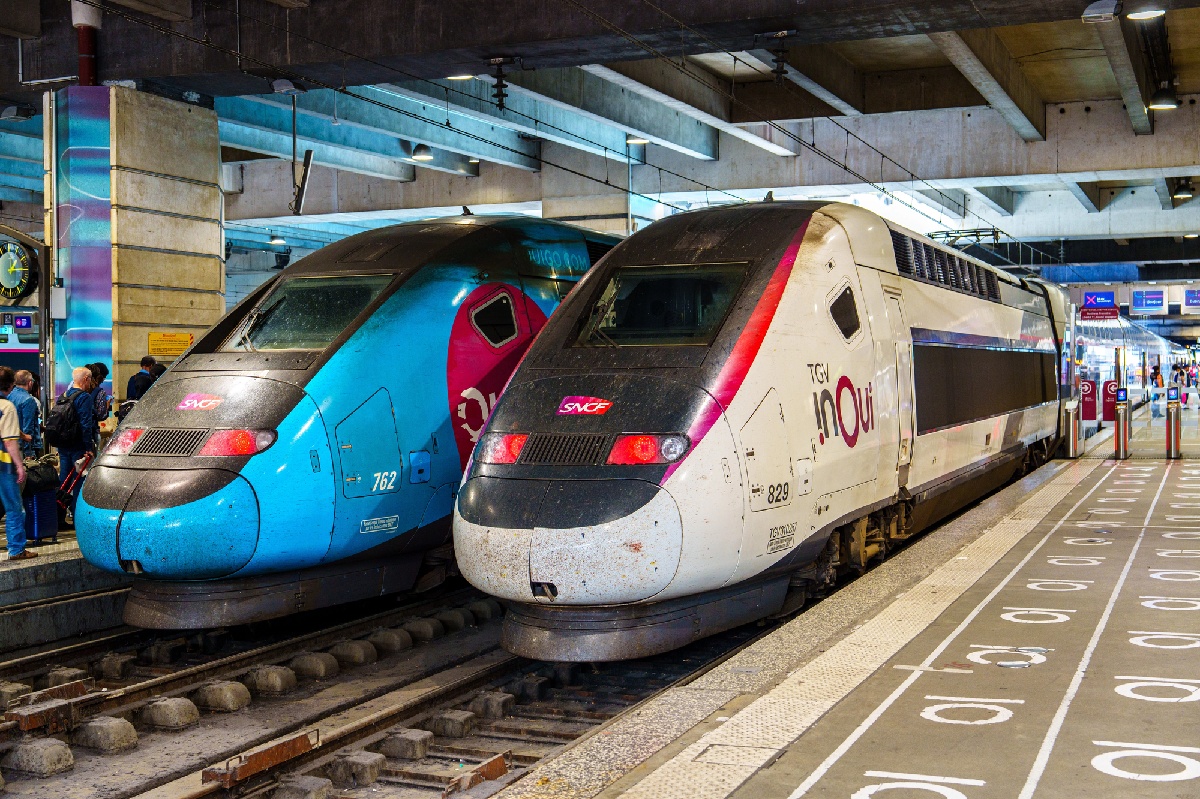
SNCF: FNAUT Denounces Ouigo Price Hikes and Decline of the Inoui Service


SNCF : La FNAUT dénonce l'envolée des prix Ouigo et le recul de l'offre Inoui - Depositphotos.com Auteur FotoPrivet

IFTM prenez RDV avec TourMaG


While SNCF has recently confirmed a modest increase in TGV INOUI and OUIGO fares for 2026, the National Federation of User Associations for Transport (FNAUT) has published a comparative study on how TGV prices and offerings have evolved from 2017 to 2024.

It had already unveiled, at the end of 2025, an initial report covering figures from 2017 to 2023. It now updates the data with 2024 figures.

According to FNAUT data based on the open data from the Transport Regulation Authority:

  • Between 2017 and 2024, OUIGO’s seat-kilometre offering surged by +185%, while TGV INOUI’s declined by around -13%.

  • This trend translates into a traffic split where OUIGO trains now account for a substantial share, at the expense of the traditional INOUI offering, criticized for its gradual decline.

“More OUIGO, less INOUI: the French TGV is changing its face… but not necessarily to the benefit of regular travelers.” states FNAUT.


Marked rise in OUIGO prices vs relatively stable INOUI

The FNAUT argues that this evolution reduces travel options for holders of discount cards (such as Avantage or Liberté), who often find fewer seats available on reserved quotas for TGV INOUI, the more traditional option.

The federation also analyzes price developments.

  • The average price of an OUIGO ticket rose by 75% between 2017 and 2024, and the price per kilometer climbed by 71% over the same period.

  • By contrast, INOUI TGV tickets saw their average price rise by only 8%, with a price-per-kilometer increase limited to 11%, well below overall inflation.


response from Alain Krakovitch: context, evolution and customers

On LinkedIn, Alain Krakovitch, director of TGV-Intercités and head of the TGV INOUI and OUIGO brands, replied to these criticisms by emphasizing several contextual elements:

According to him, a large portion of OUIGO price increases can be explained by changes in the offering: at launch, the brand served only secondary stations and short-haul routes. Today, it operates from major Paris stations and on much longer connections (up to Hendaye, Brest, Perpignan…), which, he says, accounts for about 80% of the observed price rise.

He suggests that the remaining rise reflects higher operating costs, but notes that, overall, the prices of TGVs (INOUI + OUIGO) have risen more slowly than inflation in recent years.

For Krakovitch, the two brands are not competitors but complementary: OUIGO generally remains about 30% cheaper than TGV INOUI on average and helps attract travelers who would not have taken the train otherwise. He also notes that more than 180 million customers have used OUIGO since its inception, with more than half of tickets sold for less than €30.


Trenitalia France Opens Sales for Summer 2026


Trenitalia France ouvre les ventes pour la saison estivale - Depositphotos.com @teamtime

IFTM prenez RDV avec TourMaG


Starting tomorrow March 4, 2026 at 8:00 a.m., Trenitalia France opens sales for the 2026 summer season on its three corridors: Paris–Lyon, Paris–Marseille and Paris–Milan.

Tickets will be available for the next six months, allowing travelers to anticipate their summer journeys to 11 destinations in France and Italy.

As with every opening, the earliest buyers benefit from the most attractive fares. Introductory prices start at €23 on Paris–Lyon, €27 on Paris–Marseille and €35 on Paris–Milan.

Tickets that can be exchanged, offering greater flexibility in case of unforeseen events, a strong selling point as the peak season approaches.

“The opening of sales is a key moment for travelers as well as for railway operators. It allows anticipating major summer travel and gives everyone the opportunity to book early to benefit from the best fares and choose their schedules,”, notes Marco Caposciutti, president of Trenitalia France.


Regarding the three lines

On the Paris–Lyon axis, the operator highlights a dense offering with 14 return journeys on weekdays. This frequency accommodates both business travel and last-minute getaways.

After a first summer deemed a success, with more than 200,000 travelers carried between June and August 2025, the Paris–Marseille line kicks off its second summer season. Four return trips daily are scheduled, with stops at Lyon Saint-Exupéry, Avignon TGV and Aix-en-Provence TGV.

The Paris–Milan international connection offers two return journeys daily. It directly links the French capital to the Lombard capital while crossing the Alps.

The operator notes, however, that infrastructure works scheduled on the transalpine line will cause several service interruptions during the summer. Travelers are invited to regularly check updated traffic information.

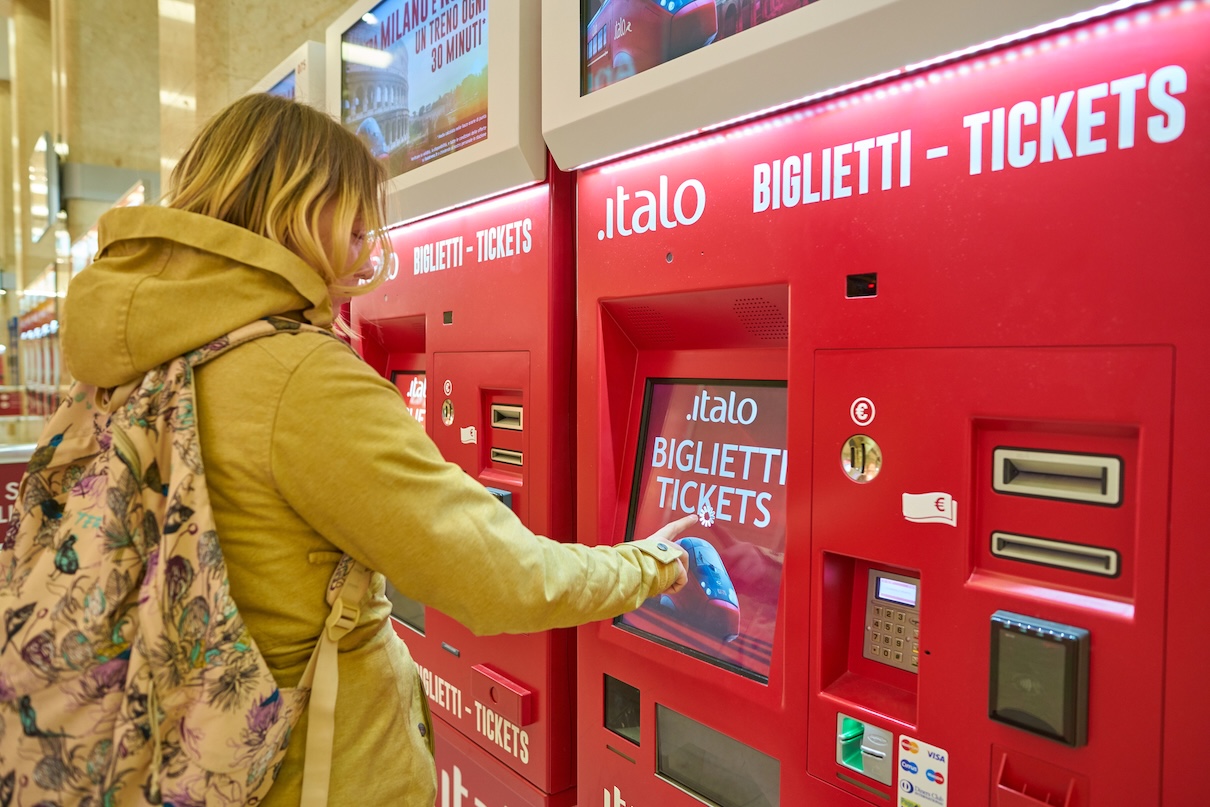
Tickets will be marketed via the Trenitalia France website and app, as well as at physical ticket offices and on in-station kiosks. The company accepts notably Chèques-Vacances Connect at the ticket counter and by phone, a measure aimed at supporting purchasing power.

Another promotional mechanism highlighted: the referral offer, which allows both the referrer and the referee to benefit from a 10% discount.


Amelia Brille Published by Amelia Brille TourMaG.com Writer
See all articles by Amelia Brille

  • picto Linkedin
  • picto email
Add TourMaG to your Google News feed Google Actus icon  

SNCF Set to Enter Italy’s High-Speed Rail Market


L'AGCM vient de s'exprimer en faveur de la libre concurrence sur le marché italien de la grande vitesse - Depositphotos.com, @Hans_Chr

IFTM prenez RDV avec TourMaG


The Italian Competition Authority and Market Authority (AGCM) has issued a ruling favorable to opening up the high-speed market to competition in Italy.

A step welcomed by SNCF Voyages Italia, a subsidiary of SNCF Voyageurs.

The Authority validated the commitments made by the infrastructure manager Rete Ferroviaria Italiana to ensure fair access terms for new operators.

For SNCF Voyages Italia, this decision constitutes an important first step. But it must now be followed by concrete measures, including the immediate allocation of a portion of the requested rail slots.

Without this access to capacity to run trains, the launch of the project will not be possible.


Un projet d’investissement prévu pour 2027

The company plans to launch its new high-speed offering in September 2027.

The project relies on the introduction of 15 next-generation trains, with the goal of carrying more than 10 million passengers per year in Italy.

The offering aims to provide more capacity, “optimal comfort, competitive fares and an environmentally friendly travel experience,” says SNCF Voyages Italia in a press release.

The industrial plan foresees 13 daily round-trips : 9 between Turin and Naples, and 4 between Turin and Venice.

For the company, this level of activity is essential to make the investments viable. Without these minimum conditions, the project could not be fully implemented.


Un projet aux retombées économiques significatives, mais encore conditionné

According to a study conducted with Università Bocconi and its GREEN research center, the project could generate more than €480 million in economic spillovers per year.

These benefits would include a contribution to growth, new tax revenues, the creation of more than 4,000 direct and indirect jobs, time savings for travelers, and an average easing of prices due to intensified competition.

Despite the decision of the Competition Authority, SNCF Voyages Italia nevertheless believes that several conditions remain essential to bring its market entry to fruition.

The company is asking in particular for sufficient access to additional rail slots, the possibility to operate maintenance facilities in Italy, and obtaining the necessary certifications for its trains. Without these guarantees, the launch of the new offering could not be realized within the planned timelines.

SNCF Voyages Italia urges all sector stakeholders to collaborate to enable a successful entry into the Italian market, in compliance with European regulations.


Amelia Brille Published by Amelia Brille TourMaG.com Editor
See all articles by Amelia Brille

  • picto Linkedin
  • picto email
Add TourMaG to your Google News feed Google Actualités icône  

Trenitalia France Plans High-Speed Train Maintenance Center in Île-de-France


L’exploitation du centre devrait générer environ 100 emplois, directs et indirects - DeposiPhotos.com, teptong

IFTM prenez RDV avec TourMaG


Trenitalia France a signé avec SNCF Réseau un contrat de location de 35 ans pour une zone ferroviaire située à Maisons-Alfort Pompadour, en Île-de-France.

Le futur centre permettra d’assurer la maintenance de la flotte à grande vitesse de Trenitalia France.

L’infrastructure sera conçue pour fonctionner en continu, 24 heures sur 24, et comprendra trois voies permettant l’entretien simultané de trois trains. Elle intégrera également des installations dédiées au lavage, au nettoyage et au remisage.

À pleine capacité, le site pourra accueillir jusqu’à 25 trains. Il contribuera à l’organisation opérationnelle des activités de maintenance et accompagnera le développement de l’offre ferroviaire sur le marché français.

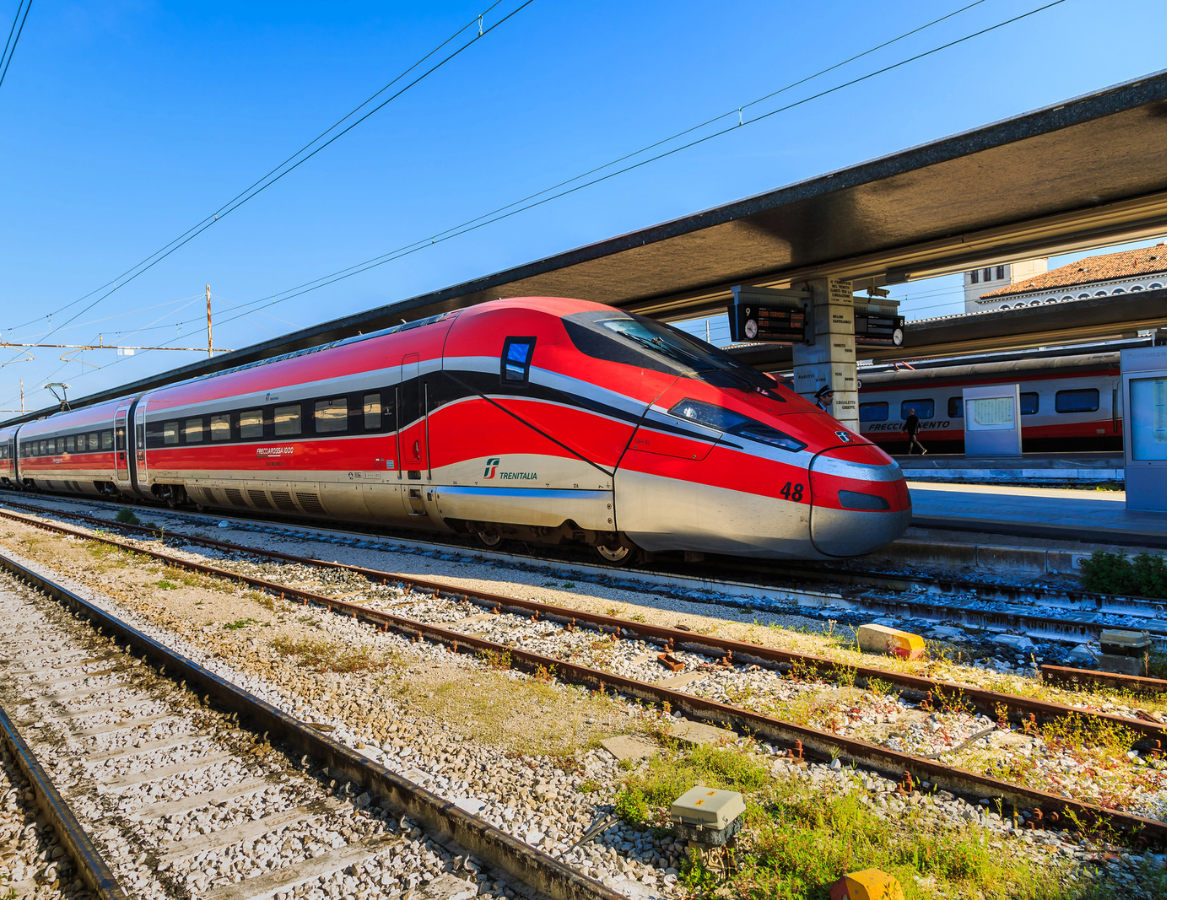
Le centre prendra également en charge les futurs services à grande vitesse Frecciarossa entre Paris et Londres via l’Eurotunnel.


A project aligned with FS Italiane’s European strategy

This project is part of the international development plan of the FS Italiane group, aimed at strengthening its presence on the main high-speed corridors in Europe.

The site’s placement in Île-de-France serves as a base for the group’s international activities, notably on rail links between major European cities.

The construction and operation of the center are expected to generate around 100 jobs, direct and indirect, including activities carried out with partner companies in the fields of maintenance and operational support.

Behind the Scenes of the Southeast TGV Axis: The Backbone of France’s Rail Network


Dans les coulisses de l’axe TGV Sud-Est, colonne vertébrale du rail français - Photo CE

IFTM prenez RDV avec TourMaG


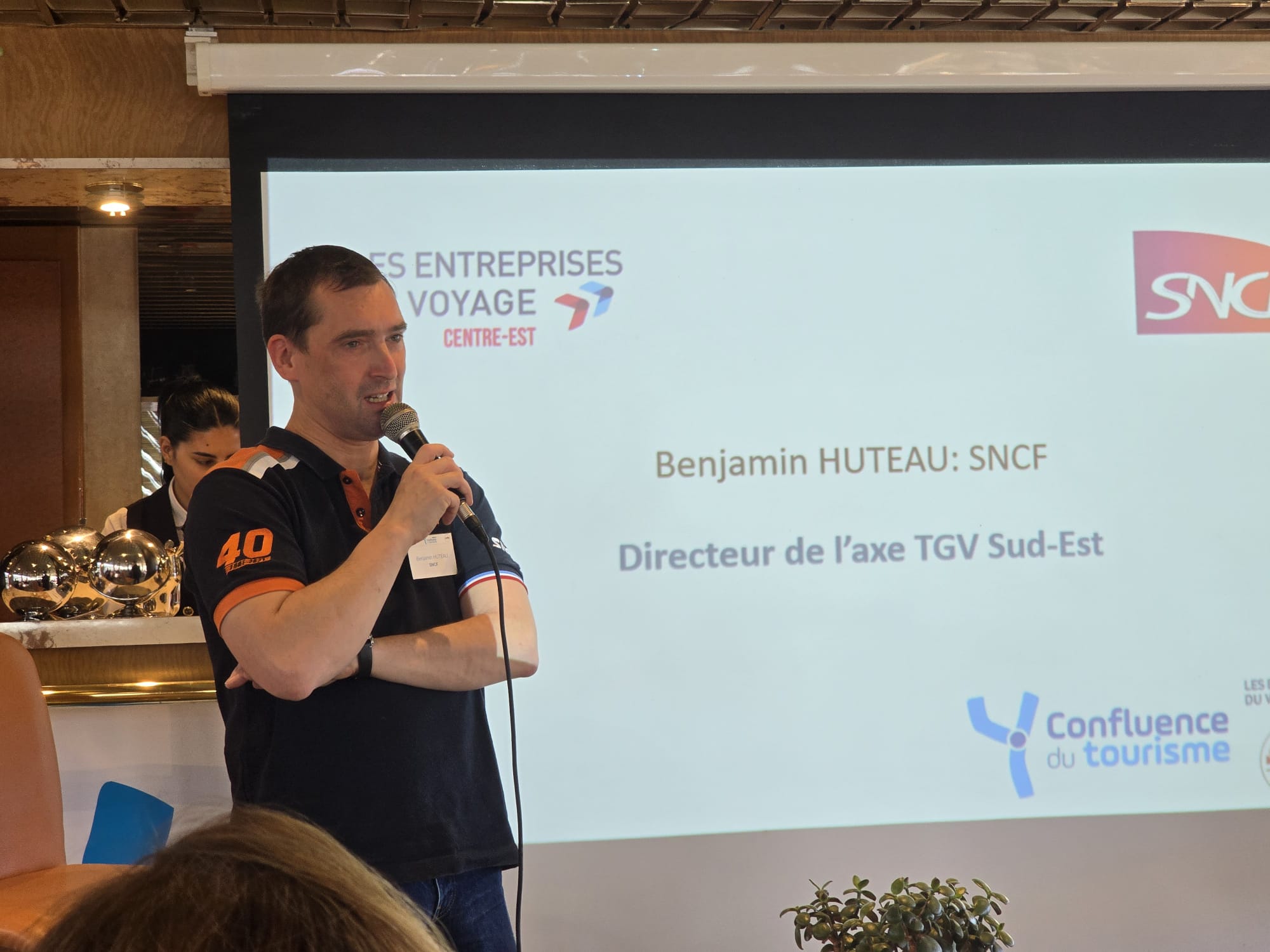
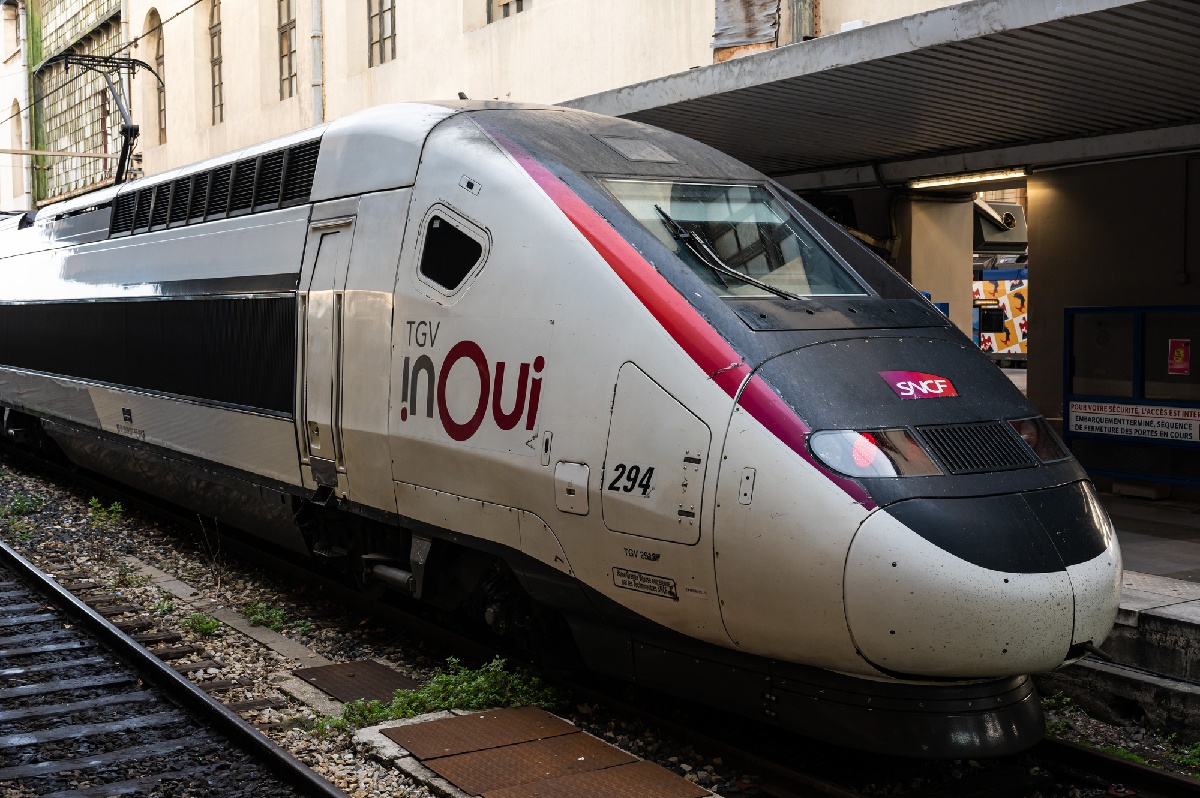
It is the backbone of French rail transport. The TGV Sud-Est axis is the main railway corridor in France connecting Paris to Lyon and then toward the Mediterranean, spanning eastern France and the Alps.

« If you draw a line from Paris-Mulhouse to Paris-Barcelone, you already cover a good portion of the country », summarizes Benjamin Huteau, director of this strategic axis.

Each day, 120,000 travelers ride on 130 TGVs. Behind these figures: a workforce of 5,000 people and an annual turnover of 2.5 billion euros.

« This is the densest axis in Europe in terms of rail traffic. The backbone of the high-speed line that physically lies between Paris and Lyon, indeed, by far the busiest line in Europe because Paris-Marseille and Brussels-Montpellier also pass through it. »


Tolls account for about 40% of a ticket’s price

The general public often doesn’t realize it, but a significant portion of the price of a TGV ticket does not go directly to the operator and is used to finance the use of infrastructure: stations and the rail network.

Managed by SNCF Gares & Connexions and SNCF Réseau, these entities market, on the one hand, calling at stations and, on the other, slots—i.e., time windows for circulation on the rail network—allowing various carriers to run trains from one point to another.

« The track charges paid by TGV activity in France are among the highest in Europe. These fees largely — and often beyond — cover the maintenance costs of the high-speed lines. In France, they contribute significantly not only to the maintenance of the high-speed network but also to that of the entire rail network, including conventional lines » explains Benjamin Huteau.

These charges represent around 40% of a ticket’s price, with notable variations depending on the line. « On the busiest axes like Paris – Lyon, this share can reach nearly 50%. Conversely, on other lines where the cost per kilometer differs, this share can be lower, around 30%, such as on Paris – Mulhouse or Paris – Dijon. »

What is less known is that these tariffs are also set according to a yield-management logic: « On Paris – Lyon, this economic logic dominates: more than 80% of the toll relates to this dynamic pricing. It’s hard to be profitable on Paris – Lyon; tolls have risen by more than 30% since 2020. »


SNCF Réseau asks to pre-book track slots three years in advance


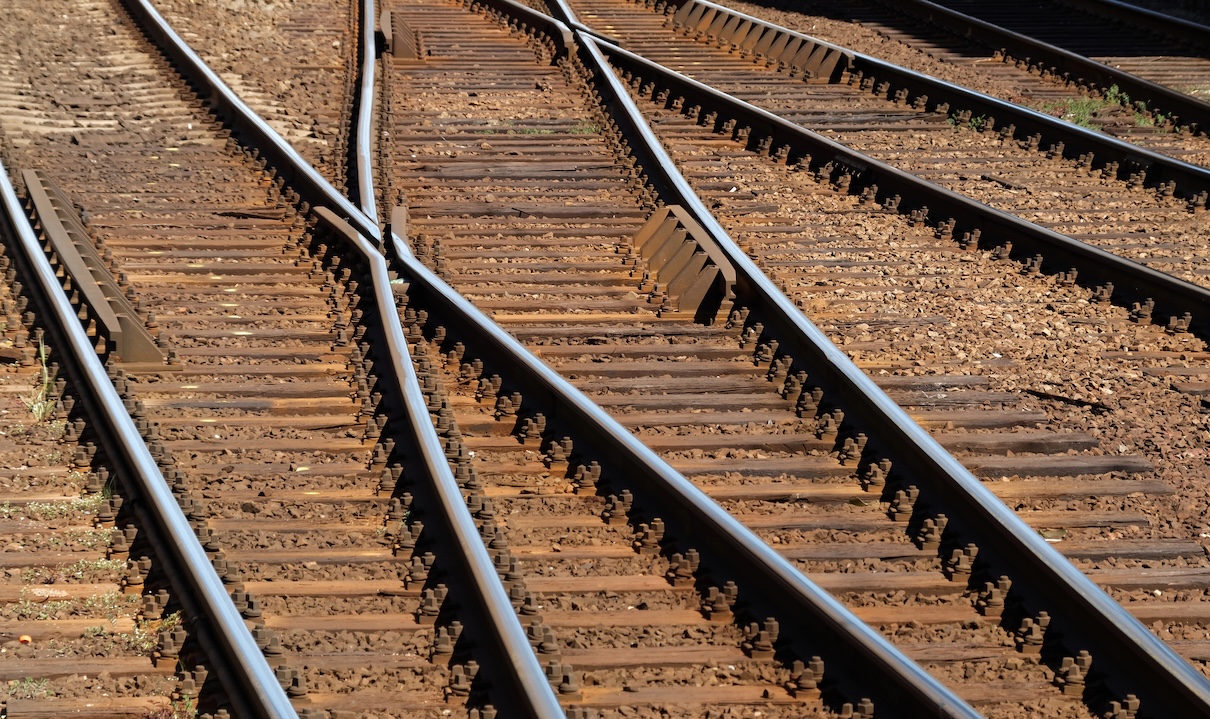
Sur certains tronçons, un train circule toutes les quatre minutes, bientôt toutes les trois minutes d’ici 2030 grâce aux évolutions de signalisation. - Depositphotos.com

In a context of high tolls, profitability hinges on two essential levers: maximizing load factor and keeping trains running as much as possible.

This requires aligning supply as closely as possible with fluctuating demand, depending on the schedules, days of the week, vacation periods, and holidays.

And it is all the more complex because SNCF Réseau asks to pre-book track slots three years in advance. « There is still a bit of crystal ball involved. We do not pre-book everything. We pre-book the base of our offer and then there are several milestones two years ahead, one year ahead… down to six weeks before. »

« This management allows volumes transported to vary considerably, depending on the day, ranging from about 80,000 to 140,000 travelers. »


Lyon-Part-Dieu, the Côte-d’Azur, Bourg-Saint-Maurice in winter… some near-saturation zones

Some zones are close to saturation. At the end-of-line stretches toward the alpine stations, such as Bourg-Saint-Maurice during winter and school holidays, or toward the Côte d’Azur, where coexistence with the TER limits capacity, are already heavily saturated.

Similarly for Lyon – Part-Dieu, which has the peculiarity of being a through station with passenger flows close to origin stations.

Unlike an origin station, where trains dwell long enough to allow progressive boarding of several hundred passengers, stops at Part-Dieu are extremely short, often limited to a few minutes.

In this shortened time window, it is necessary to both let many passengers alight and board as many again, under very tight conditions.

« For example, just one traveler with a stroller: out of courtesy we let them pass, but the time to settle in can block boarding. And then everything jams. In these cases, we try to propose boarding last to ease the flow, » cites Benjamin Huteau as an example.


A train runs every four minutes and soon every three minutes

On some sections, a train runs every four minutes, and by 2030, nearly every three minutes thanks to signalling improvements.

Even the slightest delay can quickly snowball into a knock-on effect on the punctuality of all following trains. «There isn’t a day without disruptions. The problem with rail is that we are rather sensitive to external disturbances,» admits the director.

Among the most frequent disruptions: sick passengers on board, abandoned baggage, or conflicts between travelers. They occur regularly but typically cause only limited delays.

Other events, more serious and less frequent, such as people being on the tracks, cause much longer interruptions. Add to this climate-related risks, or network or signaling failures.

In these situations, the teams’ role is to reorganize the transport plan to limit the spread of delays.

The main objective is to avoid cascading effects. To achieve this, it is often necessary to adapt the operating plan in real time.

Without adjustment, a morning delay risks lingering all day, especially if the same trains are used for several circulations. Teams revise allocations, reorganize rotations, and adjust operations.

This responsiveness also implies revisiting maintenance planning, itself highly optimized to maximize the availability of the rolling stock. The whole system is highly intertwined, requiring coordination to avoid further malfunctions.


The arrival of new TGV rolling stock on the South-East axis, with optimized maintenance


Céline Eymery Published by Céline Eymery Editor-in-Chief – TourMaG.com
See all articles by Céline Eymery

  • picto Facebook
  • picto Twitter
  • picto Linkedin
  • picto email
Add TourMaG to your Google News feed Google Actualités icône


Read 8,432 times

Tags :
sncf

Rate

New comment:


All rude, insulting, or defamatory comments will be immediately removed by the moderator.

Report abuse

In the same section :

<
>

Wednesday 8 July 2026 – 18:42 FlixBus integrates Paris-Beauvais Airport shuttles on its platform

Friday 3 July 2026 – 09:35 Train: SNCF Connect opens reservations to Germany and Switzerland

Rail Europe Strengthens UK Offering with the BritRail Pass


Rail Europe renforce son offre pour la Grande-Bretagne avec le BritRail Pass - Depositphotos.com @gjp1991

IFTM prenez RDV avec TourMaG


Rail Europe a intégré le BritRail Pass à son écosystème mondial de distribution B2B, consolidant ainsi son offre stratégique pour la Grande-Bretagne destinée aux agences de voyages, plateformes OTA et tour-opérateurs à l’international.

The BritRail Pass, reserved for travelers residing outside the United Kingdom, offers flexible access to the National Rail network, including connections to major airports via the Heathrow Express, Gatwick Express and Stansted Express, as well as sleeper services such as the Caledonian Sleeper and the Night Riviera (berth reservations required).

For travel professionals, this product meets three priorities: operational simplicity, pricing flexibility, and the ability to build structured itineraries across Great Britain.

The portfolio includes national and regional passes, enabling advisers to design journeys focused on specific areas such as England, Scotland or the Southwest and South Wales, depending on the itinerary and the clients’ travel plans.


Des avantages supplémentaires pour le voyageur

The different passes available are :

BritRail Pass

BritRail England Pass


BritRail South West & South Wales Pass

BritRail Spirit of Scotland Pass (standard class only)

BritRail London Plus Pass


Most passes can be purchased in First or Second Class, with options for consecutive or flexible validity, as well as discounts for youths, seniors and children. Additional perks, such as 2-for-1 offers on certain attractions, are also available.


A strengthened B2B strategy driven by international demand

Rail Europe distributes a digital version of the pass, the M-Pass, via its B2B platforms, allowing agencies to manage both the booking and the activation days of travel thanks to a QR code. This mobile-first solution reduces operational complexity while preserving total flexibility for the final traveler.

With a growing international demand for Great Britain and a strong interest in destinations beyond London, Rail Europe believes that the BritRail Pass represents an important lever to develop international distribution and encourage rail itineraries across the entire British territory.

According to Björn Bender, CEO of Rail Europe, “The BritRail Pass strengthens our role as experts in European rail passes.

It complements our existing portfolio and enables our global business partners to build more flexible and higher-value itineraries in Great Britain, particularly in long-haul markets where regional exploration is becoming increasingly important.


Amelia Brille Publié par Amelia Brille Rédactrice TourMaG.com
Voir tous les articles d’Amélia Brille

  • picto Linkedin
  • picto email
Ajoutez TourMaG à votre flux Google Actualités Google Actualités icône